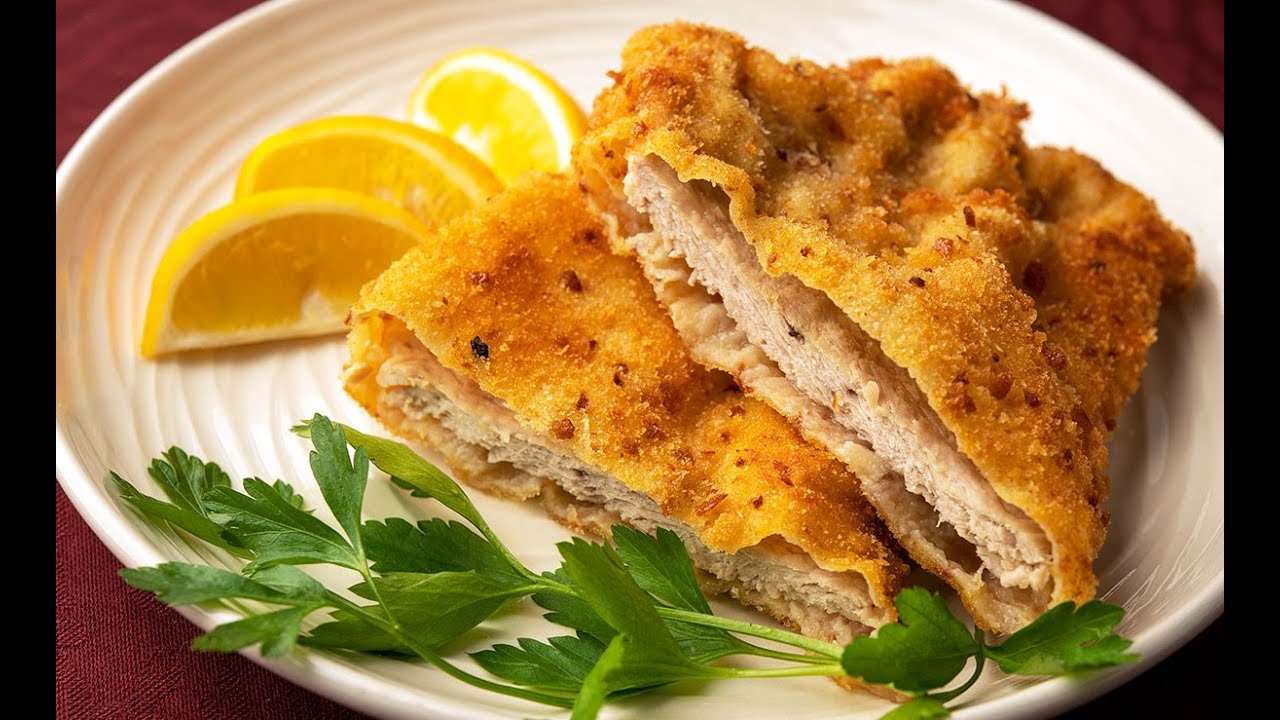
Wiener Schnitzel Recipe: Wiener Schnitzel. Just the name makes your mouth water, right? This Austrian culinary masterpiece is one of those timeless dishes that never go out of style. Known for its golden, crispy crust and juicy interior, the Wiener Schnitzel is more than just fried meat—it’s a bite of European tradition that’s traveled across borders and found a home on dinner tables around the world.
Originating in Austria, this dish is traditionally made with veal, though many modern recipes use pork or chicken as an alternative. The name “Wiener” actually means “Viennese,” so it literally translates to “Viennese schnitzel.” Its simplicity is its charm—thinly pounded meat, lightly breaded, and fried to golden perfection.
But here’s the kicker: while it’s easy to make, getting it just right requires a bit of technique and attention to detail. The good news? You don’t have to be a pro chef to nail it. All you need is the right guidance, and that’s what you’ll find here.
Whether you’re making this for the first time or just need a refresher, this step-by-step guide will walk you through every part of the process—from choosing the best ingredients to getting that beautiful, crispy coating that makes Wiener Schnitzel truly irresistible.
So, roll up your sleeves, grab your meat mallet, and let’s dive into the crispy, juicy world of Wiener Schnitzel!
What Makes an Authentic Wiener Schnitzel?
Authenticity matters—especially when you’re trying to recreate a classic dish like Wiener Schnitzel. While many restaurants and home cooks throw the term around loosely, there are specific elements that define a true Wiener Schnitzel.
First and foremost, authentic Wiener Schnitzel is made with veal. That’s non-negotiable if you want to stay true to the traditional recipe. Pork schnitzel, while delicious, is technically not a Wiener Schnitzel—it’s called “Schnitzel Wiener Art” in Germany, which translates to “Vienna-style schnitzel.”
The meat should be sliced thin and pounded even thinner—around ¼ inch thick. This allows the meat to cook quickly and evenly, staying tender on the inside while achieving that iconic crisp on the outside.
Then there’s the breading. A three-step breading process (flour, egg, breadcrumbs) is the golden rule. But here’s the catch: the breadcrumbs shouldn’t be pressed too hard into the meat. They should cling lightly, so they puff up slightly during frying. This gives you that signature “airy” crust that’s crunchy yet light.
Lastly, frying should be done in clarified butter (also known as Butterschmalz) or a neutral oil. Clarified butter adds an extra depth of flavor and helps achieve that rich golden-brown color.
So, if you’re looking to make a schnitzel that would impress even a Viennese grandmother, stick to these rules. Veal. Light breading. Clarified butter. Simple, but perfect.
Ingredients You’ll Need
Before we jump into the cooking steps, let’s make sure your kitchen is stocked with everything you need. The beauty of Wiener Schnitzel is in its simplicity—you don’t need fancy ingredients, but you do need high-quality ones.
Here’s your grocery list:
Main Ingredients:
- 4 veal cutlets (each about 5 oz, thinly sliced)
- Salt and freshly ground black pepper (to taste)
- 1 cup all-purpose flour
- 2 large eggs
- 1½ cups plain breadcrumbs (preferably fresh and not seasoned)
- 1½ cups clarified butter or neutral oil (like vegetable or canola)
Optional Garnishes:
- Lemon wedges
- Fresh parsley (chopped)
- Lingonberry jam (traditional side)
Substitutions (if needed):
- Pork or chicken cutlets can be used instead of veal
- Panko breadcrumbs for extra crunch (though not traditional)
- Ghee or high-smoke point oil if clarified butter isn’t available
Tips on Ingredient Quality:
- Always go for organic or grass-fed veal if possible—it makes a difference.
- Use day-old bread to make your own breadcrumbs for an authentic touch.
- Don’t use seasoned breadcrumbs—they overpower the delicate flavor of the meat.
Got everything? Great! Let’s get to the fun part—cooking.
Tools and Equipment
You don’t need a chef’s kitchen to make a great Wiener Schnitzel, but having the right tools will definitely make the process smoother and help you achieve that perfect crispy result.
Must-Have Tools:
- Meat mallet or meat tenderizer: You’ll need this to pound the veal cutlets until they’re super thin and even. If you don’t have one, a rolling pin or the bottom of a heavy pan can work in a pinch.
- Three shallow dishes or bowls: For the breading process—one for flour, one for beaten eggs, and one for breadcrumbs.
- Large skillet or frying pan: A wide, heavy-bottomed pan is ideal to ensure the schnitzels don’t overlap during cooking.
- Tongs or a slotted spatula: For flipping the schnitzels gently without damaging the crust.
- Paper towels or a wire rack: To drain the fried schnitzels and keep them crisp.
Optional Tools:
- Instant-read thermometer: To make sure your oil is at the right frying temperature (around 330–350°F / 165–175°C).
- Food processor: For making fresh breadcrumbs if you want to take it to the next level.
- Splatter guard: To prevent oil splashes while frying.
Having your tools ready and within arm’s reach before you start cooking will make the process go a lot more smoothly. Prep like a pro, and you’ll cook like one too.
Step-by-Step Guide to Making Wiener Schnitzel
Now for the fun part—let’s cook! Follow these detailed steps to make a traditional, golden-crisp Wiener Schnitzel just like they do in Austria.
Step 1: Prepare the Meat
Use veal cutlets for a traditional Wiener Schnitzel. Trim off any connective tissue or excess fat. Cut the meat into even portions so they cook uniformly.
Step 2: Tenderize and Flatten
Place each cutlet between two sheets of plastic wrap. Gently pound with a meat mallet until very thin—about ⅛ inch. Work from the center outward to avoid tearing. Thin meat ensures quick cooking and a delicate texture.
Step 3: Season the Meat
Lightly season both sides of the cutlets with salt. Avoid over-seasoning at this stage; the breading will add flavor later.
Step 4: Prepare the Breading Stations
Set up three shallow dishes: one with flour, one with beaten eggs, and one with fine breadcrumbs. This classic three-step station creates a light, crisp coating.
Step 5: Bread the Schnitzel
Dredge each cutlet in flour, shaking off excess. Dip into the egg, then coat loosely in breadcrumbs. Do not press the crumbs in—this allows the coating to puff slightly during frying.
Step 6: Heat the Oil or Clarified Butter
Heat enough oil or clarified butter in a wide pan to allow the schnitzel to float slightly. Heat to medium-high; the fat should shimmer but not smoke.
Step 7: Fry the Schnitzel to Golden Perfection
Carefully place the schnitzel into the hot fat. Fry for 2–3 minutes per side, gently shaking the pan so hot fat washes over the top. The coating should turn golden and crisp.
Step 8: Drain and Serve
Remove the schnitzel and drain briefly on paper towels. Serve immediately with lemon wedges and classic sides like potato salad or parsley potatoes.
Pro Tips for a Perfect Wiener Schnitzel
Even the simplest recipes have their secrets. Here’s how to make sure your schnitzel turns out golden, crispy, and unforgettable:
- Use day-old breadcrumbs: Fresh ones don’t adhere as well, and pre-seasoned store-bought versions can overpower the flavor.
- Never press the coating: Light and fluffy breadcrumbs make for a light and crispy schnitzel.
- Splash the hot oil: Use a spoon to splash oil over the top while frying to help puff up the coating.
- Keep the oil hot: If it’s too cold, your schnitzel will absorb the oil and get soggy. Too hot, and it burns. Maintain a consistent temperature.
- Serve immediately: Wiener Schnitzel is at its best straight from the pan. Don’t wait too long or it loses its signature crunch.
Common Mistakes to Avoid
Even though Wiener Schnitzel looks like a straightforward dish, there are a few common pitfalls that can turn your crisp and delicious masterpiece into a greasy disappointment. Here’s what to avoid:
1. Using the Wrong Type of Meat
Authentic Wiener Schnitzel is always made with veal, not pork or chicken. While you can use other meats, calling it “Wiener Schnitzel” without veal is a culinary no-no in Austria. Pork schnitzel is a great alternative, but it’s technically “Schnitzel Wiener Art.”
2. Skipping the Tenderizing Step
One of the biggest mistakes people make is not pounding the meat thin enough. A too-thick cutlet won’t cook evenly and will be chewy instead of tender. Use a meat mallet to achieve that thin, uniform thickness.
3. Using Too Much Pressure When Breading
It’s tempting to press those breadcrumbs on for an even coat—but resist the urge! Pressing them down will prevent the coating from puffing up and crisping properly. Light and loose is the way to go.
4. Using Low-Quality Oil or Butter
Don’t cheap out on the oil. For the best flavor and crispiness, use clarified butter (Butterschmalz) or a high-smoke point neutral oil like sunflower or grapeseed oil.
5. Overcrowding the Pan
Trying to cook too many schnitzels at once lowers the oil temperature, leading to soggy results. Always fry in batches and give each schnitzel enough room to breathe.
6. Not Serving Immediately
Schnitzel waits for no one. The longer it sits, the more the crust softens. Serve it hot and crispy straight from the pan for maximum deliciousness.
Avoiding these mistakes makes a huge difference in the final dish. Stay patient, follow the process, and you’ll be rewarded with a schnitzel that’s just like grandma used to make—maybe even better!
What to Serve With Wiener Schnitzel
Pairing the right sides with your Wiener Schnitzel can elevate the whole experience from “great” to “unforgettable.” Here are some authentic and delicious options to round out your meal:
Classic Austrian Side Dishes:
- Austrian Potato Salad (Erdäpfelsalat): Tangy, slightly sweet, and often made with broth, vinegar, onions, and a touch of mustard. It complements the schnitzel perfectly without overpowering it.
- Cucumber Salad (Gurkensalat): Thinly sliced cucumbers in a sweet-sour vinegar dressing with dill—light and refreshing!
- Parsley Potatoes: Boiled baby potatoes tossed in butter and fresh parsley. Simple and comforting.
- Lingonberry Jam: It may sound unusual, but the sweet-tart flavor is a traditional pairing that adds contrast to the savory schnitzel.
Vegetable Options:
- Steamed green beans with butter
- Red cabbage slaw
- Roasted Brussels sprouts
Bread Choices:
- Kaiser rolls or crusty white bread
- Pretzels for a German-Austrian touch
Beverage Pairings:
- A crisp white wine like Grüner Veltliner or Riesling
- A cold pilsner or lager
- Sparkling water with lemon for a non-alcoholic option
Mix and match based on what you have available—but if you want the full traditional vibe, go with the potato salad and lemon wedge. Your guests will be wowed!
Variations of Wiener Schnitzel
While the original Wiener Schnitzel is made with veal, many regions and home cooks have put their own spin on the dish. Here are a few popular variations:
1. Jägerschnitzel (“Hunter’s Schnitzel”)
This variation is served with a mushroom gravy—usually made from cream, white wine, and sautéed mushrooms. It’s more of a German take and is usually made with pork, not veal.
2. Zigeunerschnitzel (“Gypsy Schnitzel”)
Spicy and flavorful, this schnitzel comes topped with a bell pepper and tomato-based sauce, often including onions and paprika. Again, usually pork-based.
3. Chicken Schnitzel
Made with chicken breast, this is a lighter option that’s especially popular in households with kids. It’s leaner but still gives you that crispy coating.
4. Pork Schnitzel
A more affordable and accessible version. It’s not technically Wiener Schnitzel, but it’s delicious and widely eaten in Germany and beyond.
5. Schnitzel Sandwiches
Think crispy schnitzel tucked into a soft roll with mustard, pickles, and maybe some red cabbage. Perfect for lunch on the go!
Each variation brings its own twist, but they all stick to the same core technique: thin meat, breaded, and fried. Once you master the classic, don’t be afraid to get creative!
Storing and Reheating Tips
Wiener Schnitzel is best served fresh, but if you have leftovers (lucky you!), here’s how to store and reheat without sacrificing too much of that crispy magic.
Storage Tips:
- Cool Completely before storing.
- Place the schnitzel in an airtight container with a paper towel beneath to absorb moisture.
- Store in the fridge for up to 3 days.
Reheating Methods:
In the Oven:
- Preheat oven to 375°F (190°C).
- Place schnitzel on a baking sheet with a wire rack (or directly on a parchment-lined tray).
- Bake for 10–15 minutes, flipping halfway, until hot and crispy.
In an Air Fryer:
- Heat at 350°F (175°C) for 5–7 minutes.
- Quick and gives a great crunch!
Avoid the Microwave unless you like soggy schnitzel. The coating loses its texture quickly.
Freezing? Not ideal—the coating can fall off or become mushy when thawed. Eat fresh if you can!
Is Wiener Schnitzel Healthy?
You might be wondering: can something breaded and fried actually be healthy? Well, like most comfort foods, Wiener Schnitzel isn’t exactly health food—but it’s not terrible either, especially when prepared with care.
Nutrition Breakdown (Per Serving – Traditional Veal Schnitzel):
- Calories: ~450–600 (depending on size and frying oil absorption)
- Protein: ~30–35g
- Fat: ~25–30g
- Carbohydrates: ~25–30g
Let’s take a closer look:
Pros:
- High in protein: Veal is a lean meat, and you get a solid amount of protein per serving.
- Contains essential nutrients: Veal provides iron, zinc, and B vitamins.
- Satisfying and filling: When paired with veggies or a light salad, it can be part of a balanced meal.
Cons:
- Fried food = higher fat: Frying adds calories and fat, especially if the schnitzel soaks up too much oil.
- Refined carbs in breadcrumbs: Using whole-grain breadcrumbs is rare in traditional recipes.
- High in sodium: If heavily seasoned or paired with salty sides.
Tips to Make it Healthier:
- Use lean pork or chicken as alternatives to veal.
- Air-fry instead of pan-frying to cut down on oil.
- Try a whole wheat breadcrumb coating or even almond flour for a gluten-free option.
- Serve with vegetables or salad instead of fried sides.
Bottom line? Wiener Schnitzel is a treat. Enjoy it in moderation and pair it with lighter sides to balance things out. Like with any traditional dish, it’s all about balance and portion control.
Making Wiener Schnitzel for a Crowd
Hosting dinner for friends or family? Wiener Schnitzel is a great crowd-pleaser. Here’s how to scale things up without stress.
1. Multiply the Recipe:
Plan for one cutlet per person, and prepare extra just in case (people often go for seconds!).
2. Prep Ahead of Time:
- Flatten and bread the schnitzels in advance.
- Lay them between sheets of parchment paper and refrigerate.
- Bring to room temperature 20–30 minutes before frying.
3. Use Multiple Pans or a Large Electric Skillet:
- Fry in batches, and keep cooked schnitzels warm on a wire rack in a 200°F (90°C) oven.
- Avoid stacking cooked schnitzels—they’ll steam and lose crispiness.
4. Set Up a Self-Serve Station:
Lay out lemon wedges, parsley, and side dishes buffet-style. Let everyone build their own plate.
5. Pair with Easy Side Dishes:
Stick to easy-to-make, crowd-friendly sides like:
- Potato salad (made ahead of time)
- Buttered noodles
- Mixed green salad
With a little planning, you can make a whole tray of schnitzels and still enjoy your guests without being stuck in the kitchen.
Gluten-Free or Dairy-Free Adaptations
Have dietary restrictions? No worries—you can still enjoy a great schnitzel with a few easy swaps.
For Gluten-Free:
- Use gluten-free flour (rice flour or almond flour works well).
- Swap breadcrumbs with gluten-free panko or crushed cornflakes.
- Ensure all condiments and side dishes are certified GF.
For Dairy-Free:
- Use a dairy-free egg substitute if needed, though regular eggs are usually dairy-free.
- Use oil instead of clarified butter for frying (canola, sunflower, or avocado oil work well).
Will It Taste the Same?
Almost! The crust might be slightly different in texture with gluten-free crumbs, but it’ll still be crispy and delicious. The key is to keep the bread coating loose and the meat thin—those are your golden rules, regardless of ingredients.
Why Homemade Is Better Than Restaurant Versions
Ever wonder why restaurant schnitzel sometimes feels… underwhelming? When you make it at home, you’re in control—and trust me, that makes all the difference.
1. Better Ingredients
You choose your meat, your breadcrumbs, your oil. No shortcuts, no mystery meat. That’s already a win.
2. Fresh Out of the Pan
In restaurants, schnitzels often sit under a heat lamp. At home, it goes from skillet to plate—hot, crispy, and perfect.
3. Customizable
Want it extra thin? More lemon? A side of lingonberry jam? You call the shots.
4. More Affordable
Veal in restaurants can be pricey. Buying your own ingredients is often much cheaper per portion—and you can make way more.
5. Satisfaction of Cooking It Yourself
There’s nothing like that moment when you take the first crispy bite of something you made from scratch. It just hits different.
FAQs about Wiener Schnitzel Recipe
1. Can I freeze Wiener Schnitzel?
Yes, but it’s best frozen before frying. Bread the cutlets, lay them flat between parchment, and freeze. When ready, thaw slightly and fry from chilled for best results.
2. What oil should I use for frying schnitzel?
Clarified butter (Butterschmalz) is traditional, but you can also use neutral oils like sunflower, canola, or grapeseed oil. Avoid olive oil—it has a low smoke point.
3. Why is my schnitzel not crispy?
The oil may not have been hot enough, or the schnitzel was overcrowded in the pan. Also, pressing the breadcrumbs too hard during breading can flatten the crust.
4. Can I use an air fryer?
Yes! While not traditional, air fryers can make a healthier version. Spray both sides with oil and air fry at 375°F (190°C) for 8–10 minutes, flipping halfway.
5. What does “Wiener Schnitzel” mean in English?
It literally translates to “Viennese cutlet.” It’s a protected term in Austria and must be made with veal to be called “Wiener Schnitzel.”
Conclusion
Wiener Schnitzel is a classic dish for a reason—it’s simple, satisfying, and just downright delicious. Whether you’re making it for a weeknight dinner, a special occasion, or just because you’re craving that golden crunch, this step-by-step guide gives you everything you need to master the art of schnitzel.
From selecting the right cut of veal to perfecting the breading technique, you now have the tools and knowledge to bring a bit of Austria to your own kitchen. And let’s be honest—once you’ve tasted a freshly fried schnitzel made with your own hands, there’s no going back.
So, grab that meat mallet, heat up the pan, and treat yourself to one of Europe’s most beloved comfort foods.
Guten Appetit!