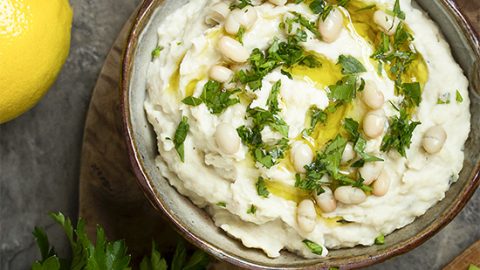
White Bean Dip Recipe: White bean dip is one of those recipes that quietly earns its place at every table. It’s smooth, creamy, comforting, and incredibly versatile. Whether you’re hosting guests, preparing a healthy snack, or looking for a plant-based spread that actually satisfies, white bean dip delivers every single time.
At its core, white bean dip is made from blended white beans, olive oil, and seasonings. But the magic happens in how those simple ingredients come together. When done right, it rivals hummus in creaminess, beats many store-bought dips in flavor, and fits effortlessly into almost any diet.
This step-by-step guide walks you through everything—from choosing the right beans to perfecting texture, flavor variations, storage tips, and serving ideas. By the end, you’ll have a foolproof recipe and the confidence to customize it like a pro.
What Makes a Perfect White Bean Dip
Flavor Balance
A great white bean dip should never taste flat. The beans bring mild earthiness, olive oil adds richness, lemon provides brightness, and garlic gives depth. When these elements are balanced, every bite feels clean yet indulgent.
Texture and Creaminess
Creaminess is non-negotiable. A properly blended white bean dip should be silky smooth—not grainy, not watery, and never paste-like. Achieving this texture is all about bean prep, liquid control, and blending technique.
Nutrition and Health Benefits
White bean dip isn’t just delicious—it’s nourishing. White beans are packed with plant-based protein, fiber, iron, and complex carbohydrates. When paired with heart-healthy olive oil, this dip becomes a snack you can feel genuinely good about.
Types of White Beans You Can Use
Cannellini Beans
Cannellini beans are the most popular choice. They’re large, soft, and naturally creamy, making them ideal for dips.
Navy Beans
Smaller and slightly firmer, navy beans create a smoother dip when blended thoroughly. They’re excellent if you want a lighter flavor.
Great Northern Beans
These sit between cannellini and navy beans in size and texture. They’re mild, adaptable, and easy to work with.
Which One Is Best?
If you want maximum creaminess with minimal effort, cannellini beans are your best bet. However, all three work beautifully with proper blending.
Ingredients You’ll Need
Core Ingredients
- 2 cups cooked white beans (or 1½ cans, drained and rinsed)
- ¼ cup extra-virgin olive oil
- 2–3 cloves garlic
- 2 tablespoons fresh lemon juice
- ½ teaspoon salt
- ¼ teaspoon black pepper
- 2–4 tablespoons water or bean liquid
Optional Flavor Boosters
- Tahini
- Roasted garlic
- Cumin or smoked paprika
- Fresh herbs (rosemary, thyme, basil)
- Chili flakes or cayenne pepper
Ingredient Substitutions
- Olive oil → avocado oil
- Lemon juice → apple cider vinegar
- Garlic → roasted shallots
Kitchen Tools You’ll Need
- Food processor or high-speed blender
- Measuring cups and spoons
- Rubber spatula
- Small bowl for tasting and adjusting
Step-by-Step Guide to Making White Bean Dip
Step 1 – Preparing the Beans
If using canned beans, drain and rinse them thoroughly to remove excess sodium. For dried beans, cook until very soft—slightly overcooked beans blend better than firm ones.
Pro tip: Warm beans blend more smoothly than cold beans.
Step 2 – Preparing Flavor Base
Add garlic, lemon juice, salt, and olive oil into the food processor first. This allows the garlic to break down evenly and prevents harsh chunks.
Step 3 – Blending the Dip
Add the beans and begin blending. Start on low speed, then increase gradually. Scrape down the sides as needed to ensure everything blends evenly.
Step 4 – Adjusting Texture
Slowly add water or reserved bean liquid, one tablespoon at a time. Blend until the dip becomes smooth, creamy, and spreadable.
Step 5 – Tasting and Seasoning
Taste the dip and adjust:
- More salt for depth
- More lemon for brightness
- More olive oil for richness
Common Texture Fixes
- Too thick → add liquid
- Too thin → add more beans
- Grainy → blend longer
How to Make White Bean Dip Extra Creamy
For ultra-smooth texture:
- Remove bean skins (optional but effective)
- Use a high-speed blender
- Blend longer than you think necessary
- Add olive oil gradually
Creaminess isn’t rushed—it’s built.
White Bean Dip Variations
Garlic & Lemon White Bean Dip
Increase garlic and lemon juice for a bold, punchy flavor.
Roasted Red Pepper White Bean Dip
Add roasted red peppers for sweetness and color.
Spicy White Bean Dip
Blend in chili flakes, cayenne, or harissa paste.
Herb-Infused White Bean Dip
Fresh rosemary, thyme, or basil adds a gourmet feel.
Mediterranean-Style Version
Add sun-dried tomatoes, olives, and oregano.
What to Serve with White Bean Dip
Bread Options
- Pita bread
- Flatbread
- Toasted sourdough
Vegetable Dippers
- Carrots
- Cucumbers
- Bell peppers
- Celery
Protein Pairings
- Grilled tofu
- Falafel
- Roasted chickpeas
How to Store White Bean Dip
Refrigeration
Store in an airtight container for up to 5 days.
Freezing Tips
Freeze for up to 2 months. Thaw overnight in the fridge.
How to Re-Serve After Storage
Stir well and add a drizzle of olive oil before serving.
Make-Ahead and Meal Prep Tips
White bean dip is perfect for meal prep. Make a batch on Sunday and enjoy it throughout the week as a snack, spread, or sandwich filling.
Nutrition Facts and Health Benefits
Protein Content
White beans provide plant-based protein for sustained energy.
Fiber and Digestive Health
High fiber keeps you full and supports gut health.
Heart-Healthy Fats
Olive oil contributes beneficial monounsaturated fats.
Common Mistakes and How to Avoid Them
- Under-blending → grainy texture
- Too much liquid → watery dip
- Skipping acid → flat flavor
White Bean Dip for Special Diets
Vegan
Naturally vegan and plant-based.
Gluten-Free
No gluten ingredients required.
Dairy-Free
Creamy without any dairy.
Low-Fat Adjustments
Reduce oil and replace with bean liquid.
FAQs about White Bean Dip Recipe
1. Can I make white bean dip without a food processor?
Yes. A high-speed blender works very well, though you may need to stop occasionally to scrape down the sides and ensure everything blends evenly.
2. Is white bean dip healthier than hummus?
Both are nutritious options. White bean dip is often slightly lower in fat and has a milder, creamier flavor, while still providing fiber and plant-based protein.
3. Can I use dried beans instead of canned?
Absolutely. Just be sure to cook the beans until very soft. Fully cooked beans blend more smoothly and prevent a gritty texture.
4. Why is my white bean dip grainy?
A grainy texture usually means it needs more blending time or a bit of additional liquid such as water, bean cooking liquid, or olive oil.
5. Can I use white bean dip as a sandwich spread?
Yes. White bean dip works beautifully as a creamy, protein-rich spread for sandwiches, wraps, and toast.
Conclusion
White bean dip is proof that simple ingredients can create extraordinary results. Creamy, nutritious, and endlessly adaptable, it’s a recipe you’ll return to again and again. Whether served as a party dip, a weekday snack, or a sandwich spread, this step-by-step guide ensures perfect results every time.