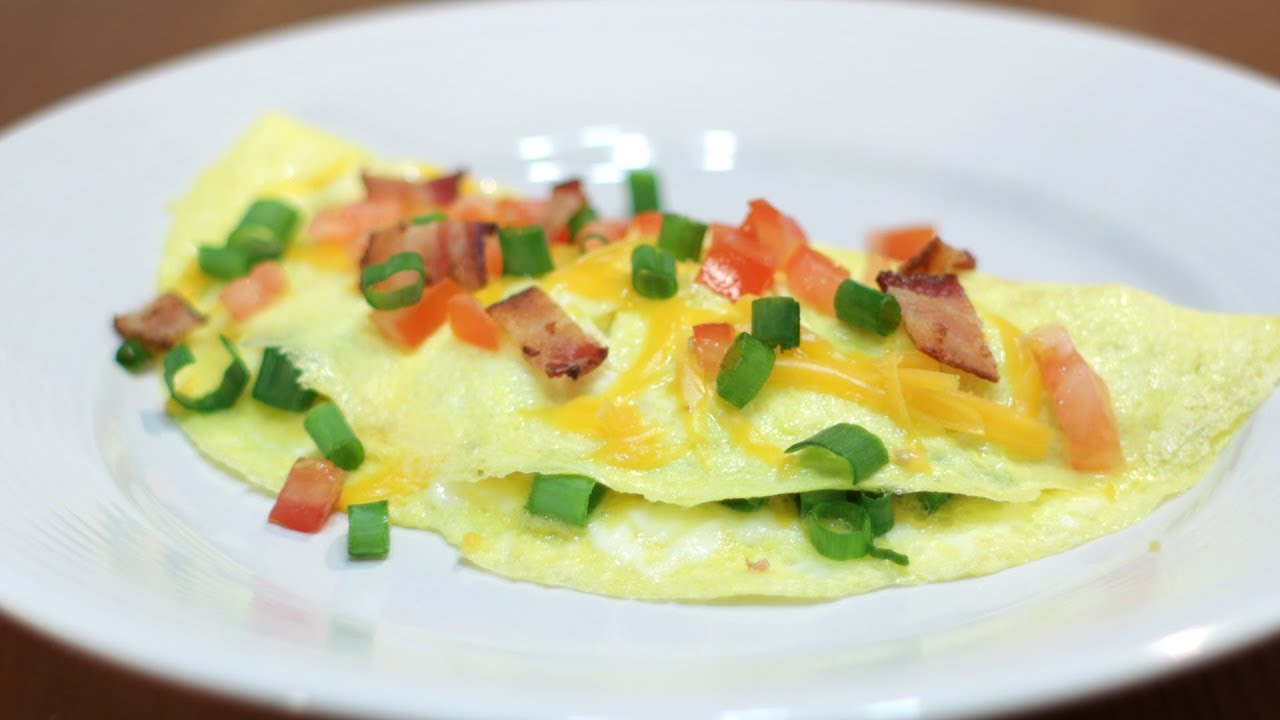
Western Omelette Recipe: The Western omelette is one of those timeless breakfast classics that never goes out of style. It’s hearty, colorful, packed with flavor, and incredibly satisfying. Whether you’re making breakfast for yourself, cooking brunch for family, or preparing a protein-rich meal to keep you full for hours, this dish checks every box.
In this complete step-by-step guide, we’ll walk through everything—from ingredients and prep to cooking techniques, common mistakes, variations, and expert tips. By the end, you’ll be able to make a restaurant-quality Western omelette right in your own kitchen.
What Is a Western Omelette?
A Western omelette is a savory egg omelette filled with diced ham, bell peppers, onions, and cheese. It’s known for its bold flavor, colorful appearance, and hearty texture. The combination of fluffy eggs, slightly smoky ham, and sautéed vegetables makes it a breakfast favorite across many countries.
Why the Western Omelette Is So Popular
The Western omelette is popular because it’s:
- Easy to customize
- High in protein
- Filling and satisfying
- Quick to prepare
- Perfect for breakfast, brunch, or even dinner
Western Omelette vs Denver Omelette
Many people use these names interchangeably. Traditionally:
- Western omelette includes peppers, onions, ham, and cheese
- Denver omelette may skip cheese or vary vegetables
In modern kitchens, the difference is minimal.
Ingredients You’ll Need for a Perfect Western Omelette
Core Ingredients
These ingredients create the classic Western omelette flavor:
- Eggs – 3 large eggs per omelette
- Cooked ham – ¼ cup, diced
- Bell peppers – 2 tablespoons, diced (red and green preferred)
- Onion – 2 tablespoons, finely diced
- Cheese – ¼ cup shredded (cheddar is classic)
- Butter or oil – 1 tablespoon
- Salt – to taste
- Black pepper – to taste
Optional Add-Ins and Variations
Cheese Options
- Cheddar (classic)
- Monterey Jack
- Mozzarella
- Swiss
- Pepper Jack
Meat Variations
- Bacon
- Sausage
- Turkey ham
- Smoked chicken
Vegetable Substitutions
- Mushrooms
- Spinach
- Tomatoes
- Jalapeños
Equipment and Tools Required
Best Pan for Omelettes
A non-stick skillet (8–10 inches) is ideal. It allows easy folding and prevents sticking.
Other Helpful Kitchen Tools
- Mixing bowl
- Fork or whisk
- Silicone spatula
- Cutting board
- Sharp knife
Preparing Your Ingredients the Right Way
Chopping Vegetables Properly
Dice onions and bell peppers into small, uniform pieces. This ensures even cooking and prevents raw bites inside the omelette.
Cooking the Ham or Meat
If your ham isn’t pre-cooked, sauté it lightly first. Even cooked ham benefits from warming—it enhances flavor.
Preparing the Eggs
Crack eggs into a bowl. Beat until the yolks and whites are fully combined. Add salt and pepper now for even seasoning.
Step-by-Step Guide to Making a Western Omelette
Step 1 – Preheat the Pan
Heat your pan over medium heat. Add butter or oil and allow it to melt completely.
Step 2 – Sauté the Vegetables
Add onions and bell peppers. Cook for 2–3 minutes, stirring occasionally, until softened but not browned.
Step 3 – Add and Warm the Ham
Add diced ham to the pan. Cook for 30–60 seconds just to warm and slightly caramelize.
Step 4 – Beat and Season the Eggs
Re-whisk the eggs briefly. Ensure seasoning is well distributed.
Step 5 – Pour the Eggs into the Pan
Reduce heat to medium-low. Pour eggs evenly over the fillings.
Step 6 – Cooking the Omelette Base
Let the eggs cook undisturbed for 30–45 seconds. As edges set, gently push them toward the center.
Step 7 – Adding Fillings
Sprinkle cheese evenly over one half of the omelette.
Step 8 – Folding the Omelette
Once the eggs are mostly set, gently fold the omelette in half using a spatula.
Step 9 – Final Cooking and Plating
Cook for another 30–60 seconds, then slide onto a plate.
Pro Tips for the Best Western Omelette
How to Avoid Overcooking
Lower heat is key. Eggs continue cooking even after leaving the pan.
Achieving the Perfect Fold
Use a flexible spatula and fold confidently but gently.
Getting Restaurant-Style Flavor
Finish with a tiny knob of butter on top—it melts and adds shine.
Common Mistakes to Avoid
Using Too Much Filling
Overloading prevents proper folding and leads to broken omelettes.
Cooking on High Heat
High heat causes rubbery eggs.
Skipping Ingredient Prep
Everything should be ready before cooking begins.
Western Omelette Variations
Cheese-Loaded Western Omelette
Double the cheese for extra richness.
Healthy Western Omelette
Use egg whites, olive oil, and extra vegetables.
Spicy Western Omelette
Add jalapeños or chili flakes.
Vegetarian Western Omelette
Skip meat and add mushrooms, spinach, and tomatoes.
Serving Suggestions
Best Side Dishes
- Toast or buttered bread
- Hash browns
- Fresh fruit
- Avocado slices
Sauces and Toppings
- Hot sauce
- Ketchup
- Salsa
Make-Ahead, Storage, and Reheating Tips
Can You Store a Western Omelette?
Yes. Store in an airtight container for up to 2 days.
Best Way to Reheat Without Drying
Reheat gently in a pan over low heat or microwave in short intervals.
Nutritional Information
Calories and Macronutrients
Approximate per serving:
- Calories: 350–400
- Protein: High
- Carbs: Low
- Fat: Moderate
Health Benefits of Eggs and Vegetables
Eggs provide protein and vitamins. Vegetables add fiber and antioxidants.
FAQs about Western Omelette Recipe
1. Can I make a Western omelette without cheese?
Yes. A Western omelette will still be flavorful thanks to the peppers, onions, and meat or vegetables, though it will be less creamy without cheese.
2. What’s the best cheese for a Western omelette?
Cheddar is the classic choice for its sharp flavor, but Monterey Jack is also excellent because it melts smoothly and evenly.
3. Can I use egg whites only?
Absolutely. Use 5–6 egg whites per omelette to maintain volume and structure while keeping it lighter.
4. Why does my omelette turn brown?
This usually means the pan or heat is too high. Omelettes cook best over medium to medium-low heat for a tender, pale finish.
5. Can I freeze a Western omelette?
Freezing is not recommended. Eggs tend to become rubbery and watery once thawed, which affects texture and flavor.
Conclusion
The Western omelette is proof that simple ingredients can create extraordinary flavor. With the right technique, balanced fillings, and gentle heat, you can make a fluffy, flavorful omelette every single time. Whether you stick to the classic recipe or customize it to your taste, this dish is guaranteed to satisfy.