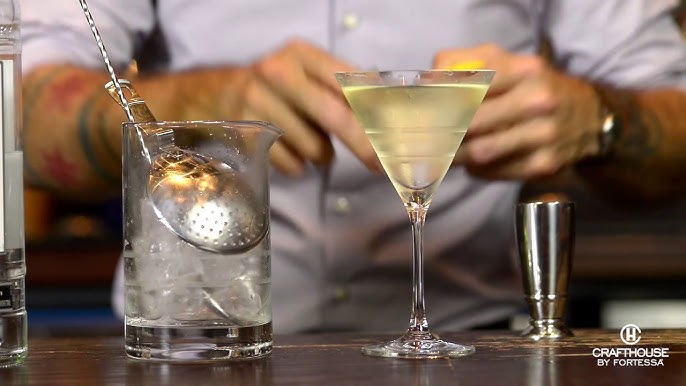
Vesper Recipe: The Vesper Martini isn’t just another fancy drink; it carries with it the mystique of espionage and cinematic cool. First introduced by Ian Fleming in the 1953 James Bond novel Casino Royale, the Vesper was crafted as the signature drink of the world’s most famous secret agent. Unlike traditional martinis that only use gin or vodka, Bond’s Vesper combines both, along with the now-rare Kina Lillet (a bitter aperitif wine). Its debut was so iconic that it made its way from the pages of fiction to actual cocktail bars around the world.
Named after Vesper Lynd, Bond’s love interest in the novel, this cocktail is not just about taste—it’s about character. It’s strong, elegant, and refined, with a crisp bite that lingers like a good spy story. The original literary recipe calls for 3 measures of gin, 1 measure of vodka, and half a measure of Kina Lillet, shaken over ice and served with a thin slice of lemon peel. It’s bold, it’s balanced, and it’s deeply flavorful.
Why It’s Unique Among Cocktails
The Vesper Martini stands apart from other cocktails due to its hybrid composition. Most cocktails stick to one base spirit. Not this one. It bridges the herbal complexity of gin with the smooth neutrality of vodka, then enhances it with an aromatized wine. It’s also unapologetically strong—no sugar, no syrups, no juices to mellow it out. That means the quality of ingredients and the method of mixing are crucial.
Another element that makes the Vesper so special is its heritage. With a direct connection to pop culture and literature, it’s more than just a drink—it’s a conversation starter. Plus, with the disappearance of Kina Lillet (the original ingredient), bartenders now explore different substitutes like Lillet Blanc or Cocchi Americano to get that signature bitter bite, making the Vesper a modern mixology playground.
Ingredients You’ll Need
The Core Spirits Explained
To make an authentic Vesper Martini, you’ll need three main ingredients:
- Gin (3 oz): Traditionally a London Dry Gin, like Gordon’s, which was Ian Fleming’s original preference. The gin adds botanical notes—think juniper, citrus, and spice.
- Vodka (1 oz): A clean, neutral spirit that softens the intensity of the gin and smooths out the overall flavor profile.
- Lillet Blanc or Cocchi Americano (0.5 oz): Since Kina Lillet is no longer available, these are the two most common modern substitutes. Cocchi Americano is slightly more bitter, closer to the original Kina profile.
These three spirits blend together to create a drink that’s clean, crisp, and packs a punch.
Optional Additions for Personalization
While the traditional Vesper doesn’t stray from its original trio, modern mixologists sometimes tweak the formula. Here are some common tweaks:
- Bitters: A dash of orange bitters can introduce a citrusy aroma.
- Vermouth: Some prefer to replace Lillet with dry vermouth for a more herbal touch.
- Different Citrus Peels: Lemon is classic, but grapefruit peel offers a different zesty aroma.
The Vesper leaves room for experimentation while keeping its core identity intact.
Tools Required for the Perfect Vesper
Bartending Essentials
You don’t need to be James Bond to mix a great Vesper, but a few bar tools will help you play the part:
- Cocktail Shaker: Essential for the shaken—not stirred—preparation. A Boston shaker or a cobbler shaker works well.
- Jigger: Precision is key in this recipe. A jigger helps ensure accurate proportions.
- Bar Spoon: If you opt to stir instead of shake (we’ll talk about that), a long-handled spoon is crucial.
- Strainer: After mixing, you’ll need to strain the drink into your glass, leaving the ice behind.
Having the right tools elevates the experience and ensures consistency in every pour.
Glassware Selection
Presentation matters, especially for a drink as sophisticated as the Vesper. Traditionally, it’s served in:
- Martini Glass: The iconic V-shaped glass that screams elegance.
- Coupe Glass: A slightly more retro choice, with a rounded bowl.
Make sure to chill your glass before serving—it keeps the drink cold and adds to that polished presentation.
Step-by-Step Vesper Recipe Guide
Step 1 – Chill Your Glass
Start by placing your martini or coupe glass in the freezer or filling it with ice water. This ensures your Vesper stays ice-cold when served. A warm glass will instantly dilute and dull your drink’s sharp, refreshing edge.
Once your cocktail is ready to be poured, discard the ice or water from the glass and give it a quick wipe if needed.
Step 2 – Measure Your Spirits
Into a cocktail shaker, measure:
- 3 oz of London Dry Gin
- 1 oz of high-quality vodka
- 0.5 oz of Lillet Blanc or Cocchi Americano
Precision is everything here. A well-balanced Vesper depends entirely on getting these proportions right. Don’t eyeball it—use that jigger!
Step 3 – Shake or Stir?
This is where the classic debate begins. James Bond famously ordered his Vesper “shaken, not stirred,” which was unconventional at the time. Shaking adds more dilution and creates a slightly cloudy drink with air bubbles. Stirring, on the other hand, keeps the drink crystal clear and slightly smoother.
Try both methods and decide which you prefer:
- Shake: Add ice, shake vigorously for about 15 seconds.
- Stir: Gently stir with ice in a mixing glass for about 30 seconds.
Step 4 – Strain and Serve
Once your Vesper is mixed, it’s time to pour it. Using a strainer, gently pour the cocktail into your chilled martini or coupe glass. This step is essential to remove any ice chips or pulp that might have made their way in during shaking.
The clarity and color of the drink should be a pale golden hue, reflecting the gin’s botanicals and Lillet’s white wine base. If you’ve stirred instead of shaken, it’ll be even more transparent—ideal for that ultra-smooth finish.
Don’t rush this part. Pour it slowly to avoid any unwanted splashing and to ensure a clean, beautiful presentation. You’ve taken the time to mix a refined cocktail; now present it like one.
Step 5 – Garnish to Finish
Garnishing isn’t just about aesthetics—it adds aroma and a final touch of flavor. The classic garnish for a Vesper is a thin slice or twist of lemon peel. Here’s how to do it right:
- Use a vegetable peeler or paring knife to slice a thin piece of lemon peel, avoiding the bitter white pith.
- Twist it over the drink to express the citrus oils onto the surface.
- Rub it around the rim of the glass for added fragrance.
- Drop it gently into the drink or perch it on the rim.
Some modern variations use orange peel or even a small edible flower, but if you’re aiming for authenticity, stick with lemon. It’s subtle, classy, and complements the gin and Lillet beautifully.
Tips for Making the Best Vesper Martini
Balance is Key
The Vesper is all about achieving the right balance between strong and smooth, bitter and bright. Here are a few golden rules:
- Don’t overpower: Use a gin with mild botanicals if your vodka is already bold. The flavors should blend—not clash.
- Taste as you go: Once mixed, give it a small taste before garnishing. You might prefer slightly less Lillet or an extra dash of gin. Adjust subtly.
- Serve immediately: This isn’t a drink to let sit around. Its icy sharpness is part of the experience, so serve it right after mixing.
Cocktail-making is part science, part art—and the Vesper is your canvas.
Choosing Quality Ingredients
Since the Vesper is essentially just alcohol and a touch of aromatized wine, there’s nowhere to hide. Low-quality ingredients will show. Here’s what to look for:
- Gin: Go for a reputable London Dry brand like Tanqueray, Beefeater, or Bombay Sapphire. Avoid flavored or overly botanical gins.
- Vodka: Choose a smooth, clean vodka—something distilled multiple times and charcoal-filtered for purity.
- Lillet Blanc / Cocchi Americano: Cocchi is closer to the original bitter Kina Lillet, but Lillet Blanc is easier to find and still very tasty.
Invest in your ingredients. It’s the difference between a one-time experiment and your new favorite drink.
Common Mistakes to Avoid
Over-Dilution
One of the easiest ways to ruin a Vesper? Letting it get too watery. This can happen if:
- You shake it too long.
- You let it sit on ice before straining.
- You don’t chill your glass or ingredients beforehand.
To avoid this, keep everything cold and mix quickly but confidently. The goal is a strong, clean drink—not a watered-down one.
Wrong Garnishes
We’ve said it before, but it’s worth repeating: lemon peel is your best friend. A wedge of lemon, orange slice, or even olives (yes, some people try that!) don’t belong here. Those are for other cocktails.
Stick to the classic lemon twist for the authentic Vesper experience. If you’re feeling bold, try a flamed lemon peel—heat it slightly to release even more oils and aroma.
Vesper vs Classic Martini
Ingredients Comparison
The Classic Martini and Vesper might look similar in a glass, but they’re worlds apart in composition. Let’s break it down:
| Component | Vesper Martini | Classic Martini |
|---|---|---|
| Gin | Yes (3 oz) | Yes (2-3 oz) |
| Vodka | Yes (1 oz) | No |
| Aperitif | Lillet Blanc / Cocchi (0.5 oz) | Dry Vermouth (0.5 oz) |
| Garnish | Lemon Peel | Olive or Lemon Twist |
| Preparation | Shaken | Usually Stirred |
Taste and Texture Differences
- Vesper: Crisp, slightly bitter, strong, and with a smooth citrus finish. It’s bold but clean, with layered flavors.
- Classic Martini: More herbal and dry, with a deeper gin-forward flavor. It’s less punchy and more nuanced.
If you like your drinks strong, with a clean and slightly bitter twist, the Vesper is your go-to. If you prefer something more botanical and refined, the Classic Martini might be more your speed.
Perfect Occasions to Serve a Vesper
When to Impress Your Guests
Let’s be honest—some drinks just ooze class, and the Vesper is one of them. Whether you’re hosting a sophisticated dinner party or looking to impress that friend who thinks they know their cocktails, the Vesper Martini is your secret weapon. It’s not your everyday drink, and that’s exactly the point.
This is the cocktail for:
- Date nights where you want something more special than a glass of wine.
- Cocktail parties with a Bond-themed or retro flair.
- Holiday dinners when you want to offer a stylish aperitif before the meal.
The Vesper also works well in tasting menus, where you want each course (including the drink) to be part of the experience. Serve it chilled with an amuse-bouche or a light appetizer—think oysters, smoked salmon, or even a savory tartlet.
It’s not a drink for chugging or casual sipping. It’s for savoring, for starting conversations, and for those times when you want your drink to match your suit.
Pairing Vesper with Meals
Pairing a Vesper isn’t tricky, but because of its strength and bitter notes, it works best before a meal rather than during or after. Its role is as an aperitif—something to awaken your palate and prep your taste buds.
Ideal pairings include:
- Light seafood: Shrimp cocktail, crab cakes, or seared scallops.
- Cheese platters: Go with aged gouda, sharp cheddar, or goat cheese.
- Salty snacks: Think Marcona almonds, olives (for the table—not the drink), or gourmet chips.
Avoid pairing it with rich or overly sweet dishes, as its bitterness can become overpowering. The goal is harmony, not contrast.
FAQs about Vesper Recipe
Can I make a non-alcoholic Vesper?
Yes, but it will obviously taste very different from the original. Use non-alcoholic gin and vodka alternatives (like Seedlip or Monday), and substitute Lillet with a bitter citrus tonic. It won’t pack the same punch, but you’ll get the botanical and citrusy notes.
What’s the best gin for a Vesper?
A London Dry gin like Tanqueray or Beefeater works great. If you want something smoother, try Bombay Sapphire. Just avoid overly floral gins—they can overpower the delicate balance.
Should I stir or shake a Vesper?
Bond said shake, so most people do. But stirring gives a smoother, clearer drink. Try both and see which you prefer—there’s no hard rule here.
Can I use lemon juice instead of a peel?
Not recommended. Lemon juice changes the acidity and flavor of the cocktail. The peel adds aroma without altering the drink’s taste—stick to the twist.
What makes the Vesper a James Bond drink?
It was literally invented in the Casino Royale novel by Ian Fleming, as Bond’s signature drink. He even named it after his love interest, Vesper Lynd. It’s bold, refined, and unforgettable—just like Bond.
Conclusion
The Vesper Martini isn’t just a drink—it’s a statement. From its literary origins in the hands of James Bond to its modern-day status as a sophisticated cocktail for those in the know, the Vesper is a timeless blend of elegance and strength.
It’s simple in ingredients but complex in flavor. It’s classic, yet open to personal twists. And perhaps most importantly, it’s one of those rare drinks that tells a story before you even take a sip.
So the next time you’re in the mood for something suave, skip the usual and shake up a Vesper. Serve it ice-cold, with a twist of lemon, and channel your inner secret agent—shaken, not stirred.