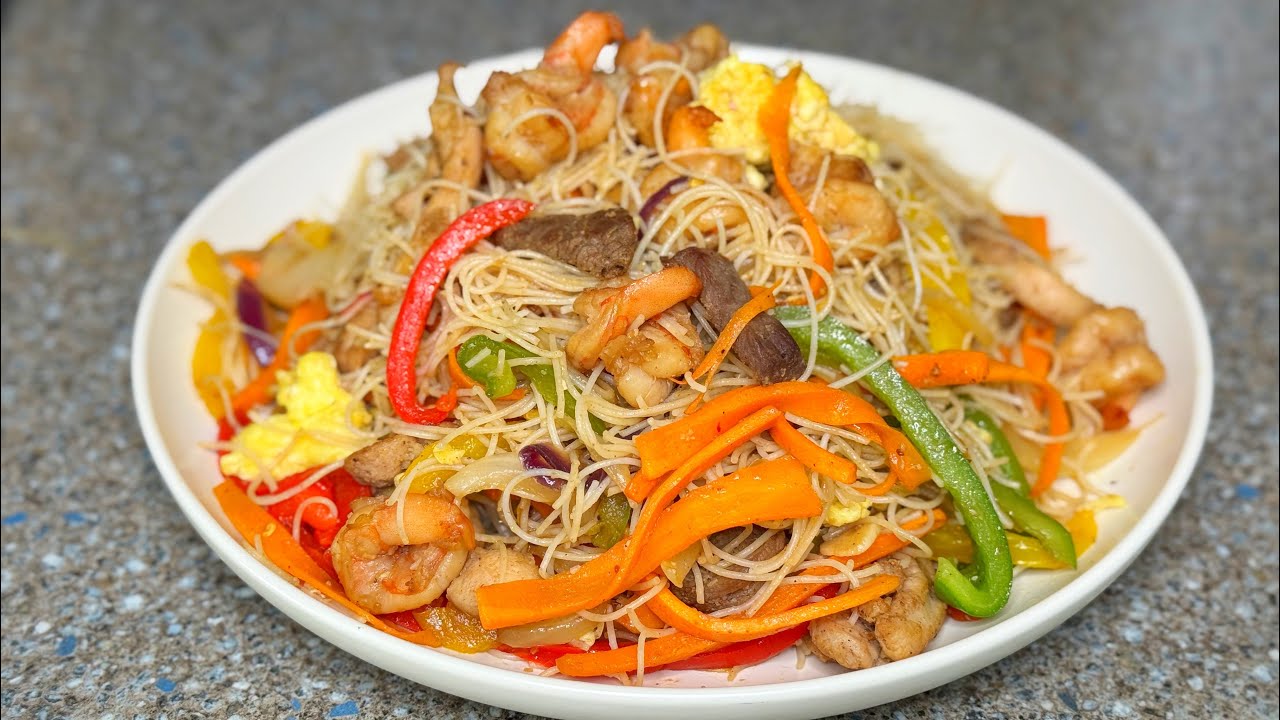
Vermicelli Noodles Recipe: Vermicelli noodles are one of those quiet kitchen heroes. They don’t shout for attention, yet they adapt to almost any flavor you throw at them. One moment they’re soaking up a savory stir-fry sauce, the next they’re floating gently in a comforting soup or anchoring a fresh, crunchy noodle bowl. If noodles had personalities, vermicelli would be the flexible, easygoing friend who fits into every group without trying too hard.
This professional, step-by-step vermicelli noodles recipe guide is designed to be comprehensive, practical, and beginner-friendly—while still offering depth for experienced home cooks. We’ll cover ingredients, preparation methods, variations, techniques, common mistakes, storage, and serving ideas, all in one place. Whether you’re cooking for a quick weekday meal, meal-prepping, or building a restaurant-style dish at home, this guide has you covered.
What Are Vermicelli Noodles?
Vermicelli noodles are thin, long noodles traditionally made from rice, wheat, or mung bean starch, depending on the cuisine. The word vermicelli comes from Italian, meaning “little worms,” a reference to their thin, thread-like shape. Not the most appetizing image—but don’t let that stop you. On the plate, they’re elegant, light, and incredibly versatile.
Across the world, vermicelli noodles appear in:
- Asian stir-fries
- Clear soups
- Noodle salads
- Fried noodle dishes
- Breakfast and dessert recipes
Their neutral flavor is their greatest strength. Think of vermicelli noodles as a blank canvas—ready to absorb spices, sauces, and aromatics like a sponge.
Why Vermicelli Noodles Are So Popular
Vermicelli noodles have earned their popularity for several reasons:
- Fast cooking time – Most vermicelli noodles cook in under 5 minutes.
- Light texture – They don’t feel heavy or starchy like thicker noodles.
- Versatility – Suitable for vegetarian, vegan, and meat-based dishes.
- Gluten-free options – Rice vermicelli is naturally gluten-free.
- Global appeal – Used across Asian, Middle Eastern, and European cuisines.
If your pantry only had one noodle type, vermicelli would be a smart choice.
Types of Vermicelli Noodles (Know Before You Cook)
Before we dive into cooking, it’s important to know which vermicelli you’re using, because preparation varies slightly.
Rice Vermicelli
- Made from rice flour
- Gluten-free
- Common in Asian dishes
- Usually soaked, not boiled
Wheat Vermicelli
- Made from wheat flour
- Slightly firmer texture
- Used in soups and stir-fries
Glass Vermicelli (Mung Bean)
- Translucent when cooked
- Very absorbent
- Often used in soups and spring rolls
This guide focuses primarily on rice vermicelli, the most widely used and beginner-friendly type.
Ingredients You’ll Need (Core Recipe)
Main Ingredients
- Vermicelli noodles (rice vermicelli preferred)
- Water (for soaking or boiling)
- Neutral cooking oil (vegetable, sunflower, or canola)
- Garlic (minced)
- Onion or shallots (thinly sliced)
Vegetables (Customizable)
- Carrots (julienned)
- Bell peppers (thinly sliced)
- Cabbage or bok choy (shredded)
- Spring onions
- Green beans or snow peas
- Mushrooms
Seasonings & Sauces
- Soy sauce or tamari
- Sesame oil
- Salt (to taste)
- Black or white pepper
- Optional chili flakes or fresh chili
Optional Protein Add-Ins
- Tofu (cubed or shredded)
- Eggs
- Shrimp
- Chicken
- Beef strips
Kitchen Tools You’ll Need
- Large bowl (for soaking noodles)
- Saucepan or kettle
- Colander or sieve
- Large skillet or wok
- Tongs or chopsticks
- Sharp knife
- Cutting board
Step-by-Step Guide to Cooking Vermicelli Noodles
Follow these steps carefully to get light, flavorful, perfectly cooked vermicelli noodles every time.
Step 1: Prepare the Vermicelli Noodles
Most rice vermicelli noodles don’t require boiling. Place dry noodles in a large bowl and pour hot (not boiling) water over them until fully submerged. Let soak for 3–5 minutes until soft but not mushy. Drain immediately and set aside.
Pro tip: If they soften too much, rinse briefly with cold water to stop cooking.
Step 2: Prepare the Vegetables
While the noodles soak, slice all vegetables thinly and evenly. Keep firmer and softer vegetables separate for proper cooking. Mince aromatics like garlic and ginger finely. Uniform cuts ensure even cooking and better texture.
Step 3: Heat the Pan
Heat a wok or large skillet over medium-high heat. Add 1–2 tablespoons oil and allow it to shimmer. A hot pan prevents soggy noodles and boosts flavor.
Step 4: Sauté the Aromatics
Add garlic and onions. Stir constantly for 30–60 seconds until fragrant. Do not let them brown—this forms the flavor base.
Step 5: Cook the Vegetables
Add firm vegetables first (such as carrots or green beans) and stir-fry for 2–3 minutes. Add softer vegetables like cabbage or bell peppers and cook until just tender but still vibrant. Avoid overcooking.
Step 6: Add the Vermicelli Noodles
Add drained noodles to the pan. Use tongs or chopsticks to gently toss over medium heat. The goal is to coat the noodles, not break them.
Step 7: Season the Noodles
Add 1–2 tablespoons soy sauce, ½ teaspoon sesame oil, and salt and pepper to taste. Toss continuously so flavors distribute evenly.
Step 8: Final Toss and Serve
Cook for 1–2 minutes only. Taste and adjust seasoning. Remove from heat once noodles are glossy and well coated. Overcooking at this stage can cause sticking and clumping.
Serve immediately for the best texture and flavor.
How to Customize Vermicelli Noodles
This is where vermicelli noodles truly shine.
Vegetarian Version
- Use mushrooms and tofu
- Add extra vegetables
- Finish with sesame seeds
Egg Vermicelli
- Push noodles aside
- Scramble eggs in the pan
- Fold gently into noodles
Protein-Rich Version
- Cook protein separately
- Add back before seasoning
- Toss gently to combine
Common Mistakes to Avoid
Over-Soaking the Noodles
Leads to mushy texture.
Adding Too Much Sauce
Vermicelli absorbs liquid quickly—less is more.
High Heat for Too Long
Breaks noodles and dries them out.
Serving Suggestions
Vermicelli noodles can be served:
- As a main dish
- As a side dish
- In lettuce wraps
- With grilled vegetables
- Alongside soups
Garnish ideas:
- Spring onions
- Sesame seeds
- Crushed peanuts
- Fresh herbs
How to Store and Reheat Vermicelli Noodles
Storage
- Refrigerate in airtight container
- Best consumed within 2 days
Reheating
- Reheat gently in a pan with a splash of water
- Avoid microwaving if possible
Nutritional Benefits of Vermicelli Noodles
- Low in fat
- Easily digestible
- Gluten-free (rice vermicelli)
- Works well with nutrient-dense vegetables
For a healthier meal, increase vegetables and reduce oil.
Vermicelli Noodles for Meal Prep
Vermicelli noodles are excellent for meal prep if:
- Stored without excess sauce
- Reheated gently
- Paired with fresh toppings after reheating
Why Homemade Vermicelli Noodles Taste Better
Homemade versions allow you to:
- Control oil and salt
- Customize flavors
- Avoid preservatives
- Achieve fresher texture
Once you master the basics, takeout becomes optional.
FAQs about Vermicelli Noodles Recipe
1. Do vermicelli noodles need boiling?
Most rice vermicelli noodles do not require boiling. Soaking them in hot water is enough to soften them perfectly.
2. Are vermicelli noodles gluten-free?
Rice vermicelli is naturally gluten-free, while wheat-based vermicelli is not. Always check the packaging to be sure.
3. Why are my vermicelli noodles sticky?
Sticky noodles are usually caused by over-soaking, overcooking, or adding too much sauce at once. Gentle tossing and short cooking time help prevent this.
4. Can I make vermicelli noodles ahead of time?
Yes, but they are best enjoyed fresh. If stored, keep them refrigerated and use within 24–48 hours for the best texture.
5. What’s the best oil for vermicelli noodles?
Neutral oils like vegetable or canola oil are ideal for cooking. Sesame oil is best used sparingly at the end for flavor, not as the main cooking oil.
Conclusion
Vermicelli noodles are proof that simplicity doesn’t mean boring. With the right technique, a few fresh ingredients, and mindful cooking, they transform into a dish that’s light, satisfying, and endlessly adaptable. Whether you prefer them stir-fried, soupy, spicy, or mild, vermicelli noodles give you the freedom to cook intuitively while still delivering professional-level results.
Master this step-by-step method once, and you’ll have a reliable noodle base you can return to again and again.