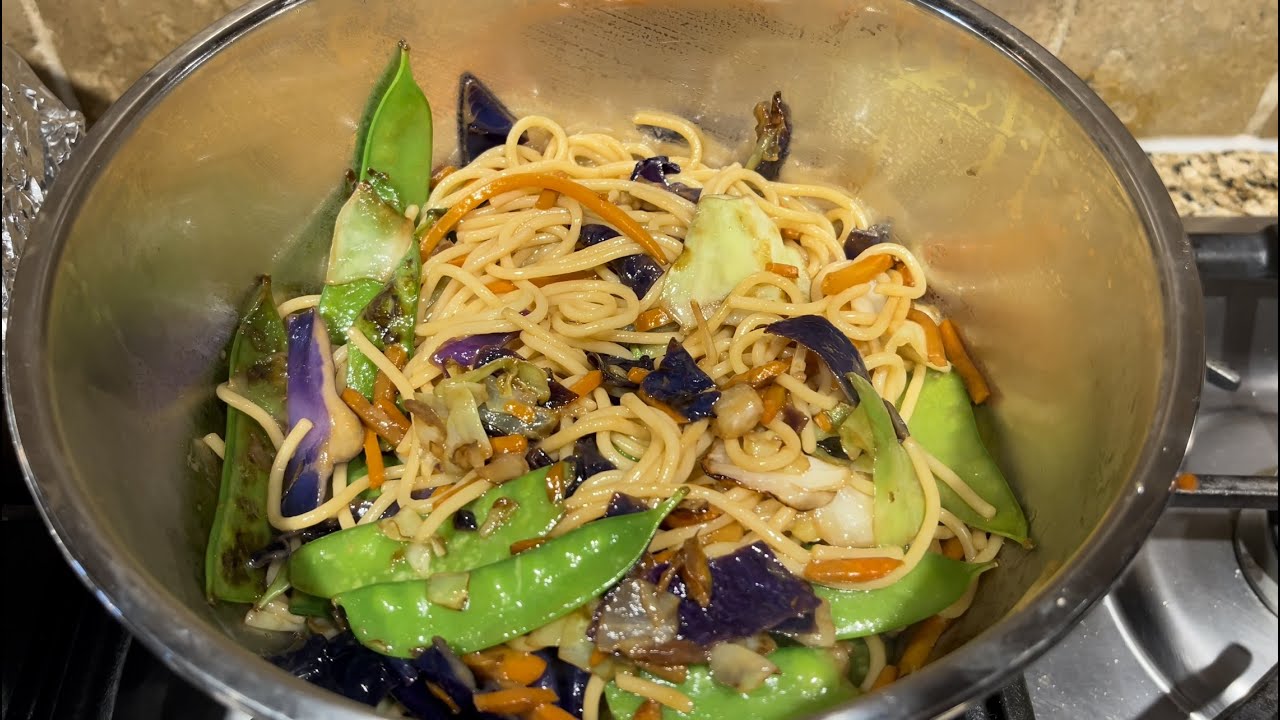
Veggie Lo Mein Recipe: There’s something magical about a plate of Veggie Lo Mein. It’s colorful, flavorful, and packed with delicious textures—from the soft noodles to the perfectly sautéed veggies and savory sauce. Whether you’re looking for a quick weeknight dinner or planning to impress guests with a homemade Asian-inspired dish, this recipe has got your back.
But what makes this dish a favorite in so many households? It’s the perfect balance of comfort and health. Plus, it’s super flexible. You can swap in your favorite veggies, add plant-based proteins, and customize the sauce just the way you like it.
In this ultimate step-by-step guide, you’ll learn exactly how to make restaurant-quality Veggie Lo Mein at home—fast, easy, and packed with flavor.
List of Ingredients You’ll Need
Let’s start with the essentials. Here’s what you’ll need to create your mouthwatering Veggie Lo Mein. Don’t worry if you don’t have everything on hand—many ingredients can be swapped based on what’s in your fridge.
Noodles
- 10 oz Lo Mein noodles (or substitute with spaghetti, soba, or ramen)
Vegetables
- 1 cup shredded carrots
- 1 bell pepper (any color), thinly sliced
- 1 cup snap peas or snow peas
- 1 cup shredded cabbage or bok choy
- ½ onion, thinly sliced
- 2–3 cloves garlic, minced
- 1 tablespoon ginger, minced
- 2 green onions, chopped (for garnish)
Sauce Ingredients
- 3 tablespoons soy sauce
- 1 tablespoon hoisin sauce
- 1 tablespoon oyster sauce (optional, skip if vegan)
- 1 tablespoon sesame oil
- ½ teaspoon sugar
- 1 tablespoon rice vinegar (or lime juice for freshness)
- 1–2 tablespoons water (to thin if needed)
Oils & Seasonings
- 2 tablespoons neutral oil (vegetable or canola oil)
- Salt and pepper to taste
- Red pepper flakes (optional, for heat)
- Toasted sesame seeds (optional, for garnish)
Optional Add-ins
- Pan-fried tofu cubes
- Tempeh strips
- Edamame
- Mushrooms (button or shiitake)
When prepping your ingredients, remember that uniform slicing helps with even cooking and presentation.
Kitchen Tools Required
Before you dive into the cooking process, make sure your kitchen is set up for success. Veggie Lo Mein is all about speed and timing, so having the right tools within arm’s reach will make your life much easier.
Here’s what you’ll need:
- Wok or Large Skillet: A wok is the best option for stir-frying because of its high sides and ability to hold heat evenly. If you don’t have one, a large non-stick skillet works too.
- Cutting Board and Sharp Knife: You’ll be slicing a variety of vegetables, so a sharp knife is essential for efficiency and safety.
- Mixing Bowls: Great for prepping and organizing chopped vegetables, tofu, or sauces.
- Tongs or Stir-Fry Spatula: These help you toss the noodles and veggies without crushing them.
- Pot and Strainer: For boiling and draining your noodles.
- Measuring Spoons and Cups: Precision is key, especially when preparing the sauce.
Getting your tools ready in advance (aka mise en place) is half the battle when it comes to stir-fry dishes like Lo Mein. Once you start cooking, things move fast—so be ready!
Choosing the Right Noodles for Lo Mein
Lo Mein literally means “tossed noodles,” so it goes without saying—the noodles are the star of the show. Choosing the right type makes a huge difference in texture, flavor, and the overall eating experience.
Best Noodles to Use:
- Traditional Lo Mein Noodles: Found in most Asian grocery stores. They’re egg noodles that are thick, chewy, and perfect for stir-frying.
- Spaghetti or Linguine: A convenient substitute if Lo Mein noodles aren’t available. Cook them al dente to mimic the chewy texture.
- Ramen Noodles: Use fresh or dried varieties, but skip the flavor packet.
- Udon Noodles: These thick Japanese noodles work well but may have a slightly different bite.
Tips for Cooking Noodles:
- Boil until just tender (al dente). Overcooked noodles will turn mushy when stir-fried.
- Rinse with cold water after boiling to stop cooking and prevent sticking.
- Drizzle with a bit of oil if you’re not using them right away—this keeps them from clumping.
Having perfectly cooked noodles is the foundation of a delicious Lo Mein dish. Undercooked, and they’re too stiff; overcooked, and they’ll fall apart.
Best Vegetables for Veggie Lo Mein
Here’s where you can really get creative. Veggie Lo Mein is the ultimate “clean out the fridge” meal, which means you can use almost any combination of vegetables—just make sure they cook quickly and retain some crunch.
Common Veggies to Use:
- Bell Peppers: Sweet and colorful—thinly sliced.
- Carrots: Julienned or shredded for quick cooking.
- Cabbage or Bok Choy: Adds a mild crunch.
- Snap Peas/Snow Peas: Give a crisp, fresh bite.
- Onions: For that slightly sweet, savory base flavor.
- Broccoli Florets: Blanch briefly before stir-frying.
Other Great Additions:
- Mushrooms (shiitake, button, or oyster)
- Zucchini or squash (cut into matchsticks)
- Baby corn
- Bean sprouts
- Water chestnuts
Tips for Veggie Prep:
- Cut evenly so everything cooks at the same pace.
- Stir-fry vegetables that take longer to cook first (like carrots or broccoli), and add softer ones later (like cabbage or mushrooms).
- Don’t overcrowd the wok. Stir-frying works best with space and high heat.
By combining colors, textures, and flavors, you’ll create a Veggie Lo Mein that’s not just tasty, but visually stunning too.
Optional Protein Add-ins
Want to make your Veggie Lo Mein a bit more filling? While this dish is incredible on its own, adding a source of plant-based protein can take it to the next level. Here are some options:
Tofu:
- Firm or Extra-Firm Tofu is best for stir-frying.
- Press the tofu for 15–20 minutes to remove moisture.
- Cut into cubes and pan-fry until golden before adding to the stir-fry.
Tempeh:
- Nutty and dense, tempeh adds a unique flavor and texture.
- Slice thin and pan-sear with soy sauce and a bit of maple syrup for added flavor.
Edamame:
- Shelled edamame adds protein and a pop of color.
- Steam or boil before adding.
Plant-Based Meat Alternatives:
- Products like seitan or soy curls work well.
- Cook separately and stir in during the final toss with sauce.
Adding protein not only boosts nutrition but also keeps you fuller for longer—making this dish a complete and satisfying meal.
Creating the Signature Lo Mein Sauce
Now for the magic that ties it all together—the sauce. This is where you can truly customize your Veggie Lo Mein to your taste preferences. Want it spicy? Sweet? Tangy? It’s all in the mix.
Basic Sauce Recipe:
- 3 tbsp soy sauce (or tamari for gluten-free)
- 1 tbsp hoisin sauce (adds sweetness and depth)
- 1 tbsp oyster sauce (or mushroom sauce for vegan)
- 1 tbsp sesame oil (for that nutty aroma)
- ½ tsp sugar (balances the saltiness)
- 1 tbsp rice vinegar or lime juice (adds brightness)
- Optional: 1 tsp chili paste or sriracha for heat
Mixing Tips:
- Combine all ingredients in a bowl and whisk until smooth.
- Taste and adjust before adding to the stir-fry.
- Add 1–2 tablespoons of water if you want a thinner sauce.
Flavor Variations:
- Sweet & Spicy: Add a dash of maple syrup and chili flakes.
- Garlic Lover’s Sauce: Add more minced garlic and a touch of ginger juice.
- Creamy Peanut Lo Mein: Stir in a spoonful of peanut butter and hot water for a rich, nutty twist.
The sauce is where you can be bold—don’t be afraid to experiment until you find your perfect balance.
Prep Work Before Cooking
Want to know the secret to a smooth stir-fry experience? It’s all about the prep. Veggie Lo Mein comes together in minutes once the heat is on, so having everything prepped beforehand is crucial. No one wants to be chopping veggies while the garlic is burning in the pan!
Here’s what you should do before you start cooking:
1. Cook and Drain the Noodles
- Boil your noodles according to the package directions, but always aim for al dente—you’ll be cooking them again in the pan.
- Rinse them under cold water to stop the cooking process and prevent sticking.
- Toss with a teaspoon of sesame oil or neutral oil to keep them loose and glossy.
2. Chop All Your Veggies
- Uniform slices help everything cook evenly and look professional.
- Separate your veggies into categories: hard vegetables like carrots and broccoli (which take longer to cook) and soft vegetables like cabbage and mushrooms (which cook quickly).
3. Mix Your Sauce
- Whisk all your sauce ingredients together in a small bowl or jar.
- Taste-test! This is your chance to adjust saltiness, sweetness, or heat levels before the action starts.
4. Set Up Your Cooking Station
- Place everything near your stove: chopped veggies, cooked noodles, protein (if using), sauce, and utensils.
- Remember: Once the wok gets hot, things move FAST. You don’t want to be reaching into the fridge halfway through the stir-fry.
Doing this prep work ahead of time will make the actual cooking process fun, fast, and stress-free. Trust me—future you will thank you!
Step-by-Step Guide to Making Veggie Lo Mein
Now for the part you’ve been waiting for—let’s cook! This step-by-step method will help you get those perfectly stir-fried noodles bursting with flavor, just like your favorite takeout (but healthier and cheaper!).
Step 1: Heat Your Wok or Skillet
Place a large wok or wide skillet over medium-high heat. Let it heat until hot but not smoking. Add a tablespoon of neutral oil (like vegetable or peanut oil) and swirl to coat the surface evenly. A hot pan is key to achieving that classic takeout-style flavor.
Step 2: Cook the Aromatics
Add minced garlic, grated ginger, and sliced green onions to the hot oil. Stir-fry for about 20–30 seconds until fragrant. Keep things moving so the aromatics don’t burn—this quick step builds the flavor foundation of your veggie lo mein.
Step 3: Add the Vegetables
Toss in your vegetables, starting with firmer ones like carrots, broccoli, or bell peppers, followed by softer veggies like mushrooms, snap peas, or cabbage. Stir-fry for 3–4 minutes until the vegetables are tender-crisp. You want them cooked but still vibrant and slightly crunchy.
Step 4: Toss in the Noodles
Add your cooked and drained lo mein noodles to the pan. Use tongs or chopsticks to gently lift and toss the noodles with the vegetables. This helps prevent clumping and ensures everything mixes evenly.
Step 5: Pour the Sauce and Stir-Fry Everything
Drizzle your prepared lo mein sauce (typically soy sauce, sesame oil, a touch of sugar, and optional hoisin) over the noodles and vegetables. Stir-fry for another 1–2 minutes, tossing continuously so the sauce coats every strand and veggie evenly.
Step 6: Taste and Adjust Seasoning
Give it a quick taste. Adjust with more soy sauce for saltiness, a splash of water if it’s too dry, or a dash of sesame oil for extra aroma. Once balanced, remove from heat and serve hot.
Tips for the Perfect Stir-Fry Texture
So, how do restaurants get that irresistible combo of crispy veggies and chewy noodles? It all comes down to technique. Here are some pro tips to elevate your Lo Mein game:
Use High Heat
- A hot wok or skillet sears ingredients quickly, locking in flavor and texture.
- Don’t be afraid of the sizzle—it’s what you want!
Cook in Batches
- If you’re making a large portion, don’t overcrowd your pan.
- Stir-fry veggies in smaller batches to avoid steaming them (which makes them soggy).
Dry Ingredients = Better Sear
- Make sure your noodles and veggies are dry before they hit the wok.
- Water = steam, and steam = mushy stir-fry.
Minimal Stirring at First
- Let your noodles or veggies sit for a few seconds to develop a slight char.
- This adds that classic “wok hei” (the smoky flavor from high-heat stir-frying).
Finish with Freshness
- A drizzle of sesame oil or a squeeze of lime just before serving can make all the difference.
Mastering stir-fry is like learning a dance—once you get the rhythm, you’ll never miss a beat.
Serving Suggestions
Veggie Lo Mein is amazing on its own, but you can take your meal to a whole new level by pairing it with the right sides or toppings. Whether you’re feeding a crowd, prepping meals for the week, or enjoying a solo dinner, the way you serve it can totally transform the experience.
Pairing Ideas:
- Spring Rolls or Dumplings: Add a crispy side for contrast. Vegetable spring rolls or potstickers make a great combo with the soft noodles.
- Soup: A light soup like miso or hot and sour complements the flavors without overwhelming them.
- Asian Slaw: If you’re looking to keep it light, a crunchy slaw with sesame dressing adds a refreshing bite.
- Fried Rice: For a more indulgent feast, pair with veggie fried rice or tofu fried rice.
Toppings That Boost Flavor:
- Toasted Sesame Seeds: Add a subtle nutty crunch.
- Chopped Peanuts or Cashews: Great if you want extra texture and richness.
- Fresh Cilantro or Basil: Herbs brighten the dish and make it feel fresh.
- Sriracha or Chili Oil: Perfect for spice lovers who want to dial up the heat.
Presentation Tips:
- Use shallow bowls or large plates to show off the colorful veggies.
- Garnish with green onions and lime wedges for restaurant-style plating.
- Serve hot and fresh for the best taste and texture.
No matter how you serve it, Veggie Lo Mein is endlessly versatile. Dress it up for guests or keep it cozy and casual—it’s always a winner.
Making It Ahead of Time
One of the best things about Veggie Lo Mein is that it holds up beautifully for leftovers, making it a fantastic option for meal prep or next-day lunches. That said, there are a few things to keep in mind to keep your noodles fresh and flavorful.
Storage Tips:
- Fridge: Store in an airtight container for up to 4 days.
- Freezer: While you can freeze Veggie Lo Mein, the texture of the noodles may change. If freezing, use thicker noodles and undercook slightly.
- Separate Sauce (Optional): If you’re prepping in advance, you can store the sauce separately and stir-fry everything when you’re ready to eat.
Reheating Instructions:
- Stovetop: The best method. Heat a skillet with a splash of oil or water and stir-fry until heated through.
- Microwave: Use a microwave-safe container and cover with a damp paper towel to prevent the noodles from drying out.
Meal Prep Tips:
- Divide into individual portions for grab-and-go lunches.
- Add protein like tofu or tempeh to make each serving a full, balanced meal.
- Keep toppings like peanuts or herbs separate and add just before eating.
Veggie Lo Mein is one of those dishes that almost tastes better the next day—especially after the sauce has soaked into the noodles.
Variations of Veggie Lo Mein
Once you’ve nailed the classic version, you can let your creativity run wild! There are so many fun variations of Veggie Lo Mein that allow you to switch things up and keep the dish exciting.
1. Spicy Szechuan Lo Mein
- Add chili oil, crushed red pepper, or a spoon of Szechuan peppercorn sauce for a bold, tingly heat.
- Great for spice lovers who enjoy that unmistakable kick.
2. Peanut Butter Lo Mein
- Add 1–2 tablespoons of peanut butter to the sauce for a creamy, nutty twist.
- Pair with broccoli, carrots, and tofu for a hearty, protein-packed meal.
3. Thai-Inspired Lo Mein
- Use lime juice, tamari, and a splash of coconut milk in the sauce.
- Garnish with Thai basil, cilantro, and chopped peanuts.
4. Mushroom Lover’s Lo Mein
- Use a variety of mushrooms like shiitake, cremini, and oyster.
- Cook them down until golden brown for deep umami flavor.
5. Gluten-Free Lo Mein
- Use gluten-free noodles like rice noodles or 100% buckwheat soba.
- Make sure your soy sauce is gluten-free (tamari is a great option).
These variations make it easy to enjoy Lo Mein multiple times a week without ever getting bored.
Common Mistakes to Avoid
Even though Veggie Lo Mein is a beginner-friendly dish, there are a few common mistakes that can mess with the taste or texture. Here’s what to watch out for:
1. Overcooking the Noodles
- Mushy noodles will ruin the dish.
- Always cook them al dente, and rinse in cold water to stop the cooking.
2. Soggy Vegetables
- Stir-fry on high heat and cook in batches if necessary.
- Use a wide pan and don’t overcrowd it—steam is the enemy here.
3. Too Much Sauce
- Over-saucing can drown the noodles and make the dish oily or salty.
- Start with less and add more if needed.
4. Skipping the Aromatics
- Garlic and ginger form the flavor base of your stir-fry.
- Don’t skip them, and make sure they’re cooked just right—fragrant, not burnt.
5. Using Cold Pan
- A cold pan won’t stir-fry—it’ll steam.
- Wait until the oil is hot and shimmering before adding your ingredients.
Avoid these pitfalls, and your Veggie Lo Mein will turn out perfectly every single time.
Health Benefits of Veggie Lo Mein
Who says comfort food can’t be healthy? Veggie Lo Mein is proof that you can enjoy bold, satisfying flavors while still fueling your body with nutrients.
1. Packed with Veggies
- This dish is loaded with colorful vegetables that are rich in vitamins, minerals, and antioxidants.
- Think vitamin A from carrots, vitamin C from bell peppers, and fiber from cabbage and snap peas.
2. Lower in Fat
- When made at home, you control the oil and avoid greasy takeout versions.
- You can make it low-fat or even oil-free if needed.
3. Balanced Macros
- Carbs from noodles, fiber from veggies, and protein from tofu or edamame make this a balanced meal.
- Great for plant-based eaters who want a filling, complete dish.
4. Customizable for Any Diet
- Easily made vegan, gluten-free, or low-sodium with a few ingredient swaps.
- Great for people with dietary restrictions who still want flavor.
Eating well doesn’t mean sacrificing taste—and Veggie Lo Mein proves that in every bite.
FAQs about Veggie Lo Mein Recipe
1. Can I use spaghetti instead of Lo Mein noodles?
Yes! Spaghetti or linguine is a great substitute. Just be sure to cook it al dente and rinse it well to stop the cooking process before stir-frying.
2. How long does Veggie Lo Mein last in the fridge?
It lasts up to 4 days in an airtight container. Just make sure to let it cool before storing.
3. Can I freeze Veggie Lo Mein for later?
You can, but the texture of the noodles may change slightly. If you do freeze it, use thicker noodles and reheat with a bit of oil or broth.
4. Is Veggie Lo Mein vegan and gluten-free?
It can be! Use gluten-free noodles and tamari instead of soy sauce, and skip any sauces with animal products like oyster sauce.
5. How do I make the dish spicier?
Add sriracha, chili paste, or red pepper flakes to the sauce or as a topping. You can also drizzle with chili oil before serving.
Conclusion
There you have it—your complete, step-by-step guide to making Veggie Lo Mein at home. It’s simple, quick, customizable, and packed with flavor. Whether you’re a beginner in the kitchen or a seasoned home cook, this dish is sure to become a staple in your recipe rotation.
No more soggy takeout or bland noodles. With this guide, you can whip up a dish that’s not only satisfying but also healthy and fresh. From prep to plate, Veggie Lo Mein is a recipe that delivers every single time.
So go ahead—grab that wok, fire up the stove, and toss together something delicious tonight. You deserve it!