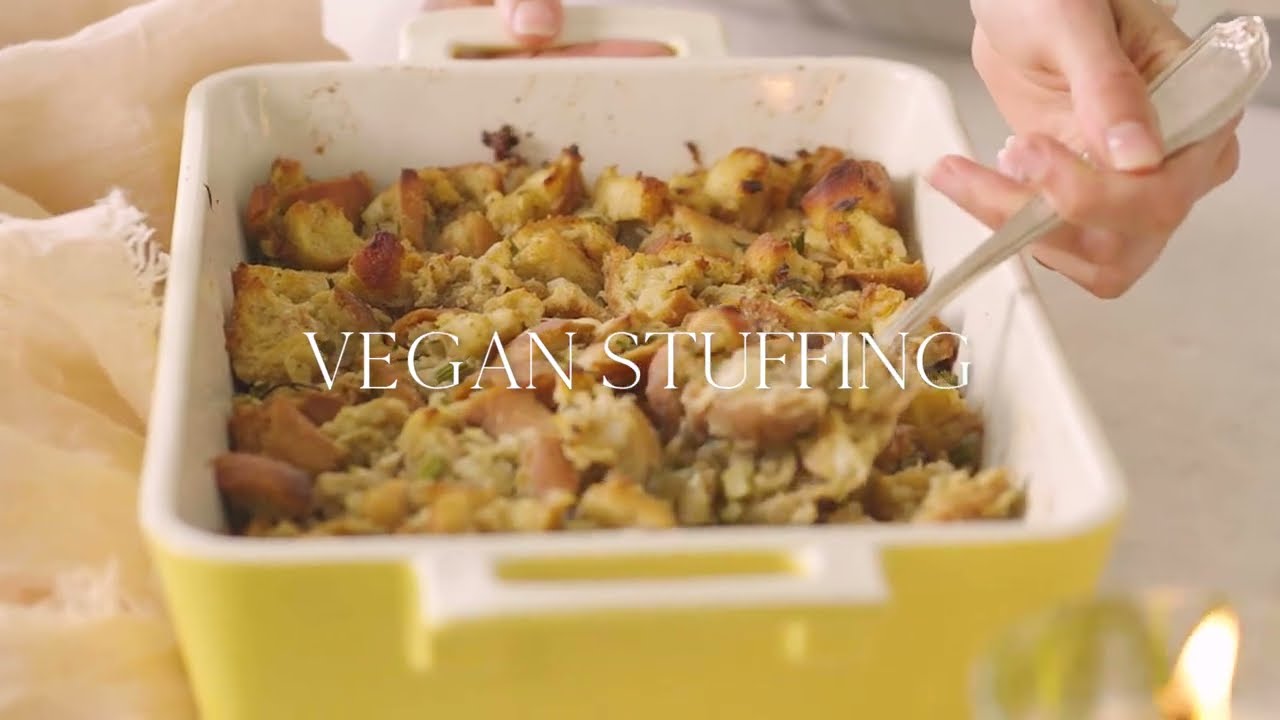
Vegetarian Stuffing Recipe: Looking to upgrade your holiday table or add a new go-to side dish to your weeknight dinner rotation? You’re in the right place. This Vegetarian Stuffing Recipe is savory, satisfying, and packed with flavor – minus the meat. Whether you’re vegetarian, cooking for one, or just looking to try something new, this stuffing is sure to be a hit.
Let’s get into everything you need to know – from ingredients to step-by-step instructions – to make this delicious dish at home.
Ingredients You’ll Need
Before you start prepping or chopping, make sure you’ve gathered all the ingredients. Here’s what you’ll need:
Basic Ingredients:
- 1 loaf of day-old bread, cut into cubes (sourdough, French bread, or whole wheat work well)
- 2 tablespoons olive oil or unsalted butter
- 1 large onion, finely chopped
- 3 stalks celery, chopped
- 2 carrots, peeled and diced
- 3 cloves garlic, minced
- 2 cups vegetable broth (low sodium)
- 1 teaspoon salt
- ½ teaspoon black pepper
- 2 tablespoons fresh parsley, chopped
- 1 teaspoon dried sage
- 1 teaspoon dried thyme
- 1 teaspoon rosemary
- Optional: 1 egg (helps bind, but skip for vegan)
Optional Add-ins:
- ½ cup dried cranberries or raisins
- ½ cup chopped nuts (pecans, walnuts)
- 1 cup mushrooms, sautéed
- 1 small apple, diced
- Dash of nutmeg for warmth
Ingredient Notes:
- Bread: The key to perfect texture. Use bread that’s been sitting out for at least a day. Toasting it in the oven works too.
- Broth: Use homemade or store-bought veggie broth. For richer flavor, simmer broth with herbs for 10 minutes before using.
- Herbs: Fresh is great, but dried works well too. Sage is the standout star for classic stuffing flavor.
- Vegan options: Use olive oil instead of butter, skip the egg, and check your broth label.
This recipe is incredibly flexible. You can keep it classic or play around with add-ins to make it your own.
Benefits of Making Vegetarian Stuffing at Home
So, why bother making your own stuffing from scratch – especially vegetarian? Because homemade always wins. Here’s why:
- Control Over Ingredients: No hidden meat-based broths or preservatives. You know exactly what’s going in your body.
- Healthier Choice: Lower in fat and cholesterol than traditional sausage stuffing.
- Eco-Friendly: Reducing meat intake helps lower your carbon footprint.
- Customization: Add more veggies, herbs, or adjust seasoning to your taste.
- Impressive Results: This is the kind of dish that gets people asking for the recipe.
Plus, it’s a great way to use up old bread and reduce food waste. Honestly, it’s the kind of comfort food you’ll crave year-round.
Preparation Steps Before Cooking
Choose the Right Bread
Bread is the backbone of stuffing. The best texture comes from using hearty bread that holds up when moistened. Go for:
- Sourdough for a tangy flavor
- French baguette for a chewy texture
- Whole grain for added fiber and earthiness
Cube the bread into bite-sized pieces and let it sit out overnight on a tray to dry out. In a rush? Toast the cubes in the oven at 300°F (150°C) for 20-30 minutes, tossing halfway through.
Dry bread absorbs broth better and gives your stuffing that iconic moist-inside, crisp-top texture.
Vegetable Prep Work
Don’t skip the veggies! They add texture, flavor, and nutrition. The classic trio is:
- Onions: Sweet and savory
- Celery: Crunch and freshness
- Carrots: Subtle sweetness and color
Dice everything evenly for consistent cooking. Sautéing them before mixing into the stuffing brings out deeper flavor. Feel free to add extras like mushrooms or leeks if you want to shake things up.
Herbs and Seasonings
Herbs make the magic happen. Sage is the hero – no stuffing feels complete without it. Combine with thyme, parsley, and rosemary for that familiar, comforting aroma.
You can use fresh or dried:
- Fresh herbs: Add during cooking and as a garnish
- Dried herbs: More concentrated; use less than fresh
Taste as you go and don’t forget salt and pepper – seasoning is key to flavor balance.
Step-by-Step Guide to Make Vegetarian Stuffing
Now that you’ve prepped all your ingredients and have everything ready, let’s go step-by-step to make this flavorful, golden-baked vegetarian stuffing. Don’t rush it—each step brings out another layer of taste and texture.
Step 1: Preheat and Prepare the Bread Cubes
Preheat the oven to 350°F (175°C). Cut day-old bread into bite-sized cubes and spread them on a baking tray. Toast for 10–15 minutes, stirring once, until dry and lightly golden. This helps the bread absorb flavor without becoming mushy.
Step 2: Sauté the Aromatics (Onion, Celery, Carrot, Garlic)
Heat butter or olive oil in a large pan over medium heat. Add chopped onion, celery, and carrot, and cook for 5–7 minutes until softened. Stir in minced garlic and cook for another 30 seconds until fragrant.
Step 3: Add Herbs and Seasonings
Stir in chopped fresh herbs such as sage, thyme, and parsley, or use dried herbs if preferred. Season with salt, black pepper, and a pinch of nutmeg or poultry seasoning. Cook briefly to release the herb aromas.
Step 4: Combine Bread with the Veggie Mixture
Transfer the toasted bread cubes to a large bowl. Pour the sautéed vegetable mixture over the bread and gently toss to distribute everything evenly.
Step 5: Add Broth and Mix Thoroughly
Gradually add warm vegetable broth, mixing gently until the bread is moist but not soggy. Adjust the amount of broth based on your preferred texture.
Step 6: Transfer to Baking Dish
Lightly grease a baking dish and spoon the stuffing mixture into it. Spread evenly and press lightly to level the top.
Step 7: Cover and Bake (First Round)
Cover the dish with foil and bake for 25 minutes. This allows the flavors to meld and the stuffing to heat through evenly.
Step 8: Uncover and Bake for Crispy Top
Remove the foil and bake for an additional 15–20 minutes until the top is golden and slightly crisp.
Step 9: Garnish and Serve
Garnish with fresh parsley and serve warm as a comforting side dish for holidays or family meals.
Optional Add-Ins for Extra Flavor
Looking to mix it up? Here are a few creative add-ins that can take your vegetarian stuffing to another level:
| Add-In | Why It Works |
|---|---|
| Mushrooms | Add a meaty texture and umami flavor |
| Dried Cranberries | A pop of sweetness and color |
| Chopped Apples | Sweet-tart balance and extra moisture |
| Toasted Nuts | Crunch and earthy richness (pecans, walnuts) |
| Chestnuts | A classic holiday addition |
| Vegan Sausage Crumbles | For a more hearty, meat-like dish |
Just be sure not to overload the mixture. Pick 1–2 extras and mix them in evenly to maintain balance.
Tips to Make the Perfect Vegetarian Stuffing
Even though stuffing seems simple, there are a few tricks to getting it just right. Here’s how to avoid common mistakes and make your stuffing taste like it came from a pro kitchen.
1. Balance Moisture Levels
The most common stuffing fail? Either too dry or too soggy. Here’s how to find the sweet spot:
- Use day-old bread or toast it to ensure it absorbs broth well.
- Add broth gradually, tossing as you go. Stop when the cubes are moist but not drenched.
- Let the mixture sit for 5–10 minutes before baking, so the broth is fully absorbed.
2. Toast the Bread Cubes
Never skip this step. Toasting boosts flavor and ensures the bread doesn’t collapse into mush. It also gives your stuffing a little bite—essential for great texture.
3. Don’t Overmix
Toss your stuffing gently. Overmixing breaks down the bread and turns it into a dense, mushy casserole instead of a fluffy stuffing.
4. Bake in Layers
If you love the crunchy top, consider spreading the stuffing in a thinner layer or using a larger baking dish. Want it extra crispy? Place it under the broiler for the last 2–3 minutes—but keep a close eye!
5. Make It Ahead
Yes, you can absolutely make this ahead of time:
- Prepare the entire mixture and store it in the fridge overnight, tightly covered.
- Add a splash more broth before baking to refresh moisture.
- Bake as directed when ready to serve.
Freezer-friendly too! Just cool completely, portion into containers, and freeze for up to 1 month.
Variations You Can Try
Once you’ve mastered the basic recipe, feel free to experiment. Vegetarian stuffing is super versatile. Here are some exciting variations:
Vegan Stuffing
Want to make it 100% plant-based? Easy:
- Skip the egg
- Use olive oil instead of butter
- Double-check your broth is vegan
- Add extra veggies or mushrooms for richness
You won’t miss the animal products—promise.
Gluten-Free Stuffing
Gluten-free friends, rejoice! You can still enjoy stuffing:
- Use your favorite gluten-free bread, toasted and cubed
- Check your broth label for hidden gluten
- Bake the same way—just handle the bread gently, as gluten-free versions are more delicate
Mediterranean-Style Stuffing
Give your stuffing a Mediterranean twist:
- Add sun-dried tomatoes, kalamata olives, and feta cheese
- Use oregano and basil instead of sage and thyme
- Garnish with fresh parsley and lemon zest
It’s like stuffing took a vacation to Greece.
Wild Rice and Bread Mix
For extra texture and nutrition, mix in cooked wild rice with your bread cubes. It brings a nutty flavor and makes the stuffing more filling.
What to Serve With Vegetarian Stuffing
Stuffing doesn’t need to be saved for holidays—it pairs beautifully with lots of everyday meals. Here are some delicious ideas:
Holiday Meals
- Roasted vegetables (Brussels sprouts, carrots, squash)
- Mashed potatoes and gravy
- Stuffed acorn squash
- Vegetarian roast or lentil loaf
- Green bean casserole
Weeknight Dinners
- Creamy soups like tomato basil or butternut squash
- Grilled tofu or tempeh
- Salad and stuffing combo (try arugula, cranberry, walnut salad)
- Baked sweet potatoes
Stuffing is one of those dishes that brings comfort and flavor to anything it touches.
Storing and Reheating Leftovers
Made too much? That’s a good thing—stuffing is even better the next day.
Storage Tips:
- Let it cool completely before storing
- Transfer to an airtight container
- Keep in the fridge for up to 4 days
- Or freeze for up to 1 month
Reheating Instructions:
- Reheat in the oven at 350°F (175°C) for 20–25 minutes, covered with foil
- For crispier texture, uncover for the last 5 minutes
- Add a splash of broth before reheating if it feels dry
Microwave Option:
Microwave individual portions in 30-second bursts, covered with a damp paper towel to retain moisture.
FAQs about Vegetarian Stuffing Recipe
1. Can I make vegetarian stuffing ahead of time?
Yes! You can prepare it up to a day in advance. Assemble the stuffing, cover tightly, and store in the fridge. When ready to bake, add a bit more broth and cook as directed.
2. What can I use instead of eggs or butter to make it vegan?
You can use olive oil or vegan butter instead of regular butter. Skip the egg entirely, or use a flax egg (1 tablespoon ground flaxseed + 2.5 tablespoons water) if you want a binder.
3. How do I keep stuffing moist but not soggy?
Use day-old or toasted bread, and add broth gradually. Toss gently, and let the mixture rest before baking to absorb moisture evenly. Avoid overmixing or over-soaking.
4. Can I cook this stuffing inside a vegetable (like squash or peppers)?
Absolutely! Scoop out acorn squash or bell peppers, fill them with stuffing, and bake. It makes for a beautiful and delicious individual serving option.
5. What bread is best for vegetarian stuffing?
Go for hearty bread like sourdough, French baguette, whole wheat, or even cornbread. Avoid overly soft sandwich bread—it turns mushy.
Conclusion
There you have it—a flavorful, hearty, and easy Vegetarian Stuffing Recipe that proves you don’t need meat to make a crowd-pleasing dish. Whether you’re cooking for the holidays, hosting friends, or just want a comforting side, this stuffing delivers every time.
Remember, stuffing isn’t just for turkeys or Thanksgiving tables. It’s an all-year-round comfort food that’s easy to customize, fun to make, and even better to eat.
So go ahead—grab that loaf of bread, chop those veggies, and make a batch of stuffing that’ll have everyone going back for seconds. Or thirds. We won’t judge.