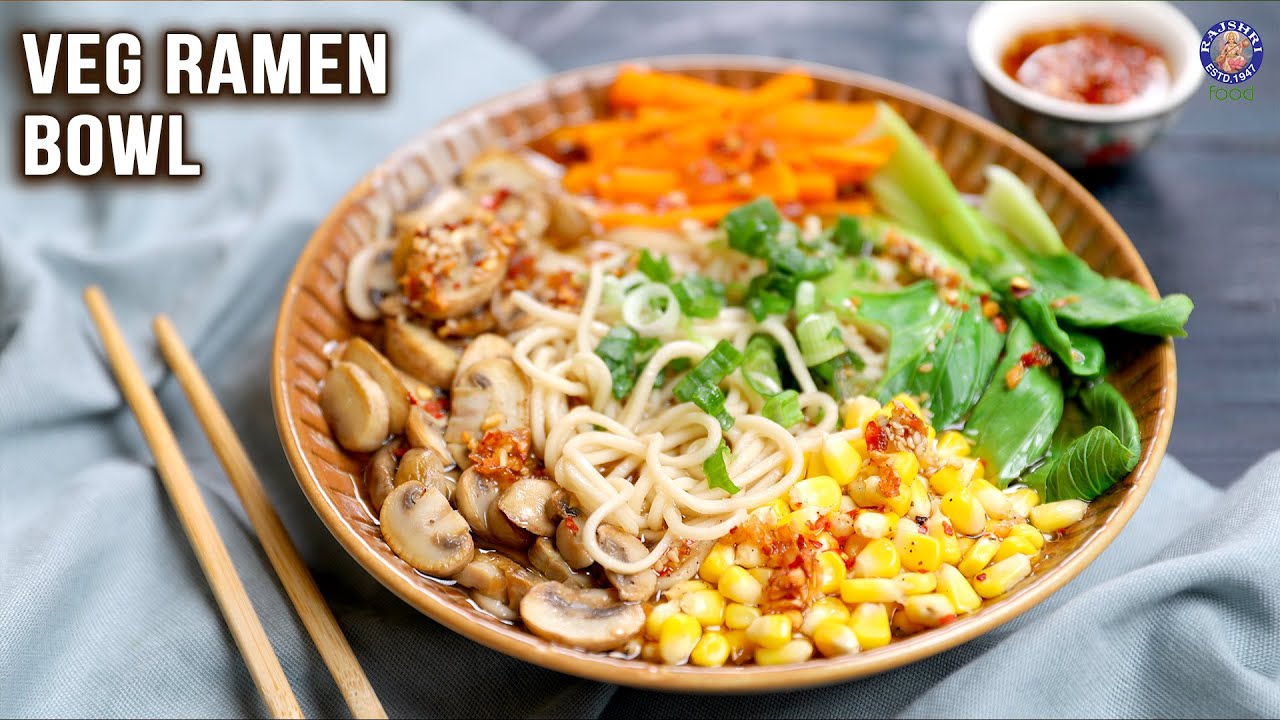
Vegetarian Ramen Recipe: Ramen isn’t just a quick meal for students anymore—it has evolved into a culinary art form, and vegetarian ramen is at the heart of this change. This comforting bowl of noodles combines rich flavors, hearty vegetables, and a warm broth that soothes both body and soul. More than just food, ramen represents a culture of slow cooking, patience, and creativity in the kitchen.
Why is vegetarian ramen so popular? Because it offers a delicious, wholesome option that doesn’t compromise on taste while staying meat-free. Unlike instant ramen, which relies on artificial flavor packets, homemade vegetarian ramen is crafted with fresh ingredients that give you full control over flavor, nutrition, and spice levels.
Think of it like building layers of taste—savory broth, tender noodles, crisp veggies, and a finishing touch of garnishes. Whether you’re vegan, vegetarian, or simply want a lighter alternative to meat-based ramen, this dish hits the sweet spot between health and indulgence. It’s the perfect balance of umami and freshness in every spoonful.
Ingredients You’ll Need for Vegetarian Ramen
The magic of a great vegetarian ramen lies in the ingredients. Each component brings something unique to the dish, so choose fresh, high-quality items whenever possible. Here’s a detailed list of what you’ll need:
Fresh Vegetables for Flavor
Vegetables not only add texture but also help infuse the broth with natural sweetness and depth. Common options include:
- Carrots – add sweetness and color
- Baby spinach or bok choy – for freshness
- Mushrooms (shiitake or cremini) – provide a meaty texture and umami
- Corn kernels – for a touch of natural sweetness
- Green onions – perfect as a garnish
Broth Essentials
The broth is the soul of ramen. For vegetarian ramen, you’ll want a deep, umami-packed base:
- Vegetable stock – homemade or store-bought
- Soy sauce or tamari – for salty richness
- Miso paste – adds creaminess and depth
- Garlic and ginger – aromatic essentials
- Sesame oil – a nutty undertone
Noodles and Toppings
- Ramen noodles – fresh or dried (choose thin, curly ones for authenticity)
- Soft-boiled eggs (optional for vegetarians) – add creaminess
- Seaweed (nori sheets) – boosts flavor and presentation
- Chili oil or sriracha – for spice lovers
- Tofu (fried or grilled) – a protein-packed topping
Optional Add-Ons for Extra Taste
Want to make your ramen extra special? Add these:
- Peanuts or sesame seeds – for crunch
- Lime juice – for a zesty kick
- Pickled vegetables – add tanginess
By gathering these ingredients, you set the stage for a restaurant-quality bowl of ramen made right in your kitchen.
Step-by-Step Guide to Making Vegetarian Ramen
Step 1 – Preparing the Vegetables
The first step is to wash and chop your vegetables. Slice the carrots thinly for easy cooking, chop mushrooms into bite-sized pieces, and separate the leaves of bok choy. Preparation is key because ramen comes together quickly once you start cooking.
Step 2 – Making the Broth
In a large pot, sauté garlic and ginger in sesame oil until fragrant. Add vegetable stock, soy sauce, and miso paste. Let it simmer for at least 20–25 minutes to allow the flavors to blend. For extra depth, add dried shiitake mushrooms while simmering.
Step 3 – Cooking the Noodles
Cook the ramen noodles separately according to package instructions. Drain and rinse lightly with cold water to stop cooking. This prevents soggy noodles later.
Step 4 – Assembling the Ramen Bowl
Divide noodles into bowls, pour the hot broth over them, and then layer your veggies and toppings. Arrange everything neatly to give it that restaurant-style presentation.
Step 5 – Garnishing and Serving
Finish with garnishes like green onions, chili oil, sesame seeds, or seaweed. If using eggs, cut them in half and place them gently on top. Serve hot and enjoy immediately.
Pro Tips for the Best Vegetarian Ramen
Making ramen at home doesn’t have to be intimidating. Here are some golden tips:
- Use fresh noodles whenever possible.
- Don’t rush the broth; simmering is what creates depth of flavor.
- Experiment with toppings—try crispy tofu, roasted corn, or sautéed mushrooms.
Variations of Vegetarian Ramen
Spicy Vegetarian Ramen
If you’re a spice enthusiast, this variation is made for you. Spicy vegetarian ramen blends the comforting flavors of traditional broth with a fiery kick. You can achieve this by adding chili paste, chili oil, sriracha, or fresh red chilies while simmering your broth. The heat pairs beautifully with earthy mushrooms and leafy greens, giving your ramen a bold personality. For extra layers of flavor, drizzle sesame oil before serving and garnish with crushed peanuts or toasted sesame seeds. A squeeze of lime also balances the spice with a hint of tang.
Creamy Miso Ramen
For those who crave a rich and velvety texture, creamy miso ramen is the perfect choice. The base combines miso paste, coconut milk (or oat milk for a lighter touch), and vegetable broth to create a smooth, comforting broth. This version is thicker, almost like a cross between soup and stew, making it incredibly satisfying on cold days. Pair it with sautéed mushrooms, bok choy, and ramen noodles for a hearty meal. The creamy miso broth hugs every strand of noodle, ensuring every bite is packed with flavor.
Gluten-Free or Low-Carb Ramen
If you’re on a gluten-free or low-carb diet, don’t worry—you can still enjoy ramen. Replace regular noodles with rice noodles, zucchini noodles (zoodles), or shirataki noodles. The broth remains the same, rich and flavorful, but the noodles adjust to fit your dietary needs. To make it even lighter, use plenty of vegetables like cabbage, bean sprouts, and spinach to bulk up the bowl without relying on carbs. This way, you can enjoy a guilt-free ramen night without sacrificing taste.
Nutritional Value of Vegetarian Ramen
Calories and Macronutrients
Vegetarian ramen can be as light or as indulgent as you want it to be. A typical serving ranges between 400–600 calories depending on the broth and toppings. The bulk of the calories come from noodles, so if you’re watching your intake, opt for whole-grain or low-carb alternatives.
Protein and Fiber Content
Vegetarian ramen is surprisingly rich in protein when you add ingredients like tofu, edamame, or soft-boiled eggs. Mushrooms also contribute a meaty texture with added nutrients. Fiber comes from vegetables like carrots, bok choy, and spinach, which not only aid digestion but also keep you full longer.
Vitamins and Minerals
Thanks to the variety of vegetables, vegetarian ramen is a powerhouse of vitamins A, C, and K, along with essential minerals like iron, potassium, and magnesium. The broth, especially when simmered with mushrooms and seaweed, provides natural sources of iodine and antioxidants. It’s not just a comfort meal—it’s nourishing fuel for your body.
Common Mistakes to Avoid
Overcooking the Noodles
Nothing ruins ramen faster than mushy noodles. Always cook them separately from the broth and rinse them in cold water to stop the cooking process. Add them to the broth just before serving for the best texture.
Weak or Bland Broth
A thin, flavorless broth is a common mistake. To prevent this, make sure to simmer the broth long enough to allow garlic, ginger, miso, and soy sauce to release their full flavor. Adding mushrooms or kombu (dried kelp) can also intensify the umami.
Using Too Many Toppings
It’s tempting to load your ramen with everything you can find, but too many toppings can overwhelm the broth and noodles. The key to great ramen is balance. Choose a few toppings that complement each other instead of piling on everything at once.
FAQs about Vegetarian Ramen Recipe
Can I Make Ramen Ahead of Time?
Yes, you can prepare the broth and toppings in advance. Store the broth separately and reheat before serving. Noodles should always be cooked fresh to avoid becoming soggy.
Can I Freeze the Broth?
Absolutely! The broth freezes well in airtight containers for up to 2 months. Just thaw overnight in the refrigerator and reheat before use. Avoid freezing noodles, as their texture doesn’t hold up well.
What’s the Best Oil for Ramen?
Sesame oil is the classic choice, giving your ramen a nutty aroma. However, you can also experiment with chili oil for spice or garlic-infused oil for extra depth.
Is Vegetarian Ramen Vegan?
Most vegetarian ramen can easily be made vegan by skipping eggs and ensuring the broth is free from animal-based ingredients. Use miso paste, soy sauce, and plenty of vegetables for a fully plant-based bowl.
How Can I Add More Protein to Vegetarian Ramen?
Tofu, tempeh, edamame, and seitan are excellent vegetarian protein sources. Soft-boiled eggs are another option if you’re not strictly vegan. These additions make your ramen more filling and balanced.
Conclusion
Vegetarian ramen is proof that comfort food doesn’t have to be heavy or meat-based. With a rich broth, chewy noodles, and fresh toppings, you can create a bowl that’s satisfying, flavorful, and nourishing. Whether you like it spicy, creamy, or light, there’s a version of vegetarian ramen for everyone. By following this step-by-step guide, you’ll be able to enjoy restaurant-quality ramen from the comfort of your own kitchen.
So grab your chopsticks, warm up that pot, and get ready to slurp your way into a healthier, tastier meal.