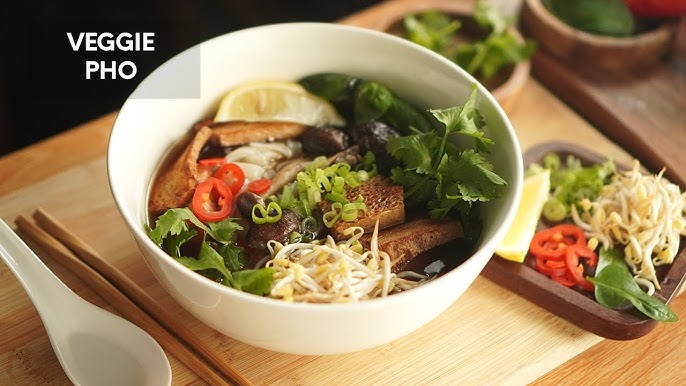
Vegetarian Pho Recipe: Looking for a warm, nourishing, and flavorful bowl of vegetarian pho? You’re in the right place. This Vietnamese-inspired noodle soup is loaded with fragrant spices, crisp veggies, silky rice noodles, and rich, soul-soothing broth—all without any meat. Whether you’re a full-time vegetarian, a flexitarian, or just in the mood for a meatless Monday, this recipe will hit the spot.
Forget about the idea that vegetarian means bland. This broth is deep, complex, and savory, thanks to the magic of spices and roasted aromatics. Let’s walk through this together—from prepping the broth to customizing your perfect bowl. Grab your chopsticks and let’s dive into one of the most satisfying comfort foods out there.
What is Pho?
Pho (pronounced “fuh”) is a traditional Vietnamese soup made of broth, rice noodles, herbs, and meat, usually beef or chicken. But today, we’re putting a delicious vegetarian spin on this classic dish. Traditionally, pho broth is simmered for hours with beef bones to create a rich umami flavor. In our vegetarian version, we rely on roasted vegetables, spices, soy sauce, and mushrooms to recreate that depth.
Vietnamese cuisine is all about balance—sweet, salty, sour, and umami—and that’s exactly what this dish delivers. Vegetarian pho is just as aromatic and comforting as the original, and when done right, it can easily impress even the most devoted carnivores.
Health Benefits of Vegetarian Pho
Not only is vegetarian pho comforting, but it’s also a bowl of health. Packed with fresh herbs like cilantro and Thai basil, immune-boosting spices like ginger and star anise, and nutrient-rich vegetables, every spoonful nourishes your body.
- Low in calories: Especially if you skip the fried tofu, this soup is light and clean.
- Anti-inflammatory properties: Ginger, garlic, and star anise have been known for centuries to support immune health.
- Gut-friendly: The combination of broth and fiber-rich veggies helps keep digestion in check.
- Customizable nutrition: Add protein, fiber, or low-carb alternatives as per your dietary needs.
This isn’t just comfort food—it’s wellness in a bowl.
Essential Ingredients for Vegetarian Pho
Creating an authentic pho experience without meat is totally possible with the right combination of ingredients:
Aromatic Spices:
- Star anise
- Cloves
- Cinnamon sticks
- Coriander seeds
- Fennel seeds
- Black cardamom (optional)
These are the soul of your broth. Toasting them releases essential oils and layers of flavor.
Fresh Vegetables:
- Onions
- Ginger
- Carrots
- Daikon (optional)
- Mushrooms (shiitake or cremini)
Roasting or charring the onions and ginger brings out their sweetness and richness.
Proteins:
- Firm tofu (pan-fried or baked)
- Mushrooms (add meatiness)
- Seitan or tempeh (optional)
Noodles & Garnishes:
- Flat rice noodles (pho-style)
- Bean sprouts
- Thai basil
- Cilantro
- Jalapeños
- Lime wedges
- Hoisin sauce
- Sriracha
Complete Ingredient List
Here’s everything you’ll need for the perfect vegetarian pho.
For the Broth:
- 1 large yellow onion (halved)
- 4-inch piece fresh ginger (halved lengthwise)
- 1 cinnamon stick
- 3 whole star anise
- 4 whole cloves
- 1 tbsp coriander seeds
- 1 tbsp fennel seeds
- 1 tbsp soy sauce or tamari
- 1 tbsp mushroom soy sauce (for extra umami)
- 2 carrots (chopped)
- 1 daikon radish (optional)
- 8 cups water or low-sodium vegetable broth
- Salt to taste
For the Noodle Bowl:
- 14 oz rice noodles (pho noodles)
- 1 block of extra-firm tofu (pressed and cubed)
- 1 cup mushrooms (shiitake, oyster, or cremini)
Toppings:
- Fresh cilantro
- Thai basil
- Bean sprouts
- Lime wedges
- Jalapeño or Thai chili slices
- Green onions
- Hoisin sauce
- Sriracha
Tools & Equipment You’ll Need
- Large soup pot or Dutch oven
- Fine mesh strainer
- Ladle
- Knife and chopping board
- Tongs
- Skillet (for toasting spices and tofu)
- Bowls for serving
Step-by-Step Guide to Making Vegetarian Pho
Let’s break this recipe down step by step for success!
Step 1: Char the Onion and Ginger
Slice the onion in half and cut the ginger into thick pieces. Char them directly over a gas flame, under a broiler, or in a dry skillet until lightly blackened. This step adds smoky depth and sweetness to the broth.
Step 2: Toast the Spices
In a dry pot, toast whole spices such as star anise, cinnamon sticks, cloves, coriander seeds, and cardamom over medium heat for 1–2 minutes until fragrant. Toasting releases essential oils and enhances the broth’s aroma.
Step 3: Prepare the Broth
Add water or vegetable stock to the pot with the toasted spices. Add the charred onion and ginger, along with dried mushrooms or a piece of kombu for umami. Bring to a gentle simmer.
Step 4: Simmer the Broth
Reduce heat and simmer uncovered for 45–60 minutes. Avoid boiling vigorously, as this can cloud the broth. Strain the broth to remove solids, then season with soy sauce or salt and a touch of sugar to balance flavors.
Step 5: Cook the Noodles
Cook rice noodles according to package instructions until just tender. Drain and rinse briefly with warm water to remove excess starch and prevent sticking.
Step 6: Prepare Toppings
Wash and slice toppings such as mushrooms, tofu, bean sprouts, green onions, cilantro, basil, and chilies. Arrange everything neatly for easy assembly.
Step 7: Assemble Your Bowl
Place cooked noodles in a large bowl. Arrange tofu, mushrooms, and vegetables on top in sections for visual appeal and balanced bites.
Step 8: Add the Broth and Serve
Ladle hot broth over the noodles and toppings. Serve immediately with lime wedges, hoisin sauce, or chili sauce on the side for extra flavor.
Tips for the Best-Tasting Vegetarian Pho
Want to elevate your bowl from good to restaurant-worthy? Here’s how:
- Don’t rush the broth. Letting it simmer for a full hour makes all the difference.
- Use mushroom soy sauce. It adds rich umami without needing fish sauce.
- Char your aromatics. This mimics the flavor of flame-cooked traditional pho.
- Go heavy on toppings. Fresh herbs and sprouts make the bowl pop with texture and flavor.
- Customize your heat. Use chili oil, Thai chilies, or sriracha to turn up the heat as you like.
Even small tweaks can take your pho from average to unforgettable.
How to Customize Your Pho Bowl
One of the best things about pho is how easy it is to make it your own. Here’s how to tailor it to your preferences:
Make It Spicy
- Add chili oil, sriracha, or sliced Thai chilies.
- Mix hoisin sauce with sriracha for a sweet-and-spicy blend.
Add More Protein
- Tempeh
- Seitan
- Edamame
- Vegan meat alternatives
Low-Carb or Gluten-Free?
- Swap rice noodles for zoodles (zucchini noodles) or kelp noodles.
- Use tamari or coconut aminos instead of soy sauce.
There’s no wrong way to pho—just your way.
Make-Ahead and Storage Tips
Want to meal prep pho for the week? Smart move.
- Broth: Can be made in advance and stored in the fridge for up to 5 days or frozen for 3 months.
- Noodles: Cook them fresh before serving. If storing, toss them with a little oil to prevent sticking.
- Toppings: Store washed herbs, sprouts, and lime separately in airtight containers.
To Reheat:
Heat the broth until boiling. Pour it over the noodles and toppings when ready to serve. This keeps everything fresh and delicious without turning the noodles soggy.
Common Mistakes to Avoid
Avoid these common slip-ups for a perfect pho every time:
- Skipping the charred onion and ginger: This step gives the broth depth. Don’t skip it!
- Overcooking the noodles: Rice noodles turn mushy fast. Cook just until soft, then rinse in cold water.
- Not straining the broth: You want a clear, clean broth—not one full of veggie bits.
- Under-seasoning the broth: Taste and adjust salt or soy sauce at the end.
Pho is all about balance, so small details matter.
What to Serve with Vegetarian Pho
While pho is a full meal on its own, it also pairs well with light sides:
- Vietnamese spring rolls with peanut dipping sauce
- Crispy tofu bites
- Vietnamese iced coffee (cà phê sữa đá)
- Pickled vegetables for a tangy crunch
These sides complement the pho’s flavor without overpowering it.
FAQs about Vegetarian Pho Recipe
1. Can I freeze vegetarian pho broth?
Yes! Let it cool, then freeze in airtight containers for up to 3 months. Just reheat and pour over fresh noodles when ready.
2. What kind of mushrooms are best in pho?
Shiitake, oyster, and cremini mushrooms add great texture and deep umami flavor. Dried shiitake can be soaked and added for an even more intense taste.
3. Can I make this pho gluten-free?
Absolutely. Use gluten-free tamari instead of soy sauce, and double-check that your noodles are rice-based with no wheat additives.
4. Is vegetarian pho healthy for weight loss?
Yes! It’s low in fat, packed with fiber, and customizable to fit your nutrition goals. Just go easy on fried toppings or sugary sauces.
5. Can I add coconut milk to the broth?
That’s not traditional, but if you want a creamy twist, add a splash of coconut milk for richness. Just note it will change the flavor profile significantly.
Conclusion
There you have it—a full, detailed, and foolproof guide to making the most delicious vegetarian pho at home. From the charred aromatics to the warm, spiced broth and the mountain of fresh toppings, this dish brings comfort and satisfaction in every slurp. Whether you’re a seasoned cook or a kitchen newbie, this step-by-step recipe makes the process easy and enjoyable.
So the next time you’re craving something cozy, flavorful, and nourishing, skip the takeout and whip up your own homemade vegetarian pho. It’s a bowl of goodness your tastebuds and your body will thank you for.