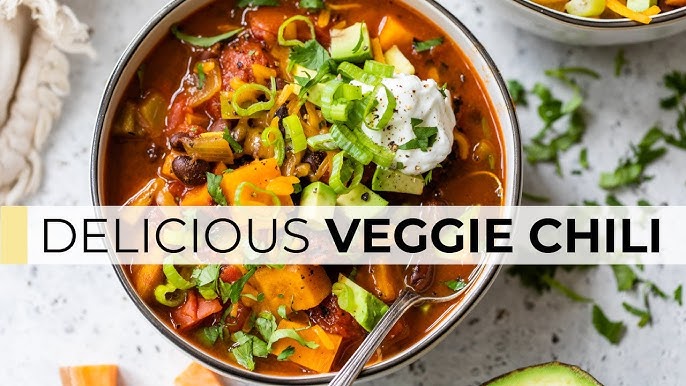
Vegetarian Chili Recipe: If there’s one comfort meal that never goes out of style, it’s vegetarian chili. Warm, hearty, deeply flavorful, and packed with plant-based protein, this dish proves that you don’t need meat to enjoy a rich, satisfying bowl of chili. Whether you’re a full-time vegetarian, trying to eat more plant-forward meals, or simply craving something cozy, this Vegetarian Chili Recipe delivers on every level.
We’ll walk through everything—from ingredients and preparation to expert cooking tips, variations, storage, and serving ideas. Think of this as your ultimate vegetarian chili masterclass, written clearly, conversationally, and step by step.
Why Vegetarian Chili Deserves a Spot in Your Weekly Menu
Vegetarian chili isn’t just a meatless alternative—it’s a powerhouse meal. Beans, vegetables, and spices come together to create layers of flavor that develop even more as the chili simmers. It’s budget-friendly, meal-prep-approved, freezer-friendly, and perfect for feeding a crowd.
Imagine a bowl that’s smoky, slightly spicy, thick, and spoon-clinging. That’s what we’re aiming for here.
Ingredients You’ll Need for Vegetarian Chili
Before we start cooking, let’s gather everything. Having your ingredients prepped and ready makes the process smooth and stress-free.
Core Ingredients (The Foundation)
These ingredients form the backbone of a classic vegetarian chili:
- Olive oil – for sautéing and building flavor
- Yellow onion (diced) – adds sweetness and depth
- Garlic cloves (minced) – essential for aroma and richness
- Bell peppers (red and green, chopped) – color, crunch, and natural sweetness
- Carrots (diced) – subtle sweetness and texture
- Celery (optional, chopped) – adds complexity and balance
Beans (The Protein Powerhouse)
Beans give vegetarian chili its hearty, filling quality:
- Kidney beans (canned or cooked)
- Black beans
- Pinto beans
Tip: Using a mix of beans creates better texture and flavor than relying on just one type.
Tomato Base
This is what gives chili its signature body:
- Crushed tomatoes
- Tomato paste – for richness and thickness
- Diced tomatoes (optional for texture)
Vegetables for Extra Heartiness
These turn your chili into a full meal:
- Corn kernels (fresh or frozen)
- Zucchini (diced)
- Sweet potatoes (optional, cubed)
- Mushrooms (finely chopped for a “meaty” feel)
Spices and Seasonings
This is where the magic happens:
- Chili powder
- Ground cumin
- Smoked paprika
- Oregano
- Cayenne pepper (optional, for heat)
- Salt and black pepper
Liquids
- Vegetable broth – controls consistency
- Water (as needed)
Optional Flavor Boosters
These elevate your chili from good to unforgettable:
- Soy sauce or tamari – adds umami
- Cocoa powder (just a pinch) – deepens flavor
- Maple syrup or brown sugar – balances acidity
- Lime juice – brightens the final dish
Kitchen Tools You’ll Need
- Large heavy-bottom pot or Dutch oven
- Sharp knife and cutting board
- Wooden spoon or spatula
- Measuring spoons and cups
Nothing fancy—just reliable basics.
Step-by-Step Guide to Making Vegetarian Chili
Now let’s cook. Follow these steps carefully, and you’ll end up with a chili that tastes like it’s been simmering all day.
Step 1: Prepare All Ingredients
Before turning on the stove, wash, chop, and measure everything. Dice the onions, mince the garlic, chop vegetables, and rinse your beans thoroughly.
Why this matters: Chili moves quickly in the early stages. Prepping ahead prevents burning and keeps flavors clean.
Step 2: Heat the Oil and Sauté the Onion
Place a large pot over medium heat and add olive oil. Once warm, add the diced onion and cook for 5–7 minutes, stirring occasionally.
You’re looking for soft, translucent onions—not browned.
Step 3: Add Garlic and Aromatics
Stir in the minced garlic and cook for 30–60 seconds until fragrant. Don’t rush this step—garlic is a flavor anchor.
Step 4: Add Bell Peppers, Carrots, and Celery
Add your chopped vegetables and cook for 5–8 minutes, stirring often. They should soften slightly but still hold shape.
This stage builds sweetness and depth.
Step 5: Stir in Tomato Paste
Add tomato paste and stir continuously for 1–2 minutes. This caramelizes the paste and removes raw tomato flavor.
Think of this step like toasting spices—it unlocks richness.
Step 6: Add Spices and Seasonings
Sprinkle in chili powder, cumin, smoked paprika, oregano, salt, and pepper. Stir well and cook for 1 minute.
Your kitchen should smell incredible right now.
Step 7: Add Tomatoes
Pour in crushed tomatoes (and diced tomatoes if using). Stir to combine everything into a thick, vibrant base.
Step 8: Add Beans and Vegetables
Add all beans, corn, zucchini, sweet potatoes, and mushrooms. Stir gently so nothing breaks apart.
This is when the chili starts looking like chili.
Step 9: Pour in Vegetable Broth
Add vegetable broth until the mixture is thick but still spoonable. You can always add more later.
Step 10: Bring to a Gentle Boil
Increase heat slightly and bring the chili to a gentle boil, then immediately reduce to low heat.
Step 11: Simmer Slowly
Cover partially and simmer for 35–60 minutes, stirring every 10 minutes. The longer it simmers, the better it tastes.
This is where flavors marry and deepen.
Step 12: Adjust Consistency
If the chili gets too thick, add a splash of broth or water. If it’s too thin, simmer uncovered for 10 more minutes.
Step 13: Taste and Balance Flavors
Taste and adjust:
- More salt?
- More chili powder?
- A pinch of sugar to cut acidity?
- Lime juice for brightness?
This step separates average chili from amazing chili.
Step 14: Rest Before Serving
Turn off heat and let the chili rest for 10 minutes. This allows flavors to settle and thicken naturally.
How to Make Vegetarian Chili Extra Flavorful
Want restaurant-quality results? Try these tips:
- Use smoked paprika instead of regular paprika
- Add finely chopped mushrooms for umami
- Let chili rest overnight—flavor doubles
- Slightly mash some beans for thickness
Vegetarian Chili Variations
Spicy Vegetarian Chili
Add jalapeños, chipotle powder, or extra cayenne.
Three-Bean Chili
Stick with kidney, black, and pinto beans only.
Sweet Potato Chili
Add more cubed sweet potatoes for sweetness and body.
Vegan Chili
This recipe is naturally vegan—just double-check labels.
Serving Suggestions
Vegetarian chili pairs beautifully with:
- Steamed rice
- Cornbread
- Baked potatoes
- Tortilla chips
- Crusty bread
Topping Ideas
Let everyone customize their bowl:
- Avocado slices
- Vegan sour cream
- Chopped cilantro
- Green onions
- Shredded vegan cheese
How to Store Vegetarian Chili
Refrigerator
Store in an airtight container for 4–5 days.
Freezer
Freeze for up to 3 months. Thaw overnight in the fridge.
Reheating Tips
Reheat gently on the stovetop or microwave, adding a splash of water if needed.
Is Vegetarian Chili Healthy?
Absolutely. It’s rich in:
- Plant-based protein
- Fiber
- Vitamins and minerals
- Antioxidants
Plus, it’s naturally cholesterol-free.
Common Mistakes to Avoid
- Skipping spice blooming
- Using too much liquid early
- Not tasting before serving
- Rushing the simmer time
Why This Vegetarian Chili Recipe Works
This recipe balances texture, spice, sweetness, and acidity. Every ingredient has a role, and every step builds flavor. It’s forgiving, flexible, and endlessly customizable.
FAQs about Vegetarian Chili Recipe
1. Can I make vegetarian chili ahead of time?
Yes. Vegetarian chili often tastes even better the next day because the spices and vegetables have time to meld and deepen in flavor. Store it in an airtight container in the refrigerator for up to 4–5 days.
2. Can I use dried beans instead of canned?
Absolutely. Just be sure to soak (if needed) and cook the beans fully before adding them to the chili so they’re tender and easy to digest.
3. How do I thicken vegetarian chili naturally?
You can mash a portion of the beans directly in the pot or let the chili simmer uncovered until excess liquid reduces and the texture thickens.
4. Is vegetarian chili gluten-free?
Yes, provided you use gluten-free vegetable broth and seasonings. Always double-check labels to be safe.
5. Can I cook vegetarian chili in a slow cooker?
Yes. Cook on low for 6–8 hours or on high for 3–4 hours for a rich, well-developed flavor.
Conclusion
This Vegetarian Chili Recipe – Step-by-Step Guide proves that plant-based cooking can be bold, satisfying, and deeply comforting. With simple ingredients, smart seasoning, and slow simmering, you can create a pot of chili that rivals any meat-based version.
Whether you’re cooking for family, meal-prepping for the week, or hosting friends, this vegetarian chili delivers warmth in every spoonful. Once you try it, it’ll become a staple in your kitchen.