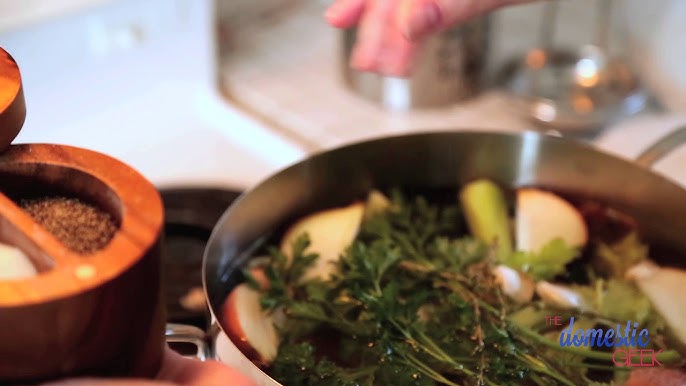
Vegetable Stock Recipe: If you’re someone who loves cooking soups, risottos, sauces, or stews, you already know how important a good base is. That’s where vegetable stock comes in. It’s the unsung hero of many dishes, quietly working in the background to give your recipes depth, richness, and an extra layer of flavor. Instead of buying store-bought stock that often contains too much salt or preservatives, making your own at home is surprisingly easy—and incredibly rewarding.
In this guide, we’ll walk you through everything you need to know about creating a homemade vegetable stock. From the ingredients you’ll need to a simple step-by-step process, you’ll have all the knowledge to make a pot of flavorful, golden stock that will elevate your home-cooked meals.
What is Vegetable Stock?
Vegetable stock is essentially a flavored liquid that serves as a foundation for a wide range of recipes. By simmering a combination of vegetables, herbs, and spices in water, you extract their flavors and nutrients into a rich broth. Unlike meat-based stocks, vegetable stock is lighter, vegetarian-friendly, and can be tailored to your taste.
The beauty of vegetable stock is its flexibility. There’s no single “right” recipe—every batch can be different depending on what’s available in your kitchen. That means it’s not only a culinary essential but also a great way to use up leftover or slightly wilted vegetables that might otherwise go to waste.
Think of vegetable stock as your kitchen’s secret weapon. It can replace plain water in countless dishes, instantly boosting the flavor profile without overpowering the main ingredients.
Why Make Your Own Vegetable Stock at Home?
Sure, you can grab a carton of vegetable broth from the grocery store, but homemade stock has undeniable advantages. First, you’re in control of the ingredients—no artificial flavor enhancers, no excess sodium, and no mystery additives.
Homemade vegetable stock also gives you the freedom to adjust the flavors to your liking. Want it sweeter? Add more carrots. Prefer something earthy? Toss in mushrooms. Looking for an aromatic kick? Garlic and ginger do the trick. The flexibility is endless.
Another reason to make stock at home is sustainability. Using vegetable scraps like onion skins, carrot peels, and celery ends not only reduces food waste but also makes your kitchen more eco-friendly. Plus, it saves you money in the long run.
And let’s not forget—homemade stock simply tastes better. It’s fresher, richer, and more aromatic than anything you’ll find in a box. Once you try it, you’ll wonder why you didn’t start making it sooner.
Benefits of Using Homemade Vegetable Stock
Health Benefits
One of the greatest advantages of homemade vegetable stock is the health factor. Store-bought stocks often come with high sodium levels, preservatives, or flavor boosters that aren’t necessarily good for you. By making your own, you control exactly what goes into the pot.
Vegetable stock is naturally low in calories and fat but packed with vitamins, minerals, and antioxidants, especially if you use a variety of fresh produce. For example, carrots add beta-carotene, celery provides vitamin K, and onions bring in antioxidants like quercetin. When simmered, these nutrients leach into the liquid, creating a nourishing base.
If you’re trying to eat lighter, vegetable stock is an excellent way to add depth of flavor without extra fats or oils. It’s perfect for making hearty soups or risottos that taste indulgent but remain healthy.
Cost-Effectiveness
Let’s be real—grocery shopping can get expensive, especially if you regularly buy premade broth. But here’s the good news: homemade vegetable stock is practically free if you use leftover scraps.
Think about all those carrot peels, onion skins, celery tops, or parsley stems that usually end up in the trash. With stock-making, they get a second life. Instead of throwing them away, you’re transforming them into something delicious and useful.
Even if you buy fresh vegetables specifically for stock, it’s still more cost-effective in the long run. A few dollars’ worth of produce can give you several quarts of flavorful stock, which would cost much more if purchased in cartons.
Not only does this save you money, but it also makes your kitchen more sustainable and less wasteful.
Flavor and Versatility
If you’ve ever wondered why restaurant dishes taste richer and more “complete,” the secret often lies in the stock. Chefs know that stock builds the foundation for flavor in everything from soups to sauces.
Homemade vegetable stock has a depth and complexity that boxed versions just can’t match. The slow simmering process allows flavors to meld beautifully, creating a layered, savory liquid that enhances whatever you cook with it.
Its versatility is another reason to keep a batch on hand. Use it to deglaze pans, cook grains like rice or quinoa, or as a base for curries, gravies, and stews. It even works as a sipping broth when you’re under the weather.
In short, homemade vegetable stock is a multitasker in the kitchen, turning ordinary dishes into extraordinary ones.
Ingredients You’ll Need for Vegetable Stock
Core Vegetables
At the heart of any vegetable stock are a few essential vegetables that provide a balanced flavor base. These usually include:
- Onions – for sweetness and depth
- Carrots – for natural sweetness and body
- Celery – for a subtle, slightly bitter balance
These three—often referred to as a mirepoix in French cooking—form the backbone of most stocks. They create a harmony of sweet, earthy, and savory notes that work beautifully in almost any dish.
You don’t need perfect produce either. Slightly limp carrots or wrinkled onions work just as well. This makes stock-making a brilliant way to use up veggies before they spoil.
Herbs and Spices
To elevate the flavor of your stock, herbs and spices are a must. Popular additions include:
- Garlic – adds aroma and richness
- Bay leaves – for a subtle herbal note
- Parsley stems – fresh, bright flavor
- Peppercorns – a gentle hint of spice
- Thyme or rosemary – earthy, aromatic depth
The key is to use herbs sparingly. They should complement the vegetables, not overpower them. Fresh herbs are fantastic, but dried ones also work if that’s what you have.
Optional Add-Ons for Extra Flavor
Once you’ve got the basics, feel free to get creative. Some great optional add-ons include:
- Mushrooms – for umami richness
- Tomatoes – for acidity and brightness
- Leeks – for a sweeter onion flavor
- Ginger – for warmth and zing
- Corn cobs – for subtle sweetness
These additions aren’t necessary, but they can help customize your stock depending on what you’re cooking. For example, mushrooms make it great for risottos, while ginger adds a kick for Asian-inspired soups.
Step-by-Step Guide to Making Vegetable Stock
Step 1 – Gather Your Ingredients
The first step is simple: collect your vegetables, herbs, and spices. This doesn’t have to be a fancy process. Check your fridge and pantry, and even look at your freezer for scraps you’ve saved. Many home cooks keep a freezer bag specifically for stock ingredients—every time you peel a carrot or chop an onion, the scraps go in until you’re ready to make a batch.
Make sure you stick with vegetables that add to the flavor without becoming overpowering. For example, cabbage, broccoli, or Brussels sprouts can make your stock bitter, so it’s best to avoid them.
At this stage, think of your stock as a blank canvas. You can keep it simple with just the core vegetables and herbs, or you can experiment by throwing in extras that complement your cooking style.
Step 2 – Prepare the Vegetables
Preparation is key when it comes to making a flavorful stock. You don’t need to peel everything to perfection, but a little care goes a long way. Start by giving all your vegetables a good wash to remove any dirt, pesticides, or grit. Since you’ll be straining the stock later, peeling isn’t always necessary—onion skins, for example, can actually add a beautiful golden color to your broth.
Chop your vegetables into large chunks rather than small dice. The goal isn’t to make them pretty but to maximize surface area so they release their flavors into the water. A rough chop is enough—think quartered onions, halved carrots, and big celery sticks.
For herbs and spices, you don’t need to mince them finely either. Simply toss in whole sprigs of parsley, a couple of smashed garlic cloves, and a few peppercorns. This way, they infuse the stock without becoming overpowering.
If you’re using mushrooms, tomatoes, or ginger, prepare them in the same way—washed and chopped into manageable pieces. Remember, the longer you simmer, the more the flavors will meld together, so don’t stress about perfection.
Step 3 – Sauté for Depth of Flavor (Optional)
Here’s where you can take your stock from good to great. Before adding water, consider giving your vegetables a quick sauté in a splash of olive oil. By lightly browning the onions, carrots, and celery, you develop caramelized notes that deepen the flavor of the stock.
This step is completely optional, but it makes a noticeable difference, especially if you want a rich, savory broth. Heat a large stockpot over medium heat, add a drizzle of oil, and toss in your vegetables. Stir occasionally until they’re slightly softened and golden around the edges—usually about 5–7 minutes.
You don’t need to sauté everything; just the core vegetables are enough. Once they’re lightly browned, you can add the rest of your ingredients along with the water. If you’re after a lighter, cleaner-tasting stock, skip this step and go straight to simmering.
Think of this step like roasting nuts before blending them into a recipe. It doesn’t change the fundamental character, but it brings out a deeper, more complex flavor that you’ll definitely notice in the final result.
Step 4 – Simmer Slowly
This is the heart of stock-making. Once all your ingredients are in the pot, cover them with cold water. Cold water is key—it helps draw out flavors gradually rather than shocking the vegetables. A good rule of thumb is about 12 cups of water for every 4–5 cups of chopped vegetables.
Bring the pot to a gentle boil, then immediately reduce the heat to a low simmer. Avoid a rolling boil, which can make the stock cloudy and harsh-tasting. Instead, aim for a calm simmer where small bubbles occasionally rise to the surface.
Let the stock simmer for at least 45 minutes, but ideally 1.5 to 2 hours. This slow extraction process allows all the flavors to mingle, creating a balanced and aromatic liquid. Stir occasionally and press the vegetables lightly against the pot with a spoon to help release their juices.
As it simmers, you’ll notice foam or scum rising to the surface. Skim this off with a spoon for a cleaner, clearer stock. Patience is your best friend here—resist the temptation to rush. The longer it simmers, the richer your stock will become.
Step 5 – Strain and Store
Once your stock has simmered to perfection, it’s time to strain it. Place a large fine-mesh sieve or colander over another pot or heatproof bowl, and carefully pour the stock through. Discard the solids—they’ve given all their flavor and nutrients to the liquid and won’t add much more.
If you want an ultra-clear stock, strain it again through cheesecloth or a coffee filter. Otherwise, one pass through a sieve should be enough.
Now you have a pot of golden, fragrant vegetable stock ready to use. Let it cool to room temperature before storing. Divide it into jars or airtight containers, and refrigerate for up to 4–5 days. For longer storage, freeze in portions using freezer-safe containers or even ice cube trays for small amounts.
Label your containers with the date so you know when to use them. Homemade stock is best within 3 months when frozen, though it can last longer if properly sealed.
At this point, you’ve got a flavorful, versatile base that can turn any dish into something special. Whether you’re making soups, sauces, risottos, or gravies, your homemade vegetable stock is ready to shine.
Tips and Tricks for the Perfect Vegetable Stock
What to Avoid in Vegetable Stock
While vegetable stock is flexible, some ingredients just don’t work well. Strongly flavored or sulfurous vegetables like broccoli, cauliflower, cabbage, Brussels sprouts, and turnips can make your stock bitter and overpowering. Be cautious with beetroot as well—it adds sweetness and color but can dominate the flavor.
Salt is another element to skip during cooking. Since stock is usually reduced or used as a base for other dishes, adding salt too early can make your final recipe too salty. Instead, season later when you’re cooking your main dish.
Finally, avoid using vegetables that are spoiled or moldy. Wilted or slightly soft veggies are fine, but anything rotten will ruin the flavor and make the stock unsafe.
How to Store and Freeze Vegetable Stock
Storing your stock properly ensures it stays fresh and flavorful. If refrigerating, always cool the stock completely before transferring it into jars or containers. A wide, shallow bowl can help speed up the cooling process.
In the fridge, your stock will last about 4–5 days. If you don’t plan to use it right away, freezing is the best option. Pour the stock into freezer-safe bags, leaving a little room at the top for expansion, or freeze in ice cube trays for easy single-serving portions.
Frozen stock keeps well for 2–3 months, sometimes longer if tightly sealed. To use, simply thaw overnight in the fridge or heat directly from frozen in a saucepan.
Ways to Customize Your Stock
One of the best things about homemade vegetable stock is that it’s endlessly customizable. Depending on what you’re cooking, you can adjust the flavors to fit:
- For Asian-inspired dishes: Add ginger, garlic, lemongrass, or a splash of soy sauce.
- For Mediterranean recipes: Include tomatoes, fennel, or fresh basil.
- For hearty winter meals: Use mushrooms, rosemary, and parsnips for an earthy base.
- For light summer soups: Stick with carrots, leeks, parsley, and a squeeze of lemon.
Think of stock-making as a canvas. By swapping in different herbs, spices, and vegetables, you can tailor each batch to the dishes you love most.
Creative Ways to Use Vegetable Stock
Once you’ve mastered the art of making vegetable stock, you’ll be amazed at how versatile it is in your kitchen. This liquid gold isn’t just for soups—it can transform countless recipes, giving them extra depth and richness. Let’s explore some delicious and practical ways to put your homemade stock to good use.
Soups and Stews
The most obvious use for vegetable stock is as the base for soups and stews. From a simple vegetable soup to a hearty lentil stew, your stock provides the foundation of flavor. Unlike plain water, it adds complexity without overpowering the main ingredients.
Imagine a comforting bowl of minestrone or a creamy mushroom soup—both come alive with a flavorful stock. Even when you’re improvising with leftover vegetables, stock ensures your soup tastes well-rounded and satisfying.
Risottos and Grain Dishes
Risotto is a dish that truly showcases the magic of stock. Instead of adding plain water to your rice, you slowly ladle in warm vegetable stock. The rice absorbs the savory liquid, becoming creamy and infused with flavor. The difference between water and stock in risotto is night and day.
And it’s not just risotto—use stock when cooking grains like quinoa, couscous, bulgur, or barley. They’ll soak up the flavors, making even the simplest side dish taste gourmet.
Sauces and Gravies
A good sauce often starts with a good stock. Use your homemade vegetable stock to deglaze pans after sautéing vegetables or roasting meat alternatives. The stock lifts all those caramelized bits from the pan, creating a flavorful base for gravies and sauces.
From a classic vegetarian gravy to a light white wine and herb sauce, stock helps you achieve restaurant-quality flavors at home.
Casseroles and Bakes
When preparing casseroles or baked dishes, vegetable stock can be used in place of cream or water. It keeps the dish moist while infusing it with subtle flavor. Think of a vegetable pot pie or a baked pasta dish—your stock enhances the filling without making it heavy.
Sipping Broth
Sometimes, the simplest use is the most comforting. A warm mug of vegetable stock can be soothing on a cold day or when you’re feeling under the weather. Add a squeeze of lemon or a pinch of chili flakes for extra warmth and brightness.
Common Mistakes to Avoid When Making Vegetable Stock
While making stock is simple, a few common missteps can affect the final result. Here’s what to watch out for:
Using the Wrong Vegetables
As mentioned earlier, certain vegetables like cabbage, broccoli, or Brussels sprouts can overpower the stock with bitter or sulfurous notes. Stick to a balance of sweet (carrots), savory (onions, celery), and aromatic (herbs, garlic) ingredients.
Boiling Instead of Simmering
A rolling boil can cause the stock to turn cloudy and harsh-tasting. Always simmer gently for the best flavor and clarity. Patience is key—the longer the gentle simmer, the better the result.
Overcooking the Vegetables
While simmering is important, leaving the stock on the stove for too long can make the flavors dull and muddy. Two hours is generally the sweet spot. After that, the vegetables start to break down too much, and the stock loses its brightness.
Adding Salt Too Early
Salt should be added later, when you’re cooking the final dish. If you salt the stock during cooking, it may become too concentrated once reduced, leaving your recipes overly salty.
Not Straining Properly
Straining is essential for a smooth, clean stock. Leaving in vegetable pieces or herbs can make the liquid cloudy and less appealing. Always take a few minutes to strain thoroughly.
By avoiding these pitfalls, you’ll consistently end up with a stock that’s clear, flavorful, and versatile.
Vegetable Stock Variations from Around the World
Every cuisine has its own version of vegetable stock, influenced by local ingredients and traditions. Experimenting with different styles can open up new flavor possibilities in your cooking.
Asian-Style Vegetable Stock
Common additions: ginger, garlic, scallions, lemongrass, soy sauce, star anise, or miso.
Best for: noodle soups, stir-fry sauces, dumpling broths.
This version is aromatic, warming, and slightly sweet, perfect for Asian-inspired dishes.
Mediterranean Vegetable Stock
Common additions: tomatoes, fennel, basil, oregano, rosemary, olive oil.
Best for: pasta sauces, risottos, minestrone soup.
Mediterranean stocks have a sunny, herbaceous flavor that pairs beautifully with tomato-based dishes.
Earthy Mushroom-Based Stock
Common additions: assorted mushrooms, thyme, bay leaves, black peppercorns.
Best for: risottos, gravies, hearty winter soups.
Mushroom stock is rich in umami, giving vegetarian dishes a “meaty” depth of flavor.
Spicy Latin-Inspired Stock
Common additions: chili peppers, cumin, cilantro stems, lime zest.
Best for: chili, tortilla soup, rice dishes.
This stock adds a kick of heat and zest, perfect for bold, vibrant dishes.
Exploring different variations allows you to match your stock to the cuisine you’re cooking, turning a simple pot of broth into something truly special.
FAQs about Vegetable Stock Recipe
1. Can I use frozen vegetable scraps to make stock?
Yes! In fact, freezing scraps until you have enough is a great way to reduce waste. Just make sure they’re clean and not spoiled before adding them to your pot.
2. How do I make a richer, darker stock?
Roast your vegetables in the oven before simmering, or sauté them until browned. This caramelization adds depth and richness to your stock.
3. Is vegetable stock the same as vegetable broth?
They’re often used interchangeably, but technically, stock is made with bones (in meat-based versions) and simmered longer, while broth is lighter and sometimes seasoned. In vegetarian cooking, the difference is minimal.
4. Can I pressure cook vegetable stock?
Absolutely. Using a pressure cooker or Instant Pot can reduce simmering time to about 20–30 minutes while still producing a flavorful stock.
5. What’s the best way to store small portions of stock?
Freeze your stock in ice cube trays. Once solid, transfer the cubes to a freezer bag. This way, you can use just the right amount when cooking.
Conclusion
Making homemade vegetable stock is one of the simplest yet most rewarding kitchen skills you can master. It’s economical, sustainable, and endlessly versatile. With just a handful of vegetables and herbs, you can create a flavorful base that elevates soups, sauces, grains, and so much more.
Whether you keep it simple with onions, carrots, and celery or experiment with mushrooms, tomatoes, and exotic spices, every batch of stock is an opportunity to make your cooking richer and more satisfying. Once you taste the difference, you’ll never want to go back to store-bought again.
So grab a pot, gather your veggies, and start simmering. Your future self (and your taste buds) will thank you.