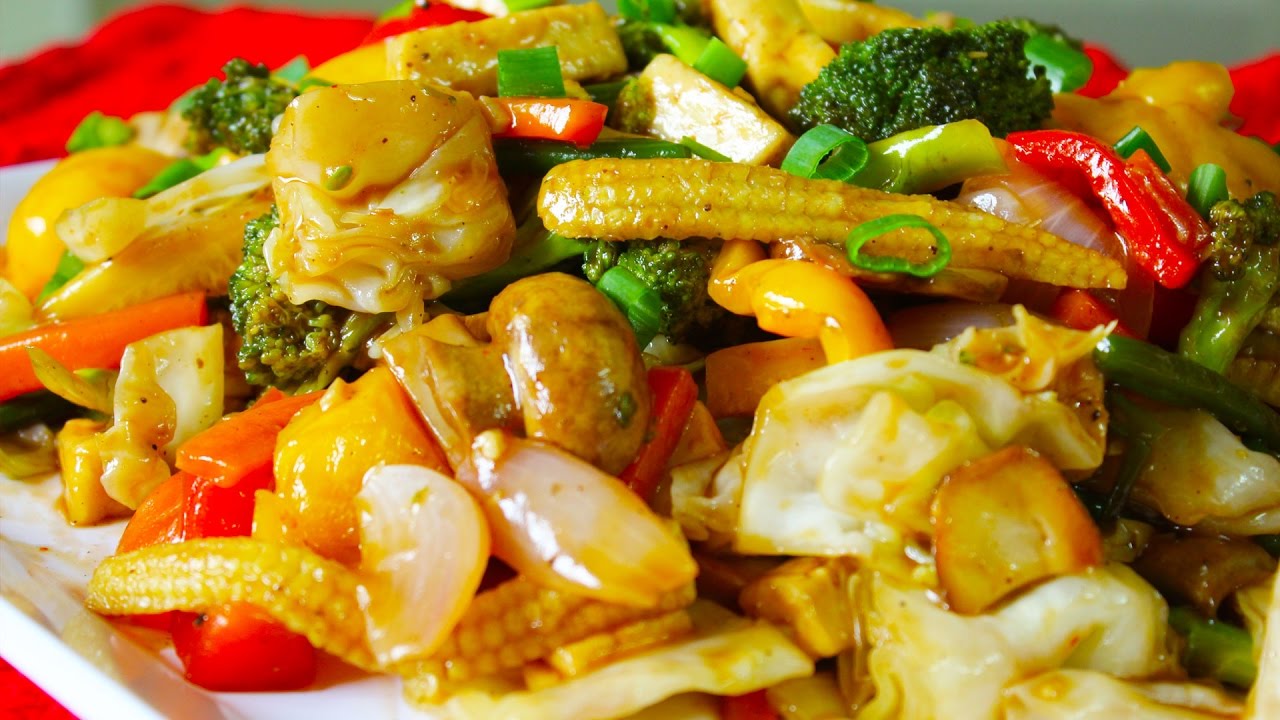
Vegetable Stir Fry Recipe: If there’s one dish that checks all the boxes—quick, healthy, colorful, and absolutely delicious—it’s a vegetable stir fry. Whether you’re a seasoned home cook or someone just getting started in the kitchen, stir fry is your go-to meal for a weeknight dinner that doesn’t disappoint. Think about it: in under 30 minutes, you can have a sizzling, nutrient-packed plate of vibrant veggies, tossed in savory sauce, and full of irresistible flavor. No wonder it’s a staple in Asian cuisine and a favorite worldwide.
Beyond convenience and taste, stir fry offers a creative outlet in the kitchen. Want it spicy? Add chili flakes. Need a protein boost? Toss in tofu or tempeh. Craving something sweet? A touch of honey or maple syrup in the sauce does the trick. It’s a dish that welcomes experimentation, making every stir fry slightly different but always delicious.
So if you’ve ever wondered how to master a veggie stir fry like a pro, keep reading. This step-by-step guide breaks everything down—from picking the right ingredients to achieving that perfect crunch.
Health Benefits of Vegetable Stir Fry
Let’s not forget one of the biggest perks of vegetable stir fry: it’s ridiculously healthy. Packed with fiber, antioxidants, vitamins, and minerals, this dish is a nutrition powerhouse. Unlike boiling or deep-frying, stir-frying uses minimal oil and cooks quickly over high heat, preserving the nutrients in your veggies. That means more vitamin C in your bell peppers, more beta-carotene in your carrots, and more of everything that keeps you feeling good.
Stir fry also supports balanced eating. Pair it with brown rice, quinoa, or noodles for a complete meal that includes healthy carbs, fats, and proteins. And because you control what goes in, it’s easy to avoid excessive sodium, sugar, or processed additives. It’s comfort food that doesn’t sabotage your health goals—how awesome is that?
List of Ingredients You’ll Need
Fresh Vegetables
The heart and soul of any stir fry are the vegetables. You can use a mix of your favorites, or whatever you have in the fridge. Here’s a basic list to get you started:
- Broccoli florets
- Carrots (thinly sliced or julienned)
- Bell peppers (red, yellow, green—go wild)
- Snow peas or snap peas
- Zucchini or yellow squash
- Mushrooms (shiitake, cremini, or button)
- Baby corn
- Cabbage (Napa or green)
- Onion (white or red)
Choose a variety for different textures and colors. The key is uniform slicing so everything cooks evenly.
Essential Sauces and Seasonings
Your stir fry sauce brings all the flavor magic. Here’s what you need:
- Soy sauce (or tamari for gluten-free)
- Hoisin sauce (adds depth and sweetness)
- Oyster sauce (optional, for umami)
- Sesame oil (a little goes a long way)
- Rice vinegar or lime juice (adds acidity)
- Brown sugar or honey (for balance)
- Fresh garlic (minced)
- Fresh ginger (grated or minced)
- Red pepper flakes or chili sauce (if you like it spicy)
Mixing your own sauce is ideal, but you can also use a good-quality store-bought one in a pinch.
Oils and Aromatics
You’ll need oil with a high smoke point for stir-frying:
- Vegetable oil
- Canola oil
- Avocado oil
Aromatics like garlic, ginger, and green onions are essential for that authentic flavor.
Optional Protein Add-ins
Want to beef it up (pun intended)? Consider adding:
- Tofu (firm or extra firm)
- Tempeh
- Seitan
- Chickpeas or edamame
- Chicken, shrimp, or beef (if not vegetarian)
Marinate or pre-cook proteins before adding them to the stir fry for best flavor and texture.
Pantry Staples
Lastly, don’t forget the basics:
- Cornstarch (to thicken your sauce)
- Water or vegetable broth (to steam or dilute sauces)
- Salt and pepper (to taste)
- Cooked rice or noodles (for serving)
With these ingredients ready, you’re already halfway to making a stellar stir fry.
Kitchen Tools You’ll Need
Basic Cooking Tools
- Wok or large non-stick skillet
- Sharp knife
- Cutting board
- Mixing bowls
- Spatula or wooden spoon
- Measuring cups and spoons
Wok vs. Skillet: What’s Better for Stir Fry?
A wok is the traditional tool for stir-frying, and for good reason. Its high, sloped sides distribute heat evenly and make tossing veggies easy. It also uses less oil and allows for quick cooking. But don’t worry if you don’t have one—a large skillet will do just fine as long as it’s non-stick and can handle high heat.
The secret is to keep things moving. Stir fry literally means “to stir while frying,” so you’ll want a pan that gives you room to do just that.
Prepping Your Ingredients
Washing and Cutting Vegetables
This step makes or breaks your stir fry. Wash all your veggies thoroughly and dry them well—excess water can make your stir fry soggy. Cut vegetables into similar-sized pieces to ensure even cooking. For example:
- Carrots: thin matchsticks or diagonal slices
- Bell peppers: thin strips
- Broccoli: bite-sized florets
- Mushrooms: sliced thick to hold shape
Prepping Sauces and Spices
Make your sauce ahead of time. Combine all liquid ingredients, mix well, and set aside. This saves time when you’re cooking, since stir-frying happens fast.
Organizing Your Cooking Station
Have everything ready and within reach—this is called “mise en place.” Arrange your veggies, sauce, protein, and aromatics near the stove. Stir frying is like a dance—you need to move quickly and confidently.
Step-by-Step Guide to Making Vegetable Stir Fry
Step 1: Heat the Pan
Start by heating your wok or skillet over medium-high to high heat. Once it’s hot, add 1-2 tablespoons of oil. The oil should shimmer and glide smoothly across the pan.
Step 2: Cook Aromatics
Add garlic, ginger, and any green onions you’re using. Stir constantly for about 30 seconds until fragrant. Be careful not to burn them—they cook quickly!
Step 3: Add Hard Vegetables First
Drop in the vegetables that take longer to cook, such as:
- Carrots
- Broccoli
- Green beans
Cook for about 3–4 minutes, stirring frequently. You want them tender but still crisp.
Step 4: Add Softer Vegetables
Now toss in your quick-cooking veggies like:
- Bell peppers
- Mushrooms
- Snap peas
- Zucchini
Stir continuously for another 2–3 minutes.
Step 5: Add Sauces and Toss
Pour your pre-mixed sauce over the vegetables. Stir to coat everything evenly. Let it cook for another 1–2 minutes, so the sauce thickens and clings to the veggies. If you’re using a cornstarch slurry (1 tsp cornstarch mixed with 2 tbsp water), add it here.
Step 6: Adjust Seasoning and Garnish
Taste and tweak—add more soy sauce, a squeeze of lime, or a pinch of sugar if needed. Garnish with sesame seeds, chopped green onions, or fresh cilantro.
And just like that—your vegetable stir fry is ready to serve!
Tips for the Perfect Stir Fry
Keep It Crispy, Not Soggy
One of the biggest mistakes people make when cooking stir fry is overcooking the vegetables. You’re aiming for that perfect “crisp-tender” texture—not too raw, not mushy. To nail it, keep the heat high and cook fast. Stir fry is all about speed. That’s why prepping everything beforehand is so crucial. You won’t have time to chop a carrot while your broccoli’s burning in the pan.
Also, never overcrowd your pan. If there are too many veggies, they’ll steam instead of fry. If you’re making a big batch, stir fry in batches. It takes a little longer, but the result is totally worth it—crunchy veggies with that restaurant-style sear.
The Importance of High Heat
High heat is your best friend here. It gives your stir fry that smoky, slightly charred flavor you get at Asian restaurants. This is called “wok hei” (meaning “breath of the wok”), and while you might not fully replicate it at home without a commercial burner, high heat gets you pretty close. Don’t be afraid to crank it up—as long as you’re stirring, your food won’t burn.
Don’t Crowd the Pan
Overcrowding is the fast track to a soggy mess. When veggies overlap too much, they release moisture and steam rather than sear. Cook in small batches if needed, and remove cooked veggies before adding the next batch. Combine everything at the end when you add the sauce.
Customizing Your Stir Fry
Vegetarian and Vegan Options
Good news—vegetable stir fry is already vegetarian! Want to make it vegan too? Just skip sauces with animal products (like oyster sauce) and check your soy sauce for additives. For added plant-based protein, consider:
- Tofu (press it first to remove moisture)
- Tempeh (slice thin and pan-fry before adding)
- Chickpeas (for a Mediterranean twist)
- Edamame (shelled, steamed, and stirred in)
Adding Tofu, Tempeh, or Seitan
These ingredients not only add protein but also soak up sauces beautifully. For tofu, use extra firm, press it, cut into cubes, and pan-fry until golden before adding to the stir fry. Tempeh has a nuttier flavor and works best when sliced thin and sautéed. Seitan offers a chewy, meaty texture great for hearty meals.
Making it Spicy or Sweet
Want heat? Toss in chili flakes, sriracha, or a spoonful of sambal oelek. Love sweetness? A drizzle of maple syrup, brown sugar, or hoisin sauce adds balance. You can also experiment with flavors like:
- Thai-style (peanut butter, lime, and chili)
- Korean-style (gochujang, garlic, and sesame oil)
- Chinese-style (soy, ginger, oyster sauce)
This is your stir fry—make it your own.
Common Mistakes to Avoid
Overcooking Vegetables
This is a rookie error that turns your stir fry into a limp, lifeless bowl. Remember: high heat + short cook time = crisp perfection. Test as you go—veggies should have a little bite.
Not Using Enough Oil
You don’t need to drown your veggies in oil, but you do need enough to coat the pan and prevent sticking. Stir fry requires fast movement, and a little oil helps everything glide smoothly. Use oils that can handle high heat like avocado, grapeseed, or canola.
Using Low Heat
Low heat leads to soggy veggies and bland results. Your pan should sizzle the moment you add ingredients. If it doesn’t, it’s not hot enough. Always preheat your pan before you start cooking.
Best Vegetables for Stir Fry
Seasonal Favorites
You can stir fry almost any vegetable, but some really shine in the pan:
- Spring: Asparagus, green onions, baby carrots
- Summer: Zucchini, bell peppers, corn, snap peas
- Fall: Broccoli, cauliflower, Brussels sprouts
- Winter: Cabbage, kale, mushrooms, carrots
Buying in-season means better flavor and better prices.
Asian Veggies You Should Try
Want to go more traditional? Look for these in Asian markets:
- Bok choy: Crunchy stems and tender leaves
- Chinese broccoli (gai lan): Bitter and bold
- Daikon radish: Mild and peppery
- Lotus root: Crunchy and beautiful
- Enoki mushrooms: Delicate and quick to cook
Mix and match them with familiar veggies for something new.
Perfect Pairings
Rice, Noodles, or Quinoa?
Vegetable stir fry pairs beautifully with almost any base:
- Steamed rice: White, jasmine, or brown rice all work
- Noodles: Try soba, rice noodles, or lo mein
- Quinoa: High in protein and naturally gluten-free
- Cauliflower rice: Great low-carb option
Make sure your grain is cooked and ready before you stir fry—timing is everything.
Side Dishes to Serve With Stir Fry
If you want to serve stir fry as part of a larger meal, consider these add-ons:
- Spring rolls or dumplings
- Miso soup or egg drop soup
- Asian-style salad with sesame dressing
- Kimchi or pickled veggies for zing
These sides add texture and variety to your meal without complicating prep.
Meal Prep and Storage Tips
Making Stir Fry Ahead of Time
Vegetable stir fry is perfect for meal prepping. Chop all your veggies in advance and store them in containers in the fridge. You can even portion out your sauce into small jars for easy access.
For full meal prep, make several servings, divide into containers with rice or noodles, and store in the fridge for up to 4 days.
Storing and Reheating Leftovers
Store leftovers in airtight containers in the fridge. To reheat:
- Microwave for 1–2 minutes (cover with a damp paper towel)
- Or reheat in a pan with a splash of water or broth for 3–4 minutes
Avoid reheating multiple times—it can turn your veggies mushy.
Nutritional Value
Vegetable stir fry isn’t just tasty—it’s loaded with nutritional goodness that your body will thank you for. Thanks to the rainbow of veggies used in this dish, you’re getting a huge variety of vitamins, minerals, antioxidants, and fiber in just one meal. That’s a big win, especially if you’re trying to eat healthier without sacrificing flavor.
Let’s break it down a little:
- Fiber: Helps digestion and keeps you full longer. Broccoli, carrots, bell peppers, and cabbage are all high in fiber.
- Vitamins A & C: Found in carrots, peppers, and leafy greens—supporting your immune system and healthy skin.
- Potassium & Iron: Mushrooms, peas, and leafy greens boost your heart health and help prevent fatigue.
- Low in Calories: Even a generous serving is typically under 300 calories (before adding rice or noodles), making it a weight-friendly meal.
What about protein? If you add tofu, tempeh, edamame, or chickpeas, you’re adding a solid protein punch that makes it a balanced, complete meal. And when you make your own stir fry sauce, you’re in control of the sodium and sugar levels—unlike takeout options that often go overboard.
Pro tip: For an extra nutrition boost, try adding ground flaxseed, hemp hearts, or a sprinkle of sesame seeds on top before serving. They’ll bring a dose of omega-3 fatty acids and a little nutty crunch.
Serving Suggestions
Plating Ideas
Presentation matters—even at home. A simple stir fry can look gourmet with a little care:
- Serve over a fluffy bed of steamed jasmine or brown rice in a wide, shallow bowl.
- Sprinkle chopped green onions and sesame seeds over the top.
- Add a wedge of lime or lemon on the side for a zesty touch.
- Drizzle with extra stir fry sauce, sriracha, or soy sauce just before serving.
Use colorful veggies for a dish that’s visually stunning. Red peppers, bright carrots, green snow peas, and purple cabbage can transform your plate into a vibrant masterpiece.
Garnishing Tips
Never underestimate the power of a good garnish. It adds flavor, texture, and a restaurant-quality finish:
- Green onions: Slice diagonally for a fancy look
- Toasted sesame seeds: Add crunch and nuttiness
- Fresh herbs: Cilantro or Thai basil work wonders
- Crushed peanuts or cashews: Give it a Thai-style twist
- Chili flakes or sliced red chili: Bring the heat
These small additions take your stir fry from homemade to wow.
FAQs about Vegetable Stir Fry Recipe
1. Can I use frozen vegetables in my stir fry?
Yes, absolutely! Frozen veggies can be a great time-saver. Just make sure to thaw them first and pat them dry to avoid extra moisture, which can make the stir fry soggy. Stir fry them just long enough to heat through while keeping some crunch.
2. How do I thicken my stir fry sauce?
Easy—mix 1 teaspoon of cornstarch with 2 tablespoons of water (a cornstarch slurry), and add it toward the end of cooking. The sauce will bubble and thicken up within 30 seconds.
3. What oil is best for stir fry?
Use oils with high smoke points like canola oil, vegetable oil, or avocado oil. Avoid olive oil, as it can burn at high heat. For flavor, add a dash of toasted sesame oil at the end.
4. Is stir fry good for weight loss?
Yes! It’s low in calories, high in fiber, and full of nutrients. Just be mindful of the portion size and sauce ingredients if you’re watching calories or sodium intake.
5. Can I make stir fry without soy sauce?
Definitely. You can use coconut aminos, tamari, or even make your own sauce using miso, vinegar, garlic, and a touch of sugar or maple syrup. Adjust seasoning to taste.
Conclusion
The beauty of this dish is in the details. With a little prep and the right technique, you’ll get those crispy edges, bold flavors, and colorful textures that turn an ordinary dinner into something special. It’s also perfect for meal prepping, easy to customize for any diet, and a surefire way to eat more veggies without it feeling like a chore.
So next time you’re stumped on what to cook—remember this guide, grab some fresh veggies, and fire up the pan. Your perfect homemade stir fry is just a few sizzles away.