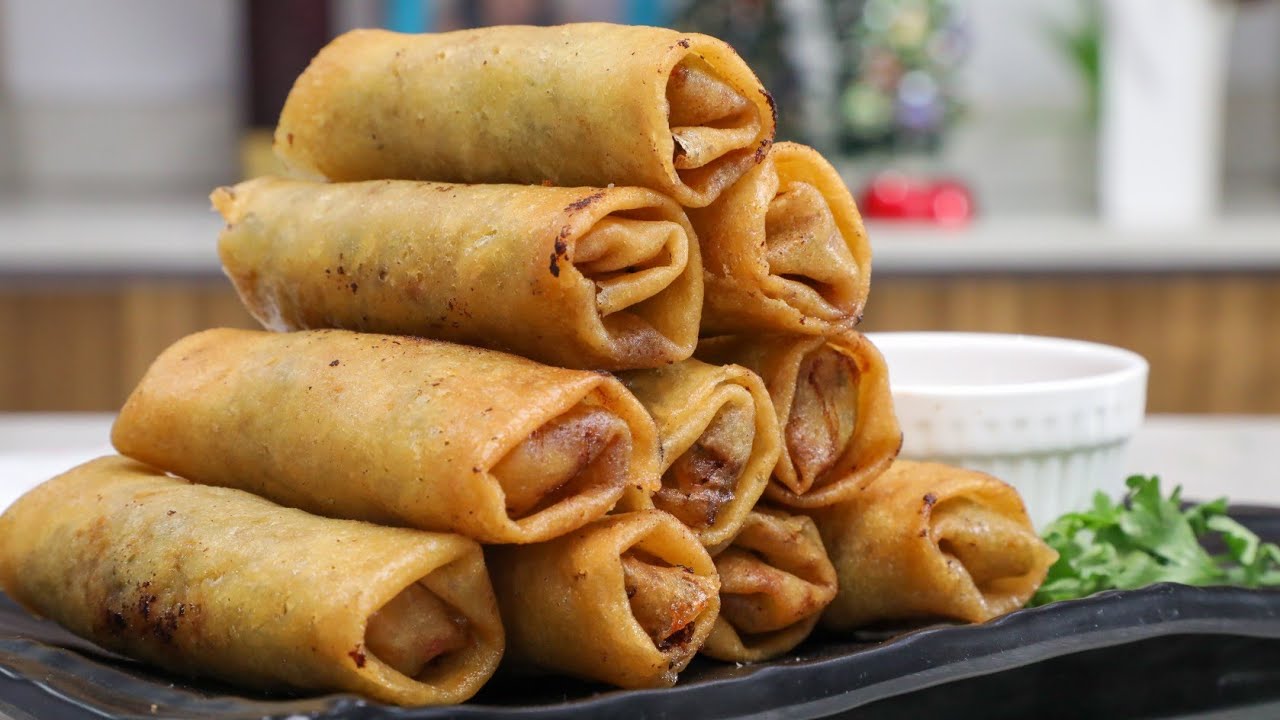
Vegetable Spring Rolls Recipe: Craving something crispy, flavorful, and packed with healthy goodness? Vegetable spring rolls might just be your new go-to snack or appetizer. These crunchy little delights are a favorite in Asian cuisine, enjoyed both fresh and fried around the world. Whether you’re looking for a vegetarian treat to serve at parties, or just something fun to cook on a weekend, this step-by-step guide will walk you through every stage of the process.
The beauty of spring rolls lies in their versatility. You can mix and match your favorite veggies, herbs, and seasonings to craft a filling that suits your taste perfectly. Plus, they’re surprisingly easy to make once you get the hang of rolling. In this guide, we’ll list all the ingredients you’ll need, break down the tools that make the job easier, and provide a foolproof process to ensure you get golden-brown, crispy perfection every time.
Let’s roll!
List of Ingredients You’ll Need
Vegetables
When it comes to the filling, fresh, colorful veggies are the stars of the show. Here’s what you’ll need:
- 1 cup shredded carrots – for sweetness and crunch
- 1 cup shredded cabbage – gives structure and volume
- 1/2 cup bell peppers (any color) – adds a pop of color and sweetness
- 1/2 cup bean sprouts – a light and fresh texture
- 2-3 spring onions – finely chopped for aroma and flavor
- 2 cloves garlic & 1-inch piece of ginger – minced for that essential punch
These veggies not only taste great but also give your rolls that perfect balance of softness and crunch.
Other Essentials
- Spring roll wrappers (store-bought or homemade)
- 1 tablespoon soy sauce – for umami
- 1 teaspoon sesame oil – adds nutty depth
- 1 teaspoon cornstarch mixed with 1 tbsp water – this slurry helps seal the rolls
- Salt and pepper – to season your filling just right
- Oil for frying – vegetable or canola oil works best
Optional Add-ins
Want to level up your filling? Here are some bonus ingredients you can toss in:
- Glass noodles (boiled and chopped) – add bulk and a fun texture
- Tofu (crumbled or cubed) – great protein addition
- Mushrooms – earthy and flavorful
- Fresh herbs like cilantro, mint, or Thai basil – for aroma and complexity
Kitchen Tools You’ll Need
Before you start, gather these tools to make things smoother:
- Sharp knife & cutting board – for prepping the veggies
- Large skillet or wok – to stir-fry the filling
- Mixing bowl – to mix and cool your filling
- Tongs or a slotted spoon – to handle the rolls safely
- Rolling surface – clean, dry area to wrap the rolls
- Paper towels or wire rack – to drain fried rolls and keep them crispy
A well-prepped kitchen means fewer hiccups while cooking!
Step-by-Step Guide to Making Vegetable Spring Rolls
Step 1: Prepare All the Ingredients
Wash and peel vegetables such as carrots, cabbage, and bell peppers. Julienne them into thin, uniform strips so they cook quickly and evenly. Finely chop green onions and prepare herbs like cilantro if using. Keeping ingredients similar in size ensures balanced texture in every bite.
Step 2: Cook the Filling
Heat oil in a wok or large pan over medium-high heat. Add minced garlic and grated ginger, stirring briefly until fragrant. Add the prepared vegetables and stir-fry for 3–5 minutes until slightly softened but still crisp. Season with soy sauce, a dash of sesame oil, salt, and pepper. Stir well to coat evenly.
Step 3: Let the Filling Cool
Transfer the cooked filling to a bowl and allow it to cool completely. Cooling is essential because hot filling can make the wrappers soggy and difficult to roll, leading to tearing during frying.
Step 4: Prepare the Wrappers
If using frozen spring roll wrappers, thaw them according to package instructions. Keep unused wrappers covered with a damp cloth to prevent drying out while you work.
Step 5: Assemble the Spring Rolls
Place one wrapper on a clean surface in a diamond shape. Spoon a small amount of filling near the bottom center. Fold the bottom corner over the filling, fold in the sides, then roll tightly upward. Brush the top edge with cornstarch slurry and seal firmly.
Step 6: Fry the Spring Rolls
Heat oil in a deep pan to 350°F (175°C). Fry spring rolls in batches, turning occasionally, until golden brown and crisp, about 3–4 minutes per batch. Avoid overcrowding to maintain oil temperature.
Step 7: Drain Excess Oil
Remove the spring rolls and drain on paper towels or a wire rack. Serve hot with sweet chili sauce, soy sauce, or your favorite dipping sauce.
Alternative Cooking Methods
Want to skip deep frying? No worries—there are healthier ways to cook these tasty bites.
Baking Option
If you’re avoiding fried food, baked spring rolls are a great option.
- Preheat your oven to 400°F (200°C).
- Lightly brush the assembled rolls with oil or spray with cooking spray.
- Place them on a baking sheet lined with parchment paper.
- Bake for 20–25 minutes, turning once halfway through for even browning.
They won’t be as crunchy as fried ones, but still delicious—and way lighter!
Air Fryer Method
Air fryers are awesome for spring rolls!
- Preheat your air fryer to 375°F (190°C).
- Lightly brush the rolls with oil.
- Arrange them in a single layer in the basket.
- Air fry for 10–12 minutes, shaking the basket halfway through.
You’ll get that crispy texture with almost no oil—total win!
Serving Suggestions
Let’s be honest—no spring roll is complete without a killer dip. Here are a few sauce ideas to make your rolls shine:
- Sweet chili sauce – classic and crowd-pleasing
- Soy sauce with chopped garlic and sesame oil
- Peanut dipping sauce – creamy, nutty goodness
- Hoisin sauce with a splash of lime
Want to make a full meal? Pair your spring rolls with:
- Steamed jasmine rice
- Stir-fried noodles
- Asian-style slaw
- Miso soup or clear broth
These little rolls go with just about anything!
Tips & Tricks for Perfect Spring Rolls
Want to take your spring roll game to the next level? Here’s what pros know:
- Don’t overfill! Too much filling = burst rolls.
- Keep wrappers moist under a damp towel while working.
- Seal edges tightly with slurry to avoid leaks during frying.
- Fry at the right temp – too low and they absorb oil, too high and they burn.
- Let filling cool completely before rolling.
Following these tips means your rolls will turn out crispy, golden, and packed with flavor every single time.
How to Store and Reheat Spring Rolls
Made too many rolls? Lucky you! Here’s how to store and enjoy them later:
Uncooked Spring Rolls
- Store in an airtight container with parchment between layers.
- Keep in the fridge for up to 2 days.
- Freeze for up to 1 month—wrap them tightly before freezing.
Cooked Spring Rolls
- Let them cool completely.
- Store in the fridge for up to 3 days.
- Reheat in an oven or air fryer for crispiness—avoid microwaving unless you like them soggy.
Make-Ahead Tips
Want to prep ahead for parties or busy nights?
- Assemble the rolls and freeze them uncooked.
- When ready to eat, fry or bake straight from frozen—no thawing needed!
- They’ll just take a few minutes longer to cook.
This makes spring rolls the perfect freezer snack for when cravings hit.
Customizing Your Spring Rolls
The best part about vegetable spring rolls? They’re completely customizable. You can tweak the ingredients based on your dietary needs, spice level, or just what you have lying around in the fridge. Let’s explore some of the most popular ways to mix things up:
Make It Gluten-Free
Most traditional spring roll wrappers contain wheat, but don’t worry—there are great gluten-free alternatives.
- Look for gluten-free rice paper wrappers (you’ll need to soften them in water before rolling).
- Make sure to use tamari or gluten-free soy sauce instead of regular soy sauce in the filling.
It’s an easy swap and perfect for gluten-sensitive eaters!
Spicy Spring Rolls
Love a little heat? Add some fire to your rolls!
- Toss in a few chopped chilies or chili flakes to the filling.
- Mix some Sriracha or hot sauce into the soy sauce when stir-frying.
- Serve with a spicy peanut sauce or chili garlic dip.
You’ll get that crunchy outer layer followed by a kick of heat in every bite.
Kid-Friendly Version
Want to make these for picky eaters or kids?
- Skip strong flavors like garlic or ginger.
- Stick to mild veggies like carrots, corn, and cabbage.
- Add a bit of cheese (yes, really—it melts slightly and makes it extra tasty for kids).
- Serve with ketchup or a sweet sauce.
It’s a sneaky way to load up on veggies and still be a kid favorite!
Health Benefits of Vegetable Spring Rolls
Sure, they’re tasty—but did you know spring rolls can be healthy too? When you pack them with fresh veggies and opt for baking or air frying, they make a surprisingly nutritious meal or snack.
Here’s why:
- Low in calories (especially when not deep-fried)
- Packed with fiber from the cabbage, carrots, and sprouts
- Rich in vitamins and antioxidants, thanks to colorful veggies
- You can make them vegan or plant-based without losing flavor
- Customizable for any diet—keto, gluten-free, low-carb
So go ahead, eat that extra roll (or three)—your body and taste buds will thank you.
Common Mistakes to Avoid
Spring rolls are fun to make, but a few missteps can mess up your final result. Keep these common mistakes in mind to avoid disaster:
1. Overstuffing the Roll
More filling doesn’t equal better flavor. In fact, it usually leads to the wrapper tearing or the roll bursting during frying. Keep it to about 2 tablespoons per roll.
2. Not Letting the Filling Cool
This makes your wrappers sticky, soggy, or torn. Always cool your filling before wrapping.
3. Wrappers Drying Out
Once you open the pack, keep your wrappers covered with a damp cloth at all times. Dry wrappers = cracks and tears.
4. Using the Wrong Oil Temperature
Too low, and your rolls soak up oil and get greasy. Too high, and they burn on the outside before cooking through. Stick to 350–375°F (175–190°C).
5. Not Sealing Properly
An open roll leaks filling and oil while frying. Use that cornstarch slurry like glue—don’t skip it!
FAQs about Vegetable Spring Rolls Recipe
1. Can I use rice paper instead of spring roll wrappers?
Yes! Rice paper is commonly used for fresh (unfried) spring rolls, but it can also be used for frying with care. Just make sure it’s not too wet when rolling or it’ll tear during cooking.
2. How long can I store spring rolls?
Uncooked spring rolls can be stored in the fridge for up to 2 days, or frozen for 1 month. Cooked rolls stay good for about 3 days in the fridge—reheat in the oven or air fryer to keep them crispy.
3. What oil is best for frying?
Use a neutral, high-smoke-point oil like vegetable oil, canola oil, or sunflower oil. Avoid olive oil, as it can burn quickly and add unwanted flavor.
4. Are vegetable spring rolls vegan?
Absolutely! As long as you avoid adding any meat, egg, or animal-based sauces, your rolls are completely vegan and plant-based.
5. Can I make these without frying?
Yes! You can bake or air fry your spring rolls for a healthier alternative. Just brush them with a little oil to help them crisp up without all the deep-frying.
Conclusion
Vegetable spring rolls are one of those magical recipes that combine crunch, flavor, color, and satisfaction all in one crispy bite. Whether you’re whipping them up for a party, a quick lunch, or a cozy night in, this recipe gives you the flexibility to create something delicious, healthy, and totally yours.
From chopping the veggies to the first satisfying crunch, making spring rolls is a hands-on, fun process. And the best part? You don’t need to be a pro chef to get it right. With a bit of practice (and this step-by-step guide), you’ll be rolling like a master in no time.
So grab your ingredients, clear some space on your countertop, and get rolling—literally!