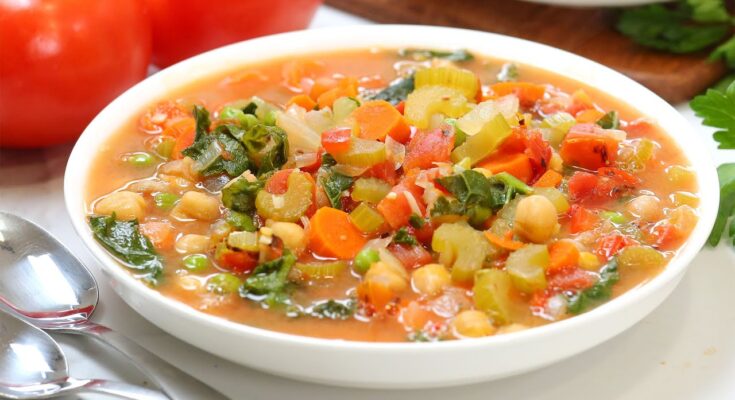
Vegetable Soup Recipe: Nothing beats a warm, hearty bowl of vegetable soup—especially on chilly nights, lazy weekends, or when you’re just craving something light yet filling. Vegetable soup is a timeless classic, loved across the globe for its rich flavors, simplicity, and health benefits. Whether you’re looking to eat clean, serve a crowd, or just use up leftover veggies in your fridge, this go-to recipe is a must-have in every home cook’s collection.
The beauty of vegetable soup lies in its versatility. You can make it thick and chunky, creamy and smooth, spicy, or mild—tailored exactly to your taste. Plus, it’s budget-friendly, meal-prep-friendly, and incredibly satisfying. From comforting sick days to elegant dinner starters, vegetable soup fits any occasion.
In this article, you’ll learn how to make the perfect bowl of vegetable soup, step by step. We’ll break down all the ingredients, preparation techniques, cooking process, and share tips, tricks, and variations to suit your needs. Ready to get cooking? Let’s dive in.
Health Benefits of Vegetable Soup
Eating vegetable soup isn’t just about flavor—it’s also a powerhouse of nutrition. Packed with vitamins, minerals, and antioxidants, each spoonful helps fuel your body with essential nutrients that support overall health. Since you’re using a variety of vegetables, you’re also getting a variety of plant-based compounds known to fight inflammation, boost immunity, and improve digestion.
What makes this soup particularly great is its low-calorie yet high-fiber content. It keeps you full longer, making it ideal for weight management. A good bowl of veggie soup is also low in fat and cholesterol-free, especially when made without cream or added meat.
Some common ingredients like garlic, carrots, celery, and spinach bring in Vitamin A, Vitamin C, potassium, folate, and iron. Herbs and spices like turmeric, ginger, and oregano offer anti-inflammatory benefits too. And if you’re going the plant-based route, it’s also a great meal for vegetarians and vegans alike.
So, the next time you’re wondering what to eat that’s healthy and tasty, vegetable soup is your answer!
Why Make Homemade Vegetable Soup?
Sure, you could grab a can of vegetable soup from the store, but making it from scratch? That’s a whole different game. Homemade soup gives you full control over the ingredients, flavors, salt content, and texture. Want it spicy? Add more chili flakes. Need it low-sodium? Use your own broth and skip the extra salt.
Store-bought soups often contain preservatives, added sugars, and excess sodium. Homemade soup is clean, fresh, and tailored to your taste buds. Plus, it’s a great way to reduce food waste. Those veggies in the back of your fridge? Perfect for soup!
Cooking your own soup also fills your home with a delicious aroma and gives you that comforting feeling of a home-cooked meal. It’s a simple yet rewarding experience that anyone—even beginners—can enjoy.
List of Ingredients You’ll Need
Let’s get down to the good stuff. Here’s what you’ll need to make a delicious pot of vegetable soup. These ingredients can be swapped or added to depending on your preferences:
Basic Vegetables:
- Onions (1 large, diced)
- Garlic (3–4 cloves, minced)
- Carrots (2–3, chopped)
- Celery (2 stalks, sliced)
- Potatoes (2 medium, diced)
- Tomatoes (2 large or 1 can diced)
- Green beans (1 cup, chopped)
- Peas (½ cup)
- Corn (½ cup)
- Zucchini (1, chopped)
- Spinach or kale (1–2 cups)
Spices & Seasonings:
- Salt (to taste)
- Black pepper (½ tsp)
- Dried oregano (1 tsp)
- Basil (1 tsp)
- Bay leaf (1)
- Paprika or chili flakes (optional)
Liquids:
- Vegetable broth or water (6–8 cups)
- Olive oil (2 tbsp for sautéing)
Optional Add-ins:
- Lemon juice (for freshness)
- Cooked pasta or rice
- Beans (like chickpeas or kidney beans)
- Coconut milk (for a creamy version)
Want a thicker soup? Add a tablespoon of tomato paste or mash a few potatoes once cooked.
Equipment You’ll Need
To whip up this soup, you won’t need anything fancy. Most of the items are already in your kitchen:
- Large pot or Dutch oven
- Wooden spoon or spatula
- Knife and cutting board
- Peeler
- Measuring cups and spoons
- Ladle (for serving)
- Blender (optional, for creamy soup)
Prepping all your ingredients first, also known as mise en place, helps streamline the process and reduces cooking stress.
Prepping the Vegetables
Proper preparation is key to even cooking and great texture. Start by washing all your vegetables thoroughly—especially root veggies and leafy greens. Peel where necessary (like carrots or potatoes), and then chop them into uniform sizes. This ensures everything cooks evenly and avoids mushy textures.
For aromatics like onions and garlic, mince them finely so they blend well into the soup base. For hearty veggies like carrots and potatoes, dice them small so they soften quickly. Delicate veggies like spinach or zucchini can be chopped roughly and added later in the cooking process to avoid overcooking.
Want to save time? You can also use pre-cut or frozen vegetables. Just remember frozen veggies may cook faster.
Step-by-Step Guide to Making Vegetable Soup
Now the fun part—cooking! Follow these steps closely and you’ll have a comforting, flavorful soup in under an hour.
Step 1: Sauté the Base
Heat a little oil or butter in a large pot over medium heat. Add chopped onions, garlic, and celery. Sauté for a few minutes until soft and fragrant—this forms the flavor foundation of your soup.
Step 2: Add Vegetables and Cook
Add harder vegetables first, such as carrots, potatoes, or green beans. Stir and cook for 3–5 minutes to lightly soften them. Then add softer vegetables like zucchini, bell peppers, or tomatoes so they don’t overcook.
Step 3: Pour in Broth or Water
Pour in vegetable broth for richer flavor or water for a lighter soup. Add enough to cover the vegetables. Bring the mixture to a gentle boil.
Step 4: Simmer and Season
Reduce heat to low and let the soup simmer for 15–25 minutes, until all vegetables are tender. Season with salt, black pepper, herbs (like thyme or bay leaf), and a splash of soy sauce or lemon juice if desired. Taste and adjust.
Step 5: Final Touches and Serve
Add leafy greens such as spinach or kale in the last few minutes. Remove from heat and drizzle with olive oil or sprinkle fresh herbs. Serve hot with bread or crackers for a comforting meal.
Tips to Make the Best Vegetable Soup
Want to elevate your vegetable soup from good to unforgettable? It’s all in the details. Here are some pro tips to help you nail it every time:
1. Use Fresh, Seasonal Vegetables
The fresher your ingredients, the better your soup will taste. Shop at your local farmers market or use what’s in season. In the summer, zucchini and corn shine. In winter, root veggies like sweet potatoes, parsnips, and turnips add warmth and depth.
2. Build Flavor in Layers
Don’t just dump everything in the pot and hope for the best. Sauté your aromatics—onion, garlic, carrots, and celery—first. This caramelizes their sugars and brings out a deeper flavor. Adding your herbs and spices early helps release their natural oils, enhancing taste.
3. Don’t Overcook
This is one of the most common soup mistakes. Overcooked vegetables turn to mush and lose their nutrients. Start with harder vegetables like carrots and potatoes, and save softer ones (spinach, zucchini, peas) for the last 5–10 minutes.
4. Taste As You Go
Soup should never be bland. Taste it before serving and adjust the seasoning. Sometimes just a dash of salt, a squeeze of lemon, or a sprinkle of herbs makes all the difference.
5. Add a Umami Boost
If your soup tastes “flat,” try adding a touch of soy sauce, nutritional yeast, a splash of balsamic vinegar, or even a spoon of miso paste. These ingredients enhance flavor and add depth without overpowering the veggies.
6. Use Homemade Broth (If You Can)
Store-bought broth works in a pinch, but if you can make your own, your soup will be next-level delicious. Just simmer veggie scraps with herbs and strain—it’s easier than you think.
Variations of Vegetable Soup
One of the best things about vegetable soup is how flexible it is. You can make a dozen versions with the same base just by switching up a few ingredients or techniques.
1. Creamy Vegetable Soup
Want something thicker and richer? Blend a portion of your soup and stir it back in, or add a splash of coconut milk or cream. For a dairy-free option, use soaked cashews blended with broth for a silky smooth texture.
2. Spicy Vegetable Soup
Add chili flakes, cayenne pepper, or even a spoonful of hot sauce to bring some heat. You can also sauté jalapeños or fresh chilies with your onions to kick it up a notch.
3. Asian-Inspired Vegetable Soup
Swap traditional herbs for ginger, garlic, soy sauce, and a splash of sesame oil. Add bok choy, mushrooms, and tofu for a twist. Top with green onions and a drizzle of sriracha for that restaurant feel.
4. Italian Vegetable Soup
Think minestrone-style: Add kidney beans, pasta, and Italian seasoning. A spoonful of pesto or grated Parmesan on top takes it over the top.
5. Mexican Vegetable Soup
Toss in black beans, corn, tomatoes, and cumin. Add avocado slices, tortilla strips, and lime juice at the end for a zesty finish.
This soup is like a blank canvas—you get to paint it with your favorite flavors!
How to Store and Reheat Vegetable Soup
Vegetable soup stores beautifully, making it an ideal meal prep option.
Storage Tips:
- Fridge: Store in airtight containers and refrigerate for up to 5 days.
- Cool Before Storing: Let the soup cool to room temperature before sealing. This prevents condensation and spoilage.
Reheating Tips:
- Stovetop: Heat over medium heat until hot, stirring occasionally.
- Microwave: Reheat in a microwave-safe bowl in 1–2 minute intervals, stirring in between.
- Add Liquid If Needed: Soups thicken when chilled. Add a splash of broth or water to restore the right consistency.
Can You Freeze Vegetable Soup?
Absolutely! Vegetable soup is freezer-friendly and can last up to 3 months when stored properly.
How to Freeze It:
- Let the soup cool completely.
- Portion it into freezer-safe bags or containers (leave space for expansion).
- Label with date and contents.
- Freeze flat for easy stacking.
Thawing and Reheating:
- Fridge: Let it thaw overnight in the fridge before reheating.
- Stovetop: Reheat directly from frozen in a pot on low heat, adding water or broth if needed.
Pro tip: Avoid freezing soups with pasta or potatoes—they can become mushy. Instead, freeze the base and add those fresh when reheating.
How to Make Vegetable Soup in a Slow Cooker
Using a slow cooker makes things even easier—and the longer cooking time helps deepen the flavor.
Steps:
- Add all chopped veggies, spices, and broth to the slow cooker.
- Stir everything to combine.
- Set to LOW for 6–8 hours or HIGH for 3–4 hours.
- Add tender veggies like spinach or peas in the last 30 minutes.
No stirring, no watching, just dump-and-go!
Vegetable Soup in an Instant Pot
Pressed for time? The Instant Pot is your best friend. Here’s how to use it:
Instant Pot Instructions:
- Turn on Sauté Mode, heat olive oil, and sauté onions, garlic, carrots, and celery.
- Add the rest of your veggies, broth, herbs, and bay leaf.
- Lock the lid, set valve to Sealing, and cook on High Pressure for 7 minutes.
- Quick release the pressure, stir in final ingredients (like spinach), and adjust seasoning.
Done in under 30 minutes with all the flavor of a slow simmer.
Serving Suggestions
Vegetable soup is cozy on its own—but pairing it up can turn it into a full meal.
Try These Combos:
- Crusty bread or garlic toast
- Grilled cheese sandwich
- Rice or quinoa on the side or stirred in
- Avocado toast
- Fresh salad
For garnishes, top with:
- Chopped fresh herbs (parsley, cilantro, chives)
- A dollop of pesto or sour cream
- Grated cheese
- Croutons or crispy chickpeas
- A swirl of olive oil or chili oil
Common Mistakes to Avoid
Even the simplest soup can go wrong without a little care. Here’s what to watch out for:
1. Overcooking the Veggies
Each vegetable cooks at a different speed. Add them in stages so they don’t all turn mushy.
2. Skipping the Sauté
Don’t throw raw onions and garlic straight into boiling water—it dulls their flavor. Sauté them first to bring out their natural sweetness.
3. Overseasoning Early
Broth reduces as it simmers, concentrating saltiness. Always season lightly at first and adjust at the end.
4. Not Tasting Along the Way
Soup needs balance—sweetness, saltiness, acidity. Taste often and tweak until it’s just right.
5. Using Low-Quality Broth
The broth is your soup’s backbone. If you’re using store-bought, go for low-sodium and organic when possible. Or better yet, make your own!
FAQs about Vegetable Soup Recipe
1. Can I use frozen vegetables instead of fresh ones?
Yes! Frozen veggies work great and save time. Just add them straight to the pot—no thawing needed. Adjust the cooking time slightly as they cook faster than fresh.
2. How can I make my soup more filling?
Add beans, lentils, pasta, or grains like rice or barley. These ingredients provide extra fiber and protein, making your soup more hearty.
3. Is vegetable soup good for weight loss?
Absolutely. It’s low in calories, high in fiber, and packed with nutrients. Just skip creamy additions or heavy toppings if you’re watching your calories.
4. Can I pressure can vegetable soup for long-term storage?
Yes, but only if it doesn’t contain pasta, rice, or dairy. Always follow safe pressure-canning guidelines to avoid spoilage.
5. What vegetables should I avoid putting in soup?
Avoid vegetables with high water content like cucumber and lettuce—they get mushy and add little flavor. Stick with root veggies, legumes, and leafy greens for best results.
Conclusion
There you have it—a complete, step-by-step guide to making the ultimate vegetable soup. Whether you’re whipping up a cozy weeknight meal or prepping ahead for busy days, this hearty, healthy dish is a reliable winner. It’s simple, satisfying, and endlessly customizable. Once you master the basics, you’ll find yourself making this soup again and again, each time a little different—and even better than before.
Grab those veggies, fire up the stove, and enjoy a pot of homemade goodness that’s sure to warm your belly and your soul.