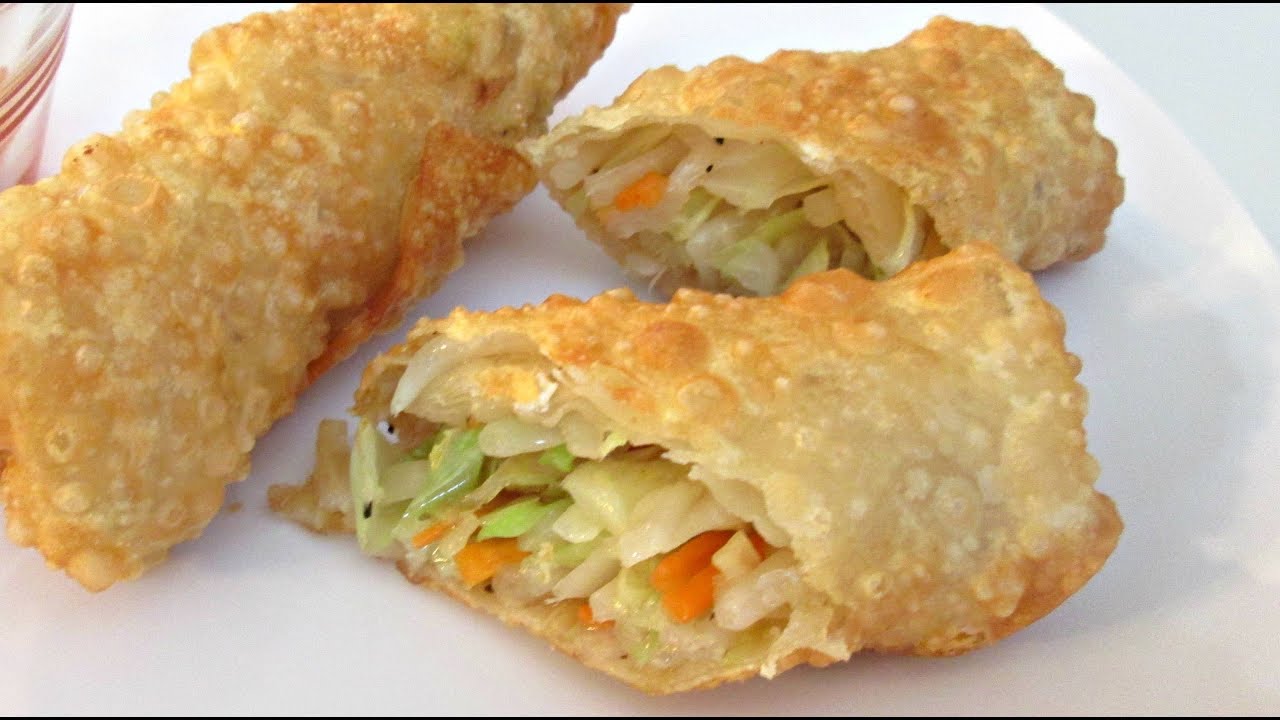
Vegetable Egg Roll Recipe: Crispy, golden, and packed with fresh vegetables—vegetable egg rolls are the ultimate comfort food and one of the most beloved appetizers across the world. Whether you’re enjoying them as a side dish with your favorite Chinese takeout or making them at home for a snack night, these rolls always hit the spot. And the best part? You don’t need to be a professional chef to make them from scratch!
In this guide, we’re diving deep into how to make restaurant-style vegetable egg rolls at home—crispy on the outside, tender and flavorful on the inside. From prepping your veggies to mastering the perfect roll and getting that golden crunch, we’ve got every step covered. Whether you want to deep fry them, bake them, or throw them in the air fryer, this guide has all the options.
So, ready to roll up your sleeves and learn how to make the best veggie egg rolls of your life? Let’s get started.
Ingredients You’ll Need
To create delicious and crispy vegetable egg rolls, start by gathering all your ingredients. Using fresh and colorful vegetables not only makes your rolls tastier but also healthier. This section breaks down every component you’ll need, along with optional add-ins that can take your rolls to the next level.
Vegetables
The heart of a great egg roll is the veggie filling. Here’s what you’ll need:
- Cabbage (Green or Napa) – Finely shredded; provides a juicy crunch and makes up the bulk of your filling.
- Carrots – Grated or julienned; they add a natural sweetness and a pop of color.
- Bell Peppers – Red, yellow, or green; chopped finely for sweetness and texture.
- Green Onions – Thinly sliced; for a sharp bite and color contrast.
- Bean Sprouts – Optional, but great for adding a crunchy texture.
Each vegetable contributes something unique to the filling. Make sure all veggies are chopped evenly to ensure they cook uniformly and fit nicely into the wrappers.
Protein (Optional)
If you’d like to boost the protein content or make the filling heartier, consider adding:
- Tofu – Crumbled or pan-fried tofu absorbs flavor well and adds a meaty texture.
- Eggs – Scrambled and mixed into the filling for a classic touch.
Aromatics and Flavorings
This is where the real flavor magic happens.
- Garlic (2-3 cloves) – Minced, adds depth and aroma.
- Ginger (1-inch piece) – Grated fresh ginger brings warmth and zing.
- Soy Sauce (2 tbsp) – For that umami punch.
- Sesame Oil (1 tsp) – A little goes a long way to add nutty flavor.
- Salt and Pepper – To taste.
These ingredients work together to create that familiar savory and slightly tangy egg roll flavor you love.
Wraps and Sealants
- Egg Roll Wrappers – Found in most grocery stores near the produce or refrigerated sections.
- Cornstarch Slurry (1 tbsp cornstarch + 2 tbsp water) – Acts like glue to seal your rolls.
Alternatively, you can use a beaten egg for sealing, especially if you’re also including eggs in the filling.
For Frying
- Vegetable Oil or Canola Oil – You need enough oil to submerge at least half the egg roll while frying. Choose a neutral oil with a high smoke point.
Kitchen Tools You’ll Need
Before you begin, make sure your kitchen is stocked with the right tools for the job. Here’s what you’ll need:
- Cutting board and sharp knife – For chopping vegetables evenly.
- Wok or large skillet – Essential for stir-frying the filling.
- Mixing bowls – For tossing and seasoning ingredients.
- Tongs or slotted spoon – Helps while frying and flipping the egg rolls.
- Paper towels – For draining excess oil after frying.
- Plate or tray with parchment paper – For placing the rolled-up egg rolls before frying.
Having these tools ready will make your cooking process smoother and faster.
Step-by-Step Guide to Making Vegetable Egg Rolls
Step 1: Prep All Ingredients
Wash all vegetables thoroughly. Finely chop onions, bell peppers, and green onions. Grate carrots and shred cabbage for even texture and quick cooking. If using tofu, press out excess moisture and crumble it into small pieces. Keep everything ready before cooking to make the process smooth.
Step 2: Cook the Filling
Heat oil in a pan over medium heat. Add minced garlic and grated ginger, sautéing briefly until fragrant. Add the chopped vegetables, starting with firmer ones like carrots and cabbage. Cook for 4–6 minutes until vegetables are tender but still slightly crisp. Stir in soy sauce, a little sesame oil, salt, and pepper. Cook for another minute, then remove from heat. Allow the filling to cool completely—this prevents soggy wrappers.
Step 3: Set Up Wrapping Station
Lay out egg roll wrappers, the cooled filling, and a small bowl of cornstarch slurry (cornstarch mixed with water). Use a clean, dry surface and keep wrappers covered with a damp cloth to prevent drying out.
Step 4: Wrap the Egg Rolls
Place a wrapper on the surface in a diamond shape. Spoon filling into the center. Fold the bottom corner over the filling, fold in the sides, then roll tightly upward. Brush the top edge with cornstarch slurry and seal firmly.
Step 5: Fry the Egg Rolls
Heat oil in a deep pan to 350°F (175°C). Fry egg rolls in batches, turning occasionally, for 3–4 minutes until golden brown and crisp. Remove and drain on paper towels to absorb excess oil.
Step 6: Serve and Enjoy
Serve hot with dipping sauces such as sweet chili sauce, soy sauce, or peanut sauce. Garnish with chopped green onions or sesame seeds for extra flavor and presentation.
Tips for Perfect Vegetable Egg Rolls
Even though egg rolls are fairly simple, a few key tips can make all the difference between average and restaurant-quality.
✅ Cool the filling before wrapping: Hot filling = soggy wrappers and tears.
✅ Use the right amount of filling: Too much and it’ll burst open, too little and it’ll feel empty. Aim for about 2-3 tablespoons.
✅ Seal tightly: Gaps or loose ends can cause the rolls to open while frying.
✅ Don’t skip the sealing step: That cornstarch slurry or egg wash is the glue that holds it all together.
✅ Fry in small batches: This keeps the oil temperature consistent and prevents greasy rolls.
✅ Drain properly: Always use paper towels or a wire rack to get rid of excess oil.
These simple adjustments make a massive difference in the final result.
Baking or Air Frying Option
Not a fan of deep frying? No problem. You can still get that crispy exterior using an oven or air fryer with a lot less oil.
Air Fryer Method:
- Preheat air fryer to 380°F (195°C).
- Spray egg rolls lightly with cooking oil spray.
- Place in the basket in a single layer.
- Air fry for 10-12 minutes, turning halfway through, until golden and crispy.
Oven-Baked Method:
- Preheat oven to 400°F (200°C).
- Place egg rolls on a baking sheet lined with parchment.
- Brush or spray with oil.
- Bake for 20-25 minutes, flipping halfway through.
While the texture isn’t exactly like deep-fried, you’ll still get a nice crunch and way less cleanup. Plus, it’s a healthier option if you’re cutting back on fried foods.
Storage and Reheating
So, you made a big batch of egg rolls and now you’ve got leftovers (lucky you!). The good news? Vegetable egg rolls store and reheat really well—if you do it the right way. No one wants a soggy, sad egg roll the next day, right?
How to Store Cooked Egg Rolls:
- Let them cool completely before storing.
- Place in an airtight container lined with paper towels to absorb any leftover oil.
- Store in the refrigerator for up to 3-4 days.
Freezing Cooked or Uncooked Egg Rolls:
- Uncooked: Lay on a tray in a single layer, freeze until solid, then transfer to a zip-lock freezer bag. Will last up to 2 months.
- Cooked: Let them cool, then follow the same method. Reheat directly from frozen—no need to thaw!
Reheating Tips:
Want to keep that crisp? Skip the microwave!
- Oven: 375°F (190°C) for 10–12 minutes, flipping once
- Air Fryer: 350°F (175°C) for 5–7 minutes
- Skillet: Lightly pan-fry over medium heat for 3–4 minutes per side
Microwave Option: Only if you’re desperate—expect a softer texture.
Pro Tip: If reheating from frozen, add 2–3 extra minutes to cooking time and don’t thaw first—it makes the rolls soggy.
Common Mistakes to Avoid
Even though making egg rolls is pretty straightforward, there are a few common traps that can ruin your crunchy creations. Here’s what to look out for and how to avoid them:
❌ Overfilling the Wrapper
- It might be tempting to stuff them full, but this leads to breakage and uneven cooking.
- Stick to about 2–3 tablespoons of filling per roll.
❌ Not Sealing Properly
- Always use a cornstarch slurry or egg wash to glue down the final corner.
- A loose or open edge will unravel in hot oil.
❌ Frying in Cold Oil
- If the oil isn’t hot enough, your rolls will absorb oil and come out soggy.
- Use a thermometer and keep it around 350°F (175°C).
❌ Skipping the Cooling Step
- Never wrap hot filling—it will steam the wrapper from inside out, causing tears and mushy texture.
- Always cool your mixture before wrapping.
❌ Using Too Much Oil for Brushing (Baked Rolls)
- When baking or air frying, go light on the oil spray.
- A thin coating is enough for crispiness without becoming greasy.
Avoid these mistakes and you’ll consistently get egg rolls that are crispy, flavorful, and absolutely satisfying.
Nutritional Info (Per Serving)
While egg rolls aren’t exactly “diet food,” when you make them at home, you can control the ingredients and make them healthier.
| Nutrient | Per 1 Egg Roll (Fried) |
|---|---|
| Calories | 150–180 kcal |
| Carbohydrates | 18g |
| Protein | 4g |
| Fat | 8g |
| Fiber | 2g |
| Sodium | 300mg |
Healthier Option: Try air-frying or baking to reduce fat by nearly 50%. You can also swap in whole wheat wrappers or load up on extra veggies.
Keep in mind—values can vary depending on the filling, size of rolls, and cooking method. These are rough estimates, but still helpful for anyone tracking nutrition.
FAQs about Vegetable Egg Roll Recipe
1. Can I freeze vegetable egg rolls before frying?
Yes! In fact, freezing them before frying is a great way to prep in advance. Just wrap and seal your egg rolls, place them on a baking sheet to freeze individually, then transfer to a freezer bag. They’ll last up to 2 months. You can fry them straight from frozen—just add 1–2 minutes to the cooking time.
2. What’s the best dipping sauce for egg rolls?
It depends on your taste! Classic options include sweet chili sauce, soy sauce, garlic soy dipping sauce, hoisin, and spicy mustard. You can also mix soy sauce with rice vinegar, a little sugar, garlic, and red pepper flakes for a quick homemade dip.
3. Can I make these gluten-free?
Absolutely. Look for gluten-free egg roll wrappers (often sold at specialty or Asian grocery stores) and use tamari instead of regular soy sauce. Be sure to double-check all your ingredients, including the dipping sauce.
4. How do I keep egg rolls crispy after frying?
Drain them on paper towels or a wire rack immediately after frying. Avoid covering them with foil or placing them in a sealed container while they’re still hot—that traps steam and softens them. If you’re serving later, keep them warm in a 200°F (90°C) oven.
5. Can I use coleslaw mix instead of chopping cabbage and carrots?
Totally! Coleslaw mix is a great time-saving shortcut. Just make sure to sauté it well to remove excess moisture, and you’re good to go.
Conclusion
And there you have it—your complete, step-by-step guide to making crispy, flavorful vegetable egg rolls right at home. Whether you fry them, bake them, or pop them into the air fryer, these rolls deliver that irresistible crunch with every bite.
They’re the perfect way to use up extra veggies, a fun cooking project for the weekend, and a total crowd-pleaser at any party. Plus, once you’ve got the technique down, you can customize them endlessly—try adding mushrooms, glass noodles, or even spicy kimchi for your own twist.
So next time you’re craving that crispy restaurant-style egg roll, skip the takeout menu and roll up your own. You’ve got the tools, the tips, and the know-how.
Happy cooking—and happy crunching!