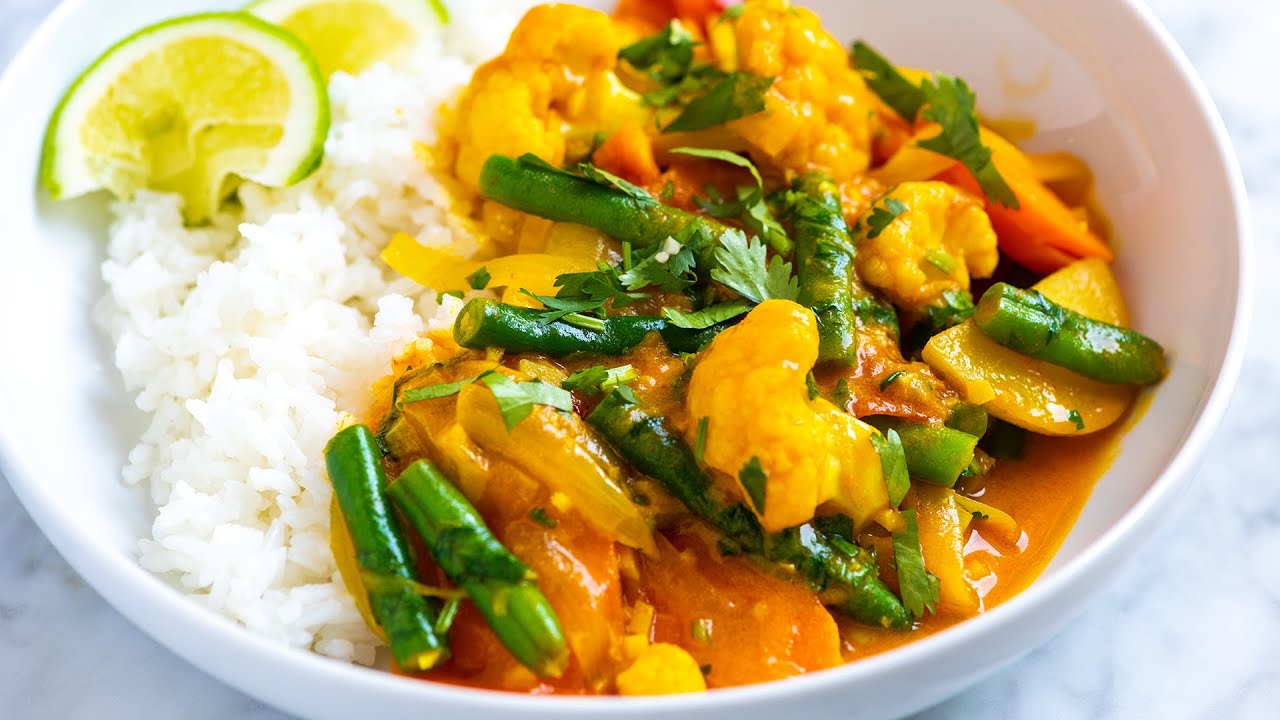
Vegetable Curry Recipe: When you think of comfort food that’s both healthy and packed with flavor, vegetable curry tops the list. It’s warm, rich, and satisfying—like a hug in a bowl. Whether you’re vegetarian, vegan, or just trying to add more plants to your meals, this dish is a go-to option that never disappoints. Plus, it’s endlessly customizable! You can swap ingredients based on what’s in your fridge and still end up with a mouthwatering meal.
What makes vegetable curry stand out is its incredible blend of spices. Unlike bland or one-note dishes, every bite of curry delivers layers of flavor—spicy, savory, and slightly sweet with a bit of zing depending on the ingredients you use. And the best part? You don’t need to be a professional chef to pull this off at home. With a few simple steps and fresh ingredients, you can whip up a restaurant-worthy curry right in your own kitchen.
Benefits of Making Vegetable Curry at Home
Making your own vegetable curry isn’t just satisfying—it comes with some real benefits, too. First off, let’s talk about health. This dish is naturally loaded with fiber, vitamins, and antioxidants from all those vibrant vegetables. If you’re using coconut milk or tomato-based sauce, you’re also getting healthy fats and a good dose of lycopene.
Secondly, cooking at home saves money. Think about it: one serving of curry at a restaurant can easily cost 2–3 times what it would take to make a huge pot at home. And guess what? You’ll likely have leftovers, which means less time spent cooking later in the week. Win-win.
Lastly, home-cooked curry means full control. You choose the spice level. You pick the veggies. Want it creamy or more broth-like? You decide. Plus, it’s a great way to sneak in all those veggies you or your family might usually avoid.
List of Ingredients You’ll Need
Here’s where it all begins—your ingredient list. Don’t worry, most of these are easy to find at any grocery store, and many are probably already in your pantry.
Fresh Vegetables (you can mix and match based on preference):
- 1 cup chopped carrots
- 1 cup cauliflower florets
- 1 cup diced potatoes (sweet or regular)
- 1 cup chopped bell peppers (any color)
- 1 cup chopped green beans
- 1 cup peas
- 1 chopped zucchini or eggplant (optional)
Herbs and Spices:
- 1 tablespoon curry powder (or garam masala for an Indian twist)
- 1 teaspoon turmeric
- 1 teaspoon ground cumin
- 1 teaspoon paprika or chili powder (adjust to taste)
- Salt and black pepper to taste
- Fresh cilantro for garnish
Pantry Essentials:
- 2 tablespoons cooking oil (coconut oil or vegetable oil)
- 1 large onion, finely chopped
- 3 cloves garlic, minced
- 1 tablespoon grated ginger
- 1 can (14 oz) diced tomatoes
- 1 can (14 oz) coconut milk
- ½ cup vegetable broth or water (if needed)
Optional Add-Ons:
- 1 can chickpeas (for protein)
- Paneer or tofu cubes (for added texture)
- A squeeze of lemon or lime juice for brightness
These ingredients are flexible. You can swap out based on seasonal veggies or personal taste. That’s the beauty of a dish like curry—it’s never boring.
Essential Kitchen Equipment
You don’t need a fancy kitchen to make great curry. Just a few basic tools can get the job done efficiently.
Must-Haves:
- A large pot or deep skillet
- Cutting board and sharp knife
- Wooden spoon or spatula
- Garlic press (optional, but helpful)
- Blender (only if you prefer a smooth curry sauce)
If you’ve got these, you’re more than ready to start cooking. Let’s move on to the fun part—making the curry!
Step-by-Step Guide to Making Vegetable Curry
Now it’s time to bring everything together. These steps will walk you through the process, from prepping your vegetables to serving up a steaming bowl of curry goodness.
Step 1: Wash and Prep the Vegetables
Wash all vegetables thoroughly under running water. Peel and chop vegetables like potatoes, carrots, and squash, and cut softer vegetables such as bell peppers, zucchini, or cauliflower into even bite-sized pieces. Uniform sizing helps everything cook evenly.
Step 2: Sauté the Base – Onions, Garlic, and Ginger
Heat oil in a large pot or pan over medium heat. Add finely chopped onions and cook until soft and lightly golden. Stir in minced garlic and grated ginger, cooking for 30–60 seconds until fragrant. This aromatic base forms the foundation of the curry.
Step 3: Add the Spices – Build the Flavor
Add ground spices such as curry powder, cumin, coriander, turmeric, and chili powder. Stir constantly for about 30 seconds to toast the spices and release their natural oils. This step enhances the depth and warmth of the curry.
Step 4: Stir in Tomatoes and Simmer
Add chopped tomatoes or tomato purée and mix well with the spices. Let the mixture simmer for 5–8 minutes, stirring occasionally, until it thickens and the oil begins to separate. This removes the raw tomato taste and concentrates flavor.
Step 5: Add Vegetables and Cook Until Tender
Add the chopped vegetables to the pot, starting with firmer ones like potatoes and carrots. Stir to coat them evenly in the sauce. Cook for a few minutes so they absorb the spices.
Step 6: Pour in Coconut Milk or Water
Add coconut milk for a rich, creamy curry or water for a lighter version. Pour in enough liquid to just cover the vegetables. Stir gently.
Step 7: Simmer and Let Flavors Combine
Cover and simmer on low heat for 20–25 minutes, stirring occasionally, until vegetables are tender and the sauce thickens.
Step 8: Adjust Seasoning and Garnish
Taste and adjust salt and spice levels. Finish with fresh herbs like cilantro and a squeeze of lemon juice. Serve hot with rice or flatbread.
Serving Suggestions
Now that your vegetable curry is ready and bursting with flavor, let’s talk about how to serve it. Pairing it with the right sides can elevate your meal from great to unforgettable.
Here are some tasty serving ideas:
- Steamed Basmati Rice: The classic combo. Light, fluffy rice soaks up the rich curry sauce perfectly.
- Jeera (Cumin) Rice: Add a touch of ghee or oil, cumin seeds, and a little salt for a fragrant twist.
- Naan or Roti: Warm, soft Indian bread like naan or whole wheat roti is perfect for scooping up curry.
- Brown Rice or Quinoa: Looking for a healthier base? These fiber-rich grains are great alternatives.
- Cauliflower Rice: Low-carb and light, but still holds the curry beautifully.
Add a simple cucumber and onion salad on the side, or a dollop of plain yogurt or raita for a cooling contrast. If you’re serving guests, consider offering a side of pickles or papad (crispy lentil crackers) for an extra crunch.
Curry is meant to be shared and savored—so go ahead and enjoy every bite.
Storage and Reheating Tips
Curry leftovers are a gift. In fact, they often taste even better the next day as the flavors continue to develop. But how you store and reheat it can make a big difference in texture and taste.
Storing Leftovers:
- Let the curry cool to room temperature before storing.
- Transfer to airtight containers.
- Store in the fridge for up to 4 days.
- You can also freeze it for up to 3 months. Use freezer-safe containers or heavy-duty ziplock bags.
Reheating Tips:
- If refrigerated, reheat gently on the stove over medium heat. Add a splash of water or coconut milk to loosen it up.
- In the microwave, cover loosely and heat in intervals, stirring in between.
- If frozen, thaw in the fridge overnight before reheating.
Avoid overheating, especially if your curry contains coconut milk—it can separate and affect the texture. Stir gently and heat slowly for best results.
Common Mistakes to Avoid
Even though vegetable curry is a forgiving dish, there are a few rookie mistakes that can trip you up. Avoiding these will help you get the best result every time.
- Adding All the Veggies at Once: Different vegetables cook at different rates. Potatoes need more time than peas or zucchini. Stagger the cooking times to avoid mushy or undercooked veggies.
- Skipping the Spice Toasting Step: Don’t just toss the spices in and move on. Toasting spices in oil is key to releasing their full flavor.
- Not Seasoning in Layers: Taste as you go! Add salt early, then adjust later. Building flavor step-by-step makes a more balanced dish.
- Overcooking the Veggies: You want them tender, not falling apart. Watch your cook time and test for doneness with a fork.
- Making it Too Watery: If you add too much liquid, your curry can turn into a soup. Start with less broth or water and add more if needed.
- Neglecting Acidity: A splash of lemon juice or a little tomato can brighten the dish. Without it, the curry might taste flat.
Mistakes happen, especially when you’re trying something new. But curry is wonderfully flexible, and it’s easy to fix most issues with small adjustments.
Variations of Vegetable Curry
The best part about making curry? It’s not one-size-fits-all. You can travel the world through your kitchen just by changing up ingredients or techniques. Here are a few fun twists:
1. Indian-Style Vegetable Curry
Use garam masala, cumin, turmeric, and coriander. Add a splash of cream or yogurt at the end for richness. Serve with basmati rice or naan.
2. Thai Vegetable Curry
Swap curry powder for Thai red or green curry paste. Use coconut milk, add bamboo shoots or baby corn, and finish with Thai basil and lime juice.
3. Caribbean-Inspired Curry
Use Caribbean curry powder (which has more turmeric), add scotch bonnet peppers for heat, and toss in sweet potatoes and spinach. It’s spicy, sweet, and bold.
4. Protein Boosters
- Add chickpeas for extra fiber and protein.
- Stir in tofu or tempeh for a vegan protein source.
- Use paneer for a rich, creamy Indian twist.
5. Grain Variations
- Try it over couscous, barley, or even pasta for a fusion twist.
There’s no end to the ways you can remix your vegetable curry.
Is Vegetable Curry Vegan or Gluten-Free?
Yes—and with a few simple choices, it definitely can be!
Vegan-Friendly:
- Most vegetable curries are naturally vegan if you use coconut milk or tomato-based sauces and skip dairy-based cream or ghee.
- If adding protein, stick to tofu, chickpeas, or vegan paneer.
Gluten-Free:
- The base ingredients—vegetables, spices, coconut milk—are gluten-free.
- Just be cautious with store-bought spice blends or sauces. Some may contain flour or additives, so check the labels.
If you’re cooking for someone with allergies, always double-check your ingredients. The beauty of homemade cooking is knowing exactly what’s in your food.
Tips to Make Curry More Flavorful
Want to take your curry from good to mind-blowing? These expert tips will help:
- Use Fresh Spices
Old spices lose their punch. Buy small amounts and store them in a cool, dry place. - Add Depth with Umami
A splash of soy sauce, a spoon of tomato paste, or a bit of mushroom powder can deepen the flavor. - Balance is Key
Curry is all about harmony. Too spicy? Add coconut milk. Too bland? Add salt or acid. Too thin? Simmer longer to reduce. - Cook Low and Slow
Rushing leads to uneven flavors. Let your curry simmer to blend everything beautifully. - Layer in Flavors
Start with the onion-garlic-ginger base, then spices, then tomatoes, then veggies, then coconut milk. Each step builds flavor. - Finish Strong
A drizzle of lemon juice, chopped herbs, or even a pinch of sugar at the end can transform the final taste.
Try these once, and you’ll never go back to bland curry again.
FAQs about Vegetable Curry Recipe
1. Can I make vegetable curry in a slow cooker?
Absolutely! Sauté your base (onions, garlic, ginger, spices) first, then add everything to the slow cooker. Cook on low for 6–8 hours.
2. What’s the best oil for making curry?
Coconut oil adds great flavor, but vegetable oil, sunflower oil, or ghee also work well. Just avoid strongly flavored oils like olive oil.
3. How can I make curry less spicy?
Use mild curry powder, avoid chili flakes, and add extra coconut milk or yogurt to cool it down.
4. Can I use frozen vegetables?
Yes! They’re a convenient option and work well in curry. Just adjust cooking time slightly so they don’t overcook.
5. How do I thicken curry if it’s too watery?
Let it simmer uncovered to reduce the liquid. You can also mash a few pieces of potato or stir in a spoonful of ground almonds or coconut flour.
Conclusion
Making vegetable curry at home is more than just cooking—it’s an experience. You start with simple ingredients, and through a little time and love, you create something rich, comforting, and nourishing. Whether you’re a complete beginner or a kitchen pro, this step-by-step guide gives you everything you need to master the art of curry.
Remember: curry is flexible. Don’t stress if you don’t have every ingredient. Use what you have, taste as you go, and make it your own. So roll up your sleeves, grab your spices, and start cooking. You’re about to create something truly delicious.