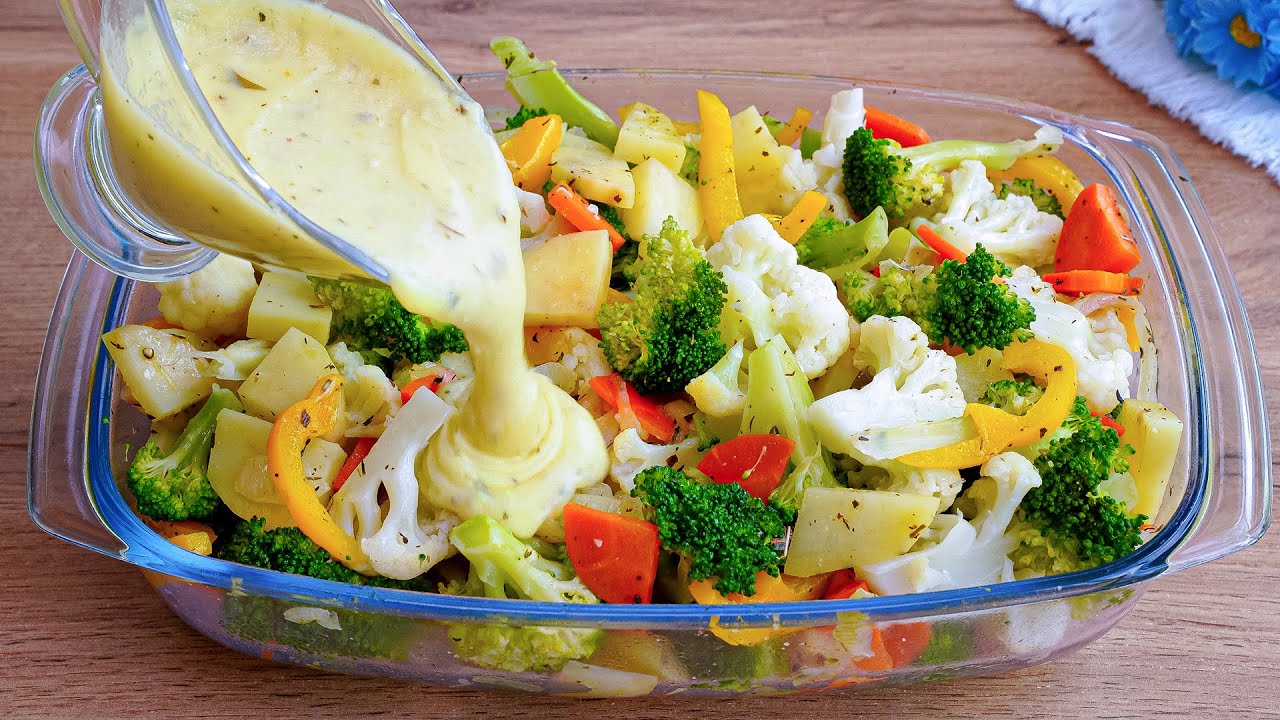
Vegetable Casserole Recipe: A vegetable casserole is the kind of dish that feels like a warm hug after a long day. It’s hearty, comforting, endlessly customizable, and surprisingly simple to make. Whether you’re cooking for family, meal-prepping for the week, or hosting guests, a vegetable casserole checks all the boxes: nutritious, filling, and deeply satisfying.
At its core, a vegetable casserole is a baked dish made with a combination of vegetables, a flavorful sauce, and often a topping that turns golden and irresistible in the oven. Think of it as a one-pan masterpiece where everything comes together in perfect harmony. No complicated techniques. No fancy equipment. Just good ingredients and a little patience.
In this guide, we’ll walk through everything you need to know—from choosing the right vegetables to baking the perfect casserole that holds together beautifully and bursts with flavor in every bite.
Why This Vegetable Casserole Recipe Works
Not all casseroles are created equal. Some turn out watery. Others are bland or overly mushy. This recipe avoids all those pitfalls by focusing on balance.
First, it uses a smart mix of vegetables—some sturdy, some tender—so every spoonful has texture. Second, the sauce is creamy but not heavy, rich but not overwhelming. And finally, the topping adds contrast: crispy on top, soft underneath.
Best of all? This recipe is beginner-friendly. If you can chop vegetables and stir a pot, you can make this casserole confidently.
Health Benefits of Vegetable Casserole
Rich in Vitamins and Minerals
Vegetable casseroles are packed with nutrients from fresh produce like carrots, broccoli, zucchini, bell peppers, and spinach. These vegetables provide essential vitamins such as vitamin A, vitamin C, vitamin K, and folate, along with important minerals like potassium and magnesium.
High Fiber Content
Thanks to the generous amount of vegetables, this dish is naturally high in fiber. Fiber supports digestion, keeps you full longer, and helps regulate blood sugar levels.
Suitable for Various Diets
This recipe can easily be adapted for:
- Vegetarian diets (as written)
- Vegan diets (with dairy swaps)
- Gluten-free diets (with simple ingredient substitutions)
Types of Vegetable Casseroles
Creamy Vegetable Casserole
This version uses a milk- or cream-based sauce, often thickened with flour or cornstarch. It’s rich, comforting, and perfect for colder months.
Tomato-Based Vegetable Casserole
Lighter and brighter, tomato-based casseroles rely on crushed tomatoes or marinara sauce. They’re excellent if you prefer something less creamy.
Cheesy Vegetable Casserole
Cheese lovers, this one’s for you. Melted cheese adds depth, saltiness, and that irresistible pull when you scoop it out.
Vegan Vegetable Casserole
Using plant-based milk, nutritional yeast, and olive oil, vegan casseroles can be just as creamy and satisfying.
Essential Kitchen Tools You’ll Need
Baking Dishes
A 9×13-inch baking dish works perfectly for this recipe. Ceramic or glass dishes distribute heat evenly.
Knives and Cutting Boards
Sharp knives make prep faster and safer. Use a large cutting board to avoid overcrowding.
Mixing Bowls and Utensils
You’ll need at least one large bowl for mixing vegetables and another for the sauce.
Ingredients You’ll Need
Fresh Vegetables
- 2 cups broccoli florets
- 2 cups cauliflower florets
- 1 large zucchini, sliced
- 1 red bell pepper, chopped
- 1 yellow bell pepper, chopped
- 1 large carrot, thinly sliced
- 1 cup mushrooms, sliced
- 1 cup fresh spinach (optional)
Aromatics and Seasonings
- 1 medium onion, finely chopped
- 3 cloves garlic, minced
- 1 teaspoon dried thyme
- 1 teaspoon dried oregano
- ½ teaspoon paprika
- Salt and black pepper to taste
Dairy and Alternatives
- 2 cups milk (or plant-based milk)
- 1 cup shredded cheese (cheddar, mozzarella, or a blend)
Binding Ingredients
- 3 tablespoons butter or olive oil
- 3 tablespoons all-purpose flour
Optional Add-Ins for Extra Flavor
- Fresh herbs (parsley or basil)
- Red pepper flakes
- Grated Parmesan
- Cooked lentils or chickpeas
Ingredient Substitutions and Variations
Vegan Substitutions
Use olive oil instead of butter, unsweetened plant milk, and dairy-free cheese or nutritional yeast.
Gluten-Free Options
Replace all-purpose flour with cornstarch or gluten-free flour.
Low-Carb Adjustments
Skip starchy vegetables and use more leafy greens and cruciferous vegetables.
Preparing the Vegetables
Washing and Chopping Techniques
Wash all vegetables thoroughly. Cut them into similar sizes so they cook evenly. Think bite-sized, not tiny.
Pre-Cooking vs Raw Vegetables
Some vegetables benefit from quick pre-cooking, especially dense ones like carrots and cauliflower. A quick sauté or blanch prevents them from staying crunchy after baking.
Step-by-Step Guide to Making Vegetable Casserole
Step 1 – Preparing the Baking Dish
Lightly grease your baking dish with butter or oil. This prevents sticking and makes cleanup easier.
Step 2 – Preheating the Oven
Preheat your oven to 375°F (190°C). A properly heated oven ensures even cooking.
Step 3 – Sautéing Aromatics
Heat butter or oil in a large skillet. Add onions and cook until soft and translucent. Stir in garlic and cook briefly until fragrant.
Step 4 – Cooking the Vegetables
Add harder vegetables first—carrots, broccoli, cauliflower. Cook for 5–7 minutes, then add softer vegetables like zucchini and peppers.
Step 5 – Making the Sauce
Sprinkle flour over the vegetables and stir well. Slowly pour in milk, stirring constantly until the sauce thickens. Season generously.
Step 6 – Assembling the Casserole
Transfer everything to the baking dish. Fold in spinach if using.
Step 7 – Adding the Topping
Sprinkle shredded cheese evenly over the top. Add breadcrumbs if desired.
Step 8 – Baking to Perfection
Bake uncovered for 30–40 minutes until bubbly and golden.
Step 9 – Resting and Serving
Let the casserole rest for 10 minutes before serving. This helps it set.
Common Mistakes to Avoid
Overcooking Vegetables
They continue cooking in the oven. Slightly undercook during sautéing.
Too Much Liquid
Excess liquid leads to a watery casserole. Thicken the sauce properly.
Under-Seasoning
Vegetables need salt. Taste as you go.
Pro Tips for the Best Vegetable Casserole
Layering for Flavor
Season each layer instead of relying on the final bake.
Texture Balance
Combine crunchy toppings with creamy interiors.
Make-Ahead Tips
Assemble up to 24 hours ahead and refrigerate.
How to Store and Reheat Vegetable Casserole
Refrigeration
Store in an airtight container for up to 4 days.
Freezing Instructions
Freeze tightly wrapped portions for up to 2 months.
Reheating Without Drying Out
Cover with foil and reheat at 350°F until warm.
Serving Suggestions
Side Dishes
- Fresh green salad
- Garlic bread
- Steamed rice
Protein Pairings
- Grilled tofu
- Baked beans
- Lentil loaf
Sauces and Condiments
- Pesto
- Hot sauce
- Yogurt sauce
Vegetable Casserole for Special Occasions
Holiday Meals
A perfect vegetarian centerpiece.
Meal Prep and Family Dinners
Feeds a crowd and reheats beautifully.
Potlucks and Gatherings
Easy to transport and universally loved.
Nutritional Breakdown (Approximate)
- Calories: 280 per serving
- Protein: 12g
- Fiber: 6g
- Fat: 14g
Why This Recipe Is Perfect for Beginners
It’s forgiving, flexible, and doesn’t require advanced skills. You can adjust ingredients based on what you have and still end up with a delicious result.
FAQs about Vegetable Casserole Recipe
1. Can I freeze vegetable casserole?
Absolutely! Vegetable casseroles freeze beautifully. Just let it cool completely, wrap tightly in foil or a freezer-safe container, and freeze for up to 2 months. To reheat, thaw in the fridge overnight and bake at 350°F (175°C) until heated through.
2. What’s the best cheese for casseroles?
It depends on the flavor you’re after! Cheddar gives a sharp, rich taste; mozzarella melts beautifully; and a blend of parmesan and gouda adds depth. For a tangy twist, goat cheese or feta work great too. And if you’re vegan, go for dairy-free cheese alternatives or nutritional yeast.
3. Can I use frozen vegetables?
Yes! Frozen vegetables are a time-saver and work wonderfully. Just make sure to thaw and drain any excess water before using to avoid sogginess in your casserole.
4. How long does it keep in the fridge?
A properly stored vegetable casserole will stay fresh in the fridge for up to 4 days. Make sure it’s in an airtight container or tightly covered to preserve flavor and moisture.
5. Is it gluten-free?
It can be! Just swap out regular flour for gluten-free flour or cornstarch in the sauce. Also, check your toppings (like breadcrumbs or pre-shredded cheese) to ensure they’re gluten-free.
Conclusion
This step-by-step guide breaks the whole process down into manageable, easy-to-follow steps, so whether you’re a beginner or a seasoned cook, you can confidently whip up a delicious and wholesome vegetable casserole. From prepping the freshest vegetables to mastering the layering and baking process, this dish rewards your effort with warmth and flavor in every bite.
So next time you find yourself staring at a bunch of veggies in your fridge wondering what to make, remember this casserole. It’s more than just a recipe—it’s a go-to comfort dish, packed with nutrition, flavor, and heart.