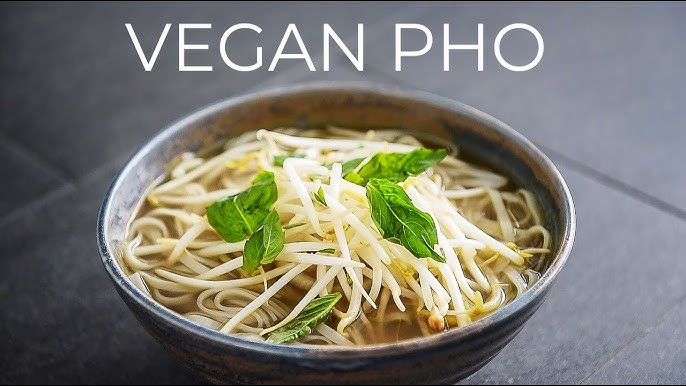
Vegan Pho Recipe: Pho (pronounced “fuh”) is a traditional Vietnamese noodle soup known for its rich, aromatic broth and vibrant toppings. While traditionally made with beef or chicken, vegan pho is a soul-warming, plant-based alternative that’s equally satisfying—if not more. With the right balance of spices, umami-rich ingredients, and fresh herbs, you can capture all the essence of authentic pho without using any animal products.
So, why go vegan with pho? First, it’s healthier—lower in saturated fats and cholesterol-free. It’s also better for the environment and incredibly inclusive for people with different dietary needs. Plus, let’s be real—once you taste the deep, layered flavors of a well-made vegan pho, you’ll forget all about the meat versions.
In this guide, you’ll learn exactly what ingredients you need and get a step-by-step breakdown of how to make your own restaurant-worthy vegan pho at home. Ready to get started?
Ingredients You’ll Need
Creating the perfect vegan pho starts with choosing the right ingredients. While the original version relies on bones for depth, we’ll build layers of flavor using roasted vegetables, whole spices, and natural umami sources.
Aromatic Veggies & Herbs
Here’s your base. These ingredients bring sweetness, warmth, and a subtle smokiness when roasted:
- 2 large yellow onions (halved)
- 1 large piece of fresh ginger (about 4 inches, halved lengthwise)
- 3 medium carrots (chopped)
- 1 daikon radish or 2 parsnips (optional, but adds depth)
- 4 garlic cloves (smashed)
Roasting these until slightly charred enhances the flavor immensely. Don’t skip it!
Spices for Authentic Pho Broth
To recreate the traditional broth’s complexity, these spices are essential:
- 2 whole cinnamon sticks
- 4 whole star anise
- 4 cloves
- 1 tsp coriander seeds
- 1 black cardamom pod (optional but authentic)
Lightly toasting these spices before simmering releases their oils, giving the broth that deep, signature aroma.
Plant-Based Umami Boosters
This is where the magic happens—building a savory, “meaty” flavor using plants:
- 1/4 cup low-sodium soy sauce or tamari
- 1 tbsp mushroom powder or 4 dried shiitake mushrooms
- 1 piece of kombu seaweed (optional, for extra umami)
- Salt and sugar (or maple syrup) to balance flavors
Rice Noodles
Pho noodles are flat rice noodles, typically labeled as Bánh Phở:
- 1 pack of medium-width rice noodles
- Prepare according to package directions, but don’t overcook
Toppings and Garnishes
Here’s where it gets fun and customizable:
- Fresh Thai basil
- Cilantro (chopped)
- Mint leaves
- Lime wedges
- Bean sprouts
- Sliced jalapeños or red chili
- Thinly sliced onions or scallions
- Hoisin sauce and sriracha for extra punch
Step-by-Step Guide to Making Vegan Pho
Now that you’ve gathered your ingredients, let’s walk through every stage of creating this comforting, aromatic bowl of vegan pho.
Step 1: Roast the Aromatics
Char onions and ginger to unlock deep flavor. Place halved onions and sliced ginger directly over a gas flame, under a broiler, or in a dry pan until lightly blackened. This roasting adds smokiness and sweetness that forms the backbone of pho broth.
Step 2: Toast the Whole Spices
In a dry pot, toast whole spices such as star anise, cinnamon sticks, cloves, coriander seeds, and cardamom for 1–2 minutes until fragrant. Toasting wakes up the oils in the spices, giving the broth depth and complexity.
Step 3: Simmer the Broth
Add water or vegetable stock to the pot with toasted spices. Add roasted aromatics, dried shiitake mushrooms, kombu (seaweed), and a splash of soy sauce or tamari for umami. Simmer gently for 45–60 minutes. Avoid boiling hard, which can make the broth cloudy.
Step 4: Strain the Broth
Strain the broth through a fine mesh sieve to remove spices and solids. This step creates a clear, fragrant broth. Return the broth to the pot and adjust seasoning with salt, soy sauce, or a little sugar to balance flavors.
Step 5: Prepare the Noodles
Soak or boil rice noodles according to package instructions. Do not overcook—they should be tender but springy. Drain and rinse briefly with warm water to prevent sticking.
Step 6: Prepare Toppings
Wash and slice toppings such as mushrooms, tofu, bean sprouts, green onions, cilantro, basil, and chilies. Arrange everything in small bowls so assembly is quick and organized.
Step 7: Assemble the Bowl
Place cooked noodles in a large bowl. Add tofu or mushrooms on top, then ladle hot broth over everything. The heat will gently warm the toppings without overcooking them.
Step 8: Garnish and Serve
Finish with fresh herbs, lime wedges, sliced chilies, and hoisin or chili oil if desired. Serve immediately and enjoy a warm, aromatic bowl of vegan pho bursting with flavor.
Tips for Making the Best Vegan Pho
Let’s be real: cooking great pho at home isn’t hard—but it does require a few smart moves. Here are some key tips:
- Use fresh spices. Old star anise and cloves? Toss them. Fresh spices = bold flavor.
- Don’t rush the broth. Simmering for 1 hour or more draws out every bit of depth.
- Balance the flavors. Pho is about harmony: sweet, salty, spicy, and sour. Taste and adjust.
- Strain your broth well. A clear broth not only looks great—it tastes cleaner and more refined.
- Don’t overload with toppings. Too many can muddy the broth. Stick to your faves.
One more? Double the broth recipe and freeze the extra. It makes future pho nights a breeze.
Customizing Your Vegan Pho
Vegan pho is endlessly flexible. Here are some ideas to tailor it to your taste:
Protein Add-Ins
- Pan-fried tofu cubes
- Marinated tempeh
- Vegan “beef” slices or seitan
- Extra mushrooms (shiitake, oyster, king trumpet)
Spice Level
- Add chili oil to the broth while simmering
- Include Thai bird’s eye chilies for maximum heat
- Keep it mild with just a touch of sriracha
Gluten-Free Option
- Use tamari instead of soy sauce
- Double-check hoisin and sriracha for gluten
Low-Sodium Tip
- Use low-sodium soy sauce
- Skip kombu and mushrooms if sensitive to umami
Make it your own. That’s the beauty of pho—it’s meant to evolve with every bowl.
Common Mistakes to Avoid
Making pho for the first time? Here are common pitfalls and how to dodge them:
- Skipping the roasting step: This is where flavor begins—don’t miss it!
- Using too much salt or soy sauce early: The broth concentrates as it simmers. Season at the end.
- Overcooking the noodles: They soak up broth fast. Keep them al dente.
- Too many toppings: Balance is key. Stick to 3-4 favorites.
- Not tasting and adjusting: Every pot of pho is different—taste often and tweak.
Avoiding these mistakes can take your bowl from “pretty good” to “whoa—did you make this?!”
Nutritional Benefits of Vegan Pho
Beyond flavor, vegan pho is packed with nutrients. Here’s why it’s great for your body:
- Low in fat, high in fiber – All thanks to the veggies and noodles.
- Rich in antioxidants – Ginger, garlic, herbs, and spices are full of immune-boosting compounds.
- Great for digestion – Daikon, lime, and herbs like basil and mint aid the gut.
- Hydrating and light – It’s soup! Perfect for cleansing and energizing without feeling heavy.
You can even boost it further with protein add-ins like tofu or lentil-based noodles.
Cultural Significance of Pho in Vietnam
Pho is more than just a meal—it’s a way of life in Vietnam. It’s traditionally eaten for breakfast, often served by street vendors who’ve simmered their broths overnight.
There are two main regional versions:
- Northern Pho (Pho Bac): Clear, subtle broth with fewer toppings
- Southern Pho (Pho Nam): Sweeter, spicier, with tons of herbs and bean sprouts
While vegan pho isn’t traditional, it reflects how global and adaptable this dish has become. Vietnamese chefs around the world are embracing plant-based cooking while honoring the spirit of pho: balance, care, and community.
FAQs about Vegan Pho Recipe
1. Can I freeze vegan pho broth?
Yes! Let it cool completely, then freeze in containers or ice cube trays. It keeps well for up to 3 months.
2. What’s the best mushroom for pho broth?
Dried shiitake mushrooms are ideal—they’re packed with umami. King oyster or cremini are great fresh options.
3. How long does it take to make vegan pho?
From start to finish, expect about 1.5 to 2 hours. You can cut time by making the broth ahead.
4. Can I use dried herbs instead of fresh?
Fresh herbs are key for toppings, but you can use dried in the broth if needed. Just use half the amount.
5. What protein options are best for topping vegan pho?
Fried tofu, marinated tempeh, vegan beef strips, and even roasted chickpeas work well.
Conclusion
Vegan pho isn’t just a replacement—it’s a bold, delicious evolution of a beloved classic. With smoky roasted veggies, fragrant spices, and a rainbow of fresh herbs, you can create a bowl that satisfies your cravings and nourishes your body.
Whether you’re new to pho or already obsessed, this step-by-step guide gives you all the tools to make your own amazing version at home. Don’t be afraid to experiment. Play with toppings, spice levels, and proteins. The best pho is the one that reflects your taste.
Grab your chopsticks, call your friends, and get slurping.