Vegan Pancakes Recipe: There’s nothing quite like starting your day with a stack of warm, fluffy pancakes. They’re comforting, satisfying, and oh-so-delicious. But here’s the good news—you don’t need eggs, butter, or dairy to whip up a perfect breakfast. Vegan pancakes are proof that you can enjoy the same fluffiness and flavor with simple plant-based ingredients.
What makes vegan pancakes special is their inclusivity. They’re perfect for people who are lactose intolerant, allergic to eggs, or simply living a vegan lifestyle. Plus, they’re lighter, healthier, and surprisingly easy to make. Unlike traditional pancakes, you don’t need complicated substitutions or rare ingredients—most items are already in your pantry.
Think of vegan pancakes as your blank canvas. You can keep them classic with maple syrup, dress them up with fruit, or even add chocolate chips and nuts. Once you master the base recipe, the possibilities are endless. In this guide, we’ll walk through everything step by step—from ingredients to cooking tips—so you’ll have perfect vegan pancakes every time.
Essential Ingredients for Vegan Pancakes
Making vegan pancakes doesn’t mean sacrificing taste or texture. In fact, with the right ingredients, they can be even better than traditional ones. Let’s break down the key components that make these pancakes fluffy, moist, and delicious.
Plant-Based Milk Options
Instead of cow’s milk, plant-based milks work beautifully. Almond milk, oat milk, and soy milk are the most common choices. Oat milk adds creaminess, almond milk gives a nutty hint, and soy milk provides protein. For a richer pancake, use coconut milk—it gives a slight tropical flavor.
Flours That Work Best for Pancakes
All-purpose flour is the go-to for fluffy pancakes, but you can experiment. Whole wheat flour gives them a hearty texture, oat flour makes them softer, and gluten-free flour blends keep them allergy-friendly. Mixing two types of flour can create the perfect balance of fluffiness and nutrition.
Natural Sweeteners to Replace Sugar
Instead of refined sugar, opt for natural sweeteners. Maple syrup, agave nectar, or coconut sugar work well. They don’t just add sweetness—they bring a deeper flavor. For example, maple syrup gives a caramel-like richness that pairs perfectly with pancakes.
Egg Substitutes for Perfect Texture
The biggest challenge in vegan pancakes is replacing eggs, which usually bind the batter and add fluffiness. Luckily, there are plenty of plant-based solutions:
- Flax egg: Mix 1 tablespoon of ground flaxseed with 3 tablespoons of water.
- Chia egg: Similar to flax but with chia seeds.
- Mashed banana: Adds natural sweetness and moisture.
- Applesauce: Keeps pancakes moist and soft.
Each substitute slightly changes the texture, so experiment to find your favorite.
Equipment You’ll Need for Pancake Perfection
Before diving into the recipe, let’s make sure your kitchen is pancake-ready. Good tools make the process smoother and ensure consistent results.
Mixing Bowls and Whisks
A large mixing bowl is essential for combining dry ingredients, while a medium bowl is perfect for wet ingredients. A whisk helps you blend everything smoothly and prevents lumps in the batter.
Non-Stick Pan or Griddle
A good non-stick pan or griddle makes all the difference. It ensures even cooking and prevents sticking, so your pancakes flip effortlessly. If you want to cook multiple pancakes at once, a wide griddle is a time-saver.
Measuring Cups and Spoons
Precision matters in baking and cooking. Using proper measuring tools keeps your batter balanced, so your pancakes come out consistently fluffy instead of too dense or runny.
Other helpful items include a ladle or measuring cup for pouring batter evenly, and a spatula for flipping without breaking your pancakes.
Step-by-Step Guide to Making Vegan Pancakes
Now that you have your ingredients and tools ready, let’s get cooking! Follow these steps carefully, and you’ll have golden, fluffy vegan pancakes in no time.
Step 1 – Gather All Ingredients
Before you begin, measure out everything. This avoids last-minute stress and ensures smooth cooking. You’ll need flour, baking powder, salt, plant-based milk, a sweetener, and an egg substitute of your choice. Optional extras include vanilla extract, cinnamon, or chocolate chips.
Step 2 – Mix the Dry Ingredients
In a large bowl, combine flour, baking powder, and a pinch of salt. If you’re adding spices like cinnamon, mix them in here. Whisk everything well to make sure the baking powder is evenly distributed—this helps your pancakes rise properly.
Step 3 – Add the Wet Ingredients
In a separate bowl, mix plant-based milk, your chosen egg substitute, sweetener, and a splash of vanilla extract. Stir until everything is smooth.
Step 4 – Combine and Rest the Batter
Pour the wet mixture into the dry ingredients. Gently whisk until just combined. Don’t overmix—lumps are perfectly fine and actually help create fluffier pancakes. Let the batter rest for about 5 minutes to activate the baking powder.
Step 5 – Heat the Pan and Cook the Pancakes
Heat a non-stick pan or griddle over medium heat. Lightly grease with coconut oil or vegan butter. Use a ladle to pour batter onto the pan. Cook until bubbles form on the surface, then flip carefully with a spatula.
Step 6 – Flip for Fluffiness
Cook the other side for about 2 minutes until golden brown. Repeat until all pancakes are cooked.
Step 7 – Serve and Enjoy
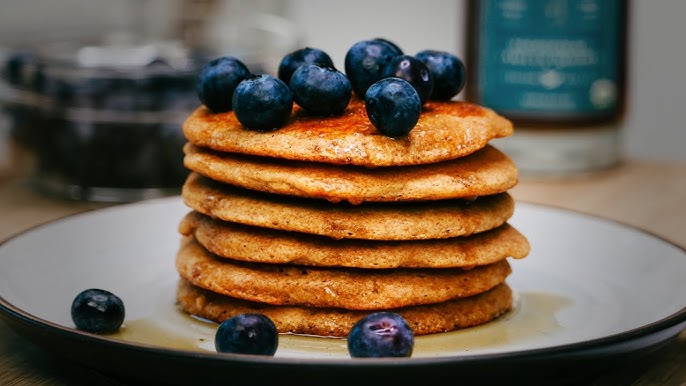
Stack your pancakes high, drizzle with maple syrup, and add your favorite toppings. Fresh berries, nut butter, or even a dollop of vegan whipped cream can make them extra special.
Tips and Tricks for Fluffy Vegan Pancakes
Getting vegan pancakes just right can take practice, but a few insider tips will help you master them quicker.
- Don’t overmix the batter—this creates dense pancakes.
- Let the batter rest before cooking for extra fluffiness.
- Keep the heat on medium—too hot, and the pancakes burn outside while staying raw inside.
- Use a ladle for equal-sized pancakes.
- Keep cooked pancakes warm in the oven at low heat until ready to serve.
With these tricks, your pancakes will always be light, fluffy, and crowd-pleasing.
Delicious Vegan Toppings for Pancakes
One of the best parts about pancakes is dressing them up with your favorite toppings. Vegan pancakes are like a blank canvas, waiting for you to get creative. The right toppings can turn a simple breakfast into a gourmet experience. Whether you want something fruity, nutty, or indulgent, there are plenty of plant-based options to choose from.
Fresh Fruits and Berries
Fresh fruits are the easiest and healthiest way to top your pancakes. Strawberries, blueberries, raspberries, and bananas add natural sweetness and freshness. You can slice bananas for creaminess, add blueberries for bursts of flavor, or even sauté apples with cinnamon for a cozy fall-inspired treat. Seasonal fruits also make your breakfast feel special year-round—think mangoes in summer or pomegranate seeds in winter.
Nut Butters and Syrups
Nut butters like almond, peanut, or cashew spread bring richness and protein to your pancakes. They pair beautifully with sliced bananas or a drizzle of maple syrup. Speaking of syrups, maple syrup remains a classic choice, but agave nectar or date syrup are great alternatives with unique flavors. For a more decadent twist, try a drizzle of melted vegan chocolate or caramel sauce.
Whipped Coconut Cream and Chocolate
If you love indulgent breakfasts, whipped coconut cream is a game-changer. It’s airy, creamy, and totally dairy-free. Add a spoonful on top of your pancake stack, then sprinkle dark chocolate shavings or cacao nibs for an extra treat. For an even fancier touch, drizzle melted vegan chocolate or a rich berry compote. It’ll feel like dessert for breakfast.
Nutritional Benefits of Vegan Pancakes
Not only are vegan pancakes delicious, but they also come with nutritional perks compared to traditional pancakes. By skipping eggs and dairy, you’re making a lighter, plant-based version that can fuel your body with goodness.
Lower in Saturated Fats
Dairy products and eggs often add extra saturated fats to regular pancakes. Vegan versions, especially when made with plant-based milks and oils, are lower in these fats, making them heart-friendlier and easier to digest.
Rich in Plant-Based Nutrients
Depending on the flour and toppings you choose, vegan pancakes can be a powerhouse of vitamins and minerals. Whole wheat or oat flour adds fiber, bananas bring potassium, and nut butters provide protein and healthy fats. By choosing a variety of plant-based ingredients, you can make your breakfast not just tasty but nutrient-dense.
Energy Boosting Breakfast
Because vegan pancakes are often lighter, they provide steady energy without making you feel too heavy. Add fruits and seeds like chia or flax, and you’ll get slow-releasing carbs and protein to keep you fueled throughout the morning. It’s the perfect balance of indulgence and nourishment.
Common Mistakes to Avoid When Making Vegan Pancakes
Even though the recipe is simple, there are a few common mistakes that can ruin your pancake experience. Let’s go over them so you can avoid frustration and achieve pancake perfection every time.
Overmixing the Batter
It’s tempting to keep whisking until the batter looks completely smooth, but overmixing develops too much gluten, resulting in dense and chewy pancakes. The trick is to mix until everything is just combined. A few small lumps are perfectly fine and will cook out on the griddle.
Using Too Much Heat
If your pan is too hot, the outside of the pancake will burn before the inside cooks through. Keep your heat at medium and be patient. It may take a few extra minutes, but the result is fluffy, evenly cooked pancakes.
Skipping the Resting Time
Letting the batter rest for 5–10 minutes allows the baking powder to activate and the flour to hydrate properly. Skipping this step can lead to flat pancakes instead of tall, fluffy stacks.
By avoiding these mistakes, you’ll find your pancakes turning out more consistent and delicious every time.
FAQs about Vegan Pancakes Recipe
1. Can I make vegan pancakes without baking powder?
Yes, but they won’t be as fluffy. You can use baking soda with a splash of lemon juice or vinegar as a substitute to help them rise.
2. What’s the best egg substitute for vegan pancakes?
It depends on your preference. Flax eggs and chia eggs give structure, while bananas and applesauce add moisture and sweetness.
3. Can I make pancakes gluten-free and vegan?
Absolutely! Use a gluten-free flour blend or oat flour. Just make sure to add extra liquid if needed since some gluten-free flours absorb more moisture.
4. How can I store leftover pancake batter?
Store batter in an airtight container in the fridge for up to 24 hours. Stir gently before cooking as it may thicken slightly.
5. Can I freeze vegan pancakes?
Yes! Let them cool completely, stack with parchment paper in between, and store in a freezer-safe bag. Reheat in a toaster or oven for quick breakfasts.
Conclusion
Vegan pancakes prove that you don’t need eggs, milk, or butter to make a comforting, fluffy, and delicious breakfast. With simple pantry ingredients, a bit of creativity, and the right techniques, you can whip up stacks of pancakes that rival traditional recipes. Whether you keep them classic with maple syrup, top them with fresh fruit, or indulge with whipped coconut cream and chocolate, vegan pancakes are versatile, satisfying, and perfect for everyone at the table.
So the next time you crave a warm, cozy breakfast, remember—you can make it vegan, healthier, and just as tasty. Try this recipe, experiment with toppings, and soon, vegan pancakes will become your go-to weekend treat.