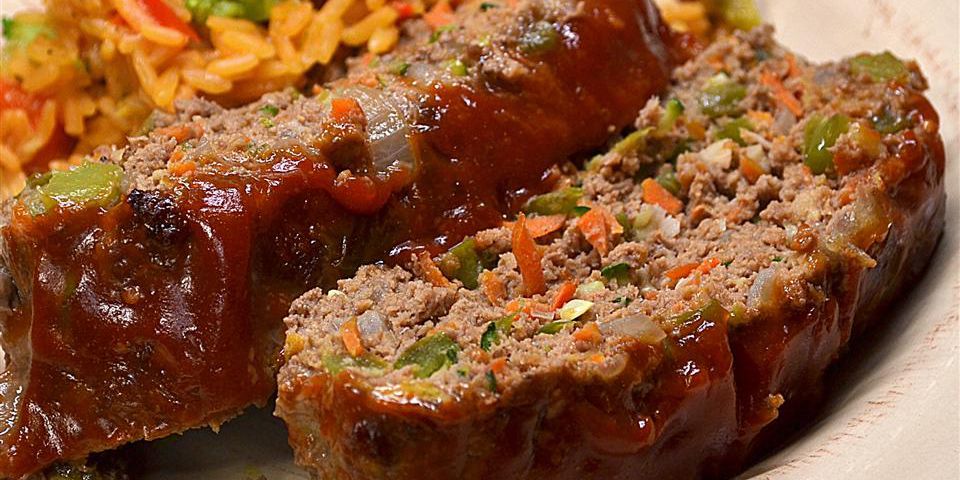
Vegan Meatloaf Recipe: There’s something deeply comforting about a slice of meatloaf. It’s nostalgic. It’s hearty. It feels like home on a plate. But what if you could enjoy all that cozy goodness without any meat at all? That’s exactly what this vegan meatloaf recipe delivers—a rich, satisfying, plant-based twist on a classic comfort food that doesn’t compromise on flavor or texture.
If you’ve ever wondered whether a vegan version could really hold up, you’re in for a pleasant surprise. This isn’t just mashed beans shaped into a loaf. It’s savory, firm yet tender, packed with umami flavor, and topped with a glossy, tangy glaze that caramelizes beautifully in the oven. Each bite is hearty enough to satisfy even the most devoted meat lovers.
What makes this step-by-step guide special is how simple and approachable it is. No fancy ingredients. No complicated techniques. Just everyday pantry staples transformed into something extraordinary. Whether you’re fully plant-based, experimenting with meatless meals, or simply looking for a healthier alternative, this recipe fits seamlessly into your kitchen routine.
And let’s be honest—cooking vegan doesn’t have to feel restrictive. In fact, it can feel freeing. This vegan meatloaf recipe proves that you can recreate your favorite traditional dishes in a way that’s nourishing, flavorful, and satisfying.
Ready to roll up your sleeves and make magic happen? Let’s dive in.
Why You’ll Love This Vegan Meatloaf Recipe
Why should this vegan meatloaf earn a permanent spot in your dinner rotation? Let me count the ways.
First, it’s incredibly satisfying. One common misconception about plant-based meals is that they leave you hungry an hour later. Not this one. Thanks to protein-rich legumes, fiber-packed oats, and hearty vegetables, this loaf delivers lasting fullness. It’s the kind of meal that sticks with you—in a good way.
Second, the flavor is bold and layered. We’re talking sautéed onions, garlic, herbs, soy sauce, tomato paste, and a perfectly balanced glaze that hits sweet, tangy, and savory notes all at once. The texture? Firm enough to slice cleanly, yet moist and tender inside. No crumbly disasters here.
Another reason to love it? It’s budget-friendly. Meat prices can add up quickly, but beans, lentils, oats, and vegetables are affordable pantry staples. You can feed a whole family without stretching your wallet.
It’s also versatile. Want it gluten-free? Easy. Prefer lentils over beans? Go for it. Craving a spicy kick? Add chili flakes. This recipe bends without breaking, making it ideal for customization.
And here’s the real magic—it tastes even better the next day. The flavors deepen overnight, making leftovers something to look forward to. Sandwiches, wraps, meal prep bowls—you’ll find endless ways to enjoy it.
Simply put, this vegan meatloaf isn’t just a substitute. It’s a standout dish in its own right.
What Is Vegan Meatloaf? A Plant-Based Twist on a Classic Comfort Food
At its core, vegan meatloaf is a plant-based reinterpretation of traditional meatloaf. Instead of ground beef, the base is made from legumes like lentils or beans, combined with grains, vegetables, and binding agents to create structure and texture.
Think of it as building layers. The legumes provide protein and heartiness. The vegetables bring moisture and depth. Oats or breadcrumbs add body. Flaxseed or other binders hold everything together. When baked, the mixture transforms into a firm, sliceable loaf that mirrors the classic version surprisingly well.
But here’s the thing—it’s not about imitation. It’s about transformation. Vegan meatloaf doesn’t try to disguise itself. Instead, it celebrates plant-based ingredients in a format that feels familiar and comforting.
The glaze is another defining feature. Traditionally made with ketchup or tomato-based sauces, the vegan version keeps that tangy-sweet topping. As it bakes, it caramelizes slightly, forming a flavorful crust that contrasts beautifully with the tender interior.
Texture is often the biggest concern. No one wants mush. The secret lies in balance—proper moisture control, sautéing vegetables to remove excess water, and allowing the loaf to rest after baking. Done right, it slices cleanly and holds together like a dream.
So if you’ve been skeptical, consider this your invitation to rethink everything you thought you knew about vegan comfort food.
Health Benefits of Choosing Vegan Meatloaf
Switching to vegan meatloaf isn’t just a culinary experiment—it’s a nutritional upgrade. Let’s break down why.
Nutritional Advantages
Traditional meatloaf often contains high levels of saturated fat and cholesterol. In contrast, a well-crafted vegan meatloaf is naturally cholesterol-free and typically lower in saturated fat. Legumes like lentils and beans are rich in plant-based protein, fiber, iron, and essential minerals.
Fiber is a major win here. Most animal-based dishes lack fiber entirely, but plant-based ingredients deliver it generously. Fiber supports digestion, stabilizes blood sugar levels, and keeps you feeling full longer.
Additionally, vegan meatloaf is packed with vegetables. Onions, carrots, celery, and garlic don’t just add flavor—they contribute antioxidants and vitamins that support overall health.
Weight Management and Heart Health
Plant-based meals are often associated with improved heart health. Lower saturated fat intake and higher fiber consumption can help reduce cholesterol levels. That’s a powerful benefit from something as simple as dinner.
Because vegan meatloaf is nutrient-dense rather than calorie-dense, it supports balanced eating habits. You get satisfying portions without excessive heaviness. It fuels you rather than weighing you down.
And let’s not forget energy levels. Many people find that plant-based meals leave them feeling lighter and more energized compared to heavy meat-based dishes.
Choosing vegan meatloaf isn’t about sacrifice. It’s about upgrading your comfort food into something that nourishes your body while still delighting your taste buds.
Essential Ingredients You’ll Need
A great vegan meatloaf starts with the right ingredients. Each component plays a specific role in flavor, texture, and structure. Let’s break them down clearly.
Base Ingredients
- Cooked lentils or black beans
- Rolled oats or breadcrumbs
- Finely chopped onions
- Grated carrots
- Minced garlic
These form the heart of your loaf. Lentils provide a meaty texture, while oats help absorb moisture and create structure.
Flavor Enhancers
- Soy sauce or tamari
- Tomato paste
- Dried thyme
- Smoked paprika
- Black pepper
- Salt
These ingredients build depth and umami richness.
Binding Agents
- Ground flaxseed mixed with water (flax egg)
- Mashed potatoes (optional alternative binder)
Binders ensure the loaf holds together beautifully when sliced.
Glaze Ingredients
- Ketchup
- Maple syrup
- Apple cider vinegar
- Dijon mustard
This combination creates a sweet and tangy topping that caramelizes in the oven.
When these ingredients come together, they create harmony—each playing its part in crafting a vegan meatloaf that’s flavorful, hearty, and satisfying.
Best Substitutes and Variations for Customization
One of the most beautiful things about this vegan meatloaf recipe is how flexible it is. Think of it like a blueprint rather than a rigid rulebook. Once you understand the structure—protein base, binder, vegetables, seasoning—you can swap ingredients depending on what’s in your pantry or what your taste buds are craving.
Let’s start with the protein base. While lentils are the classic choice for their firm texture and mild flavor, you can easily use:
- Chickpeas for a slightly nutty taste
- Black beans for a deeper, earthier flavor
- Kidney beans for a heartier bite
- Crumbled tofu or tempeh for extra protein
Want a gluten-free version? Swap regular oats with certified gluten-free oats or use cooked quinoa. Both work beautifully and maintain structure.
If you’re out of flaxseed for the binder, don’t panic. You can use:
- Chia seeds mixed with water
- Mashed sweet potato
- Mashed white beans
Each option slightly changes the texture, but that’s part of the fun. Cooking should feel like experimentation, not stress.
Looking to elevate the flavor profile? Try adding:
- Finely chopped mushrooms for extra umami
- Walnuts or pecans for a subtle crunch
- A dash of liquid smoke for barbecue depth
- Fresh herbs like parsley or rosemary
You can even turn this into a Mediterranean-inspired loaf with sun-dried tomatoes and oregano, or a spicy version with chili flakes and cumin.
In other words, this vegan meatloaf recipe doesn’t box you in. It invites creativity. Once you’ve mastered the basics, you’ll find yourself making new variations without even thinking about it.
Kitchen Tools Required for the Perfect Vegan Meatloaf
Good news: you don’t need fancy equipment to make a delicious vegan meatloaf. This recipe is designed for real kitchens—no professional gadgets required.
Here’s what you’ll need:
- Large mixing bowl
- Skillet or frying pan
- Food processor (optional but helpful)
- Loaf pan
- Parchment paper
- Spatula or wooden spoon
- Measuring cups and spoons
The food processor is optional, but it makes life easier. It helps achieve that perfect “ground” texture by pulsing the lentils or beans just enough. But if you don’t have one, a potato masher works just fine. The key is not to over-mash. You want texture, not paste.
A loaf pan helps shape the meatloaf neatly, giving it that classic presentation. If you don’t have one, shape the mixture by hand on a lined baking sheet. It will still hold its form beautifully.
Parchment paper makes cleanup easier and prevents sticking. Trust me, you’ll thank yourself later.
Cooking should feel approachable. When you realize you likely already have everything you need in your kitchen, the recipe suddenly feels doable—even on a busy weeknight.
Step-by-Step Guide to Making Vegan Meatloaf
Now we’re getting to the heart of it—the actual process. Follow these steps carefully, and you’ll have a firm, flavorful vegan meatloaf every time.
Step 1: Prepare the Ingredients
Preheat your oven to 180°C (350°F). Finely chop onions, garlic, and vegetables such as carrots or mushrooms. Rinse and drain beans or lentils, and measure out oats or breadcrumbs for binding.
Step 2: Cook the Vegetables
Heat oil in a skillet over medium heat. Sauté onions and garlic until soft and fragrant. Add mushrooms and other vegetables, cooking until moisture evaporates and flavors deepen. Remove from heat and let cool slightly.
Step 3: Blend or Mash the Base
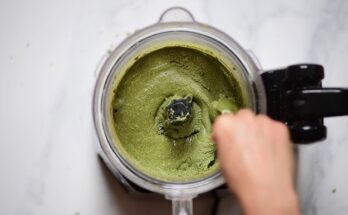
In a large bowl, mash cooked lentils or beans with a fork or pulse briefly in a food processor. The mixture should be partially smooth but still textured for a meat-like bite.
Step 4: Combine and Season
Add cooked vegetables, oats or breadcrumbs, flaxseed meal mixed with water, tomato paste, soy sauce, and spices such as paprika, pepper, and herbs. Mix until well combined but not overly compacted.
Step 5: Shape the Loaf
Transfer the mixture to a lined loaf pan or shape it free-form on a baking tray. Press gently to hold its shape without packing too tightly.
Step 6: Prepare and Apply the Glaze
Mix ketchup, mustard, and a touch of maple syrup. Spread evenly over the top of the loaf for a glossy, flavorful finish.
Step 7: Bake to Perfection
Bake uncovered for 40–45 minutes, or until firm and lightly browned. The glaze should be sticky and caramelized.
Step 8: Rest and Slice
Allow the meatloaf to rest for 10 minutes before slicing. This helps it set and makes clean slices easier. Serve warm with your favorite sides.
This vegan meatloaf is hearty, flavorful, and perfect for family meals.
Tips for Achieving the Perfect Texture
Texture can make or break a vegan meatloaf. The difference between crumbly and cohesive often comes down to small details.
First, control moisture. If your mixture feels too wet, add more oats or breadcrumbs. If it’s too dry, add a tablespoon of vegetable broth.
Second, don’t skip sautéing vegetables. Raw veggies equal excess moisture.
Third, press firmly into the pan. Compact structure prevents air pockets.
Finally, always rest before slicing. It’s like letting lasagna set—structure needs time.
Follow these principles, and your loaf will hold together beautifully every time.
Common Mistakes to Avoid
Even simple recipes have pitfalls. Here’s what to watch for:
- Over-processing the lentils
- Skipping the binder
- Not seasoning enough
- Slicing too early
- Using overly watery vegetables
Cooking is forgiving, but awareness helps you avoid disappointment.
How to Store and Reheat Vegan Meatloaf
Store leftovers in an airtight container in the refrigerator for up to 5 days.
To reheat:
- Oven: 350°F for 10–15 minutes
- Microwave: 1–2 minutes per slice
For best texture, the oven method works best.
What to Serve with Vegan Meatloaf
Pair your loaf with:
- Mashed potatoes
- Steamed green beans
- Roasted vegetables
- Vegan gravy
- Fresh garden salad
It’s comfort food at its finest.
Meal Prep and Freezing Tips
Vegan meatloaf freezes beautifully. Wrap tightly and freeze up to 3 months.
You can freeze:
- The entire baked loaf
- Individual slices
- The uncooked mixture
Thaw overnight before reheating.
Meal prep just got easier.
FAQs about Vegan Meatloaf Recipe
1. Can I make vegan meatloaf gluten-free?
Yes. Simply replace regular oats with gluten-free oats or use cooked quinoa as a binding alternative.
2. Why is my vegan meatloaf falling apart?
This usually means it needs more binding ingredients, such as flaxseed or oats, or more resting time after baking. Letting it rest helps it firm up before slicing.
3. Can I prepare vegan meatloaf ahead of time?
Absolutely. You can assemble the loaf and refrigerate it before baking, or bake it fully and reheat when ready to serve.
4. Can I use canned lentils?
Yes, canned lentils work well. Just be sure to drain and rinse them thoroughly to remove excess liquid.
5. How do I make it spicier?
Add chili flakes, cayenne pepper, or finely diced jalapeños to the mixture for extra heat.
These tips will help you make a perfectly firm, flavorful vegan meatloaf every time.
Conclusion
This vegan meatloaf recipe proves that plant-based cooking can be hearty, satisfying, and deeply comforting. With simple ingredients, thoughtful preparation, and a few key techniques, you can create a loaf that rivals the traditional version in both flavor and texture.
It’s budget-friendly, customizable, nutritious, and perfect for meal prep. Whether you’re new to plant-based cooking or a seasoned pro, this step-by-step guide gives you everything you need for success.
Comfort food doesn’t have to be complicated—and it certainly doesn’t need meat to shine.