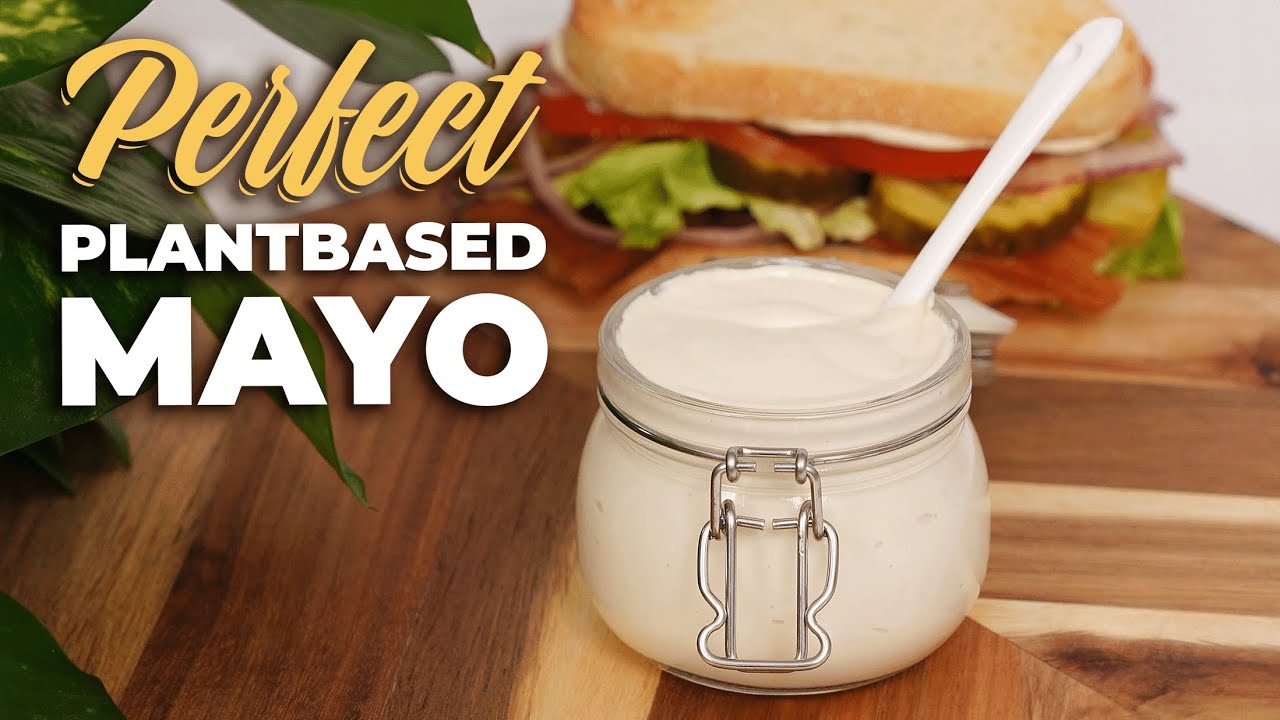
Vegan Mayonnaise Recipe: Vegan mayonnaise is a creamy, tangy, and delicious alternative to traditional mayo that contains no eggs or animal products. Instead, it’s crafted using plant-based ingredients like soy milk, aquafaba (chickpea water), or even cashews to replicate that smooth, rich texture we all love. If you’re transitioning to a plant-based diet, dealing with egg allergies, or just want to try something new, vegan mayo is a game-changer in your kitchen arsenal.
It works just like traditional mayonnaise. Whether you’re spreading it on sandwiches, mixing it into coleslaw, or using it as a base for your favorite salad dressing, vegan mayo brings the same creamy consistency and zesty kick—without the cholesterol or animal fats. What’s more, it’s incredibly customizable. From garlicky aioli to spicy chipotle blends, there’s a vegan version of mayo for just about every taste bud out there.
So what makes vegan mayonnaise truly special? It’s the perfect blend of healthy, tasty, and kind. And unlike commercial brands that often contain preservatives or mystery ingredients, a homemade batch lets you control everything—flavor, freshness, and nutrition.
Why Choose Vegan Mayo Over Traditional Mayo?
Why should you ditch the eggs and opt for a vegan version instead? The reasons are as delicious as they are ethical. First off, vegan mayo is cholesterol-free, making it heart-healthier by default. If you’ve ever worried about the saturated fats in traditional mayonnaise, this plant-based twist puts those fears to rest. It’s usually lower in calories too, depending on the oil you use.
Then there’s the environmental and ethical side. Egg production, even from free-range farms, often involves animal cruelty and a significant carbon footprint. Going vegan helps reduce demand for these industries. A single batch of homemade vegan mayo might feel like a small step, but multiply that by your weekly usage, and you’re making a meaningful impact.
There’s also versatility. Vegan mayo isn’t just a replacement; it’s an upgrade. You can experiment with nutty flavors using cashews, or give it a Mediterranean twist with olive oil and garlic. Ever tried avocado mayo? It’s creamy, green, and guilt-free.
Bottom line: vegan mayo isn’t just for vegans. It’s for anyone who loves delicious food, cares about the planet, and wants to make healthier choices.
Essential Ingredients for Vegan Mayonnaise
Common Plant-Based Ingredients Used
One of the biggest myths about vegan mayo is that it’s hard to make. Truth is, with a few simple ingredients—many of which are likely already in your pantry—you can whip up a batch in just minutes. Here are the staples:
- Plant-Based Milk: Soy milk is a top pick because of its high protein content, which helps emulsify the mayo. Almond or oat milk can also work, but avoid sweetened or flavored varieties.
- Oil: Neutral oils like sunflower, canola, or light olive oil are preferred. These allow the other flavors to shine while giving the mayo its creamy texture.
- Acid: Vinegar (like apple cider or white wine vinegar) or lemon juice adds tang and helps preserve the mayo.
- Mustard: A small spoonful of Dijon or yellow mustard adds flavor and acts as an emulsifier.
- Salt & Sweetener: Just a pinch of salt and a touch of maple syrup or agave can balance the flavor.
- Garlic or Spices (Optional): Want more flavor? Add garlic, black pepper, paprika, or herbs like dill or basil.
These ingredients form the base of your vegan mayo, and once you’ve got the method down, you can tweak the flavors to suit your taste.
Key Differences from Egg-Based Mayo
Let’s get into the science of what sets vegan mayo apart. Traditional mayonnaise relies on egg yolks to emulsify oil and vinegar or lemon juice. This process gives it that thick, creamy consistency. In vegan mayo, we replicate this emulsification using soy proteins or aquafaba, both of which stabilize the mixture just as well.
Without eggs, you’re also eliminating the risk of salmonella, which makes vegan mayo a safer choice for everyone—especially if you’re storing it for a few days. Plus, it’s often longer-lasting in the fridge if you use the right acid and keep it well-sealed.
Another perk? No funky smell. Egg-based mayo can sometimes have that unmistakable sulfuric note—especially when it’s not fresh. Vegan mayo, on the other hand, stays clean-smelling and delicious longer.
Tools You’ll Need in Your Kitchen
Must-Have Equipment
Making vegan mayo at home doesn’t require a chef’s kitchen—just a few trusty tools and you’re good to go. Here’s what you’ll need:
- High-Speed Blender or Immersion Blender: These are the stars of the show. They whip everything into that rich, fluffy consistency in seconds.
- Measuring Spoons & Cups: Precision matters. Too much oil or too little acid can mess with your texture.
- Tall Mixing Jar or Jug: Especially helpful if you’re using an immersion blender. The tall sides prevent splatter and help the mixture emulsify quickly.
- Spatula: For scraping down the sides and making sure you don’t waste a single dollop.
Optional Tools to Enhance the Process
Want to level up your mayo-making game? These extras can make things smoother:
- Digital Scale: If you’re a perfectionist or trying to replicate a winning batch, measuring by weight is more accurate.
- Fine Mesh Sieve: Use it to strain aquafaba or get rid of any graininess if you’re using nut-based milk.
- Glass Jar with Lid: Ideal for storage. Glass doesn’t absorb odors and keeps your mayo fresher for longer.
With these tools in your kitchen, making your own vegan mayo becomes not just easy—but fun.
Step-by-Step Vegan Mayonnaise Recipe
Step 1: Gather Your Ingredients
Before anything else, line up your ingredients. Here’s a basic recipe to start with:
- ½ cup unsweetened soy milk
- 1 cup neutral oil (like sunflower or canola)
- 1 tablespoon apple cider vinegar or lemon juice
- 1 teaspoon Dijon mustard
- ½ teaspoon salt
- ½ teaspoon maple syrup or agave nectar
- Optional: 1 garlic clove or pinch of black pepper for flavor
Tip: Make sure your ingredients are at room temperature. Cold ingredients can prevent emulsification, resulting in a runny or broken mayo.
Step 2: Blend to Perfection
Now that you’ve got your ingredients ready, it’s time to work the magic. The blending process is crucial—this is where the texture of your mayo comes to life. If you’re using an immersion blender, place all the ingredients into your tall mixing jar. Stick the blender all the way to the bottom and blend on high without moving it for about 20–30 seconds. You’ll start to see the mixture thicken almost instantly. Once the bottom emulsifies, slowly lift the blender to incorporate the oil at the top.
Using a high-speed countertop blender? Same rules apply—just add all ingredients and blend on high for about 30–45 seconds. You’ll want to scrape down the sides at least once to make sure everything is evenly mixed.
Pro tip: Don’t overblend. Once it reaches that creamy, thick consistency, stop. Overmixing can break the emulsion, making it runny again.
If you’re using aquafaba instead of soy milk, start with less oil and add more gradually. Aquafaba has slightly different emulsifying properties and can create a thinner texture if you add too much oil too fast.
This step is also where you can tweak things based on what you like. Want a thicker mayo? Add a little more oil. Need it tangier? A splash more lemon juice will do the trick.
Step 3: Adjust Flavor and Consistency
Taste test time! This is where you make your vegan mayo truly yours. Grab a spoon and give it a try. Too bland? Add a pinch more salt. Not tangy enough? Squeeze in some extra lemon juice. Want it sweeter? A dash more maple syrup can balance the acidity.
You can also adjust the consistency here. If it’s too thick for your liking, stir in a small splash of water or plant-based milk. If it’s too runny, try blending in a bit more oil, just a tablespoon at a time. Remember: the texture can change slightly after refrigerating, often becoming thicker as it chills.
This is also a good time to add any extra seasonings you want. Garlic powder, onion powder, paprika, or even a squirt of sriracha if you’re feeling spicy. Mix well and give it another taste. A good vegan mayo should be tangy, slightly salty, and incredibly smooth.
Take your time during this step. This is your signature mayo blend in the making, and even small adjustments can lead to a big flavor payoff.
Step 4: Store It Right
Proper storage can make all the difference in keeping your vegan mayonnaise fresh and flavorful. First, transfer it to a clean, airtight container—preferably a glass jar. Glass won’t absorb odors and will help maintain the taste and texture of your mayo.
Label the jar with the date so you can keep track of freshness. Homemade vegan mayo usually lasts about 7–10 days in the refrigerator. Because we’re not using preservatives, it’s best to make it in small batches that you’ll use up quickly.
Avoid double-dipping or using a dirty spoon to scoop it out. This helps prevent contamination and extends the shelf life.
Want to keep your mayo tasting fresh even longer? Add a touch of vinegar or lemon juice each time you open the jar. The added acidity can help act as a natural preservative. And remember, if it smells off or the texture separates too much, it’s best to whip up a fresh batch.
Proper storage not only ensures safety but also preserves that perfect flavor you worked so hard to create.
Customizing Your Vegan Mayo
Adding Herbs and Spices
Once you’ve mastered the base recipe, it’s time to have some fun. One of the best things about vegan mayo is how easy it is to customize. You can add almost any herb or spice to match your dish or your mood.
Try fresh or dried herbs like:
- Basil: For an Italian twist
- Dill: Perfect with cucumber sandwiches or potato salad
- Cilantro: Adds a zesty, bright flavor
- Parsley: Clean and refreshing
Or spice things up with:
- Smoked paprika: Gives a smoky depth
- Curry powder: For a bold, exotic touch
- Garlic powder: A must for garlic lovers
- Black pepper or chili flakes: A little heat goes a long way
You can blend these directly into your mayo or stir them in afterward, depending on whether you want a smooth or more textured sauce. Play around with combinations until you find your signature mix.
Herbs and spices not only elevate the taste but also bring added nutrients and antioxidants. It’s all about flavor with benefits!
Flavor Variations (Garlic, Chipotle, etc.)
Want to take it even further? Let’s dive into some next-level vegan mayo variations:
- Garlic Aioli: Add 1–2 cloves of fresh garlic or a teaspoon of garlic powder. For roasted garlic aioli, roast the garlic first to mellow the flavor.
- Chipotle Mayo: Mix in 1 tablespoon of chipotle in adobo sauce. Spicy, smoky, and addictive.
- Avocado Mayo: Blend in half a ripe avocado. This version is extra creamy and loaded with healthy fats.
- Lemon-Dill Mayo: Add lemon zest and finely chopped dill for a zesty, herby version.
- Sriracha Mayo: For a spicy kick, stir in your favorite chili sauce.
Each variation gives you a whole new flavor profile without needing a whole new recipe. Whether you’re making a sandwich, dipping fries, or dressing a salad, these flavor-packed versions of vegan mayo are guaranteed to impress.
Creative Ways to Use Vegan Mayonnaise
In Sandwiches and Wraps
Vegan mayo is the ultimate sandwich savior. It’s not just a spread—it’s the glue that brings everything together. Whether you’re layering a veggie-packed wrap or stacking up a juicy plant-based burger, a good dollop of vegan mayo adds that irresistible creaminess that binds all the flavors.
Use it as a base to spread over bread, tortillas, or buns. It complements roasted veggies, leafy greens, tofu slices, and vegan deli meats perfectly. You can also mix it with mustard or hot sauce for an instant aioli that turns any ordinary sandwich into a gourmet experience.
And let’s not forget breakfast. A vegan breakfast wrap with scrambled tofu, sautéed spinach, and a touch of sriracha mayo? Game-changer.
Don’t be shy—layer it on thick, and watch your sandwiches go from meh to mouthwatering.
In Salads and Dressings
Think beyond potato salad. Vegan mayo makes an excellent base for creamy salad dressings and slaws. You can whip up a classic coleslaw by mixing it with shredded cabbage, carrots, a splash of vinegar, and a bit of sugar.
Want a killer ranch-style dressing? Combine vegan mayo with plant milk, garlic powder, onion powder, parsley, and dill. Thin it out to your liking, and you’ve got a delicious dip or drizzle.
Use it in:
- Pasta salads
- Chickpea or lentil salads
- Vegan tuna (chickpea) salad
- Deviled potatoes (a vegan take on deviled eggs)
It’s creamy, customizable, and a sure-fire way to bring comfort food vibes to your plant-based meals.
Common Mistakes to Avoid
Using the Wrong Kind of Milk
Not all plant-based milks are created equal—especially when it comes to making mayo. Sweetened or flavored options (like vanilla almond milk) can ruin the taste. Always use unsweetened, unflavored milk, with soy being the most reliable due to its high protein content, which aids in emulsification.
If your mayo isn’t thickening, check the milk first. That innocent-looking almond or oat milk might be sabotaging your recipe with hidden sugars or additives.
Adding Oil Too Quickly
While this isn’t as big a deal with immersion blenders, adding oil too fast in a traditional blender can prevent emulsification. This means your mayo might separate or never thicken at all. Always pour oil slowly and steadily, especially when using a standard upright blender.
Skipping the Mustard or Acid
Both mustard and vinegar/lemon juice play important roles in structure and flavor. Skip them, and your mayo could end up tasting flat—or worse, separating in the fridge. They act as emulsifiers and preservatives, giving you that classic tang and longer shelf life.
Nutritional Benefits of Vegan Mayonnaise
Fewer Calories, Zero Cholesterol
Compared to traditional egg-based mayo, vegan mayonnaise usually comes with fewer calories and absolutely no cholesterol. This makes it a heart-healthier option, especially if you’re watching your saturated fat intake. Using oils like avocado or olive oil can even increase your intake of healthy monounsaturated fats.
Allergy-Friendly and Gut-Approved
Egg allergies? No problem here. Vegan mayo is free of common allergens like eggs and dairy, making it a great option for people with dietary restrictions. Some variations use aquafaba, which is also low in fat and naturally cholesterol-free.
Clean and Customizable
The beauty of homemade vegan mayo is you control everything that goes into it. No preservatives, no artificial flavors—just real food. This clean ingredient list supports better digestion and overall wellness, especially when you avoid processed oils or unnecessary sweeteners.
How to Store and Preserve Vegan Mayonnaise
Fridge Tips and Shelf Life
Once made, vegan mayonnaise should always be stored in an airtight container in the fridge. Glass jars are ideal since they don’t absorb flavor and help maintain freshness. On average, your mayo should stay fresh for 7 to 10 days.
To extend shelf life:
- Always use a clean spoon (no double dipping!)
- Add a little extra lemon juice or vinegar for natural preservation
- Keep it tightly sealed and stored at the back of the fridge, where it’s coldest
If you notice a strange smell, color change, or separation that doesn’t go away after stirring, it’s best to toss it and make a fresh batch.
FAQs about Vegan Mayonnaise Recipe
1. Can I freeze vegan mayonnaise?
Freezing vegan mayo isn’t recommended, as it can cause separation and texture issues once thawed. It’s best stored in the fridge and used within 7–10 days.
2. What’s the best oil to use for vegan mayo?
Neutral oils like sunflower, canola, or grapeseed are best. For added flavor, you can try light olive oil or avocado oil, but avoid extra virgin olive oil, which can turn bitter when blended.
3. Is vegan mayo healthier than regular mayo?
Generally, yes. Vegan mayo is cholesterol-free and often lower in saturated fat. It can also be made with healthier oils and no preservatives when made at home.
4. Can I use almond milk instead of soy milk?
You can, but it might not emulsify as well due to the lower protein content. Soy milk and aquafaba are the most reliable for thick, creamy results.
5. My vegan mayo is too runny—how can I fix it?
Try blending in more oil, a little at a time, or refrigerate it to see if it thickens. Make sure your ingredients are at room temperature before blending next time.
Conclusion
Vegan mayonnaise is so much more than just a condiment—it’s a staple, a secret weapon, and a flavorful gateway into the world of plant-based eating. With just a few simple ingredients and a blender, you can create a creamy, delicious mayo that not only matches its traditional counterpart but often beats it in taste, texture, and versatility.
From sandwiches to salads, dips to dressings, vegan mayo proves that you don’t need eggs or dairy to achieve that creamy perfection. Plus, you get all the benefits of a heart-healthier, allergen-free spread that’s fully customizable to your tastes.
Once you make it at home, you’ll never go back to store-bought again. So get blending, get creative, and let your taste buds enjoy the journey.