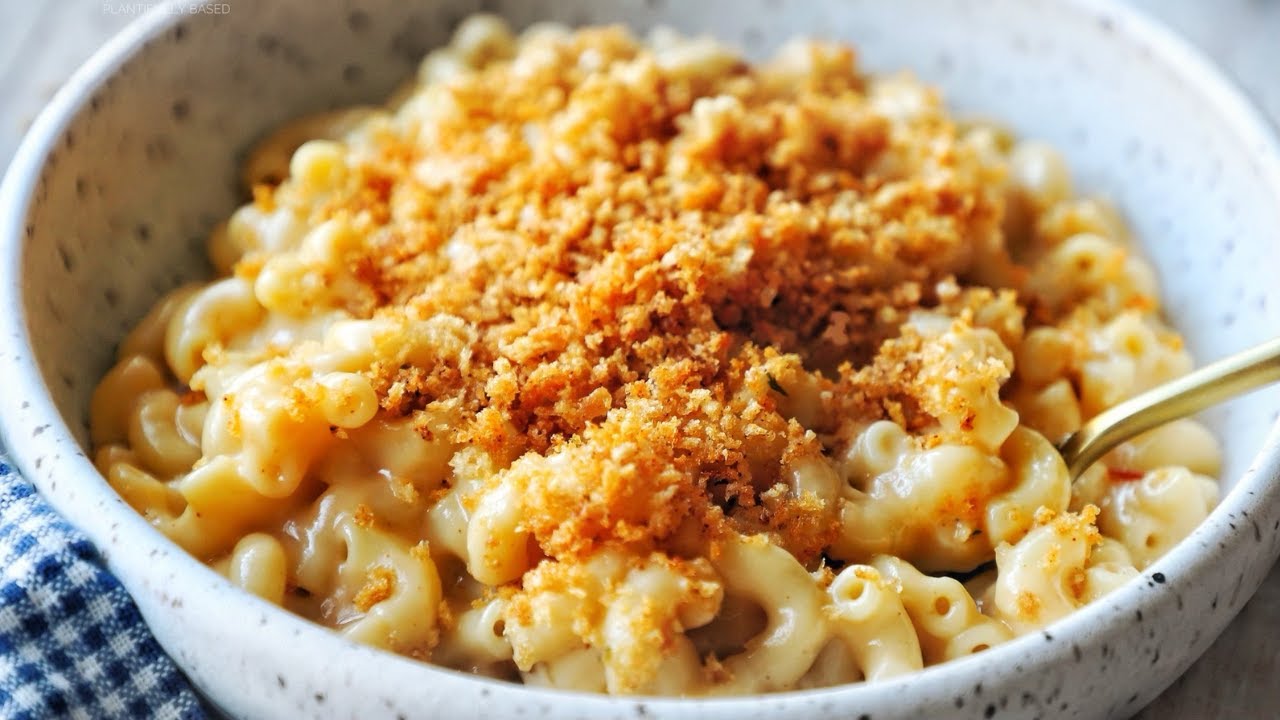
Vegan Mac and Cheese Recipe: Who doesn’t love mac and cheese? It’s the ultimate comfort food—creamy, cheesy, and oh-so-satisfying. But if you’re following a plant-based lifestyle or simply trying to cut down on dairy, you don’t have to miss out on this classic dish. Vegan mac and cheese has become incredibly popular because it delivers all the flavor and creaminess of the traditional version without using any dairy products. The best part? It’s healthier, easier on your stomach, and just as indulgent.
This step-by-step guide will walk you through everything you need to know to create the perfect vegan mac and cheese at home. From the essential ingredients to a foolproof cooking method, you’ll have a delicious dish ready to impress both vegans and non-vegans alike.
Introduction to Vegan Mac and Cheese
Why Choose a Vegan Version?
There are many reasons why people are turning to vegan mac and cheese. The traditional version relies heavily on dairy products like milk, cream, and cheese, which can cause discomfort for those who are lactose intolerant. A vegan version, on the other hand, skips all animal-based products and replaces them with plant-based alternatives. Cashews, nutritional yeast, and plant-based milk create a creamy, cheesy texture and taste without the need for dairy.
Beyond dietary restrictions, many choose vegan mac and cheese for ethical and environmental reasons. Dairy farming contributes significantly to greenhouse gas emissions, while plant-based ingredients generally have a much smaller carbon footprint. By making a vegan swap, you’re not just making a healthier choice for yourself—you’re also doing something positive for the planet.
Health Benefits of Vegan Mac and Cheese
Unlike traditional mac and cheese, which is often high in saturated fat and cholesterol, the vegan version is typically lighter and packed with nutrients. Cashews provide healthy fats, while nutritional yeast offers a rich source of B vitamins. Many recipes also incorporate vegetables like carrots, potatoes, or squash into the sauce for added creaminess and nutrition.
Another benefit is that vegan mac and cheese is much easier to digest. Since it’s dairy-free, it’s a great option for people who suffer from bloating, stomach discomfort, or other digestive issues after eating cheese.
Comfort Food Without the Guilt
The beauty of vegan mac and cheese is that it gives you the same indulgent experience as the original but with far fewer drawbacks. You still get that creamy, savory, cheesy flavor, but without the heavy feeling afterward. It’s perfect for weeknight dinners, potlucks, or even as a holiday side dish.
Think of it as comfort food reimagined—something you can enjoy wholeheartedly, knowing that it’s nourishing and cruelty-free.
Ingredients You’ll Need
Getting the right ingredients is the first step to making a truly delicious vegan mac and cheese. Luckily, most of the ingredients are easy to find at any grocery store. The magic comes from combining a few simple plant-based staples in the right way.
Main Ingredients for the Pasta
- Macaroni pasta (or any short pasta like shells or penne)
- Salt for seasoning the pasta water
You can use traditional wheat pasta or swap it for gluten-free options if you prefer. The shape of the pasta matters too—elbow macaroni is the classic choice because it holds the sauce beautifully, but other shapes like fusilli or rotini work just as well.
Ingredients for the Creamy Vegan Cheese Sauce
Here’s where the magic happens. The sauce is the star of vegan mac and cheese, and it’s built from simple but powerful ingredients:
- Raw cashews (soaked for creaminess)
- Nutritional yeast (adds a cheesy, umami flavor)
- Plant-based milk (unsweetened almond, soy, oat, or cashew milk)
- Garlic (fresh or powder)
- Onion powder
- Mustard (yellow or Dijon for tanginess)
- Lemon juice (for brightness)
- Salt and black pepper
- Paprika or smoked paprika (for extra depth)
Some recipes also include cooked carrots or potatoes in the sauce base to give it more body and a natural orange color.
Optional Add-Ons and Toppings for Extra Flavor
Want to take your vegan mac and cheese to the next level? Try these extras:
- Breadcrumbs for a crunchy topping
- Vegan butter for richness
- Hot sauce for a spicy kick
- Steamed broccoli, peas, or spinach for added veggies
- Vegan parmesan for an extra cheesy finish
Kitchen Tools and Equipment Required
Before you start cooking, make sure you’ve got the right tools on hand. Having the proper equipment will make the process smoother and quicker.
Essential Cooking Tools
- Large pot for boiling pasta
- Strainer for draining pasta
- High-speed blender or food processor for making the creamy sauce
- Measuring cups and spoons for accuracy
- Mixing spoon for stirring everything together
Helpful Appliances for Easier Prep
- Oven (optional) if you plan to bake your mac and cheese with breadcrumbs
- Small saucepan if you want to warm the sauce separately before combining with pasta
With these tools ready, you’ll be able to whip up your vegan mac and cheese effortlessly.
Step-by-Step Guide to Making Vegan Mac and Cheese
This is where the fun begins! Follow these simple steps to create a rich, creamy, and satisfying vegan mac and cheese.
Step 1 – Cooking the Pasta
Bring a large pot of salted water to a boil. Cook your macaroni according to package instructions until al dente. Drain and set aside. You may drizzle a little olive oil to prevent sticking.
Step 2 – Preparing the Sauce Base
Soak cashews in hot water for 20–30 minutes to soften (or boil for 10 minutes if short on time). In a separate pot, boil chopped carrots and potatoes until tender. These create natural creaminess and color. Set aside.
Step 3 – Blending the Creamy Vegan Cheese Sauce
Add soaked cashews, cooked carrot and potato, plant-based milk, nutritional yeast, garlic powder, onion powder, mustard, lemon juice, salt, pepper, and paprika into a blender. Blend until completely smooth and creamy. Adjust thickness with more plant milk if needed. Taste and adjust seasoning.
Step 4 – Combining Pasta and Sauce
Return the cooked pasta to the pot and pour the sauce over it. Stir well until every piece is evenly coated. For a baked version, transfer to a baking dish, top with breadcrumbs, and bake at 190°C (375°F) for 15–20 minutes until golden.
Step 5 – Adding Toppings and Serving
Finish with toppings like toasted breadcrumbs, chopped herbs, chili flakes, steamed broccoli, or vegan parmesan. Serve warm and enjoy a comforting, cheesy vegan dish that rivals the classic.
This vegan mac and cheese is creamy, flavorful, and perfect for any occasion.
Tips for the Perfect Vegan Mac and Cheese
Even though vegan mac and cheese is simple to make, a few pro tips can help you achieve perfection every time.
How to Get the Creamiest Texture
The secret lies in blending. Use a high-speed blender to achieve a silky-smooth sauce—no one likes a gritty texture. Make sure your cashews are well-soaked, and blend long enough to remove any lumps. Adding starchy cooking water from the pasta can also enhance creaminess.
Balancing Flavors for That Cheesy Taste
Cheese isn’t just creamy—it’s tangy, salty, and savory. To mimic that balance, adjust your seasoning carefully. Nutritional yeast is essential for cheesiness, mustard adds tang, lemon juice gives brightness, and a pinch of smoked paprika deepens the flavor. Don’t be afraid to taste and tweak.
Common Mistakes to Avoid
- Using sweetened plant milk – This can make the sauce taste odd. Always use unsweetened versions.
- Skipping the soak – Raw cashews won’t blend smoothly unless soaked or boiled.
- Overcooking pasta – Remember, pasta continues to cook slightly when mixed with hot sauce.
- Under-seasoning – Vegan cheese sauce needs bold flavors, so be generous with seasonings.
By following these tips, you’ll consistently create a vegan mac and cheese that’s creamy, flavorful, and downright addictive.
Variations of Vegan Mac and Cheese
One of the best things about vegan mac and cheese is its versatility. While the classic version is always a winner, you can easily tweak the recipe to suit different dietary needs and taste preferences. Whether you’re gluten-free, protein-focused, or love a spicy kick, there’s a variation for everyone.
Gluten-Free Version
For those avoiding gluten, making this dish gluten-free is surprisingly simple. Swap the traditional wheat-based macaroni for gluten-free pasta made from rice, corn, quinoa, or chickpeas. These alternatives hold up well to the creamy sauce and still deliver the same comfort factor.
When baking the gluten-free version, use gluten-free breadcrumbs or crushed gluten-free crackers for the crispy topping. The sauce itself is naturally gluten-free as long as you double-check labels on plant-based milk and nutritional yeast.
This version is perfect for dinner parties where some guests may have dietary restrictions—you’ll serve a dish that everyone can enjoy without compromise.
High-Protein Version
Want to add a protein boost? Switch out traditional pasta for lentil or chickpea pasta. These varieties contain significantly more protein and fiber, making the dish not only more filling but also nutritionally balanced.
You can also mix in protein-packed add-ins like sautéed tempeh, baked tofu cubes, or even white beans blended into the sauce. These additions don’t change the creamy consistency but make the dish heartier and better suited as a main meal.
High-protein vegan mac and cheese is especially great for athletes, active individuals, or anyone looking to stay fuller for longer.
Spicy Kick Version
If you love bold flavors, you’ll adore this spicy twist. Simply add hot sauce, chili flakes, or a pinch of cayenne pepper to the cheese sauce. For an extra punch, stir in diced jalapeños or roasted red peppers.
You can also top your spicy version with sriracha drizzle or sprinkle in some chipotle powder for smoky heat. Pair it with a cooling side salad to balance out the flavors.
This variation is fantastic for spice lovers who want their comfort food with a little attitude.
Serving Suggestions
Vegan mac and cheese is hearty enough to stand alone, but it also pairs beautifully with a variety of sides. If you’re serving it as part of a meal, consider these ideas.
Best Side Dishes to Pair With Vegan Mac and Cheese
- Fresh green salad – A crisp salad with vinaigrette balances the richness.
- Garlic bread – Adds crunch and extra flavor.
- Roasted vegetables – Broccoli, Brussels sprouts, or carrots make a nutritious pairing.
- Vegan coleslaw – Creamy yet refreshing, it complements the pasta perfectly.
How to Serve for Parties or Gatherings
For family dinners or potlucks, double the recipe and serve it in a casserole dish. Top it with breadcrumbs and bake until golden for an impressive presentation.
If you want to get creative, serve mac and cheese in small ramekins as individual portions, or even in hollowed-out bell peppers or baked potatoes for a fun twist.
Vegan mac and cheese also makes an amazing side dish for festive occasions like Thanksgiving or Christmas. It’s guaranteed to win over even the non-vegans at the table.
Storing and Reheating Vegan Mac and Cheese
One of the best parts about this recipe is how well it stores. Whether you want to meal prep or save leftovers, vegan mac and cheese holds up beautifully when stored properly.
Refrigerator Storage Tips
Allow the mac and cheese to cool before transferring it to an airtight container. It can be stored in the refrigerator for up to 3–4 days. The sauce may thicken as it sits, so add a splash of plant-based milk when reheating to bring it back to a creamy consistency.
Freezer-Friendly Option
If you want to store it for longer, freeze it. Place cooled mac and cheese in a freezer-safe container or portion it into smaller containers for easy grab-and-go meals. It will keep well in the freezer for up to 2 months.
When ready to eat, thaw overnight in the fridge, then reheat with a splash of milk to revive the creaminess.
Best Way to Reheat Without Losing Creaminess
The stovetop is the best method. Place the pasta in a pan, add a little plant-based milk, and stir over low heat until warmed through. Avoid microwaving for too long, as it can dry out the sauce.
By following these steps, you can enjoy your vegan mac and cheese just as creamy and flavorful the next day as it was when freshly made.
Nutritional Breakdown
Vegan mac and cheese isn’t just comfort food—it’s also surprisingly nutritious. By using plant-based ingredients, you pack in vitamins and minerals while cutting down on saturated fat and cholesterol.
Calories and Macronutrients
On average, one serving (about 1 cup) of vegan mac and cheese contains:
- Calories: 300–350
- Protein: 10–15g (higher with lentil or chickpea pasta)
- Carbohydrates: 45–50g
- Fat: 10–12g (mostly healthy fats from cashews)
- Fiber: 6–8g
Key Vitamins and Minerals
- Vitamin B12 (if fortified nutritional yeast is used)
- Vitamin C from lemon juice and veggies
- Calcium from fortified plant-based milk
- Iron from cashews and pasta alternatives
- Magnesium and potassium from vegetables like carrots and potatoes
This makes vegan mac and cheese not just indulgent, but also a well-rounded meal that nourishes your body.
FAQs about Vegan Mac and Cheese Recipe
1. Can I make this recipe nut-free?
Yes! Replace cashews with sunflower seeds or silken tofu for a creamy base. Just note that the flavor may vary slightly.
2. Can I prepare vegan mac and cheese ahead of time?
Absolutely. You can make the sauce in advance and store it in the fridge for up to 3 days. Just cook the pasta fresh before serving.
3. Which pasta works best for this recipe?
Elbow macaroni is traditional, but shells, penne, or rotini also hold the sauce beautifully.
4. Can I use store-bought vegan cheese instead of homemade sauce?
Yes, but homemade sauce is healthier and usually tastes fresher. Store-bought cheese can be melted into the sauce if you want extra richness.
5. How can I make it more kid-friendly?
Use elbow pasta, keep the flavors mild (skip the mustard and paprika), and mix in peas or broccoli for added nutrition.
Conclusion
Vegan mac and cheese proves that you don’t need dairy to enjoy creamy, cheesy comfort food. With a base of cashews, nutritional yeast, and plant-based milk, you can whip up a sauce that rivals traditional cheese in both flavor and texture. It’s versatile, customizable, and perfect for everything from weeknight dinners to festive celebrations.
Whether you keep it classic, add protein, go gluten-free, or spice things up, this dish is sure to become a favorite in your kitchen. Best of all, it’s wholesome, filling, and completely guilt-free.
So grab your ingredients, fire up your blender, and get ready to fall in love with vegan mac and cheese.