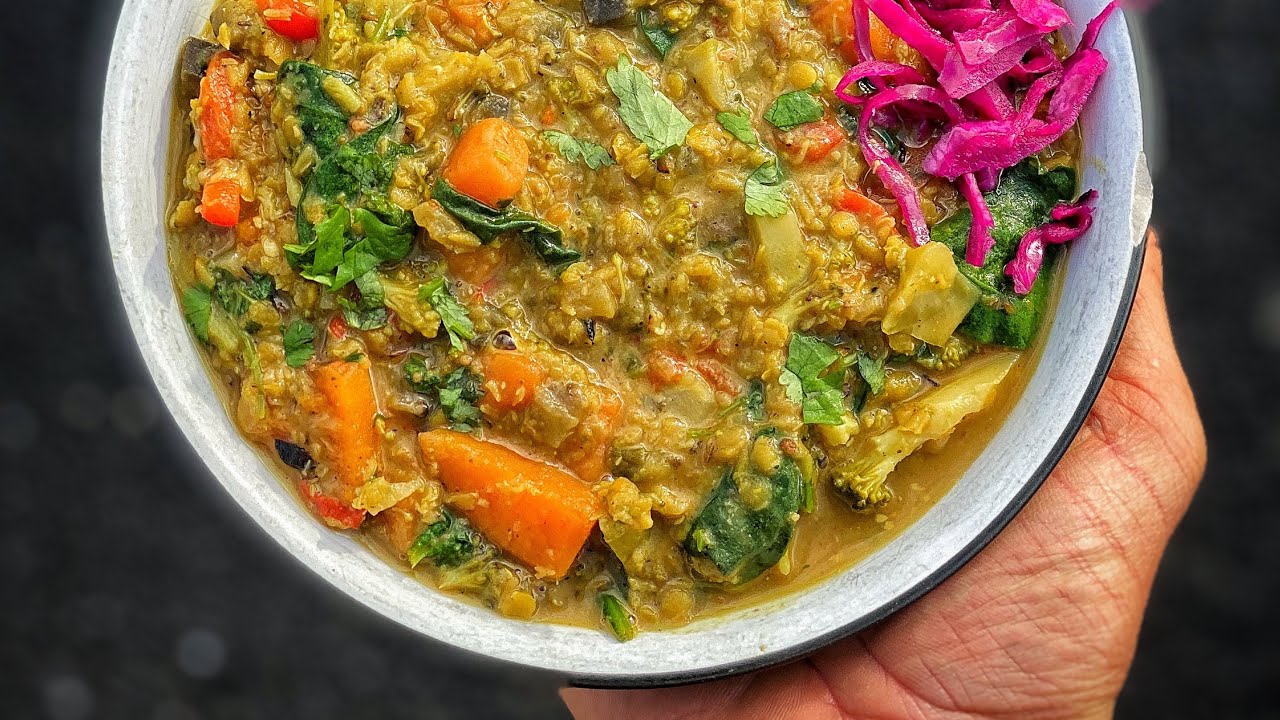
Vegan Curry Recipe: Vegan curry isn’t just a trend—it’s a movement on a plate. Over the past decade, plant-based cooking has evolved from being a niche lifestyle to becoming a mainstream culinary revolution. And right at the heart of this delicious transformation? Curry. Rich, aromatic, comforting, and endlessly customizable, vegan curry delivers bold flavors without relying on animal products. It’s proof that you don’t need meat or dairy to create something deeply satisfying.
This guide is your complete, professional, step-by-step roadmap to mastering vegan curry at home. Whether you’re a beginner experimenting with plant-based meals or a seasoned cook looking to refine your technique, this article covers everything—from essential ingredients to expert-level cooking techniques. You’ll learn how to balance flavors, avoid common mistakes, and create a curry that tastes like it came straight from a restaurant kitchen.
So, ready to transform simple vegetables and spices into something extraordinary? Let’s dive in.
Why Vegan Curry Is So Popular Worldwide
Have you noticed how vegan curry appears on menus everywhere—from street food stalls in Bangkok to upscale restaurants in London? That’s not an accident. Vegan curry has become globally popular because it’s adaptable, affordable, and incredibly flavorful.
First, curry is naturally plant-friendly. Traditional curries from India, Thailand, Sri Lanka, and Malaysia often rely heavily on vegetables, lentils, beans, and coconut milk. That means going vegan doesn’t require reinventing the dish—it simply means choosing plant-based ingredients intentionally. The foundation is already there.
Second, vegan curry satisfies everyone at the table. You don’t have to be vegan to enjoy it. The depth of spices like cumin, coriander, turmeric, and garam masala creates such a complex flavor profile that no one feels like something is “missing.” In fact, many people find plant-based curries lighter yet more vibrant.
Another reason for its popularity? Accessibility. Most ingredients are affordable and easy to find. Potatoes, carrots, chickpeas, spinach—these are everyday items. Spices last for months. Coconut milk is shelf-stable. It’s budget-friendly and pantry-friendly.
And let’s not forget versatility. Want it spicy? Add chili. Prefer it creamy? Increase coconut milk. Need more protein? Toss in tofu or lentils. Vegan curry adapts to your mood, dietary needs, and available ingredients.
In a world where people crave comfort food that’s also healthy and sustainable, vegan curry checks every box. It’s comfort without compromise.
Health Benefits of Choosing a Plant-Based Curry
Let’s talk about what happens inside your body when you choose a vegan curry over a heavy, cream-based dish. Spoiler alert: your body thanks you.
Plant-based curries are typically rich in fiber, antioxidants, and essential nutrients. Vegetables like spinach, cauliflower, bell peppers, and sweet potatoes are loaded with vitamins A, C, and K. Legumes such as lentils and chickpeas provide plant-based protein and fiber, keeping you full longer and supporting digestive health.
Then there are the spices. Turmeric contains curcumin, known for its anti-inflammatory properties. Ginger aids digestion. Garlic supports immune function. Cumin can help with metabolism. In other words, vegan curry isn’t just tasty—it’s functional food.
Another major benefit? Lower saturated fat. Traditional curries sometimes use heavy cream or ghee. Vegan versions often rely on coconut milk or blended cashews for creaminess. While coconut milk does contain fat, it’s plant-based and can be used in moderation for a balanced dish.
Plant-based meals are also associated with improved heart health, better weight management, and reduced risk of chronic diseases. When you fill your bowl with vegetables, legumes, and spices instead of processed ingredients, you naturally boost your nutrient intake.
And here’s the best part: healthy doesn’t mean bland. Vegan curry proves that you can eat clean without sacrificing bold, exciting flavors. It’s wellness wrapped in warmth.
Understanding the Basics of Vegan Curry
Before you start cooking, it’s important to understand what makes a curry truly great. Curry isn’t just a random mix of spices thrown into a pot. It’s a carefully layered process where each ingredient builds upon the last.
At its core, vegan curry consists of four essential components: aromatics, spices, main ingredients, and liquid. Aromatics like onions, garlic, and ginger form the base. Spices add depth and personality. Vegetables and plant-based proteins provide substance. Liquid elements—such as coconut milk, vegetable broth, or tomato puree—bring everything together into a cohesive sauce.
The magic happens in the layering. You don’t just dump everything in at once. You build flavor step by step. First, sauté aromatics. Then toast the spices. Next, add vegetables and allow them to absorb the flavors. Finally, simmer everything gently so the sauce thickens and intensifies.
Texture also plays a key role. A good vegan curry isn’t watery or overly thick. It should coat the back of a spoon—rich but not heavy. Vegetables should be tender but not mushy.
Think of vegan curry like composing music. Each ingredient is an instrument. Alone, they’re simple. Together, they create harmony.
What Makes a Curry “Vegan”?
You might be wondering—what exactly transforms a regular curry into a vegan curry? The answer is simple: removing all animal-derived ingredients while maintaining full flavor and texture.
Traditional curries may include meat, seafood, yogurt, cream, butter (ghee), or fish sauce. A vegan curry eliminates these and replaces them with plant-based alternatives without compromising taste.
For example:
- Replace heavy cream with coconut milk or cashew cream.
- Swap meat with chickpeas, lentils, tofu, tempeh, or cauliflower.
- Use soy sauce or tamari instead of fish sauce.
- Choose vegetable broth instead of chicken broth.
But here’s the key—vegan curry isn’t about substitution alone. It’s about celebrating vegetables as the star. Instead of treating them as side ingredients, you make them the highlight.
A well-made vegan curry doesn’t feel like a “replacement meal.” It feels intentional. Rich. Complete. Satisfying.
When done properly, most people can’t even tell it’s vegan—they just know it’s delicious.
Ingredients You’ll Need
Now let’s get practical. A professional vegan curry starts with quality ingredients. Here’s a comprehensive list to guide you.
Fresh Vegetables
- 1 large onion (finely chopped)
- 3 cloves garlic (minced)
- 1 tablespoon fresh ginger (grated)
- 1 bell pepper (sliced)
- 1 cup cauliflower florets
- 1 cup diced carrots
- 1 cup diced potatoes
- 1 cup spinach or kale
Plant-Based Protein
- 1 can chickpeas (drained and rinsed)
or - 1 cup firm tofu (cubed)
Spices and Seasonings
- 1 teaspoon turmeric
- 1 teaspoon cumin
- 1 teaspoon coriander powder
- 1 teaspoon garam masala
- ½ teaspoon chili powder
- Salt and black pepper to taste
Liquids
- 1 can (400ml) coconut milk
- 1 cup vegetable broth
- 2 tablespoons tomato paste
Optional Garnishes
- Fresh cilantro
- Lime wedges
- Red chili flakes
These ingredients form a balanced, flavorful base. You can customize based on preference, but this combination delivers professional-level results.
Kitchen Tools Required
Before diving into the cooking process, let’s make sure your kitchen setup is ready. The good news? You don’t need fancy equipment to create a restaurant-quality vegan curry. In fact, one of the beauties of this dish is its simplicity. With a few essential tools, you’re fully equipped to create magic.
Here’s what you’ll need:
- A large heavy-bottomed pot or deep skillet (to prevent burning and ensure even heat distribution)
- A sharp chef’s knife (precision matters when chopping vegetables evenly)
- A sturdy cutting board
- A wooden spoon or silicone spatula
- Measuring spoons and cups
- A ladle for serving
Why does the pot matter so much? Because curry is all about slow, layered cooking. A thin pan can cause spices to burn quickly, turning your flavorful base into something bitter. A heavy-bottomed pot retains heat and distributes it evenly, allowing the spices to bloom properly.
Your knife skills also play a bigger role than you might think. Evenly cut vegetables cook at the same rate. If your potatoes are massive chunks and your carrots are paper-thin, you’ll either end up with mushy carrots or undercooked potatoes. Uniformity equals consistency.
If you want to elevate your curry even further, a microplane for grating fresh ginger and garlic can make a big difference. The finer the aromatics, the better they blend into the sauce.
Simple tools. Big results. That’s the beauty of vegan curry.
Step-by-Step Guide to Making Vegan Curry
Now comes the exciting part—bringing everything together. This is where flavor is built, layer by layer. Follow each step carefully, and you’ll create a vegan curry that tastes rich, balanced, and deeply satisfying.
Step 1: Preparing the Ingredients
Wash and chop all vegetables into even-sized pieces for uniform cooking. Prepare your plant-based protein, such as chickpeas, lentils, tofu, or tempeh. Measure out spices and have coconut milk or vegetable stock ready.
Step 2: Building the Flavor Base
Heat oil in a deep pan over medium heat. Sauté chopped onions until soft and lightly golden. Add ginger and garlic, cooking until fragrant. This forms the aromatic base of the curry.
Step 3: Adding Spices the Right Way
Add ground spices such as turmeric, cumin, coriander, and curry powder. Stir constantly for 30–60 seconds to toast the spices lightly, releasing their natural oils and deepening flavor without burning.
Step 4: Incorporating Vegetables and Protein
Add tomatoes or tomato paste, then stir in the vegetables and plant-based protein. Mix well to coat everything evenly with the spice mixture.
Step 5: Simmering to Perfection
Pour in coconut milk or vegetable stock. Bring to a gentle simmer, cover partially, and cook for 15–25 minutes until vegetables are tender and flavors meld together.
Step 6: Adjusting Texture and Taste
Check consistency and add more liquid if needed. Season with salt, pepper, or a squeeze of lime juice. Adjust spice levels to suit your preference.
Step 7: Final Garnishing and Serving
Finish with fresh herbs like cilantro or parsley. Serve hot with rice, naan, or flatbread for a complete and satisfying vegan meal.
This vegan curry is rich, comforting, and endlessly customizable.
Tips for Making the Best Vegan Curry
Want your curry to taste professional every time? Keep these tips in mind:
- Always bloom spices in oil.
- Use fresh ginger and garlic.
- Don’t overcook vegetables.
- Taste and adjust seasoning at the end.
- Let curry rest before serving.
Avoid overcrowding the pot and rushing the simmer. Flavor develops with patience.
Serving Suggestions
Pair your curry with cooling cucumber salad or vegan yogurt to balance heat. Add pickled onions for brightness. A side of mango chutney can elevate sweetness.
For a complete meal, serve with rice and a protein-rich side like lentil dal.
Storage and Meal Prep Tips
Vegan curry stores beautifully. Refrigerate in an airtight container for up to 4 days. Flavors deepen overnight, making leftovers even better.
You can freeze it for up to 2 months. Reheat gently on the stove, adding a splash of broth if needed.
Perfect for meal prep.
Nutritional Breakdown
Here’s an approximate breakdown per serving:
| Nutrient | Amount |
|---|---|
| Calories | 350–400 |
| Protein | 12–15g |
| Fiber | 10g |
| Fat | 18g |
| Carbohydrates | 40g |
Rich in fiber, plant protein, vitamins, and antioxidants.
Variations of Vegan Curry
Thai-Inspired Vegan Curry
Use red curry paste, add bamboo shoots, and basil.
Indian-Style Vegan Curry
Focus on garam masala and tomato-based sauce.
Quick 30-Minute Vegan Curry
Use pre-cut vegetables and canned lentils.
FAQs about Vegan Curry Recipe
1. Can I make vegan curry without coconut milk?
Yes. You can replace coconut milk with blended cashews, almond milk, or vegetable broth. Each option offers a different texture and flavor while keeping the curry creamy.
2. How do I thicken vegan curry?
Simmer the curry uncovered to allow excess liquid to evaporate, or mash a few potatoes or vegetables directly into the sauce for natural thickness.
3. Is vegan curry spicy?
It depends on the amount of chili or spicy ingredients used. You can easily control the heat level by adjusting the spices to suit your taste.
4. Can I add lentils instead of chickpeas?
Absolutely. Red lentils are a great choice because they cook quickly and naturally thicken the curry.
5. What’s the best rice to serve with curry?
Basmati rice is ideal thanks to its light, fluffy texture and fragrant aroma, which pairs perfectly with rich curry sauces.
These tips will help you customize your vegan curry for the perfect balance of flavor and texture.
Conclusion
Vegan curry is more than a recipe—it’s a versatile, nourishing, and deeply flavorful experience. With simple ingredients and thoughtful technique, you can create a dish that satisfies everyone at the table. Layer your flavors, bloom your spices, simmer patiently, and adjust with confidence. That’s the secret to professional-level vegan curry at home.