Vegan Coleslaw Recipe: Coleslaw is one of those dishes that quietly steals the show. You might think it’s just “that side salad” sitting next to your burger or barbecue plate—but when it’s done right, it’s a crisp, creamy, tangy masterpiece. Now imagine all of that goodness, but completely plant-based. That’s exactly what this vegan coleslaw recipe delivers.
Traditional coleslaw usually relies on mayonnaise made with eggs. The vegan version swaps that out for plant-based alternatives without sacrificing flavor or texture. The result? A refreshing, crunchy, and creamy side dish that pairs beautifully with everything from grilled veggies to sandwiches.
What makes this recipe special is balance. It’s not overly sweet. It’s not drowning in dressing. It’s not bland. Instead, it hits all the right notes—sweet, tangy, creamy, and crunchy—in every bite.
Whether you’re fully vegan, trying to eat more plant-based meals, or simply looking for a lighter alternative, this guide will walk you through everything step by step. No guesswork. No complicated ingredients. Just a professional, foolproof vegan coleslaw recipe that works every time.
Let’s start with the essentials.
What Makes Coleslaw Vegan?
At first glance, coleslaw seems like it should already be vegan. After all, it’s mostly cabbage, right? But the real difference lies in the dressing.
Traditional coleslaw dressing is typically made with:
- Egg-based mayonnaise
- Sometimes buttermilk
- Occasionally honey
These ingredients make the classic version unsuitable for a vegan diet. So how do we fix that without losing the creamy texture everyone loves?
The secret is plant-based swaps.
Instead of traditional mayo, we use vegan mayonnaise, which is made from ingredients like soy milk, aquafaba (chickpea liquid), or other plant proteins. It’s just as creamy and rich—but completely dairy-free and egg-free.
Instead of honey, we use:
- Maple syrup
- Agave nectar
- Organic cane sugar
The taste remains beautifully balanced, but the recipe becomes fully plant-based.
The beauty of vegan coleslaw is that no one can tell the difference. Seriously. Serve it at a family gathering, and most people won’t even realize it’s vegan unless you tell them.
And here’s the bonus: it often feels lighter and less greasy than traditional coleslaw. You get all the flavor without the heavy aftertaste.
That’s the magic of plant-based cooking—it keeps what works and upgrades what doesn’t.
Why Choose a Vegan Version?
Why go vegan with coleslaw in the first place? Good question.
First, it’s inclusive. If you’re hosting guests, a vegan coleslaw ensures that everyone—vegans, vegetarians, lactose-intolerant guests—can enjoy it. It eliminates dietary barriers while keeping the flavor intact.
Second, it’s lighter. Many people find egg-based mayo heavy. Vegan mayonnaise often has a cleaner finish and a slightly brighter flavor, which works beautifully in fresh salads.
Third, it stores well. Vegan coleslaw tends to separate less and maintain its texture better over time, especially when properly refrigerated.
And let’s not forget the health angle. While coleslaw isn’t necessarily a “diet food,” using plant-based ingredients can:
- Reduce saturated fat
- Lower cholesterol intake
- Increase fiber content (thanks to extra veggies)
Plus, cabbage itself is a powerhouse. It’s packed with vitamin C, vitamin K, antioxidants, and gut-friendly fiber.
So when you choose a vegan coleslaw recipe, you’re not just making a substitution—you’re upgrading the dish.
Now let’s talk ingredients.
Ingredients You’ll Need
Great coleslaw starts with great ingredients. Nothing fancy. Nothing complicated. Just fresh, crisp vegetables and a perfectly balanced dressing.
Here’s what you’ll need:
Fresh Vegetables for the Perfect Crunch
- 4 cups green cabbage (thinly shredded)
- 1 cup red cabbage (thinly shredded)
- 1 large carrot (grated)
- 2 tablespoons fresh parsley (optional, chopped)
Cabbage is the star here. Green cabbage provides crunch and mild sweetness. Red cabbage adds color and a slightly peppery bite. Carrots bring natural sweetness and vibrant contrast.
Freshness is everything. Limp cabbage equals sad coleslaw. Look for firm, tightly packed heads with crisp leaves.
Creamy Vegan Dressing Ingredients
- ¾ cup vegan mayonnaise
- 1 tablespoon apple cider vinegar
- 1 tablespoon lemon juice
- 1–2 tablespoons maple syrup (adjust to taste)
- ½ teaspoon salt
- ¼ teaspoon black pepper
- ½ teaspoon Dijon mustard
This combination creates the perfect sweet-tangy balance. The vinegar cuts through the creaminess. The lemon adds brightness. The maple syrup softens the acidity.
Optional Add-Ins for Extra Flavor
- Thinly sliced green onions
- A pinch of celery seeds
- A dash of smoked paprika
- Shredded purple carrots
Think of these as personality boosters. They’re not required—but they elevate the dish beautifully.
Kitchen Tools You’ll Need
Before diving into the step-by-step guide, let’s make sure you’re set up for success. The good news? You don’t need any fancy equipment.
Here’s what works best:
- Sharp chef’s knife
- Cutting board
- Large mixing bowl
- Medium bowl (for dressing)
- Whisk
- Box grater or food processor (optional)
A sharp knife makes all the difference. Thin, even slices help the cabbage absorb dressing properly. Thick chunks? They won’t soften as nicely.
If you want ultra-fine shreds, a food processor with a shredding attachment is your best friend. But honestly, hand-slicing works perfectly too—it just takes a little patience.
Now that everything is ready, let’s walk through the step-by-step process.
Step-by-Step Guide to Making Vegan Coleslaw
Step 1 – Preparing the Vegetables
Wash and finely shred green cabbage and red cabbage. Grate or julienne carrots and thinly slice onions if using. Place all vegetables in a large bowl and toss lightly to combine.
Step 2 – Making the Vegan Dressing
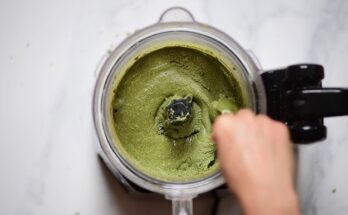
In a separate bowl, whisk together vegan mayonnaise, apple cider vinegar, a touch of maple syrup or sugar, Dijon mustard, salt, and black pepper. Mix until smooth and creamy. Adjust sweetness and acidity to taste.
Step 3 – Mixing Everything Together
Pour the dressing over the prepared vegetables. Using tongs or a spatula, gently toss until all the vegetables are evenly coated without crushing them.
Step 4 – Letting It Rest for Maximum Flavor
Cover the coleslaw and refrigerate for at least 30 minutes. This resting time allows the flavors to blend and the cabbage to soften slightly while staying crisp.
Step 5 – Final Taste Test and Adjustments
Before serving, give the coleslaw a final stir. Taste and adjust seasoning with more salt, vinegar, or sweetness if needed. Serve chilled as a refreshing side dish.
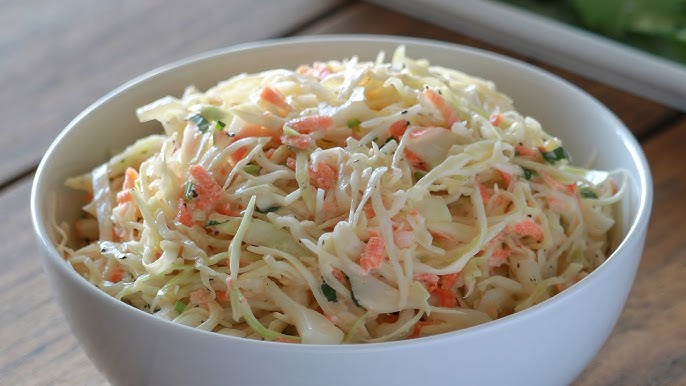
This vegan coleslaw is creamy, crunchy, and perfect for sandwiches, BBQs, or quick weeknight meals.
Pro Tips for the Best Vegan Coleslaw
Want your coleslaw to taste restaurant-quality? Here are professional tips that make all the difference:
- Salt the cabbage lightly before mixing. Let it sit for 10 minutes, then pat dry. This removes excess moisture and prevents watery coleslaw.
- Slice cabbage thinly and evenly. Texture matters more than you think.
- Don’t overdress. Start with less dressing—you can always add more.
- Balance sweet and tangy carefully. Taste as you go.
- Use fresh lemon juice, not bottled. The flavor difference is noticeable.
Another secret? Add a tiny splash of pickle juice for a subtle zing. It sounds unusual, but it works.
Professional cooks know that coleslaw isn’t just about mixing—it’s about balance. Sweet, tangy, creamy, crunchy. When those four elements work together, the dish shines.
Common Mistakes to Avoid
Even simple recipes can go wrong. Let’s avoid that.
Mistake #1: Cutting cabbage too thick.
Thick slices don’t soften properly and make the salad harder to eat.
Mistake #2: Skipping the resting time.
Freshly mixed coleslaw tastes sharp and disconnected. Resting blends flavors.
Mistake #3: Using too much dressing.
Coleslaw should be coated, not drowning.
Mistake #4: Forgetting seasoning.
Cabbage is mild. It needs salt and acidity to shine.
Mistake #5: Making it too far in advance.
While it keeps well, it’s best within 24 hours for maximum crunch.
Avoid these pitfalls, and you’ll consistently make excellent vegan coleslaw.
Nutritional Benefits of Vegan Coleslaw
This isn’t just a tasty side dish—it’s surprisingly nutritious.
Cabbage is rich in:
- Vitamin C
- Vitamin K
- Fiber
- Antioxidants
Carrots provide:
- Beta-carotene
- Vitamin A
- Natural sweetness without refined sugar
Using vegan mayonnaise eliminates cholesterol from the recipe. Plus, the fiber content supports digestion and gut health.
Here’s a quick overview:
| Nutrient | Benefit |
|---|---|
| Fiber | Supports digestion |
| Vitamin C | Boosts immunity |
| Vitamin K | Supports bone health |
| Antioxidants | Reduce inflammation |
It’s comfort food with benefits. That’s a win-win.
Serving Suggestions
Vegan coleslaw is incredibly versatile.
Serve it alongside:
- Veggie burgers
- BBQ jackfruit sandwiches
- Grilled tofu
- Baked potatoes
- Tacos
You can even use it inside wraps or sandwiches for extra crunch. Imagine a crispy chickpea wrap with creamy coleslaw inside—it adds texture and brightness instantly.
It’s not just a side dish. It’s a flavor booster.
How to Store Vegan Coleslaw
Store leftover coleslaw in an airtight container in the refrigerator.
It stays fresh for about 3–4 days. However, it’s best within the first 24–48 hours for optimal texture.
If liquid accumulates at the bottom, simply stir before serving.
Avoid freezing. Cabbage doesn’t freeze well once dressed—it becomes watery and limp when thawed.
Make-Ahead and Meal Prep Tips
Planning a party? You can prep smartly.
- Shred vegetables up to 2 days ahead and store separately.
- Make dressing 2–3 days in advance.
- Mix everything a few hours before serving.
This keeps the texture fresh while saving time.
For meal prep, divide into small containers for easy grab-and-go sides during the week.
Variations of Vegan Coleslaw Around the World
Coleslaw isn’t limited to one style.
- Asian-inspired version: Add sesame oil, rice vinegar, and shredded purple cabbage.
- Spicy version: Mix in sriracha or chopped jalapeños.
- Apple coleslaw: Add thinly sliced green apples for sweetness.
- Cream-free version: Use olive oil and vinegar instead of vegan mayo.
Each version tells a slightly different flavor story while keeping the same crunchy foundation.
FAQs about Vegan Coleslaw Recipe
1. Can I make vegan coleslaw without mayonnaise?
Yes. You can prepare a light vinaigrette using olive oil, vinegar, mustard, and a small amount of sweetener. This creates a fresh, tangy alternative to creamy dressing.
2. How do I prevent watery coleslaw?
Lightly salt the shredded cabbage and let it rest for a few minutes, then drain off excess liquid before adding the dressing. This helps remove excess moisture.
3. Is vegan coleslaw healthier than traditional coleslaw?
It can be healthier, as it contains no cholesterol and often less saturated fat, depending on the ingredients used.
4. Can I use pre-shredded cabbage mix?
Absolutely. Pre-shredded cabbage or coleslaw mix is a convenient option and works perfectly for this recipe.
5. How long should coleslaw sit before serving?
Let it rest for at least 30 minutes. For the best flavor and texture, allowing it to sit for 1–2 hours is ideal.
These tips ensure your vegan coleslaw stays crisp, flavorful, and perfectly balanced every time.
Conclusion
Vegan coleslaw proves that simple ingredients can create something truly special. Crisp cabbage, vibrant carrots, and a perfectly balanced creamy dressing come together in a dish that’s refreshing, flavorful, and incredibly versatile.
It’s easy enough for weeknight dinners, impressive enough for gatherings, and adaptable enough to match any cuisine. Once you master the balance of sweet, tangy, creamy, and crunchy, you’ll never look at coleslaw the same way again.
This step-by-step guide ensures your vegan coleslaw turns out perfect every time—professional, delicious, and completely plant-based.