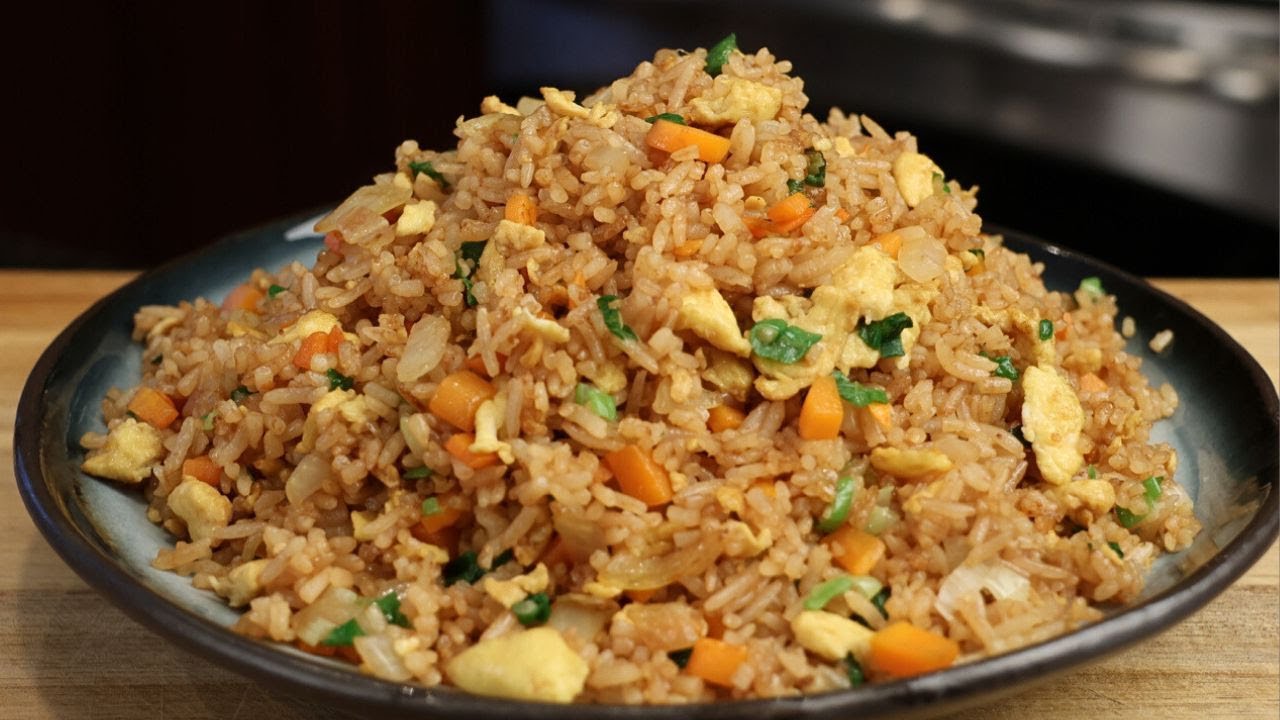
Veg Fried Rice Recipe: There’s something magical about a bowl of perfectly cooked veg fried rice. It’s simple, colorful, aromatic, and incredibly satisfying. Whether you’re craving something quick for dinner or looking to transform leftover rice into a mouthwatering meal, vegetable fried rice never disappoints. It’s one of those dishes that feels both comforting and exciting at the same time—like a warm hug with a burst of flavor.
Veg fried rice has become a household favorite across the globe. From street food stalls in Asia to fine dining restaurants in Western countries, this dish has found its place everywhere. Why? Because it’s versatile. You can keep it basic or elevate it with bold sauces and exotic vegetables. You can make it spicy, mild, tangy, or savory. The choice is entirely yours.
But here’s the thing—great fried rice isn’t just about tossing rice and vegetables together. It’s about technique. It’s about heat control. It’s about timing. And most importantly, it’s about balance. Too much sauce can make it soggy. Overcooked vegetables can ruin the texture. Using freshly cooked rice can turn your dish into a sticky mess.
In this comprehensive step-by-step guide, you’ll learn how to make restaurant-style veg fried rice at home with ease. We’ll cover everything—from choosing the right rice to mastering the perfect stir-fry technique. By the end, you won’t just know the recipe—you’ll understand the art behind it.
Ready to transform simple ingredients into something extraordinary? Let’s dive in.
The Origin and Global Popularity of Fried Rice
Fried rice may seem like a simple dish, but its history runs deep. It originated in China during the Sui Dynasty (589–618 AD). The concept was straightforward—don’t waste leftover rice. Instead of throwing it away, people stir-fried it with vegetables, eggs, and small pieces of meat. What started as a practical solution soon became a culinary tradition.
Over time, fried rice traveled beyond China’s borders. Different countries embraced it and gave it their own twist. In Thailand, it became fragrant with basil and fish sauce. In Indonesia, it evolved into the iconic Nasi Goreng. In India, it merged with bold spices and became Indo-Chinese fried rice—a spicy, flavorful favorite at street stalls and restaurants.
What makes fried rice universally loved? Simplicity. It uses basic pantry ingredients. It cooks quickly. And it’s adaptable. You can make it vegetarian, vegan, or protein-rich. You can add tofu, paneer, mushrooms, or keep it purely vegetable-based.
In today’s fast-paced world, veg fried rice has become more relevant than ever. It fits perfectly into busy schedules. It’s ideal for meal prep. It’s budget-friendly. And it satisfies cravings without demanding hours in the kitchen.
From humble beginnings to global fame, fried rice proves one powerful lesson—sometimes, the simplest dishes become the most timeless classics.
Why You’ll Love This Veg Fried Rice Recipe
Let’s be honest—who doesn’t love a recipe that’s quick, flexible, and absolutely delicious? This veg fried rice recipe ticks all the boxes.
First, it’s incredibly easy to make. Even if you’re new to cooking, you can nail this recipe with the right guidance. There’s no complicated technique involved—just proper timing and good heat control. Once you try it once, it becomes second nature.
Second, it’s perfect for leftovers. Got rice sitting in the fridge from yesterday? Great. That’s actually ideal. Veg fried rice thrives on day-old rice because it’s dry and firm, making it easier to stir-fry without turning mushy.
Third, it’s customizable. Don’t have carrots? Use beans. No cabbage? Add bell peppers. Want it spicy? Toss in green chilies or chili sauce. Cooking should be flexible, not stressful.
Another reason to love this recipe is that it’s family-friendly. Kids love it. Adults love it. It works as a lunchbox meal, quick dinner, or party side dish. And unlike many takeout options, homemade veg fried rice lets you control the oil, salt, and quality of ingredients.
Think of it as a blank canvas. With just rice, vegetables, and a few sauces, you can create something vibrant and satisfying. It’s comfort food—but lighter, fresher, and better when made at home.
Ingredients You’ll Need
Before we jump into the cooking process, let’s talk ingredients. The beauty of veg fried rice lies in its simplicity. You don’t need fancy or hard-to-find items. Most of these ingredients are probably already in your kitchen.
Main Ingredients Overview
Here’s what you’ll need for a classic veg fried rice recipe:
- 3 cups cooked and cooled basmati rice (preferably day-old)
- 1 cup finely chopped carrots
- 1 cup finely chopped beans
- 1 cup shredded cabbage
- ½ cup chopped bell peppers
- ¼ cup green onions (spring onions)
- 1 tablespoon finely chopped garlic
- 1 tablespoon finely chopped ginger
- 2–3 tablespoons soy sauce
- 1 tablespoon vinegar
- ½ teaspoon black pepper powder
- Salt to taste
- 2 tablespoons oil (preferably sesame or vegetable oil)
Fresh Vegetables
Fresh vegetables are the heart of veg fried rice. The crunchier, the better. Carrots, beans, cabbage, and bell peppers add both texture and color. You can also add sweet corn, peas, mushrooms, or broccoli for extra variety.
The key is to chop them finely and evenly. Why? Because fried rice cooks quickly at high heat. Large chunks won’t cook properly, while smaller pieces blend perfectly with the rice.
Aromatics and Seasonings
Garlic and ginger are essential. They build the base flavor. When sautéed in hot oil, they release a rich aroma that sets the tone for the entire dish.
Soy sauce adds saltiness and umami. Vinegar brings mild acidity, balancing the flavors. Black pepper adds subtle heat.
Simple ingredients, big flavor—that’s the secret.
Choosing the Right Rice
If there’s one thing that can make or break your veg fried rice, it’s the rice itself. You could use the freshest vegetables and the best sauces, but if the rice is sticky or overcooked, the entire dish falls apart. So let’s get this right from the start.
First, always choose long-grain rice. Basmati rice works beautifully because the grains stay separate after cooking. Jasmine rice is another great option if you prefer a slightly softer texture with a mild fragrance. Avoid short-grain rice unless you want a sticky, clumpy result—which we definitely don’t for classic veg fried rice.
Now here’s the golden rule: day-old rice is best. Why? Because freshly cooked rice contains moisture. When you stir-fry it, that moisture turns into steam, making your fried rice soggy. Day-old rice, stored in the refrigerator, dries out slightly. The grains firm up, making them perfect for high-heat stir-frying.
No leftover rice? No problem. Cook fresh rice and spread it on a large plate or tray. Let it cool completely. You can even refrigerate it for 30–60 minutes to remove excess moisture. Fluff the rice gently with a fork before using it to separate the grains.
Think of rice as the foundation of a building. If the base is weak, nothing stands strong. Get the rice right, and you’re already halfway to restaurant-style perfection.
Essential Kitchen Tools for Perfect Fried Rice
You don’t need a professional kitchen to make incredible veg fried rice, but using the right tools can elevate your cooking game instantly.
The first tool you need is a wok—or at least a wide, heavy-bottomed pan. A wok is ideal because it distributes heat evenly and allows you to cook at high temperatures without overcrowding the ingredients. The curved shape also makes tossing and stirring easier. If you don’t have a wok, don’t worry. A large skillet will work just fine.
Next, grab a sturdy spatula. Wooden or silicone spatulas are great for mixing without breaking the rice grains. Avoid thin plastic spatulas that might melt under high heat.
Heat control is another crucial factor. Fried rice tastes best when cooked quickly on high heat. This gives the vegetables a slight char and prevents them from becoming mushy. Keep everything ready before you turn on the stove because once the cooking starts, it moves fast.
Here’s a quick checklist:
| Tool | Why It’s Important |
|---|---|
| Wok or Wide Pan | Even heat distribution |
| Spatula | Gentle mixing |
| Sharp Knife | Finely chopped vegetables |
| Large Bowl | Organizing prepped ingredients |
Cooking fried rice is like conducting an orchestra—everything must be prepared and ready to perform at the right moment.
Step-by-Step Guide to Making Veg Fried Rice
Ready to cook? Let’s break this down into simple, clear steps so you can follow along effortlessly.
Step 1: Preparing the Ingredients
Preparation is everything. Finely chop all vegetables into small, even pieces. Mince the garlic and ginger. Measure your sauces. Keep the cooked rice ready and fluffed.
Why so much prep before cooking? Because once the pan gets hot, things move quickly. There’s no time to start chopping midway.
Step 2: Heating the Pan
Place your wok or pan on high heat. Add oil and let it heat until slightly shimmering. Don’t let it smoke excessively, but make sure it’s hot enough to sauté quickly.
High heat ensures vegetables remain crisp and colorful instead of soft and dull.
Step 3: Sautéing Aromatics
Add chopped garlic and ginger first. Stir-fry for about 20–30 seconds until fragrant. Be careful not to burn them. Burnt garlic can make the entire dish bitter.
This step builds the flavor base of your veg fried rice.
Step 4: Stir-Frying the Vegetables
Add carrots and beans first since they take slightly longer to cook. Stir-fry for 1–2 minutes. Then add cabbage, bell peppers, and any quick-cooking vegetables.
Keep stirring continuously. The vegetables should remain slightly crunchy. Overcooking removes the vibrant texture that makes fried rice exciting.
Step 5: Adding Seasonings and Sauces
Now add soy sauce, vinegar, salt, and black pepper. Mix well so the vegetables absorb the flavors evenly.
Remember—less is more. You can always add more sauce later, but you can’t remove excess.
Step 6: Mixing in the Rice
Add the cooked rice gradually. Gently break apart any clumps using the spatula. Toss everything together carefully so the rice gets coated evenly without breaking the grains.
Keep stirring on high heat for 2–3 minutes. This gives the rice that slightly smoky, restaurant-style flavor.
Step 7: Final Touch and Garnish
Add chopped spring onions and give it one final toss. Turn off the heat immediately to prevent overcooking.
Your veg fried rice is ready—colorful, aromatic, and perfectly balanced.
Pro Tips for Restaurant-Style Veg Fried Rice
Ever wondered why restaurant fried rice tastes slightly better? It’s not magic—it’s technique.
First tip: use high heat. Professional kitchens cook on extremely high flames. While home stoves aren’t as powerful, cooking on the highest safe heat setting helps replicate that flavor.
Second tip: avoid overcrowding. If you’re making a large batch, cook in portions. Overcrowding lowers the pan temperature and leads to soggy rice.
Third tip: balance flavors. Soy sauce brings saltiness. Vinegar adds tang. Black pepper adds warmth. Adjust carefully. Taste as you go.
Fourth tip: don’t over-stir. Stir just enough to mix. Excess stirring can break the rice grains and turn the dish mushy.
Finally, keep vegetables slightly crunchy. That contrast between soft rice and crisp vegetables creates the perfect bite.
Think of it like music—balance, rhythm, and timing create harmony.
Common Mistakes to Avoid
Even a simple dish like veg fried rice has pitfalls. Let’s avoid them.
One common mistake is using freshly cooked rice. As mentioned earlier, this leads to sticky fried rice. Always cool the rice first.
Another mistake is adding too much sauce. It might seem tempting, but excess soy sauce can overpower the natural vegetable flavors and make the rice too dark.
Overcooking vegetables is another issue. Fried rice should have texture. Mushy vegetables ruin the experience.
Lastly, cooking on low heat. Fried rice is meant to be quick and hot. Slow cooking releases moisture, making everything soggy.
Avoid these mistakes, and your veg fried rice will taste consistently amazing.
Variations of Veg Fried Rice
One of the best things about veg fried rice is its versatility. You can customize it based on your cravings.
Indo-Chinese Style
Add green chilies and a splash of chili sauce for a spicy kick. This version is bold and flavorful.
Schezwan Veg Fried Rice
Mix in Schezwan sauce for a fiery, garlicky twist. Perfect for spice lovers.
Thai-Style Veg Fried Rice
Use jasmine rice, add basil leaves, and a squeeze of lime for freshness.
Brown Rice Version
Swap white rice with brown rice for a healthier, fiber-rich alternative.
No matter which variation you choose, the base technique remains the same.
Nutritional Value of Veg Fried Rice
Veg fried rice isn’t just delicious—it can also be nutritious when prepared thoughtfully.
Here’s an approximate nutritional breakdown per serving:
| Nutrient | Approximate Value |
|---|---|
| Calories | 250–300 kcal |
| Carbohydrates | 45–50 g |
| Protein | 5–7 g |
| Fat | 7–10 g |
| Fiber | 3–5 g |
Vegetables provide vitamins, minerals, and antioxidants. Carrots offer vitamin A. Bell peppers add vitamin C. Cabbage contributes fiber.
Want to make it healthier? Use less oil, reduce sodium by choosing low-sodium soy sauce, and increase the vegetable ratio.
Healthy doesn’t have to mean boring. With the right balance, veg fried rice can be both nourishing and satisfying.
Serving Suggestions
Veg fried rice is delicious on its own, but pairing it correctly can elevate the meal.
Serve it with:
- Manchurian gravy
- Chili paneer
- Hot and sour soup
- Sweet chili sauce
- Clear vegetable soup
You can also enjoy it as a standalone dish for a light dinner. Add a side salad for extra freshness.
Presentation matters too. Serve it hot, garnished with spring onions and a sprinkle of black pepper.
Storage and Reheating Tips
Have leftovers? Lucky you.
Store veg fried rice in an airtight container in the refrigerator for up to 2 days. Make sure it cools completely before storing.
To reheat, use a pan instead of a microwave if possible. Add a teaspoon of oil and stir-fry on medium heat for a few minutes. This restores texture and flavor.
You can freeze fried rice, but fresh is always better.
Why Homemade Veg Fried Rice is Better Than Takeout
Takeout is convenient—but homemade is superior.
When you cook at home:
- You control oil and salt.
- You use fresh ingredients.
- You save money.
- You avoid artificial additives.
Plus, nothing beats the satisfaction of creating a flavorful dish from scratch.
Homemade veg fried rice isn’t just food—it’s an experience.
FAQs about Veg Fried Rice Recipe
1. Can I use freshly cooked rice for veg fried rice?
Yes, you can. Just ensure the rice is completely cooled and slightly dried before cooking. Spread it on a tray or refrigerate briefly to remove excess moisture and prevent stickiness.
2. Which oil is best for fried rice?
Sesame oil adds a rich, nutty flavor, while vegetable or sunflower oil is ideal for high-heat stir-frying due to their neutral taste and higher smoke point.
3. How do I prevent fried rice from becoming soggy?
Use day-old rice whenever possible, cook on high heat, and avoid adding too much sauce or liquid. Stir-fry quickly to keep the grains separate.
4. Can I make veg fried rice without soy sauce?
Yes. You can replace soy sauce with tamari or simply season with salt and pepper for a lighter, cleaner flavor profile.
5. Is veg fried rice healthy?
It can be healthy when prepared with minimal oil, plenty of fresh vegetables, and controlled seasoning. Using whole grains and adding protein can make it even more nutritious.
These tips will help you make perfectly textured and flavorful veg fried rice every time.
Conclusion
Veg fried rice is more than a quick meal. It’s a versatile, comforting, and globally loved dish that transforms simple ingredients into something extraordinary. With the right rice, fresh vegetables, balanced seasoning, and high-heat cooking, you can easily recreate restaurant-style fried rice at home.
Whether you prefer it mild, spicy, or packed with extra veggies, this step-by-step guide ensures perfect results every time. Once you master the technique, you’ll never look at leftover rice the same way again.
Cooking is about creativity, confidence, and joy—and veg fried rice brings all three to your kitchen.