Veal Piccata Recipe: If you’ve ever tasted veal piccata at a classic Italian restaurant and thought, “There’s no way I could make that at home,” you’re in for a pleasant surprise.
This tangy, buttery, and elegant dish is far simpler to make than it looks. Whether you’re aiming to impress guests or just treat yourself to something special, this Veal Piccata recipe will become your go-to.
In this detailed guide, you’ll get everything from the ingredients list to pro tips that make the difference between good and great.
What is Veal Piccata?
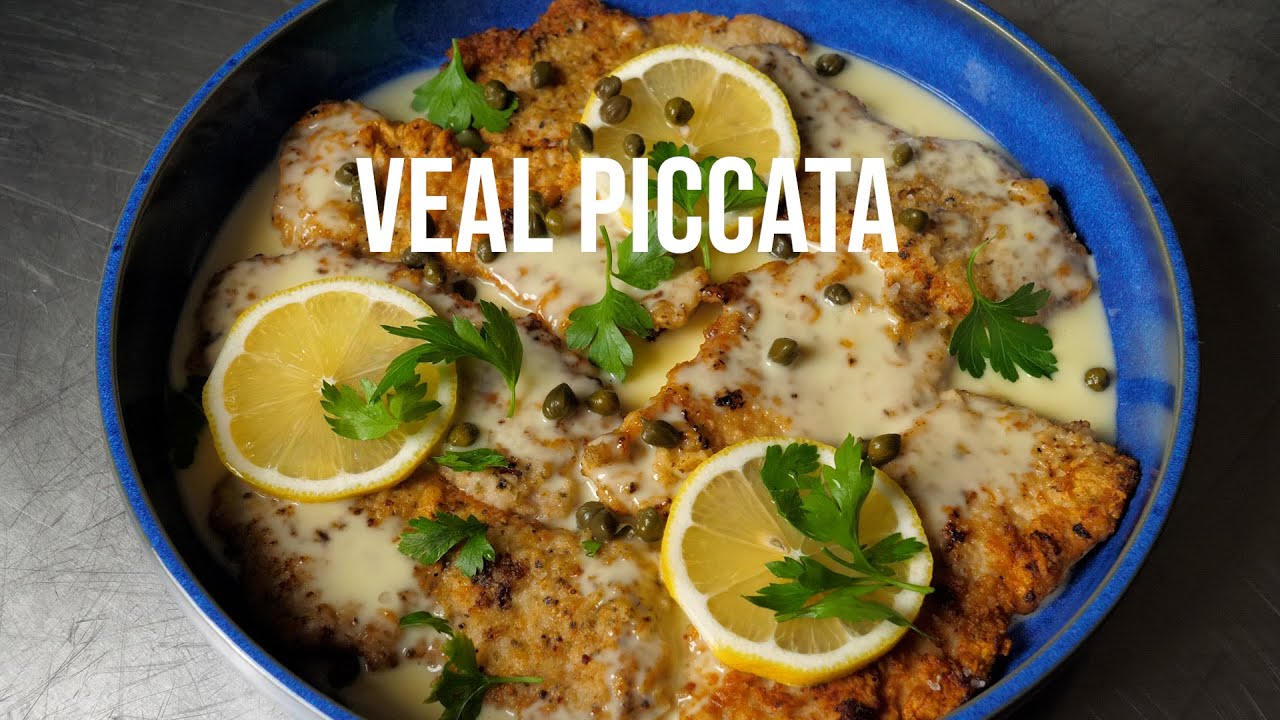
Veal Piccata is a traditional Italian-American dish made with thin slices of veal that are lightly floured, sautéed until golden brown, and then finished in a lemon-butter sauce with capers. The result? A light yet flavorful entrée with a perfect balance of tanginess, richness, and freshness.
Piccata actually refers to the style of preparation—sautéed meat with a sauce made of lemon, butter, and capers. While chicken piccata is more common due to availability and cost, veal piccata is often considered more refined and luxurious. Its soft, tender texture allows the bright, briny sauce to shine without overpowering the meat.
Why You’ll Love This Recipe
- Quick & Elegant: It looks fancy but cooks in under 30 minutes.
- Bold Flavors: Tangy lemon, salty capers, creamy butter—what’s not to love?
- Restaurant-Quality at Home: You’ll be surprised how easy it is to replicate a fine dining experience in your own kitchen.
- Versatile: You can serve this dish with pasta, potatoes, or fresh vegetables.
If you’re cooking for a special occasion or simply want to treat yourself to a gourmet meal, veal piccata delivers flavor, elegance, and ease—every time.
Essential Ingredients for Veal Piccata
Before we get into the step-by-step, let’s talk ingredients. Each item in this dish plays a vital role, so try to use the freshest quality you can find.
Veal Cutlets
These are thin slices of veal, usually from the leg. Look for pieces that are around ¼ inch thick. If they’re thicker, you can pound them gently to tenderize and flatten them.
Lemon Juice
Fresh lemon juice is a must. It brings brightness and tang to the sauce, balancing the richness of butter and meat.
Capers
Capers add a punch of briny, salty flavor that defines piccata sauce. Drain and rinse them to reduce excess saltiness.
Chicken Broth or White Wine
Either of these liquids helps deglaze the pan and build the base of the sauce. White wine adds more depth; broth keeps it alcohol-free.
Flour for Dredging
A light flour coating gives the veal a golden crust and helps thicken the sauce slightly when added back in.
Butter & Olive Oil
A combo of both gives flavor and a balanced cooking fat. Butter adds richness; olive oil helps raise the smoke point so nothing burns.
Fresh Parsley
For garnish and freshness, parsley is a small but mighty addition that rounds out the dish beautifully.
Choosing the Right Veal for Piccata
Not all veal is created equal. When shopping, aim for milk-fed veal if available—it’s more tender and milder in flavor. Look for:
- Uniform, pale pink color
- No excessive marbling or fat
- Evenly sliced thin cutlets (scaloppine)
Ask your butcher to slice it thin for you if needed. Avoid thick, tough cuts unless you’re planning to pound them out yourself.
Kitchen Tools You’ll Need
To make the process smooth and efficient, have these tools ready:
- Sharp chef’s knife
- Meat mallet or rolling pin (to tenderize)
- Shallow dish for dredging
- Large skillet (preferably stainless steel or cast iron)
- Tongs or spatula
- Citrus juicer (optional, but helpful)
- Measuring spoons and cups
- Serving platter
Prep Work Before You Start Cooking
A little prep goes a long way. Here’s how to get everything ready:
- Pat veal dry with paper towels.
- Season both sides with salt and pepper.
- Dredge each piece lightly in flour and shake off the excess.
- Juice your lemons and measure out capers and broth/wine.
- Chop parsley ahead of time.
Prepping these elements will make the cooking process seamless and stress-free.
Step-by-Step Cooking Instructions
Step 1: Tenderize and Season the Veal
Lay your veal cutlets between two sheets of plastic wrap and gently pound them with a meat mallet until they’re about ¼ inch thick. This not only ensures even cooking but makes the meat extra tender.
Once flattened, season both sides generously with salt and pepper. Let the seasoned veal sit at room temperature while you prep your pan.
Step 2: Dredge the Veal in Flour
Place flour in a shallow dish and dredge each cutlet, coating it lightly on both sides. Shake off the excess flour—this is key. You’re not trying to bread it like fried chicken. You just want a light coating that crisps up when seared.
This step also helps the sauce stick better later on.
Step 3: Sear the Veal in a Hot Pan
In a large skillet, heat 2 tablespoons of butter and 1 tablespoon of olive oil over medium-high heat. Once the butter starts to foam and sizzle, add the veal cutlets. Don’t overcrowd the pan; cook in batches if needed.
Sear for 2–3 minutes per side, just until golden brown. You’re not fully cooking the veal here—just getting that crust. Transfer the seared cutlets to a plate and cover loosely with foil.
Step 4: Make the Lemon-Caper Sauce
Lower the heat to medium and add another tablespoon of butter if the pan is dry. Add the lemon juice, capers, and chicken broth or wine to deglaze the pan. Scrape up all the browned bits—this is flavor gold.
Let the sauce simmer for 3–5 minutes until it reduces slightly and thickens. Taste it! If it’s too tangy, add a touch more butter to mellow it out.
Step 5: Combine Everything Together
Return the veal cutlets to the pan and let them simmer in the sauce for 2–3 minutes. Spoon the sauce over them so they absorb all that bright, zesty flavor. Don’t overcook the veal—just warm it through.
Step 6: Garnish and Serve
Plate the veal and pour the sauce over it generously. Sprinkle chopped parsley over the top for color and freshness. Add lemon slices for a professional touch.
Serve immediately—this dish is best enjoyed hot and fresh.
Pro Tips for the Perfect Veal Piccata
Even though veal piccata is a relatively simple dish, a few small tweaks and tips can take your version from average to unforgettable.
- Use fresh lemon juice, not bottled. The bottled kind often has preservatives that give it a bitter aftertaste, and it just won’t deliver that bright, clean flavor.
- Don’t overcook the veal. This is crucial. Veal is a very tender meat and can dry out quickly if left in the pan too long. A couple of minutes per side when searing is all it takes.
- Let the meat rest. After searing, rest your veal on a plate covered with foil while you prepare the sauce. This keeps it juicy.
- Balance the lemon. If you find your sauce too sharp, add a small splash of cream or a tiny bit of sugar to mellow the acidity.
- Deglaze properly. Those browned bits stuck to the pan are called fond. Scraping them into the sauce adds deep flavor. Don’t skip this step!
Mastering these tips means your veal piccata will have the restaurant-level flavor and presentation, every single time.
How to Serve Veal Piccata
Wondering what to serve with your veal piccata? Since the dish is rich and zesty, pairing it with the right sides is important to balance everything out.
Best Side Dishes
Here are some of the top choices:
- Buttery mashed potatoes – Creamy and mild, they soak up the sauce like a dream.
- Angel hair pasta or linguine – Toss with olive oil or a little extra lemon-butter sauce.
- Steamed vegetables – Asparagus, green beans, or broccoli work wonderfully.
- Risotto – A light lemon risotto or a classic Parmesan risotto is an elegant choice.
You want sides that complement the tanginess of the piccata sauce without overpowering it.
Wine Pairings
A great wine pairing can elevate your veal piccata to the next level:
- Chardonnay – Its buttery texture pairs well with the lemon-butter sauce.
- Pinot Grigio – Crisp and light, it balances the brightness of the lemon.
- Sauvignon Blanc – With citrus notes that mirror the dish’s flavors, it’s a natural match.
Avoid heavy reds, which might clash with the delicate flavors of veal and lemon.
How to Store and Reheat Leftovers
If you have leftovers (lucky you!), here’s how to store and reheat your veal piccata without drying it out.
Storing:
- Let the veal cool to room temperature.
- Store in an airtight container in the refrigerator for up to 3 days.
- Keep the veal and sauce together to retain moisture.
Reheating:
- Reheat gently in a skillet over low heat with a splash of chicken broth or water to loosen the sauce.
- Avoid microwaving—it can make the veal rubbery.
- Don’t overheat; just warm it through.
This dish doesn’t freeze well, as the lemon sauce can break and become watery when thawed.
Common Mistakes to Avoid
Even with a simple recipe like veal piccata, there are some pitfalls that can trip you up. Here’s what to avoid:
- Using thick veal cutlets – Thicker cuts won’t cook quickly and can become tough. Always go thin!
- Skipping the flour dredge – The flour is essential for browning and creating that slight crust that absorbs the sauce.
- Not reducing the sauce – If you don’t simmer the sauce long enough, it’ll be watery and too sharp.
- Crowding the pan – When searing veal, give each piece space. Overcrowding cools the pan and causes steaming instead of browning.
- Over-salting – Capers and broth already bring saltiness. Taste before adding more salt to the sauce.
Avoiding these mistakes ensures your dish turns out picture-perfect every time.
Nutritional Breakdown (Approximate)
While veal piccata isn’t a heavy dish, it does have a rich sauce. Here’s a general idea of what you’re consuming per serving (based on a portion of veal and sauce):
| Nutrient | Amount |
|---|---|
| Calories | 350–450 kcal |
| Protein | 28–32g |
| Carbohydrates | 8–12g |
| Fats | 20–25g |
| Saturated Fat | 10–12g |
| Sodium | 700–900mg |
These values will vary depending on your portion size, the amount of sauce, and any added sides.
Gluten-Free or Dairy-Free Alternatives
Want to make veal piccata fit your dietary needs? Here are a few swaps:
For Gluten-Free:
- Use gluten-free flour (like rice flour or a GF all-purpose blend) for dredging the veal.
- Make sure your broth and capers are certified gluten-free.
For Dairy-Free:
- Substitute vegan butter or olive oil in place of regular butter.
- Add a small amount of unsweetened almond or oat milk if you want to mellow out the lemony sharpness.
- Keep in mind, the sauce will be slightly less rich without dairy, but still delicious!
These alternatives ensure everyone at your table can enjoy the dish without sacrificing flavor.
FAQs about Veal Piccata Recipe
1. What is the best substitute for veal?
If veal isn’t available or you’re avoiding it, thinly sliced chicken breast is the most common substitute. Pork tenderloin slices can also work in a pinch.
2. Can I make veal piccata ahead of time?
Yes! You can sear the veal and make the sauce ahead. Just store them separately and reheat gently before serving. Add a splash of broth when reheating to keep it moist.
3. Is veal piccata the same as chicken piccata?
They’re made almost the same way, but the flavor and texture of veal are more delicate and tender compared to chicken. Veal also gives the dish a more luxurious feel.
4. Can I freeze veal piccata?
Freezing is not recommended as the lemon sauce can separate and become watery when reheated. Fresh is best for this one!
5. What type of wine pairs well with this dish?
A light white wine like Chardonnay, Pinot Grigio, or Sauvignon Blanc is ideal. Their crisp acidity complements the lemony sauce beautifully.
Conclusion
Veal piccata isn’t just a recipe—it’s an experience. The way the delicate veal melts in your mouth, balanced by the tangy lemon and the briny punch of capers, is pure comfort wrapped in elegance. Whether you’re serving it on a quiet night in or making a statement at a dinner party, this dish never fails to impress.
The best part? You don’t need to be a professional chef to pull it off. With fresh ingredients, a little patience, and the steps outlined above, you’re just minutes away from restaurant-quality veal piccata right in your own kitchen.