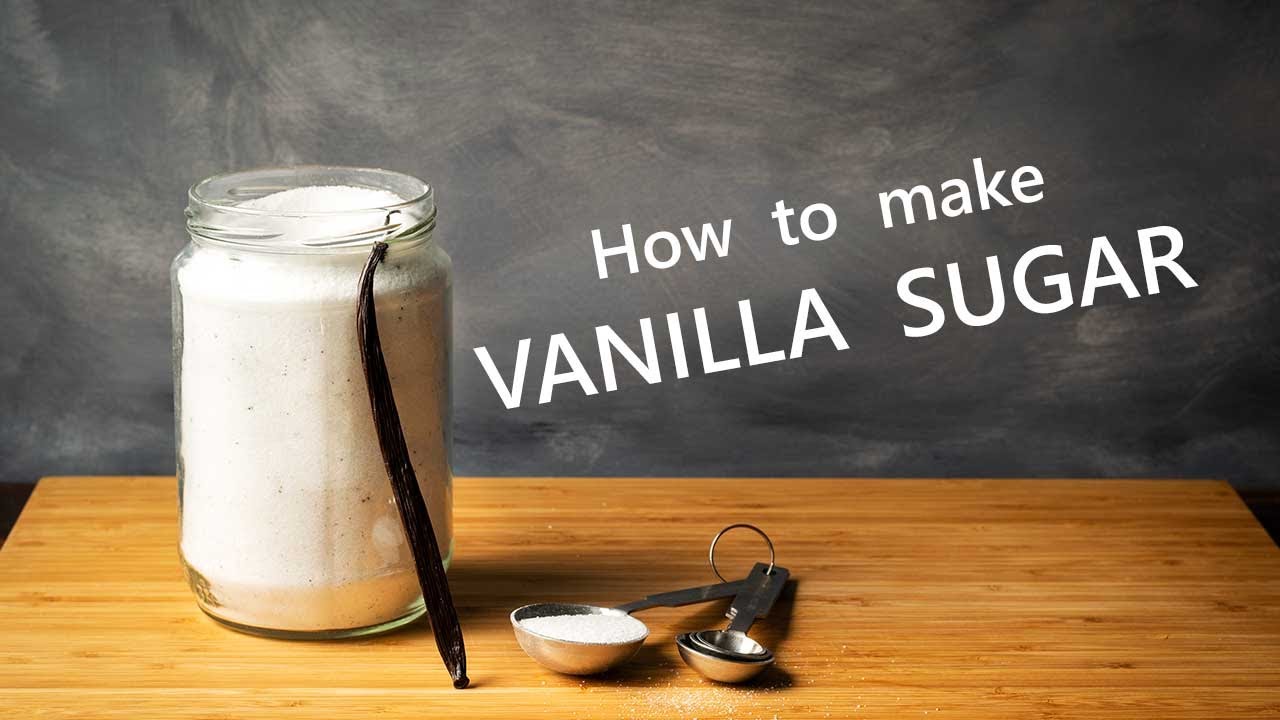
Vanilla Sugar Recipe: Vanilla sugar is one of those simple but magical ingredients that can instantly elevate your baking and cooking. Imagine sprinkling sugar into your coffee, tea, or baked goods, but with a delicate, fragrant touch of pure vanilla. That’s exactly what vanilla sugar does—it turns ordinary sweetness into something aromatic and indulgent.
So, what exactly is vanilla sugar? In its simplest form, it’s just granulated sugar infused with the rich, natural flavor of vanilla beans. You can think of it as the European cousin of vanilla extract. In fact, in countries like Germany and Austria, vanilla sugar is a staple found in nearly every kitchen and used in countless recipes.
Why is it so essential? The beauty of vanilla sugar lies in its versatility. It can be used in cakes, cookies, custards, hot beverages, cocktails, and even sprinkled over fruit or oatmeal. Instead of just adding sugar, you’re layering flavor in the most subtle yet effective way possible.
If you’ve only ever used vanilla extract, making your own vanilla sugar opens up a whole new world of possibilities. Not only is it simple to prepare, but it also has a much longer shelf life compared to liquid extracts. Plus, it makes a fantastic homemade gift for friends and family who love cooking and baking.
Now, let’s dive into the exact ingredients and steps you’ll need to make this pantry essential at home.
Ingredients You’ll Need
Making vanilla sugar doesn’t require a trip to a specialty store. You only need two main ingredients, though the quality of those ingredients makes a world of difference.
Granulated Sugar
- Standard white granulated sugar works best because it easily absorbs and carries the vanilla flavor. However, you can also experiment with other sugars like raw sugar, superfine sugar, or even brown sugar if you want a deeper, more caramel-like taste.
- Keep in mind that the type of sugar you use will influence not just the flavor but also the texture of your final product. For example, superfine sugar dissolves faster, making it perfect for beverages.
Vanilla Beans
- The star of the recipe. Look for high-quality vanilla beans that are plump, flexible, and aromatic. Avoid beans that are dry, brittle, or shriveled, as they’ll have little flavor left to offer.
- Popular choices include Madagascar Bourbon vanilla beans, Tahitian vanilla beans (which are fruitier and floral), and Mexican vanilla beans (which tend to have a deeper, spicier flavor).
- You’ll typically need 1–2 vanilla beans per cup of sugar for a strong, noticeable flavor.
Optional: You can also make a quicker version using vanilla extract, though the depth of flavor won’t be quite the same. We’ll cover that later in the guide.
Pro Tip: Always use fresh, high-quality vanilla beans. The investment is worth it, because once you taste the difference, you’ll never go back to store-bought flavorings.
Equipment Needed for Making Vanilla Sugar
The good news is that you don’t need fancy kitchen gadgets to make vanilla sugar. Most of what you’ll need is probably already in your kitchen.
- Airtight Glass Jar or Container
This is the most important item. You’ll need a container with a tight seal to keep the sugar fresh and allow the vanilla to infuse properly. Mason jars or flip-top jars with rubber seals work perfectly. - Sharp Knife
A paring knife or small chef’s knife is essential for splitting the vanilla beans open. - Cutting Board
To safely cut and scrape the beans without damaging your countertops. - Spoon or Spatula
To mix the sugar and vanilla evenly.
Optional but Helpful Tools:
- Food Processor or Blender – If you want to make instant vanilla sugar by grinding sugar and beans together.
- Sifter or Fine Mesh Strainer – Useful if you prefer smooth sugar without visible vanilla specks.
The beauty of this recipe is its simplicity. With just a jar, a knife, and some sugar, you’re ready to create something gourmet right in your own kitchen.
Step-by-Step Guide to Making Vanilla Sugar
Step 1: Preparing Your Vanilla Beans
Place your vanilla beans on a cutting board. With a sharp knife, carefully split them lengthwise down the middle. You’ll notice tiny black seeds inside—this is the prized vanilla “caviar” that carries the flavor. Use the edge of your knife to scrape out these seeds.
Don’t discard the pod itself! Both the seeds and the pod contain flavor, so you’ll want to use the entire bean.
Step 2: Choosing and Measuring Your Sugar
Measure out your sugar based on how much vanilla sugar you want to make. A common ratio is 1–2 beans per cup of sugar. Add the sugar into your airtight jar or container.
Step 3: Infusing the Vanilla Flavor
Add the scraped seeds into the sugar and bury the pods in the jar as well. Mix everything thoroughly so the seeds are evenly distributed. Seal the jar tightly.
Step 4: Storing Your Vanilla Sugar
Place the jar in a cool, dry spot away from direct sunlight. Allow the sugar to sit for at least 1–2 weeks, shaking the jar every couple of days to redistribute the flavor. The longer it sits, the stronger the vanilla aroma will become.
Step 5: Timeframe for Best Results
You can technically use your vanilla sugar after just a few days, but for the richest flavor, patience pays off. A minimum of 2 weeks is ideal. Over time, the flavor will continue to deepen, and you can even top off the jar with more sugar as you use it—just keep the beans in there!
By following these steps, you’ll have a jar of homemade vanilla sugar that not only saves money but also beats anything you could buy in stores.
Different Methods for Making Vanilla Sugar
There’s more than one way to infuse sugar with vanilla, depending on how much time and effort you want to invest.
Traditional Method with Whole Beans
This is the method we just covered. It’s simple, requires no special equipment, and produces the richest flavor. The only downside is the waiting time—about 2 weeks for full flavor development.
Quick Method Using Vanilla Extract
If you’re short on time, vanilla extract can do the job. Simply mix 1–2 teaspoons of pure vanilla extract into 1 cup of sugar. Spread the sugar on a baking sheet to dry for a few hours before storing in a jar. While not as complex in flavor as bean-infused sugar, it’s still a handy alternative.
Food Processor Method for Instant Results
For instant vanilla sugar, combine sugar and chopped vanilla beans in a food processor or blender. Pulse until the beans are finely ground and mixed evenly with the sugar. This method gives you strong flavor immediately, though the texture will be finer than traditional sugar.
Each method has its advantages. If you’re patient, the traditional approach gives the best results. But if you need vanilla sugar today, the food processor or extract methods will get you there quickly.
How Long Does Vanilla Sugar Last?
One of the best things about vanilla sugar is how long it lasts. When stored properly, your homemade vanilla sugar can keep its flavor and aroma for many months, sometimes even a year or longer. Unlike vanilla extract, which may lose potency after a while, vanilla sugar remains stable and useful for a long time.
Shelf Life of Homemade Vanilla Sugar
Typically, homemade vanilla sugar will last about 6 to 12 months if stored correctly. In fact, the flavor can continue to deepen as the sugar absorbs more of the vanilla essence from the beans over time. The pods inside the sugar keep releasing oils and aroma, ensuring your jar is always fragrant.
Proper Storage Techniques
- Use Airtight Containers: Oxygen and moisture are the biggest enemies of vanilla sugar. Always keep your sugar in a tightly sealed glass jar or container to preserve freshness.
- Store in a Cool, Dry Place: Avoid direct sunlight, humidity, or warm areas of the kitchen. A pantry or cupboard works best.
- Shake Occasionally: Every week or so, give the jar a gentle shake to mix the sugar and redistribute the flavor.
Signs Your Vanilla Sugar Has Gone Bad
While vanilla sugar rarely “spoils” in the traditional sense, it can lose its flavor or quality over time. Here’s what to watch for:
- Loss of Aroma: If your sugar no longer smells like vanilla, it’s past its prime.
- Clumping: Too much moisture can cause sugar to clump, which is a sign it wasn’t stored properly.
- Mold on Beans: If the vanilla pods inside the jar develop mold, you’ll need to discard them and possibly the sugar too.
The good news is, if you treat it well, vanilla sugar is one of those pantry staples you can keep reaching for all year long.
Creative Uses for Vanilla Sugar
Homemade vanilla sugar isn’t just for bakers—it’s an incredibly versatile ingredient that can enhance both sweet and savory recipes. Once you’ve made your first batch, you’ll find yourself sprinkling it into almost everything.
Baking Applications
- Cakes and Cookies: Swap out plain sugar for vanilla sugar to instantly boost flavor. It works beautifully in sponge cakes, shortbread, or chocolate chip cookies.
- Custards and Creams: Pastry cream, puddings, or custards take on a whole new depth with vanilla sugar.
- Pie Crusts and Tarts: Add it to dough for a subtle, sweet fragrance.
Beverages and Cocktails
- Coffee and Tea: Stir a spoonful into your morning coffee or evening tea for a café-quality touch.
- Hot Chocolate: Vanilla sugar adds richness and smoothness to hot cocoa.
- Cocktails: Use it for rimming glasses or sweetening drinks like mojitos, sangria, or even martinis.
Everyday Uses in Breakfast and Desserts
- Sprinkle Over Fruit: Strawberries, peaches, or apples dusted with vanilla sugar taste like dessert on their own.
- Pancakes and Waffles: A light sprinkle over fresh pancakes gives them a bakery-style upgrade.
- Yogurt and Oatmeal: A spoonful in your morning bowl makes it feel like a treat.
Think of vanilla sugar as your secret weapon—it takes ordinary recipes and transforms them into something extraordinary with very little effort.
Variations and Flavor Twists
One of the most fun things about vanilla sugar is how easily you can customize it. While the classic recipe is just sugar and vanilla beans, you can add other flavors for a unique twist.
Cinnamon Vanilla Sugar
Add 1–2 cinnamon sticks (or a few teaspoons of ground cinnamon) to your jar along with the vanilla beans. This version is perfect for sprinkling on toast, churros, or snickerdoodle cookies.
Citrus Vanilla Sugar
Grate the zest of a lemon, orange, or lime and let it dry before mixing it into your vanilla sugar. The bright citrus notes pair wonderfully with the warmth of vanilla, making it great for muffins, cakes, or fruit toppings.
Spiced Vanilla Sugar Blend
For a more exotic twist, add spices like nutmeg, cardamom, or cloves. This blend works beautifully in winter recipes, holiday baking, and hot drinks.
These variations are not only delicious but also great for making small gift jars with unique flavors.
Tips for Success
Even though making vanilla sugar is simple, a few tricks can help you achieve the best flavor and consistency.
Best Ratios of Sugar to Vanilla
A good rule of thumb is 1 vanilla bean per cup of sugar for a mild flavor, or 2 beans per cup if you want a stronger infusion. You can always adjust to your taste preference.
Mistakes to Avoid
- Using Old or Dry Beans: They won’t add much flavor, and you’ll be disappointed with the results.
- Adding Wet Ingredients: Never add liquid extract directly into sugar without drying—it will cause clumping.
- Not Sealing Properly: If your container isn’t airtight, your sugar will lose aroma quickly.
How to Intensify the Flavor
- Let your sugar sit longer—time deepens the infusion.
- Scrape seeds from the pods before adding them to the jar.
- Keep “feeding” your jar with more sugar as you use it. The beans will continue to flavor new sugar for weeks.
By following these tips, you’ll have a steady supply of fragrant vanilla sugar that never disappoints.
Health Benefits of Vanilla and Sugar
Vanilla sugar might be indulgent, but it offers more than just sweetness. While sugar itself should always be consumed in moderation, the addition of natural vanilla brings certain surprising benefits. Vanilla has been valued for centuries not only for its flavor but also for its wellness properties.
Natural Compounds in Vanilla
Vanilla beans are rich in compounds like vanillin, which has antioxidant properties. Antioxidants help the body fight free radicals, which are unstable molecules that can cause cell damage over time. Some studies suggest that vanillin may even have anti-inflammatory and calming effects, making it more than just a flavor enhancer.
Is Vanilla Sugar Healthier than Regular Sugar?
At its core, vanilla sugar is still sugar, so it contains the same calories and carbohydrates as plain white sugar. However, what sets it apart is the flavor concentration. Because vanilla adds such a strong aroma and taste, you might find yourself using less sugar in recipes, which can reduce overall sugar intake. For example, instead of heaping spoonfuls into your coffee, a small amount of vanilla sugar might satisfy your sweet tooth.
Moderation and Balanced Usage
Like any sweetener, the key is moderation. Vanilla sugar shouldn’t be viewed as a health food, but as a way to bring joy and richness to your meals. Pair it with nutrient-rich foods, like fresh fruit or whole-grain oatmeal, and it becomes part of a balanced diet. Think of it as a “quality over quantity” approach—you’re getting more flavor for less sugar.
In short, while vanilla sugar won’t replace healthy eating habits, it does offer a flavorful way to make your treats feel gourmet without going overboard on sweetness.
Buying vs. Making Vanilla Sugar
If you’ve ever browsed the baking aisle in European supermarkets, you’ve probably noticed small packets of vanilla sugar. In fact, many traditional recipes specifically call for it. But is it better to buy pre-made vanilla sugar or make it yourself at home? Let’s compare.
Cost Comparison
- Store-Bought: Packaged vanilla sugar is often more expensive, especially for the small amount you get. Imported versions can cost several dollars for just a few ounces.
- Homemade: With one or two vanilla beans and a bag of sugar, you can make a large jar that lasts months. Over time, homemade is much more cost-effective.
Quality Differences
- Store-Bought: Some brands use artificial vanilla flavoring instead of real vanilla beans. This results in a flatter, less complex taste.
- Homemade: You control the ingredients, ensuring only real sugar and natural vanilla go into your jar. The result is a fresher, more aromatic product.
Which is More Convenient?
- Store-Bought: Great for quick fixes if you don’t have time.
- Homemade: Requires patience (2 weeks of infusion), but the flavor and cost savings are worth it.
Ultimately, homemade vanilla sugar wins in both quality and value. Once you start making it yourself, it’s hard to go back to the store-bought version.
Storing and Preserving Vanilla Beans
Since vanilla beans are the star ingredient in this recipe, it’s important to know how to store them properly. Good beans aren’t cheap, and you’ll want to get the most out of every pod.
Keeping Beans Fresh for Future Use
- Airtight Containers: Always store beans in a glass jar with a tight lid. Plastic bags can dry them out quickly.
- Dark Environment: Keep beans away from direct sunlight, which can sap their oils and aroma.
- Room Temperature: Avoid refrigerating vanilla beans, as moisture can encourage mold.
Freezing vs. Airtight Storage
Some people freeze vanilla beans, but this often dries them out. The best method is simply to store them in a sealed container at room temperature. If you buy beans in bulk, divide them into smaller jars so you only open what you need.
Avoiding Mold and Dryness
- If you notice mold forming, it usually means the beans were stored in a damp environment. Unfortunately, moldy beans should be discarded.
- If beans become too dry, you can revive them slightly by wrapping them in a damp paper towel for a day. Just be sure to use them quickly afterward.
By caring for your vanilla beans, you ensure that every batch of vanilla sugar is as rich and fragrant as the first.
Gift Ideas with Homemade Vanilla Sugar
Homemade vanilla sugar isn’t just practical—it’s also a thoughtful and affordable gift idea. With a little creativity, you can turn a simple jar of sugar into something special.
How to Package Vanilla Sugar Beautifully
- Use mason jars or swing-top glass jars for a rustic look.
- Add a decorative ribbon or a piece of twine around the lid.
- Slip in a homemade label with instructions or recipe suggestions.
Adding It to DIY Gift Baskets
- Pair a jar of vanilla sugar with homemade cookies or brownies.
- Create a coffee or tea lover’s basket with vanilla sugar, gourmet coffee beans, and a cute mug.
- For the holidays, include it alongside cinnamon sticks, cocoa powder, and marshmallows for a cozy hot chocolate kit.
Creative Seasonal Ideas
- Christmas: Add cinnamon or nutmeg for a holiday-spiced version.
- Valentine’s Day: Pair with homemade chocolates or heart-shaped cookies.
- Housewarming Gift: Include it in a basket with fresh bread, honey, and jam.
Homemade vanilla sugar is inexpensive to make but feels luxurious to receive—making it the perfect gift for friends, family, or even as party favors.
FAQs about Vanilla Sugar Recipe
1. Can I use brown sugar instead of white sugar for vanilla sugar?
Yes! Brown sugar will give your vanilla sugar a deeper, caramel-like flavor. It works especially well in cookies, cakes, and autumn-inspired recipes.
2. How many vanilla beans do I need for one jar of sugar?
Typically, 1–2 beans per cup of sugar provide the best balance. If you prefer a stronger flavor, you can add more.
3. Can I reuse the vanilla pods after making vanilla sugar?
Absolutely. Vanilla pods continue to release flavor for weeks, so you can keep refilling the jar with fresh sugar until the beans lose their aroma.
4. Is homemade vanilla sugar safe for children?
Yes, it’s completely safe. Since it’s made with natural beans and sugar, there’s nothing artificial or harmful in it.
5. Can I make vanilla sugar in bulk?
Definitely. Larger jars work just as well as smaller ones. The key is using enough beans for the amount of sugar, and storing them in airtight containers to keep everything fresh.
Conclusion
Vanilla sugar may seem like a small thing, but it has the power to completely transform your cooking and baking. With just two ingredients—sugar and vanilla beans—you can create a versatile, fragrant pantry staple that elevates everything from cakes to coffee.
Not only is it easy and affordable to make, but it also lasts for months and can be endlessly customized with flavors like cinnamon or citrus. Whether you’re making it for yourself or gifting it to others, homemade vanilla sugar proves that the simplest recipes often bring the biggest rewards.
So, the next time you reach for plain sugar, think twice. A jar of vanilla sugar could be the secret ingredient that turns everyday dishes into unforgettable treats.