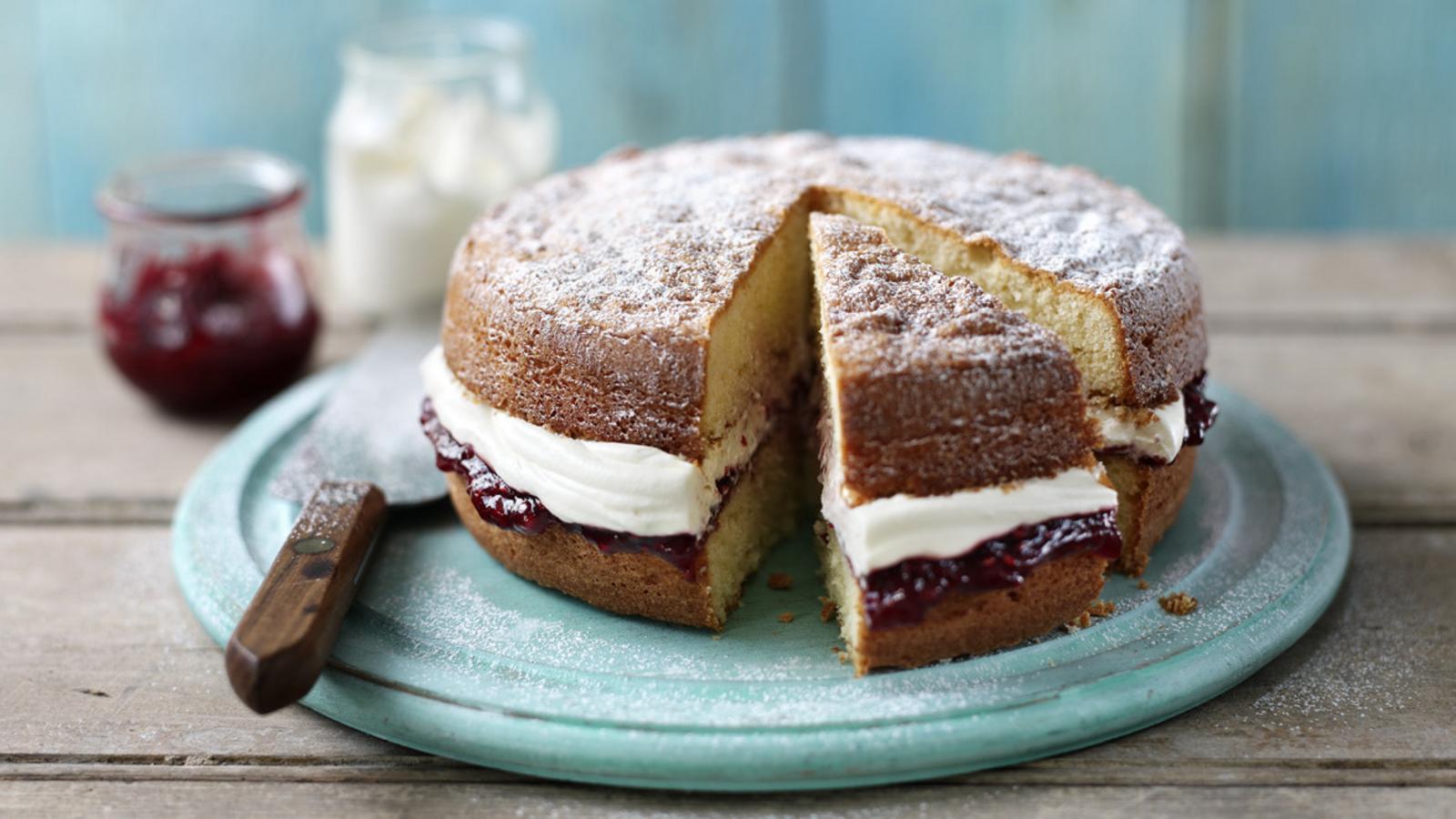
Vanilla Sponge Cake Recipe: There’s something magical about a classic vanilla sponge cake. It’s simple, elegant, and incredibly versatile. Whether you’re baking for a birthday, afternoon tea, or just because you’re craving something sweet, a perfectly baked vanilla sponge cake never disappoints. Light, fluffy, and delicately sweet, this cake forms the foundation of countless desserts around the world.
In this detailed step-by-step guide, you’ll learn exactly how to bake a vanilla sponge cake from scratch like a pro. We’ll cover everything—from selecting the right ingredients to mastering the mixing method. Even if you’ve never baked before, this guide will walk you through each stage clearly and confidently.
Think of this as your complete roadmap to sponge cake success. By the end, you won’t just have a recipe—you’ll have the knowledge and confidence to bake it perfectly every single time.
Let’s get started.
Why Vanilla Sponge Cake Is a Timeless Classic
Why has vanilla sponge cake stood the test of time? In a world filled with trendy desserts—lava cakes, cronuts, gourmet cupcakes—this humble classic still holds its place. The answer is simple: versatility and balance.
Vanilla sponge cake is like a blank canvas. Its mild, comforting flavor pairs beautifully with almost anything—fresh fruits, chocolate ganache, whipped cream, buttercream frosting, or even a simple dusting of powdered sugar. It adapts effortlessly to birthdays, weddings, tea parties, and casual family dinners.
Another reason for its popularity is texture. When done right, a sponge cake is soft yet structured, airy yet moist. It’s light enough not to feel heavy after a meal, but rich enough to satisfy your sweet tooth. That balance is what makes it universally loved.
From a professional baking perspective, mastering vanilla sponge cake is a rite of passage. Many pastry chefs consider it a foundational recipe. Once you perfect it, you can build layered cakes, trifles, roll cakes, and more. It becomes your base for creativity.
And let’s not ignore nostalgia. For many of us, the smell of vanilla cake baking in the oven instantly takes us back to childhood kitchens. It’s comfort in edible form.
So while it may look simple on the surface, vanilla sponge cake carries history, technique, and endless possibilities within its soft crumb.
Ingredients You’ll Need
Great baking starts with great ingredients. A sponge cake may use basic pantry staples, but each one plays a crucial role. Precision matters here—this isn’t a “throw it together and hope” kind of recipe.
Here’s what you’ll need:
Essential Ingredients
- 2 cups (250g) all-purpose flour
- 1 cup (200g) granulated sugar
- 1 cup (226g) unsalted butter (softened)
- 4 large eggs (room temperature)
- 1 cup (240ml) whole milk (room temperature)
- 2 teaspoons pure vanilla extract
- 2 teaspoons baking powder
- ¼ teaspoon salt
Let’s break this down.
Flour provides structure. All-purpose flour works perfectly because it strikes the right balance between protein and softness. Too much protein, and your cake becomes dense. Too little, and it won’t hold shape.
Sugar does more than sweeten—it helps create a tender crumb and assists in aeration when creamed with butter.
Butter adds richness and flavor. Always use unsalted butter so you can control the salt level yourself.
Eggs are the backbone of the sponge. They add structure, moisture, and help trap air for that fluffy texture.
Milk ensures moisture and smooth batter consistency. Room temperature ingredients blend more evenly—don’t skip that detail.
Vanilla extract gives the cake its signature flavor. Use pure vanilla extract for the best taste.
Baking powder acts as the leavening agent, helping the cake rise beautifully.
Salt enhances all the other flavors—never underestimate its importance.
Every ingredient has a purpose. When combined properly, they create magic.
Kitchen Tools and Equipment Required
Before you start baking, let’s talk tools. Having the right equipment doesn’t just make the process easier—it ensures consistent results. Think of baking as a science experiment. Accuracy and preparation matter.
Here’s what you’ll need:
- Mixing bowls (at least two)
- Electric hand mixer or stand mixer
- Measuring cups and spoons
- Kitchen scale (recommended for accuracy)
- 8-inch or 9-inch round cake pans
- Parchment paper
- Spatula
- Sifter or fine mesh sieve
- Cooling rack
- Toothpick or cake tester
Why does this matter? Because proper creaming of butter and sugar requires consistent mixing speed. An electric mixer helps incorporate air properly, which directly affects the cake’s texture.
Using parchment paper prevents sticking and ensures clean removal. A cooling rack prevents condensation from making the cake soggy at the bottom.
A kitchen scale might feel optional, but if you want professional-level precision, weighing ingredients is a game changer. Baking is chemistry, and small measurement errors can change everything.
Preparation is half the battle. When your tools are ready and within reach, the process feels smooth, organized, and enjoyable.
Understanding the Science Behind Sponge Cake
Let’s get slightly nerdy—but in a fun way. Have you ever wondered why sponge cake rises? Or why overmixing ruins it? The answers lie in simple baking science.
Sponge cake relies on air incorporation and chemical leavening. When you cream butter and sugar together, tiny air pockets form. These air pockets expand in the oven’s heat, helping the cake rise.
Baking powder adds another lift. It releases carbon dioxide when heated, creating bubbles in the batter. These bubbles expand, making the cake light and fluffy.
Eggs provide structure through proteins. When heated, egg proteins set and hold the cake’s shape. That’s why adding eggs gradually and mixing properly is crucial.
Flour contains gluten, which forms when mixed with liquid. A little gluten gives structure. Too much makes the cake tough. That’s why we mix gently once flour is added.
Temperature also plays a role. If butter is too cold, it won’t cream properly. If ingredients are too cold, they won’t emulsify smoothly.
Understanding these principles turns baking from guesswork into mastery. Once you know the “why,” every step makes sense.
Step-by-Step Guide to Making Vanilla Sponge Cake
Step 1: Preparing Your Ingredients
Bring all ingredients—butter, eggs, and milk—to room temperature. This ensures smooth mixing and a lighter sponge texture.
Step 2: Preheating and Preparing the Pan
Preheat your oven to 170–180°C (340–350°F). Grease your cake pan and line the base with parchment paper to prevent sticking.
Step 3: Mixing the Dry Ingredients
Sift together flour, baking powder, and a pinch of salt. Sifting adds air and helps create a soft, even crumb.
Step 4: Creaming Butter and Sugar
Beat softened butter and sugar until pale and fluffy. This step incorporates air, which is essential for a light sponge cake.
Step 5: Adding Eggs the Right Way
Add eggs one at a time, beating well after each addition. This prevents curdling and helps maintain a smooth batter.
Step 6: Incorporating Vanilla Extract
Mix in vanilla extract gently to evenly distribute flavor without overworking the batter.
Step 7: Combining Wet and Dry Ingredients
Add the dry ingredients in batches, alternating with milk. Fold gently using a spatula to keep the batter airy.
Step 8: Adjusting Batter Consistency
The batter should be smooth and pourable. Add a tablespoon of milk if too thick, but avoid overmixing.
Step 9: Pouring and Leveling the Batter
Pour batter into the prepared pan and tap lightly on the counter to release air bubbles. Level the surface.
Step 10: Baking to Perfection
Bake for 30–35 minutes without opening the oven door early, as this can cause the cake to sink.
Step 11: Checking for Doneness
Insert a toothpick into the center. If it comes out clean or with a few crumbs, the cake is done.
Step 12: Cooling the Cake Properly
Let the cake cool in the pan for 10 minutes, then transfer to a wire rack to cool completely before frosting or serving.
Common Mistakes to Avoid
Even experienced bakers slip up sometimes. Here are common errors:
- Using cold ingredients
- Overmixing the batter
- Skipping sifting
- Opening the oven too early
- Incorrect measurements
Avoid these, and your sponge cake will turn out beautifully every time.
Pro Tips for a Perfect Sponge Cake
- Always use room temperature ingredients
- Weigh ingredients for accuracy
- Cream butter and sugar thoroughly
- Don’t rush baking
- Let the cake cool completely
These small details separate average cakes from professional-quality ones.
How to Store Vanilla Sponge Cake
Store unfrosted sponge cake in an airtight container at room temperature for up to 3 days.
For longer storage:
- Refrigerate for up to 1 week
- Freeze (wrapped tightly) for up to 2 months
Always wrap well to prevent dryness.
Creative Variations of Vanilla Sponge Cake
Want to customize it?
- Add lemon zest for citrus flavor
- Mix in chocolate chips
- Layer with strawberry jam
- Soak with simple syrup
- Turn into cupcakes
The possibilities are endless.
Serving Suggestions and Decoration Ideas
Serve your vanilla sponge cake with:
- Whipped cream and fresh berries
- Chocolate ganache
- Buttercream frosting
- Powdered sugar dusting
- Ice cream on the side
Dress it up or keep it simple—either way, it shines.
FAQs about Vanilla Sponge Cake Recipe
1. Why did my sponge cake sink in the middle?
This usually happens if the oven door is opened too early, causing a sudden drop in temperature, or if the cake is underbaked. Always allow the cake to set fully before checking for doneness.
2. Can I use oil instead of butter?
Yes, you can substitute oil for butter. While butter adds richer flavor, oil tends to produce a slightly more moist and tender sponge.
3. How do I make the cake extra moist?
Lightly brush the cooled cake layers with simple syrup before frosting. This adds moisture without making the cake soggy.
4. Can I make this cake ahead of time?
Absolutely. You can bake the sponge cake a day in advance. Once cooled, wrap it tightly and store at room temperature or in the refrigerator.
5. What flour is best for sponge cake?
All-purpose flour works well for most sponge cakes. For an even lighter and finer crumb, cake flour is the best choice.
These tips will help you achieve a perfectly light, moist, and well-structured sponge cake every time.
Conclusion
Mastering a vanilla sponge cake recipe is like unlocking a baking superpower. It’s simple yet elegant, basic yet versatile. Once you understand the ingredients, respect the technique, and follow each step carefully, success becomes consistent.
This step-by-step guide ensures your cake turns out soft, fluffy, and bakery-perfect every single time. Baking isn’t just about following instructions—it’s about enjoying the process.
Now it’s your turn. Preheat that oven and start baking.