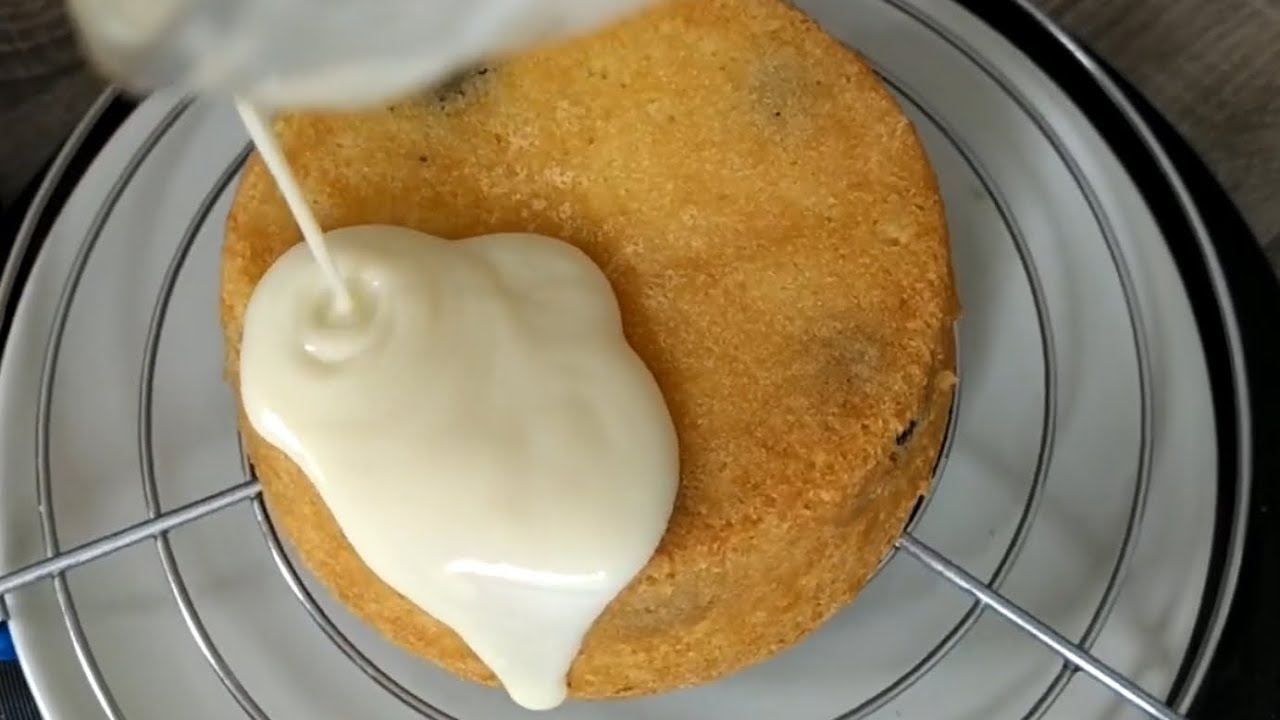
Vanilla Glaze Recipe: There’s something magical about a simple vanilla glaze. It’s glossy, sweet, smooth, and instantly elevates almost any baked treat from ordinary to bakery-level irresistible. Whether you’re drizzling it over warm cinnamon rolls, dipping fresh donuts into it, or glazing a homemade pound cake, vanilla glaze is the finishing touch that ties everything together.
But what exactly is vanilla glaze? In simple terms, it’s a sweet icing made primarily from powdered sugar, vanilla extract, and liquid (usually milk or cream). The texture can range from thick and spreadable to thin and pourable, depending on how much liquid you add. And that’s the beauty of it—it’s completely customizable.
What makes this glaze so popular is its versatility. It complements nearly every dessert without overpowering it. Think of it as the little black dress of baking—simple, elegant, and always appropriate. Unlike heavy frostings, vanilla glaze adds sweetness and shine without feeling too rich.
In this professional step-by-step guide, you’ll learn exactly how to make the perfect vanilla glaze from scratch. We’ll break down the ingredients, techniques, pro tips, and common mistakes so you can achieve flawless results every single time. Ready to transform your baked goods? Let’s dive in.
Why Homemade Vanilla Glaze Is Better Than Store-Bought
Sure, you can grab a ready-made glaze from the grocery store. But once you make it from scratch, you’ll never go back. Homemade vanilla glaze simply tastes fresher, richer, and more authentic.
First, let’s talk about flavor. Store-bought glazes often contain preservatives and artificial flavorings that can give them a slightly chemical aftertaste. When you make your own, you control the quality of every ingredient. Using pure vanilla extract instantly makes a noticeable difference—it adds warmth and depth that artificial versions just can’t replicate.
Second, it’s incredibly cost-effective. Powdered sugar and vanilla extract are pantry staples in most homes. With just a few tablespoons of milk, you can whip up a batch in under five minutes. Why pay extra for something so simple?
Another big advantage? Customization. Want it thicker for donuts? Add less liquid. Prefer a drizzle for cookies? Thin it out. Craving a citrus twist? Add lemon zest. When you make it yourself, you’re in control.
And let’s not forget freshness. Homemade glaze sets beautifully and gives baked goods that glossy, bakery-style finish. It tastes clean, sweet, and smooth—never overly processed.
Simply put, homemade vanilla glaze isn’t just better. It’s smarter, tastier, and more versatile.
Ingredients You’ll Need
The beauty of vanilla glaze lies in its simplicity. You only need a handful of basic ingredients to create a silky, delicious topping.
Core Ingredients
- 1 cup powdered sugar (confectioners’ sugar)
- 1–2 tablespoons milk or heavy cream
- ½ teaspoon pure vanilla extract
That’s it. Three ingredients. But each one plays a crucial role.
Powdered sugar forms the base. Its ultra-fine texture ensures a smooth, lump-free glaze. Milk or cream provides the liquid that transforms sugar into a pourable consistency. And vanilla extract adds that signature warm, aromatic flavor.
Optional Add-Ins
- Pinch of salt (balances sweetness)
- Butter (for richness)
- Lemon zest (for brightness)
- Maple syrup (for depth)
Ingredient Substitution Table
| Ingredient | Substitute Option | Notes |
|---|---|---|
| Milk | Almond milk, oat milk | Vegan-friendly |
| Heavy cream | Coconut cream | Thicker texture |
| Vanilla extract | Vanilla bean paste | Stronger flavor |
| Powdered sugar | Blended granulated sugar | Blend until fine |
Using high-quality ingredients makes a noticeable difference. If possible, choose pure vanilla extract over imitation. It may cost more, but the flavor payoff is worth it.
Now that your ingredients are ready, let’s move to the fun part—making it step by step.
Step-by-Step Guide to Making Vanilla Glaze
Making vanilla glaze is incredibly simple, but technique matters. Follow these professional steps for perfect results.
Step 1: Sift the Powdered Sugar
Start by sifting one cup of powdered sugar into a medium mixing bowl. This removes any lumps and ensures a silky-smooth glaze. Skipping this step might leave you with tiny sugar clumps—something no one wants.
Step 2: Add Vanilla Extract
Pour in ½ teaspoon of pure vanilla extract. Even though it’s a small amount, it delivers big flavor. Stir gently to distribute it evenly.
Step 3: Add Liquid Gradually
Here’s where precision counts. Add one tablespoon of milk or cream first. Stir slowly using a whisk or spoon. If the glaze feels too thick, add liquid ½ teaspoon at a time. This prevents the glaze from becoming too runny.
Step 4: Adjust Consistency
For dipping donuts, aim for a thicker consistency that coats the back of a spoon. For drizzling over cakes, the glaze should flow smoothly but not look watery.
Step 5: Test and Use Immediately
Lift your spoon and let the glaze fall back into the bowl. It should form a ribbon that disappears within a few seconds. Once ready, use it immediately over cooled baked goods.
And just like that—you’ve made professional-quality vanilla glaze.
How to Get the Perfect Consistency
Consistency is everything when it comes to glaze. Too thick? It won’t spread. Too thin? It’ll slide right off your dessert.
If your glaze is too thick, add milk one drop at a time. Stir thoroughly before adding more. Remember—you can always add liquid, but you can’t easily remove it.
If it’s too thin, add a tablespoon of powdered sugar and mix again.
For donuts, a thicker glaze works best because it creates that classic white coating. For cookies, a medium consistency spreads beautifully. For decorative drizzles, thinner glaze creates elegant lines.
Think of consistency like paint. Thick paint covers; thin paint decorates.
Master this balance, and your desserts will look bakery-perfect every time.
Choosing the Right Vanilla for the Best Flavor
If vanilla glaze only has three core ingredients, then vanilla itself becomes the star of the show. And not all vanilla is created equal. The type you choose can subtly—or dramatically—change the flavor profile of your glaze.
Let’s start with the most common option: pure vanilla extract. This is made by soaking vanilla beans in alcohol and water, extracting the natural flavors over time. The result? A warm, complex, slightly floral sweetness that feels rich without being overpowering. If you want professional-quality glaze, this is your go-to.
Now compare that to imitation vanilla extract. It’s cheaper, widely available, and technically does the job. But here’s the thing—it often tastes flat. Sometimes even slightly artificial. In baked goods with lots of ingredients, that difference might be subtle. But in something as simple as vanilla glaze? You’ll notice.
Then there’s vanilla bean paste. This is where things get interesting. It has a thicker consistency and contains actual vanilla bean specks. Those tiny black dots? They instantly elevate the look of your glaze. It screams “gourmet bakery.” The flavor is deeper and more intense, making it perfect for special occasions.
And finally, the luxurious option: whole vanilla pods. Scraping fresh vanilla seeds into your glaze adds unmatched aroma and depth. It’s more expensive, yes—but unforgettable.
If you bake often, invest in quality vanilla. Think of it like good coffee. Once you taste the difference, there’s no going back.
Kitchen Tools Required
You don’t need fancy equipment to make vanilla glaze. In fact, that’s part of its charm. But having the right basic tools makes the process smoother and more precise.
Here’s what you’ll need:
- Medium mixing bowl
- Whisk or sturdy spoon
- Measuring cups and spoons
- Sifter or fine mesh strainer
- Rubber spatula (optional)
Let’s talk about why each matters.
A medium bowl gives you enough space to whisk without spilling sugar everywhere (we’ve all been there). A whisk works best because it incorporates liquid evenly and breaks up small clumps quickly. If you don’t have one, a spoon works—just stir thoroughly.
Measuring tools are critical. Vanilla glaze might be simple, but precision makes the difference between perfect and problematic. Too much liquid, and you’ll be chasing thickness by adding more sugar. Too little, and you’ll end up with paste instead of glaze.
Sifting powdered sugar may seem optional, but professionals never skip it. It guarantees a silky finish. No one wants unexpected sugar lumps in their glossy topping.
The beauty here? No electric mixer required. No complicated techniques. Just simple tools and a few minutes of your time.
Flavor Variations You Can Try
Once you’ve mastered the basic vanilla glaze recipe, the real fun begins—customizing it. Think of the base glaze as a blank canvas. With just a small tweak, you can create entirely new flavor profiles.
Lemon Vanilla Glaze
Add 1–2 teaspoons of fresh lemon juice and a bit of zest. The citrus cuts through the sweetness and adds brightness. Perfect for pound cakes and blueberry muffins.
Maple Vanilla Glaze
Replace half the milk with pure maple syrup. The result? Warm, cozy flavor that pairs beautifully with cinnamon rolls and fall-inspired desserts.
Almond Vanilla Glaze
Swap half the vanilla extract with almond extract. Be careful—it’s strong. Just a few drops add a nutty depth that tastes amazing on sugar cookies.
Chocolate Vanilla Glaze
Add 1 tablespoon of cocoa powder and adjust the liquid slightly. You’ll get a light chocolate glaze that still carries subtle vanilla notes.
The key is balance. Don’t overwhelm the glaze. Small adjustments create noticeable flavor shifts.
Experiment. Taste as you go. Baking should feel creative, not restrictive.
Common Mistakes to Avoid
Even though vanilla glaze is simple, a few common mistakes can ruin the texture or flavor. Let’s prevent that from happening.
1. Adding Too Much Liquid at Once
This is the most common error. Pouring in milk too quickly turns your glaze into sugar soup. Always add liquid gradually—½ teaspoon at a time if needed.
2. Skipping the Sifting Step
Lumpy glaze happens when powdered sugar isn’t sifted. Those tiny clumps don’t always dissolve fully. Take the extra 30 seconds. It’s worth it.
3. Overmixing
Yes, it’s possible. Overmixing can introduce air bubbles, making the glaze less smooth when it sets. Stir just until combined.
4. Glazing Hot Baked Goods
If your cake or donuts are too warm, the glaze will melt and slide off. Let baked goods cool slightly before glazing.
5. Ignoring Consistency Testing
Always test the glaze before applying it. Lift your spoon. Watch how it falls. Adjust if necessary.
Avoid these pitfalls, and your glaze will look polished and professional every time.
Best Desserts to Use Vanilla Glaze On
Vanilla glaze is incredibly versatile. It enhances flavor without overpowering it. Here are some of the best desserts to pair with it:
Donuts
Classic glazed donuts rely on that sweet, shiny coating. Dip them while slightly warm for that bakery-style finish.
Pound Cakes
A thick vanilla glaze poured over a dense pound cake creates a stunning presentation. It seeps slightly into the top, adding moisture and sweetness.
Cinnamon Rolls
Instead of cream cheese frosting, try vanilla glaze for a lighter option. It melts beautifully into the swirls.
Sugar Cookies
Drizzle glaze over cooled cookies for a simple decorative touch. Add sprinkles while wet for fun designs.
Muffins
Blueberry, banana, or lemon muffins all benefit from a light vanilla drizzle.
It’s like adding a spotlight to your dessert. Simple. Elegant. Effective.
Storage and Shelf Life
Made too much glaze? No problem. Vanilla glaze stores surprisingly well.
At room temperature, it can sit covered for up to 24 hours. Just stir before using, as it may thicken.
For longer storage, refrigerate it in an airtight container for up to one week. When ready to use, let it come to room temperature and stir. If it’s too thick, add a few drops of milk.
Freezing isn’t ideal, as texture may change slightly upon thawing. Fresh is always best.
Because it takes only minutes to prepare, many bakers prefer making it fresh each time.
How to Make a Vegan Vanilla Glaze
Making a vegan version is incredibly easy. Simply replace dairy milk with plant-based milk such as:
- Almond milk
- Oat milk
- Soy milk
- Coconut milk
Use unsweetened versions to control sweetness.
The ratio remains the same. Start with one tablespoon and adjust as needed. Coconut cream can create a thicker, richer glaze if desired.
Always check that your powdered sugar is vegan-friendly, as some brands use bone char in processing.
The result? A smooth, glossy, dairy-free glaze that tastes just as delicious.
Professional Tips for Bakery-Style Results
Want that glossy, Instagram-worthy finish? Here’s what professional bakers do:
- Use slightly warm (not hot) baked goods for better adhesion.
- Apply glaze in thin layers for even coverage.
- Let the first layer set before adding another drizzle.
- Use a spoon for rustic looks, piping bag for precision.
- Add a pinch of salt to balance sweetness.
Small details make a big difference.
FAQs about Vanilla Glaze Recipe
1. Why is my vanilla glaze too runny?
This usually happens when too much liquid is added at once. To fix it, gradually mix in more powdered sugar, one tablespoon at a time, until the glaze thickens to your desired consistency.
2. Can I freeze vanilla glaze?
Freezing is not recommended because it can alter the texture and cause separation when thawed. For best results, make the glaze fresh or store it in an airtight container in the refrigerator for up to one week.
3. How do I make my glaze shinier?
For a glossy finish, use heavy cream instead of milk. Also, apply the glaze while your baked goods are still slightly warm—this helps it melt smoothly and set with a beautiful shine.
4. Can I reduce the sweetness of the glaze?
Yes. You can balance the sweetness by adding a small pinch of salt or a few drops of lemon juice. This enhances flavor without overpowering the vanilla taste.
5. What’s the difference between icing and glaze?
A glaze is thinner and more pourable, perfect for drizzling over cakes, cookies, or pastries. Icing is thicker and more spreadable, making it ideal for frosting and decorative finishes.
Conclusion
Vanilla glaze may be simple, but it’s powerful. With just powdered sugar, vanilla extract, and milk, you can transform ordinary baked goods into bakery-quality creations. The key lies in technique—sifting sugar, adding liquid gradually, testing consistency, and using quality vanilla.
Whether you prefer it thick for donuts, thin for drizzling, or customized with citrus or maple, this step-by-step guide gives you full control. Homemade always wins when it comes to freshness, flavor, and flexibility.
So next time your cake looks like it needs something extra, you know exactly what to do. Whisk, drizzle, enjoy.


