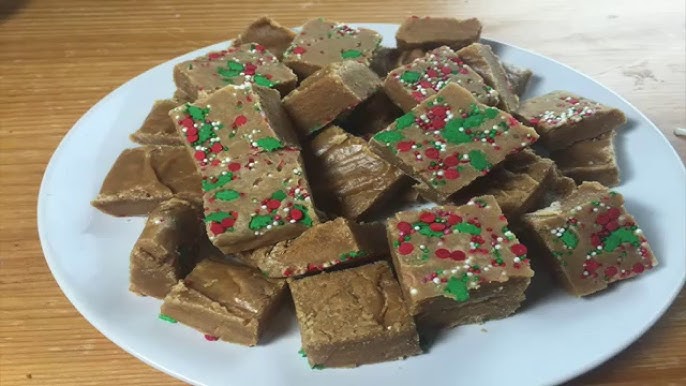
Vanilla Fudge Recipe: There’s something undeniably nostalgic about vanilla fudge. One bite, and suddenly you’re transported to a cozy kitchen filled with the sweet aroma of sugar and butter melting together. It’s rich, creamy, and melts in your mouth like a soft cloud of sweetness. Unlike overly complicated desserts, vanilla fudge proves that simple ingredients—when treated with care—can create magic.
Vanilla fudge is a classic confection made primarily from sugar, butter, milk, and vanilla extract. But don’t let that short ingredient list fool you. Making perfect fudge is a delicate dance between heat, timing, and technique. Too hot? It turns grainy. Too cool? It won’t set properly. But when done right, the result is silky smooth squares of sweet indulgence that feel luxurious with every bite.
If you’ve ever been intimidated by candy-making, don’t worry. Think of this guide as your personal kitchen companion. We’ll break down each step, explain why it matters, and help you avoid common pitfalls. By the end, you won’t just know how to make vanilla fudge—you’ll understand it.
Ready to transform simple pantry staples into melt-in-your-mouth perfection? Let’s dive in.
Why Homemade Vanilla Fudge Is Better Than Store-Bought
Walk into any supermarket, and you’ll find neatly packaged fudge in shiny wrappers. It looks tempting, doesn’t it? But here’s the truth: most store-bought fudge sacrifices quality for shelf life. Homemade vanilla fudge, on the other hand, delivers unmatched freshness, flavor, and texture that commercial versions simply can’t replicate.
First, let’s talk about ingredients. When you make fudge at home, you control everything. Real butter instead of processed fats. Pure vanilla extract instead of artificial flavoring. Fresh dairy instead of preservatives. That alone makes a world of difference. The flavor becomes deeper, richer, and more authentic.
Then there’s texture. Factory-made fudge often leans toward either overly firm or strangely sticky. Perfect homemade fudge hits that sweet spot—firm enough to hold its shape, yet soft enough to melt gently on your tongue. It’s like the difference between listening to live music versus a compressed audio file. Both are enjoyable, but one feels fuller, more real.
Homemade fudge also allows customization. Want it sweeter? Adjust the sugar slightly. Prefer a hint of sea salt? Sprinkle some on top. Feeling adventurous? Swirl in caramel or add crushed nuts. When you’re in charge, creativity has no limits.
And let’s not forget the emotional factor. Making fudge at home turns a simple dessert into an experience. The aroma filling your kitchen, the careful stirring, the anticipation as it sets—it becomes more than just candy. It becomes a memory.
So while store-bought fudge may be convenient, homemade vanilla fudge wins in flavor, freshness, texture, and heart. Once you try it, there’s no going back.
Ingredients You’ll Need
Before we jump into the step-by-step process, let’s gather everything you’ll need. Good fudge starts with quality ingredients. Since vanilla fudge relies on simple components, each one plays a critical role in achieving that creamy, smooth consistency.
Core Ingredients
Here’s what you’ll need for a classic vanilla fudge recipe:
- 2 cups granulated sugar
- 1 cup whole milk
- ½ cup unsalted butter
- 1 teaspoon pure vanilla extract
- 1/8 teaspoon salt
That’s it. Five simple ingredients. But each has a specific purpose.
Granulated sugar forms the structure of the fudge. It melts and recrystallizes to create that signature firmness. Whole milk adds creaminess and richness, helping prevent the sugar from crystallizing too quickly. Unsalted butter brings smoothness and depth of flavor, acting almost like the glue that binds everything together. Vanilla extract is the star of the show, delivering warm, aromatic sweetness. And salt? It balances the sugar, enhancing every note of flavor without making the fudge taste salty.
Optional Add-Ins for Flavor Variations
While the classic version is timeless, you can elevate your vanilla fudge with creative additions:
- White chocolate chips for extra creaminess
- Chopped nuts like pecans or walnuts
- Sea salt flakes for a salted vanilla twist
- Swirls of caramel
- Sprinkles for festive occasions
These extras aren’t necessary, but they add personality. Think of them as accessories to a perfectly tailored outfit—nice to have, but not required for elegance.
When selecting ingredients, always opt for high-quality products. Since this recipe is simple, there’s nowhere for low-quality ingredients to hide. Use real butter, fresh milk, and pure vanilla extract for the best results.
Now that your ingredients are ready, it’s time to prepare your kitchen for success.
Essential Kitchen Tools for Making Vanilla Fudge
Before you even turn on the stove, let’s talk tools. Making vanilla fudge isn’t complicated, but having the right equipment can mean the difference between silky smooth perfection and a grainy disappointment. Think of your tools as your support team—when they work well, everything else falls into place.
First and foremost, you’ll need a heavy-bottomed saucepan. This is non-negotiable. Thin pans heat unevenly and can cause hot spots, which may burn the sugar before it properly dissolves. A sturdy saucepan distributes heat evenly, giving you better control over the cooking process.
Next up: a candy thermometer. Yes, you can try the old-fashioned soft-ball test in cold water, but if you want consistent results, a thermometer is your best friend. Fudge needs to reach the soft-ball stage—around 234–240°F (112–115°C). A few degrees too high or too low can change the texture completely.
You’ll also need:
- A wooden spoon or heat-resistant silicone spatula for stirring
- An 8×8-inch baking pan for setting the fudge
- Parchment paper or aluminum foil for lining the pan
- A mixing bowl (optional, depending on method)
- A sharp knife for cutting clean squares
Lining your pan is especially important. It allows you to lift the fudge out easily once it’s set, ensuring neat, professional-looking slices.
Preparation is everything in candy-making. Once the mixture reaches the right temperature, things move quickly. Having your tools ready and within reach prevents panic and mistakes. Think of it like cooking pasta—you don’t want to start chopping garlic once the noodles are already boiling over.
With the right tools in place, you’re already halfway to perfect vanilla fudge.
Understanding the Science Behind Perfect Fudge
Fudge may seem simple, but behind its creamy texture lies a fascinating bit of kitchen chemistry. Understanding what’s happening inside that saucepan will give you confidence—and better results.
At its core, fudge is about controlled sugar crystallization. When sugar dissolves in milk and butter, it forms a syrup. As this syrup heats, water evaporates and sugar concentration increases. Once it reaches the soft-ball stage, it’s ready to cool and form crystals again—but in a very specific way.
If large sugar crystals form, your fudge becomes grainy. If crystals are too small or don’t form correctly, it may stay too soft or sticky. The goal? Tiny, uniform crystals that create that smooth, creamy texture.
The Role of Sugar Crystals
Sugar naturally wants to crystallize. Stirring too much while the mixture is boiling can encourage large crystals to form. That’s why most recipes advise minimal stirring once the sugar dissolves.
Butter and milk help interfere with crystal formation, keeping the texture smooth. It’s like they’re acting as peacekeepers in a room full of sugar molecules, preventing chaos.
Temperature and Texture Connection
Temperature is everything. At 234–240°F, the syrup reaches the perfect concentration for fudge. Below that range, your fudge may not set properly. Above it, you risk dry, crumbly results.
Cooling is equally important. If you beat the mixture too early, it won’t thicken correctly. Too late, and it may harden before you can pour it.
Candy-making isn’t just cooking—it’s precision. But don’t let that intimidate you. Once you understand the “why,” the “how” becomes much easier.
Step-by-Step Guide to Making Vanilla Fudge
Now comes the exciting part—making your vanilla fudge. Follow these steps carefully, and you’ll end up with rich, creamy squares that taste like they came from a gourmet candy shop.
Step 1 – Preparing Your Pan
Before turning on the stove, line your 8×8-inch baking pan with parchment paper, leaving extra hanging over the sides. This overhang acts like handles, making removal easy later.
Lightly grease the parchment paper with butter or non-stick spray. This extra step prevents sticking and ensures smooth edges.
Preparation might seem minor, but once your fudge is ready to pour, you won’t have time to fuss with the pan. Think ahead—it saves stress later.
Step 2 – Combining the Ingredients
In your heavy-bottomed saucepan, combine:
- 2 cups granulated sugar
- 1 cup whole milk
- ½ cup unsalted butter
- 1/8 teaspoon salt
Place the pan over medium heat. Stir continuously until the sugar fully dissolves and the butter melts completely. The mixture should look smooth and slightly glossy.
Once it begins to boil, reduce stirring. Allow it to cook steadily, attaching your candy thermometer to the side of the pan.
Patience is key here. Rushing this step can lead to uneven texture. Keep the heat moderate—too high and the bottom may scorch.
Step 3 – Cooking to the Right Temperature
Let the mixture cook until it reaches 234–240°F (soft-ball stage). This may take 8–12 minutes, depending on your stove.
Avoid stirring during this stage unless absolutely necessary. If sugar crystals form on the sides of the pan, gently brush them down with a damp pastry brush.
When the thermometer hits the correct temperature, immediately remove the pan from heat. Do not overcook. Even a few extra degrees can change the final texture.
Precision here determines success. Think of this as the turning point in your fudge journey.
Step 4 – Cooling the Mixture Properly
Once removed from heat, let the mixture cool undisturbed until it reaches about 110°F (warm but not hot). Do not stir during this cooling period.
This step allows the sugar structure to settle. Stirring too early may trigger premature crystallization, leading to grainy fudge.
It may take 30–45 minutes to cool properly. Yes, it requires patience—but good fudge rewards those who wait.
Step 5 – Beating the Fudge to Perfection
Once cooled, add 1 teaspoon of pure vanilla extract.
Now begin beating the mixture vigorously with a wooden spoon. You’ll notice it thickening and losing its glossy shine. This process can take 5–10 minutes.
Beating encourages controlled crystal formation, giving fudge its creamy texture. Stop once the mixture becomes thick and slightly matte.
Timing matters. Overbeating can make it too stiff to pour.
Step 6 – Pouring and Setting
Quickly pour the thickened fudge into your prepared pan. Smooth the top with a spatula.
Let it sit at room temperature for 2–3 hours, or until fully set. Avoid refrigerating immediately, as rapid cooling can affect texture.
Once firm, lift it out using the parchment overhang and cut into squares with a sharp knife.
Congratulations—you’ve just made classic vanilla fudge from scratch.
Common Mistakes to Avoid When Making Vanilla Fudge
Even though vanilla fudge uses simple ingredients, small missteps can completely change the outcome. If you’ve ever ended up with fudge that’s grainy, too soft, or oddly crumbly, chances are one of these common mistakes was the culprit. The good news? Every mistake is avoidable once you know what to look for.
One of the biggest errors is cooking at the wrong temperature. Guessing instead of using a candy thermometer can lead to undercooked or overcooked fudge. If it doesn’t reach the soft-ball stage, it won’t set properly. If it goes beyond that range, you’ll end up with dry, brittle candy instead of creamy fudge. Precision matters here more than speed.
Another common issue is stirring at the wrong time. Stirring while the mixture is boiling can encourage large sugar crystals to form, which results in a gritty texture. On the flip side, not beating the fudge enough after cooling can leave it too soft and sticky. Timing your stirring and beating is like conducting an orchestra—everything needs to come in at the right moment.
Using a thin saucepan is another mistake many overlook. Thin pans create hot spots, which can scorch the sugar. Burned sugar doesn’t just affect texture; it leaves a bitter aftertaste that ruins the entire batch.
Impatience is also a factor. Cooling the fudge properly before beating is essential. Rushing this step can lead to uneven crystallization. Candy-making rewards patience more than almost any other kitchen skill.
Lastly, avoid making fudge on extremely humid days. Sugar absorbs moisture from the air, which can affect how your fudge sets. If possible, choose a dry day for best results.
Learning from these common pitfalls helps you move from beginner to confident fudge-maker. And once you master it, you’ll wonder why it ever seemed tricky in the first place.
Pro Tips for Ultra-Creamy Vanilla Fudge
If you want your vanilla fudge to taste like it came straight from a gourmet candy shop, a few expert-level tips can elevate your results from good to unforgettable. These small tweaks make a noticeable difference in flavor and texture.
First, always use room-temperature butter and milk. Cold ingredients can cause uneven melting, which may affect the consistency of your mixture early on. Smooth beginnings lead to smooth endings.
Second, consider adding a small spoonful of corn syrup (about 1 tablespoon) to the mixture. While not traditional in every recipe, corn syrup helps prevent unwanted crystallization, resulting in a creamier texture. It acts like a stabilizer, keeping the sugar crystals small and uniform.
Another pro tip is to avoid scraping the sides of the pan after cooking. If sugar crystals cling to the sides and you scrape them back into the mixture, they can trigger graininess. Use a damp pastry brush during cooking instead.
For cleaner cuts, let the fudge sit overnight before slicing. Use a sharp knife dipped in hot water and wiped dry between cuts. This creates smooth, bakery-style squares.
Want to intensify the vanilla flavor? Try using vanilla bean paste instead of extract. The tiny flecks of real vanilla bean not only boost flavor but also give your fudge a visually appealing touch.
And here’s a secret many don’t talk about: let the fudge rest at room temperature rather than refrigerating it immediately. Slow setting improves texture. Quick chilling can shock the sugar structure and affect creaminess.
When you apply these tips, your vanilla fudge won’t just taste homemade—it will taste professional.
How to Store and Preserve Vanilla Fudge
Once you’ve made a perfect batch of vanilla fudge, you’ll want to keep it fresh for as long as possible. Proper storage ensures that every bite remains just as creamy and flavorful as the first.
At room temperature, store fudge in an airtight container. Layer parchment paper between stacked pieces to prevent sticking. When stored properly, vanilla fudge can last up to 1–2 weeks at room temperature.
If you live in a warmer climate, refrigeration may be necessary. Place the fudge in an airtight container and allow it to come back to room temperature before serving. Cold fudge can feel firmer and less creamy, so giving it time to soften slightly restores its ideal texture.
For long-term storage, fudge freezes beautifully. Wrap individual pieces tightly in plastic wrap, then place them in a freezer-safe container or zip-top bag. Frozen fudge can last up to three months. When ready to enjoy, thaw it in the refrigerator overnight, then bring it to room temperature before serving.
Avoid exposing fudge to air for extended periods. Sugar-based candies can dry out quickly, losing their signature smoothness.
Proper storage isn’t just about longevity—it’s about preserving quality. After all, you’ve put in the effort to make it perfectly creamy. Treat it with care, and it will reward you with weeks of sweet satisfaction.
Creative Ways to Serve Vanilla Fudge
Vanilla fudge is delightful on its own, but why stop there? With a little creativity, you can turn this classic treat into something even more exciting.
One simple idea is to serve fudge alongside a cup of freshly brewed coffee or tea. The creamy sweetness balances the bitterness of coffee beautifully. It’s the perfect afternoon pick-me-up.
You can also chop fudge into small cubes and use it as a topping for:
- Vanilla or chocolate ice cream
- Warm brownies
- Pancakes or waffles
- Milkshakes
The heat from warm desserts slightly melts the fudge, creating a luscious sauce-like effect. It’s indulgence on another level.
For gifting, wrap individual squares in wax paper and place them in decorative boxes or jars. Homemade fudge makes an impressive holiday or birthday gift. It feels thoughtful and personal—because it is.
Want something festive? Cut the fudge into fun shapes using cookie cutters. Add colorful sprinkles or a drizzle of melted white chocolate for decoration.
You can even crumble fudge into cookie dough or fold small pieces into cake batter for surprise bursts of sweetness.
Vanilla fudge may be classic, but it’s far from boring. With a little imagination, it becomes a versatile dessert centerpiece.
Flavor Variations You Can Try
While classic vanilla fudge is timeless, experimenting with flavors can make your recipe even more exciting. Once you master the base recipe, the possibilities are endless.
For a salted vanilla fudge, sprinkle flaky sea salt over the top before it sets. The sweet-and-salty contrast creates depth and sophistication.
If you love warmth, add a pinch of cinnamon or nutmeg. These spices enhance the vanilla and give the fudge a cozy twist.
For nut lovers, fold in chopped pecans, walnuts, or almonds during the beating stage. The crunch contrasts beautifully with the creamy base.
You can also swirl in melted white chocolate or caramel for a marbled effect. Just gently fold it in without fully mixing.
Feeling adventurous? Add a teaspoon of almond extract along with the vanilla for a subtle nutty undertone.
Each variation builds on the classic foundation, proving that vanilla fudge isn’t just one recipe—it’s a canvas for creativity.
Nutritional Information
Vanilla fudge is undeniably indulgent, so it’s best enjoyed in moderation. A typical small square (about 1 inch) contains approximately:
- Calories: 100–130
- Fat: 4–6 grams
- Carbohydrates: 18–20 grams
- Sugar: 16–18 grams
- Protein: 1 gram
These values may vary depending on portion size and added ingredients.
Because it’s rich and sweet, a small piece often satisfies cravings. Think of it as a treat rather than an everyday snack. When enjoyed mindfully, vanilla fudge can absolutely fit into a balanced lifestyle.
FAQs about Vanilla Fudge Recipe
1. Why did my vanilla fudge turn grainy?
Grainy fudge usually results from improper sugar crystallization. This can happen if the mixture was stirred too much during boiling or if it was beaten too early before cooling properly.
2. Can I make vanilla fudge without a candy thermometer?
Yes, but it’s riskier. You can use the soft-ball test in cold water, though a thermometer provides more accurate and consistent results.
3. How long does homemade vanilla fudge last?
Stored in an airtight container at room temperature, it can last up to two weeks. For longer storage, freezing is recommended.
4. Can I double the recipe?
Yes, but use a larger heavy-bottomed saucepan and ensure even heating. Cooking time may increase slightly.
5. Why didn’t my fudge set properly?
If fudge remains too soft, it likely didn’t reach the correct temperature during cooking. Even a few degrees below the soft-ball stage can prevent proper setting.
Conclusion
Homemade vanilla fudge isn’t just about satisfying a sweet tooth—it’s about creating something from scratch that feels special. The aroma, the anticipation as it sets, the first perfectly cut square—it’s an experience as much as a dessert.
With this step-by-step guide, you now have everything you need to make flawless vanilla fudge at home. Take your time, follow the process, and enjoy the reward: melt-in-your-mouth sweetness that’s far better than anything store-bought.


