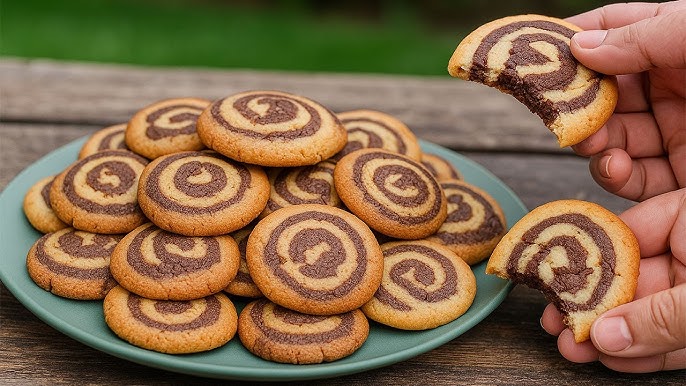
Vanilla Cookies Recipe: There’s something magical about the smell of vanilla cookies baking in the oven. It fills the kitchen with warmth, comfort, and a kind of nostalgia that’s hard to explain. Maybe it reminds you of childhood afternoons, holiday baking sessions, or simply the joy of biting into something soft, sweet, and perfectly golden. Vanilla cookies might sound simple, but don’t let that fool you. When done right, they’re anything but ordinary.
In this professional, step-by-step guide, you’ll learn exactly how to make bakery-style vanilla cookies from scratch. We’ll cover ingredients, techniques, common mistakes, storage tips, and even creative variations. By the end, you won’t just have a recipe—you’ll have mastery over one of the most beloved cookies in the world.
So, ready to bake cookies that taste like they came straight from a professional kitchen? Let’s get started.
Why Vanilla Cookies Are a Timeless Classic
Vanilla cookies have stood the test of time for one simple reason—they work for everyone. They’re not overly complicated. They don’t rely on heavy spices or rich fillings. Instead, they focus on balance. Butter, sugar, flour, eggs, and pure vanilla extract come together in harmony. It’s like a well-rehearsed orchestra: each ingredient plays its part, and none overpowers the others.
Think about it. When you want something comforting but not overwhelming, what do you reach for? A vanilla cookie fits the bill every time. It pairs beautifully with coffee, tea, or a cold glass of milk. It can be dressed up with frosting or enjoyed completely plain. It’s the little black dress of baked goods—simple, elegant, and always appropriate.
Another reason for their popularity is versatility. Vanilla cookies serve as a base for countless variations. Add chocolate chips, dip them in glaze, sandwich them with cream, or sprinkle sugar on top before baking. The possibilities are endless. And because the base flavor is neutral yet rich, it complements almost anything.
From home bakers to professional pastry chefs, vanilla cookies are a staple recipe. They’re often one of the first recipes beginners learn, yet even seasoned bakers continue to perfect them. That’s the beauty of simplicity—it leaves room for refinement.
At the heart of it all, vanilla cookies remind us that sometimes the simplest recipes are the most satisfying.
What Makes a Perfect Vanilla Cookie?
What separates an average cookie from a perfect one? Texture. Flavor balance. Appearance. And technique.
Let’s start with texture. Do you prefer your vanilla cookies soft and chewy? Or thin and crispy with golden edges? The perfect cookie depends on personal preference, but regardless of style, it should never be dry or bland. A well-balanced vanilla cookie is tender in the center, lightly crisp around the edges, and melts in your mouth with every bite.
Butter quality plays a massive role. Real, unsalted butter provides richness and depth. Cheap substitutes simply can’t compete. Then comes sugar—white sugar gives crispness, while brown sugar adds moisture and chewiness. The ratio between them can completely change your results.
And let’s talk about vanilla. Not all vanilla extracts are created equal. Pure vanilla extract delivers a warm, aromatic sweetness that artificial versions just can’t replicate. If you truly want professional results, this is where you don’t cut corners.
Technique matters just as much as ingredients. Overmixing can make cookies tough. Skipping dough chilling can cause spreading. Baking too long can dry them out. Precision is key.
Finally, presentation adds the finishing touch. Even spacing on the baking sheet, uniform dough balls, and a golden-brown finish create bakery-level appeal.
In short, the perfect vanilla cookie is a balance of science and art. And once you understand that balance, you can recreate it every single time.
Ingredients You’ll Need
The beauty of vanilla cookies lies in their simplicity. You don’t need fancy or hard-to-find ingredients. In fact, you likely already have most of them in your kitchen. But here’s the truth: even though the list is short, each ingredient plays a crucial role.
Here are the core ingredients:
- 2 ½ cups all-purpose flour
- 1 cup unsalted butter (room temperature)
- 1 cup granulated sugar
- ½ cup brown sugar
- 2 large eggs
- 2 teaspoons pure vanilla extract
- 1 teaspoon baking soda
- ½ teaspoon baking powder
- ½ teaspoon salt
Each of these ingredients contributes to the structure, flavor, and texture of the cookie. Flour provides stability. Butter adds richness. Sugar creates sweetness and helps with browning. Eggs bind everything together. Baking soda and baking powder create lift. Salt enhances flavor. And vanilla? That’s the soul of the recipe.
Optional ingredients can include white chocolate chips, sprinkles, almond extract, or a pinch of cinnamon. But for a classic vanilla cookie, simplicity is the goal.
Quality matters. Use real butter. Use pure vanilla extract. Fresh baking soda and baking powder ensure proper rise. Small upgrades make a big difference.
Think of these ingredients like building blocks. When measured correctly and combined properly, they create something greater than the sum of their parts—a perfectly balanced vanilla cookie.
Kitchen Tools and Equipment
Before diving into the mixing bowl, let’s talk tools. You don’t need a professional bakery setup to make perfect vanilla cookies, but having the right equipment makes the process smoother, cleaner, and more precise. Think of your tools as silent partners in the kitchen—they don’t take credit, but they make everything possible.
Here’s what you’ll need:
- Mixing bowls (at least two – one for wet ingredients, one for dry)
- Measuring cups and spoons
- Electric hand mixer or stand mixer
- Rubber spatula
- Baking sheets
- Parchment paper or silicone baking mat
- Cooling rack
A mixer is highly recommended. While you can cream butter and sugar by hand, an electric mixer ensures the proper incorporation of air, which directly impacts texture. That fluffy, light cookie crumb? It starts with well-creamed butter and sugar.
Parchment paper is another small but powerful upgrade. It prevents sticking, encourages even baking, and reduces cleanup. A cooling rack is equally important. If you leave cookies on the hot baking sheet too long, they continue cooking and may dry out. Transferring them to a rack allows air circulation and preserves that ideal texture.
Optional tools include a cookie scoop (for evenly sized cookies) and a kitchen scale (for precision). Uniform cookies bake evenly and look more professional—just like the ones you’d see in a bakery window.
Good tools don’t just make baking easier—they elevate your results. And when it comes to vanilla cookies, precision is everything.
Step-by-Step Guide to Making Vanilla Cookies
Now we get to the heart of this vanilla cookies recipe—the step-by-step method. Baking is both science and art. Follow these steps carefully, and you’ll get consistently perfect results.
Step 1: Preparing Your Ingredients
Start by gathering all your ingredients and bringing them to room temperature. Measure flour, sugar, butter, eggs, and vanilla extract accurately. Proper preparation ensures smooth mixing and consistent results.
Step 2: Mixing the Wet Ingredients
In a large bowl, cream the butter and sugar together until light and fluffy. This step incorporates air, which helps create tender cookies. Add the eggs one at a time, mixing well after each addition, then stir in the vanilla extract for classic flavor.
Step 3: Combining Dry Ingredients
In a separate bowl, whisk together flour, baking powder (or baking soda, depending on the recipe), and a pinch of salt. Mixing dry ingredients evenly prevents clumps and ensures the cookies rise uniformly.
Step 4: Creating the Perfect Dough
Gradually add the dry ingredients to the wet mixture, mixing just until combined. Avoid overmixing, as this can make the cookies tough. The dough should be soft, smooth, and slightly pliable.
Step 5: Chilling the Dough (Why It Matters)
Cover the dough and refrigerate for at least 30 minutes. Chilling firms up the butter, prevents excessive spreading, and enhances the vanilla flavor, resulting in thicker, better-shaped cookies.
Step 6: Shaping the Cookies
Scoop or roll the dough into evenly sized balls and place them on a lined baking sheet, leaving space between each cookie. Lightly flatten if desired for even baking.
Step 7: Baking to Golden Perfection
Bake in a preheated oven at 350°F (175°C) for 10–12 minutes, or until the edges are lightly golden while the centers remain soft. Avoid overbaking to keep the cookies tender.
Step 8: Cooling and Setting
Let the cookies cool on the baking sheet for a few minutes, then transfer to a wire rack to cool completely. This allows them to set properly while maintaining a soft, delicate texture.
Pro Tips for Soft and Chewy Vanilla Cookies
If you’re aiming for soft and chewy vanilla cookies—the kind that bend slightly in the middle and melt in your mouth—then a few strategic tweaks can make all the difference. Texture isn’t accidental; it’s engineered. And once you understand how each element affects the final result, you can control it like a pro.
First, focus on moisture. Brown sugar is your best friend here. It contains molasses, which adds moisture and chewiness. If you prefer softer cookies, slightly increase the brown sugar ratio while reducing white sugar just a bit. That small shift changes everything.
Second, don’t overbake. This is probably the number one mistake home bakers make. Cookies should look slightly underdone in the center when you remove them from the oven. They continue baking from residual heat on the tray. Pull them out when the edges are golden but the centers still look soft.
Another secret? Cornstarch. Adding just one teaspoon to your dry ingredients can create a softer, more tender crumb. It inhibits gluten development, resulting in that bakery-style softness.
Chilling the dough also enhances chewiness. It hydrates the flour more thoroughly and deepens the vanilla flavor. Longer chill time equals richer taste.
Finally, store cookies properly. Keep them in an airtight container with a slice of bread. Sounds strange? The bread releases moisture, keeping cookies soft for days.
Soft and chewy vanilla cookies aren’t luck—they’re science mixed with patience.
How to Make Crispy Vanilla Cookies
Maybe you’re on the other team. Maybe you love cookies with crisp edges and a satisfying snap. If that’s you, good news—you can easily adjust this vanilla cookies recipe for a crispier texture.
Start by increasing granulated sugar and slightly reducing brown sugar. White sugar promotes spreading and crispness. The more it caramelizes, the crunchier your cookies will be.
Next, flatten the dough balls before baking. Thinner cookies bake faster and lose more moisture, creating that crispy finish. You can gently press them down with the bottom of a glass.
Bake a little longer—but carefully. An extra 1–2 minutes can turn chewy cookies into crispy perfection. Watch for a deeper golden-brown color across the surface.
You can also reduce the flour slightly or add a tablespoon of milk to encourage spreading. More spread equals thinner cookies, which equals more crunch.
Cooling completely is crucial for crisp cookies. As they cool, moisture evaporates and structure firms up.
Want ultra-crisp edges? Bake one tray at a time in the center rack. Proper air circulation ensures even browning.
In the end, crispy vanilla cookies deliver a different experience—light, delicate, and perfect for dunking in coffee or tea.
Common Mistakes to Avoid
Even a simple vanilla cookie recipe can go wrong if certain steps are ignored. Let’s break down the most common mistakes—and how to avoid them.
1. Using melted butter instead of softened butter.
Melted butter causes excessive spreading and flat cookies. Softened butter creams properly with sugar and creates structure.
2. Overmixing the dough.
Once flour is added, mix just until combined. Overmixing develops gluten, leading to tough cookies instead of tender ones.
3. Skipping the chill time.
Chilled dough controls spreading and enhances flavor. Skipping this step often results in thin, uneven cookies.
4. Incorrect flour measurement.
Scooping flour directly from the bag packs it tightly, adding too much. Always spoon and level.
5. Overbaking.
Cookies harden as they cool. Remove them when slightly soft in the center.
6. Not preheating the oven.
An oven that isn’t fully heated can cause uneven baking and spreading.
Baking is about precision. Tiny missteps create noticeable differences. But once you understand these pitfalls, you’ll avoid them effortlessly.
Mistakes aren’t failures—they’re lessons. And each batch makes you a better baker.
Decorating Your Vanilla Cookies
Vanilla cookies are like blank canvases. Their neutral flavor makes them perfect for decorating, whether you’re baking for holidays, birthdays, or just for fun.
A simple glaze can elevate your cookies instantly. Mix powdered sugar with a splash of milk and a few drops of vanilla extract. Drizzle over cooled cookies for a glossy finish.
For festive occasions, royal icing works beautifully. It hardens smoothly, allowing detailed designs. Add food coloring to match any theme.
Sprinkles are the easiest upgrade. Roll dough balls in colorful sugar before baking for a sparkling top.
Want something more elegant? Dip half of each cookie in melted white or dark chocolate. Let it set on parchment paper for a professional touch.
You can also sandwich two cookies with buttercream or jam for a bakery-style treat.
Decorating isn’t just about looks—it adds layers of texture and flavor. A simple vanilla cookie becomes a celebration with just a few creative touches.
Storage and Shelf Life
You’ve baked the perfect batch. Now how do you keep them fresh?
Store vanilla cookies in an airtight container at room temperature. Properly stored, they last about 4–5 days.
Layer parchment paper between stacks to prevent sticking.
Avoid refrigerating baked cookies unless necessary. Refrigeration dries them out faster. Room temperature is ideal.
If cookies become slightly firm, microwave one for 8–10 seconds. That quick burst of heat restores softness.
For longer storage, freezing is your best option—but we’ll cover that next.
Good storage protects your hard work. After all, perfect cookies deserve proper care.
Freezing and Make-Ahead Tips
Vanilla cookies freeze beautifully, making them perfect for meal prep or holiday baking.
You can freeze the dough or the baked cookies.
To freeze dough:
- Scoop into balls.
- Place on a baking sheet.
- Freeze until solid.
- Transfer to a freezer-safe bag.
When ready to bake, add 1–2 extra minutes to the baking time. No need to thaw.
To freeze baked cookies:
- Cool completely.
- Store in airtight freezer bags.
- Freeze up to 3 months.
Thaw at room temperature for about 30 minutes before serving.
Having cookie dough ready in the freezer feels like having a secret weapon. Unexpected guests? Late-night cravings? You’re covered.
Nutritional Information
Here’s an approximate breakdown per cookie (based on 24 cookies):
| Nutrient | Amount |
|---|---|
| Calories | 180 kcal |
| Carbohydrates | 22g |
| Sugar | 14g |
| Fat | 9g |
| Protein | 2g |
| Sodium | 95mg |
Keep in mind that variations and add-ins will change these numbers.
Vanilla cookies are a treat—sweet, buttery, and indulgent. Enjoy them in moderation as part of a balanced lifestyle.
Vanilla Cookies Variations
Once you master the classic recipe, creativity takes over.
Try these variations:
- Vanilla Almond Cookies: Add ½ teaspoon almond extract.
- Vanilla Bean Cookies: Use real vanilla bean seeds.
- Lemon Vanilla Cookies: Add lemon zest for brightness.
- White Chocolate Vanilla Cookies: Fold in white chocolate chips.
- Cinnamon Vanilla Cookies: Add a pinch of cinnamon.
Each twist transforms the base recipe into something new without losing its comforting essence.
That’s the beauty of vanilla—it adapts effortlessly.
Serving Suggestions
Serve vanilla cookies warm with a glass of milk for classic comfort.
Pair them with:
- Coffee or espresso
- Hot chocolate
- Tea
- Ice cream (for cookie sandwiches)
They’re perfect for holiday trays, school lunches, or afternoon snacks.
Want to impress guests? Stack them neatly and tie with twine for a rustic presentation.
Sometimes, the simplest desserts create the strongest memories.
FAQs about Vanilla Cookies Recipe
1. Can I use salted butter instead of unsalted?
Yes, you can. If using salted butter, reduce the added salt in the recipe by about half to keep the flavor balanced and prevent the cookies from tasting overly salty.
2. Why did my cookies spread too much?
This usually happens when the dough isn’t chilled long enough or when the butter is too soft. Chilling the dough helps the cookies hold their shape while baking.
3. Can I make this recipe gluten-free?
Yes. You can replace the all-purpose flour with a 1:1 gluten-free baking blend. Choose one that contains xanthan gum for the best texture and structure.
4. How do I know when cookies are done?
The edges should be lightly golden while the centers still look slightly soft. Cookies continue to firm up as they cool, so avoid overbaking.
5. Can I double the recipe?
Absolutely. Just mix thoroughly to ensure even distribution of ingredients and bake in batches to maintain consistent baking results.
Conclusion
Vanilla cookies may seem simple, but when made with care and precision, they become extraordinary. From selecting high-quality ingredients to mastering baking time and texture, every step matters. Whether you prefer them soft and chewy or crisp and golden, this step-by-step guide gives you full control over the outcome.
Baking is more than mixing ingredients—it’s creating comfort, warmth, and joy in every bite. And with this professional vanilla cookies recipe, you’re not just baking cookies. You’re mastering a timeless classic.
Now preheat that oven and let the aroma of vanilla fill your kitchen.


