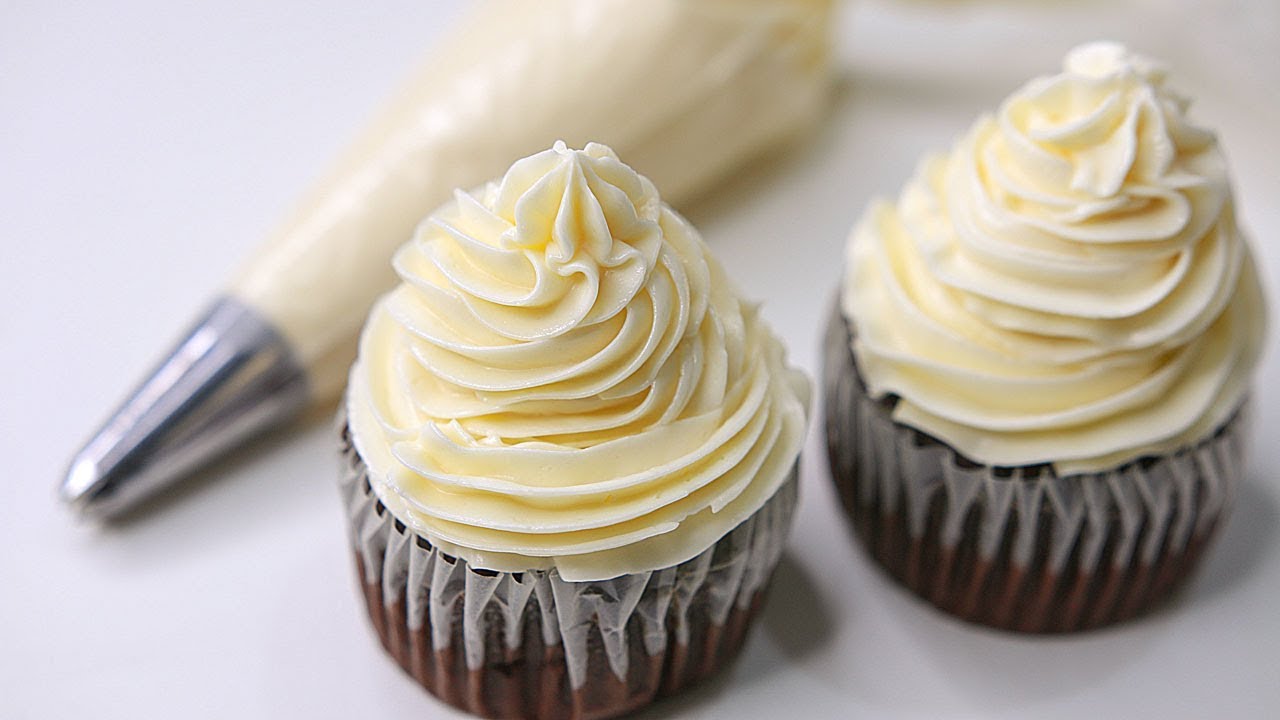
Vanilla Buttercream Recipe: Vanilla buttercream is the heart and soul of many classic desserts. It’s creamy, sweet, and carries a flavor that perfectly complements almost any cake, cupcake, or pastry. When you think of a birthday cake or a swirl of frosting on top of a cupcake, chances are, you’re picturing vanilla buttercream. This frosting is not only easy to make but also versatile enough to adapt with different flavors and colors.
Why Vanilla Buttercream is a Baking Essential
Buttercream is essential because it strikes a balance between taste and texture. Unlike heavy fondant, buttercream feels light, fluffy, and melt-in-your-mouth. It enhances a dessert without overpowering it. Bakers love it because it’s easy to spread, pipe, and even tint with food coloring for decorative purposes. Whether you’re a home baker or a professional pastry chef, knowing how to whip up vanilla buttercream is a must-have skill.
Common Uses of Vanilla Buttercream
This frosting has endless uses. It’s most commonly spread between cake layers, swirled on cupcakes, or used as a crumb coat to lock in moisture before final decoration. Beyond cakes, it can be piped onto cookies, sandwiched between macarons, or even used as a dip for fruits. Some bakers add a dollop of buttercream inside pastries to balance tart flavors. The adaptability of this frosting makes it a universal choice for bakers everywhere.
Ingredients You’ll Need
The secret to making the perfect vanilla buttercream lies in the quality of your ingredients. While the recipe is simple, using fresh, high-quality products will elevate your frosting from ordinary to bakery-level deliciousness.
Butter – The Foundation of Creaminess
The star ingredient is butter. Always use unsalted butter to control the salt level in your frosting. Room-temperature butter is crucial because it blends smoothly and creates that fluffy, creamy texture. If your butter is too cold, you’ll end up with lumps. Too warm, and the buttercream may become greasy.
Powdered Sugar – For Sweetness and Structure
Powdered sugar, also called confectioners’ sugar, provides sweetness and helps give buttercream its smooth texture. It also stabilizes the frosting, allowing it to hold shape when piped onto cakes or cupcakes. Always sift the powdered sugar before mixing to avoid clumps.
Vanilla Extract – The Flavor Star
Vanilla extract gives the frosting its iconic flavor. Pure vanilla extract offers a rich, aromatic taste, while imitation vanilla works if you’re on a budget. For a more luxurious twist, you can use vanilla bean paste, which gives beautiful black specks throughout the frosting.
Milk or Cream – For Perfect Consistency
Adding a splash of milk or heavy cream helps achieve the right consistency. Milk keeps the frosting light, while cream makes it richer and creamier. Adjust the amount depending on whether you want your buttercream thick for piping or softer for spreading.
Optional Ingredients – Variations and Twists
You can experiment with different flavors by adding cocoa powder, coffee, citrus zest, or food coloring. These additions allow you to create different variations of buttercream while keeping the same base recipe. A pinch of salt can also balance out the sweetness.
Essential Tools for Making Vanilla Buttercream
While the ingredients are simple, having the right tools can make the process smooth and enjoyable.
Mixing Bowls and Electric Mixer
You’ll need a large mixing bowl to combine your ingredients. An electric hand mixer or stand mixer with a paddle attachment is highly recommended, as it ensures thorough mixing and aeration.
Spatula and Measuring Cups
A rubber spatula is useful for scraping down the sides of the bowl to make sure everything is evenly mixed. Accurate measuring cups and spoons are essential for consistency in your recipe.
Piping Bags and Tips for Decoration
If you plan to decorate cakes or cupcakes, piping bags and tips are a must. They allow you to create swirls, rosettes, and other decorative designs with ease.
Step-by-Step Guide to Making Vanilla Buttercream
Now that we have our ingredients and tools ready, let’s walk through the process of making the perfect vanilla buttercream frosting.
Step 1 – Softening the Butter
Take your butter out of the fridge at least 30–45 minutes before you start. It should be soft enough to press with your finger but not melted. This step is key to achieving that smooth, creamy consistency.
Step 2 – Creaming the Butter to Perfection
Place the butter in your mixing bowl and beat it for 3–5 minutes until it’s pale, light, and fluffy. This step incorporates air into the butter, setting the foundation for a light buttercream.
Step 3 – Gradually Adding Powdered Sugar
Add powdered sugar one cup at a time while mixing on low speed. This prevents a sugar cloud from filling your kitchen. After each addition, scrape the bowl and mix until fully combined.
Step 4 – Mixing in Vanilla Extract
Once the sugar is fully incorporated, add your vanilla extract or vanilla bean paste. Mix it in well so the flavor is evenly distributed throughout the frosting.
Step 5 – Adjusting Consistency with Milk or Cream
Slowly add milk or cream, one tablespoon at a time, until you reach your desired consistency. For piping, keep it thick. For spreading, add a bit more liquid to soften it.
Step 6 – Whipping for Light and Fluffy Texture
Finally, whip the buttercream on medium-high speed for 3–5 minutes. This step makes it airy, light, and easy to work with. Your vanilla buttercream is now ready to use.
Tips for Perfect Vanilla Buttercream
Making vanilla buttercream might sound straightforward, but there are tricks that can take it from good to absolutely perfect. Every baker knows that buttercream can sometimes turn out too sweet, too dense, or even a little grainy. But with a few expert tips, you can avoid these common pitfalls and whip up frosting that rivals any bakery’s version.
How to Avoid Grainy Texture
A grainy buttercream is usually the result of powdered sugar not being properly sifted or incorporated. Always sift your sugar before adding it to the butter. Another mistake people make is using regular granulated sugar instead of powdered sugar—it just doesn’t dissolve the same way. If you’re still noticing grittiness, continue mixing for a few extra minutes on medium-high speed. The longer mixing time helps dissolve the sugar fully into the butter.
Balancing Sweetness and Flavor
Buttercream is naturally sweet, but sometimes it can feel overly sugary. To balance this, add a pinch of salt—it acts like magic in cutting through the sweetness while enhancing the vanilla flavor. Another tip is to use heavy cream instead of milk, which adds richness and softens the sugary edge. If you want a more intense vanilla taste, opt for vanilla bean paste or add a splash of almond extract for depth.
Fixing Common Mistakes
- Too runny: Add more powdered sugar, one tablespoon at a time, until the texture firms up.
- Too stiff: Add a small splash of milk or cream until you reach the right consistency.
- Buttercream curdled: If your buttercream looks split, don’t panic. Keep mixing on medium speed—it usually comes back together. If not, chill the bowl for 10 minutes and try again.
Variations of Vanilla Buttercream
The beauty of vanilla buttercream is its versatility. Once you master the classic version, you can experiment with different flavors and create unique frostings to match any dessert theme.
Chocolate Buttercream Twist
Transform your vanilla buttercream into chocolate buttercream by adding unsweetened cocoa powder. Start with half a cup of cocoa powder, sifted, and mix it in after the sugar has been fully incorporated. For an extra indulgent version, melt some chocolate and mix it in once cooled.
Lemon or Berry Infused Buttercream
For a fruity twist, add fresh lemon zest or a tablespoon of lemon juice for a zesty flavor. You can also substitute part of the milk or cream with pureed raspberries, strawberries, or blueberries. This not only adds flavor but also creates a beautiful natural color.
Coffee Flavored Buttercream
For a grown-up dessert, dissolve 1–2 teaspoons of instant coffee granules in a tablespoon of hot water and add it to your buttercream. The result is a rich, mocha-style frosting that pairs beautifully with chocolate or vanilla cakes.
Best Cakes and Desserts to Pair with Vanilla Buttercream
Vanilla buttercream is the ultimate partner for countless desserts. Its neutral yet indulgent flavor means it complements almost any baked good without stealing the spotlight.
Classic Layer Cakes
From birthday cakes to wedding cakes, vanilla buttercream is a staple choice. It spreads smoothly between cake layers and doubles as an outer coat for decorations. Pair it with chocolate sponge, red velvet, or classic vanilla cake for a timeless combination.
Cupcakes and Cookies
Cupcakes and cookies love a swirl of buttercream on top. A simple piping tip can turn an ordinary cupcake into a bakery-worthy treat. Buttercream also makes a great sandwich filling for cookies, like sugar cookies or whoopie pies.
Pastries and Specialty Desserts
Buttercream doesn’t just belong on cakes—it’s also perfect for éclairs, macarons, or as a filling in rolled cakes like a Swiss roll. Its versatility makes it a go-to for both simple family desserts and elegant patisserie creations.
Storing and Freezing Vanilla Buttercream
One of the best things about buttercream is that it stores well. You don’t have to use it all at once, which makes it incredibly convenient for bakers who like to plan ahead.
Short-Term Storage Tips
You can store buttercream in an airtight container at room temperature for up to two days. If your kitchen is particularly warm, it’s safer to refrigerate it. In the fridge, it stays fresh for up to one week. Just remember to bring it back to room temperature before using.
Freezing for Long-Term Use
Buttercream also freezes beautifully. Place it in a freezer-safe container or tightly sealed piping bag, and it will last up to three months. Thaw it in the refrigerator overnight, then bring it to room temperature before rewhipping to restore its fluffy texture.
How to Rewhip After Storage
After refrigeration or freezing, buttercream may seem dense or slightly separated. Simply beat it again with your mixer on medium-high speed for a few minutes, and it will return to its light, creamy consistency.
Nutritional Value of Vanilla Buttercream
While buttercream is undeniably delicious, it’s also indulgent. Knowing the nutritional breakdown can help you enjoy it in moderation without guilt.
Calories and Serving Size
A typical serving of vanilla buttercream (about two tablespoons) contains around 140–160 calories. Most of these calories come from fat and sugar, so portion control is key.
Sugar and Fat Content
Each serving has about 20 grams of sugar and 7–9 grams of fat, depending on whether you use milk or cream. Using less powdered sugar or substituting with alternatives can reduce the sugar content.
Healthier Alternatives
If you’re looking for a lighter option, try reducing the sugar and replacing part of the butter with Greek yogurt or cream cheese. Another option is to use coconut cream for a dairy-free version that’s still rich and creamy.
FAQs about Vanilla Buttercream Recipe
1. Can I use salted butter for vanilla buttercream?
Yes, but it’s best to use unsalted butter so you can control the salt level. If you only have salted butter, skip any additional salt in the recipe.
2. How do I make buttercream less sweet?
Reduce the powdered sugar slightly and add a pinch of salt or use heavy cream for a richer, less sugary taste.
3. Can I use vanilla bean instead of extract?
Absolutely! Vanilla bean or paste adds a stronger, more authentic vanilla flavor along with pretty specks throughout the frosting.
4. How long does buttercream last on a cake?
At room temperature, it lasts up to two days. Refrigerated cakes with buttercream can last 5–7 days, though they should be brought to room temperature before serving.
5. What’s the difference between buttercream and whipped cream frosting?
Buttercream is richer and sturdier, making it ideal for decorating. Whipped cream frosting is lighter, less sweet, and better for simple toppings.
Conclusion
Vanilla buttercream is a timeless classic in the world of baking. Its smooth, fluffy texture and rich flavor make it the perfect finishing touch for cakes, cupcakes, cookies, and pastries. With just a few simple ingredients, you can whip up a frosting that tastes as good as it looks. Whether you stick with the traditional recipe or experiment with fun variations, vanilla buttercream will always elevate your desserts to the next level. Remember to use quality ingredients, follow the step-by-step process, and don’t be afraid to get creative. Once you’ve mastered this recipe, you’ll never need store-bought frosting again.