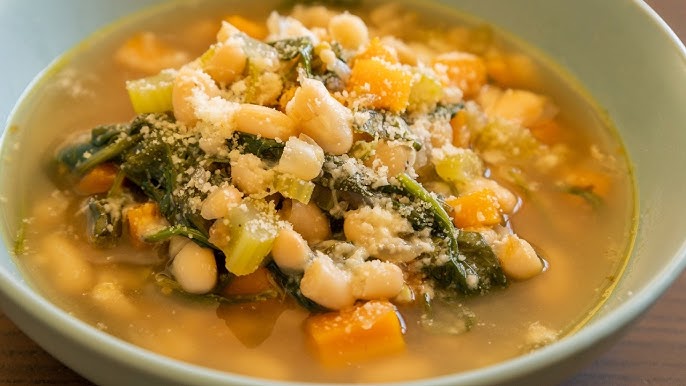
Tuscan Bean Soup Recipe: There’s something magical about a bowl of Tuscan Bean Soup. It’s simple. It’s rustic. And yet, it feels like a warm hug straight from the Italian countryside. If you’ve ever imagined sitting in a cozy kitchen in Tuscany, watching olive trees sway in the distance while a pot of soup gently simmers on the stove, this is exactly that kind of recipe.
Tuscan Bean Soup, also known as Zuppa di Fagioli, comes from the heart of Italian peasant cooking. In Tuscany, food is built around the idea of “cucina povera,” which means simple cooking using affordable, humble ingredients. No fancy tricks. No complicated steps. Just honest, nourishing food that feeds both body and soul.
And here’s the best part—you don’t need to be a professional chef to make it. With the right ingredients and a clear step-by-step guide, you’ll have a restaurant-quality Tuscan bean soup right in your own kitchen.
Ready to bring a taste of Tuscany home? Let’s dive in.
What Makes Tuscan Bean Soup Special?
At first glance, Tuscan Bean Soup might seem like “just another bean soup.” But once you taste it, you realize it’s something much more special. So what sets it apart?
First, it’s the simplicity. Tuscan cuisine doesn’t hide behind heavy sauces or excessive spices. Instead, it celebrates natural flavors. Every ingredient has a purpose. The beans provide creaminess. The vegetables add depth. The herbs bring fragrance. The olive oil ties everything together like a silky ribbon.
Second, it’s incredibly satisfying. Thanks to the high fiber and protein content of cannellini beans, this soup fills you up without making you feel weighed down. It’s hearty, but it doesn’t sit heavy in your stomach. Think of it as comfort food that actually loves you back.
Another reason it stands out? Versatility. You can keep it vegetarian, make it vegan, or add sausage for a richer twist. You can blend it smooth or keep it chunky and rustic. It adapts to your taste and pantry.
Finally, there’s the texture. Unlike thin broths, Tuscan Bean Soup often has a creamy consistency created naturally by blending some of the beans. No heavy cream required. Just pure, wholesome goodness.
In short, Tuscan Bean Soup is special because it proves that less really can be more. A handful of simple ingredients, treated with care, can create something extraordinary.
Health Benefits of Tuscan Bean Soup
Let’s talk about why this soup isn’t just delicious—but also incredibly good for you.
Cannellini beans are nutritional powerhouses. They’re packed with plant-based protein, making this soup a fantastic option for vegetarians and anyone trying to reduce meat consumption. One serving provides a generous dose of protein that keeps you satisfied for hours.
Then there’s fiber. Beans are loaded with dietary fiber, which supports digestion, stabilizes blood sugar levels, and promotes heart health. If you’re looking for a meal that keeps cravings at bay, this is it.
Here’s a quick breakdown of the nutritional benefits:
| Nutrient | Benefit |
|---|---|
| Protein | Supports muscle repair and satiety |
| Fiber | Aids digestion and heart health |
| Iron | Boosts energy levels |
| Magnesium | Supports nerve and muscle function |
| Potassium | Helps regulate blood pressure |
The vegetables—carrots, celery, onions, and tomatoes—add vitamins and antioxidants. Olive oil, a cornerstone of the Mediterranean diet, provides healthy monounsaturated fats that are known to support cardiovascular health.
And because Tuscan Bean Soup relies on natural ingredients rather than processed additives, it’s low in unhealthy fats and preservatives.
It’s rare to find a comfort dish that feels indulgent yet aligns perfectly with a balanced diet. Tuscan Bean Soup does exactly that. It’s proof that healthy food doesn’t have to be boring or bland—it can be deeply satisfying and full of flavor.
Essential Ingredients You’ll Need
Before we jump into the cooking process, let’s gather everything you’ll need. The beauty of Tuscan Bean Soup lies in its simple ingredient list. No complicated items. No hard-to-find specialty products. Just wholesome pantry staples.
Here’s your complete ingredient list:
Core Ingredients
- 2 cups dried cannellini beans (or 3 cans, drained and rinsed)
- 2 tablespoons extra virgin olive oil
- 1 medium yellow onion, finely chopped
- 2 carrots, diced
- 2 celery stalks, diced
- 4 cloves garlic, minced
- 1 can (14 oz) crushed tomatoes
- 6 cups vegetable broth (or chicken broth)
- 1 teaspoon dried thyme
- 1 sprig fresh rosemary
- 1 bay leaf
- Salt and freshly ground black pepper to taste
Optional Additions
- 1 cup chopped kale or spinach
- Red pepper flakes for heat
- Parmesan cheese for garnish
- Fresh parsley for serving
- Crusty Italian bread
Every ingredient plays a role. The onion, carrots, and celery create the classic Italian soffritto base. Garlic brings warmth. Tomatoes add subtle acidity. Herbs infuse fragrance. And olive oil? It’s the golden thread that pulls everything together.
When possible, use high-quality extra virgin olive oil and fresh herbs. Small upgrades make a noticeable difference.
With your ingredients ready, it’s time to bring this soup to life.
Choosing the Best Beans
Beans are the heart of this recipe—so choosing the right ones matters.
Cannellini beans are the traditional choice for Tuscan Bean Soup. These white kidney beans have a creamy texture and mild, nutty flavor that blends beautifully into soups. When cooked, they become soft and velvety, making them perfect for creating that signature creamy consistency.
You have two options: dried or canned.
Dried Beans
- More authentic
- Better texture
- Budget-friendly
- Require soaking (8–12 hours)
Canned Beans
- Convenient
- Time-saving
- Still delicious
- Ready to use immediately
If you’re using dried beans, soak them overnight in plenty of water. This shortens cooking time and improves digestibility. After soaking, drain and rinse before cooking.
If you’re short on time, canned beans work perfectly fine. Just make sure to rinse them thoroughly to remove excess sodium.
Pro tip: No matter which type you choose, reserve a small portion of beans to blend later. This trick naturally thickens the soup without cream or flour.
The right beans can turn a good soup into a truly unforgettable one. Choose wisely, and you’re already halfway there.
Fresh Vegetables That Elevate Flavor
If beans are the heart of Tuscan Bean Soup, vegetables are the soul. They’re not just fillers tossed in for color—they build depth, sweetness, and balance in every spoonful. Think of them as the supporting cast that makes the lead shine even brighter.
The foundation begins with the classic Italian soffritto: onions, carrots, and celery. This trio might seem ordinary, but when sautéed slowly in olive oil, something magical happens. The onions turn sweet and translucent. The carrots release their natural sugars. The celery adds a subtle earthy note. Together, they create a flavor base that feels warm and inviting.
Garlic is the next key player. Four cloves might sound like a lot, but remember—this is rustic Tuscan cooking. Garlic shouldn’t overpower the soup; it should melt into it, adding gentle warmth and aroma.
Tomatoes bring brightness. Crushed tomatoes add slight acidity that balances the creaminess of the beans. Without them, the soup can feel flat. With them? It tastes alive.
Leafy greens like kale or spinach are optional but highly recommended. Kale adds texture and a mild bitterness that cuts through richness, while spinach provides a softer, more delicate touch. Add them toward the end of cooking so they stay vibrant.
Here’s a quick look at the vegetable roles:
- Onion: Sweetness and depth
- Carrots: Natural sugar and color
- Celery: Earthy undertones
- Garlic: Aroma and warmth
- Tomatoes: Acidity and balance
- Kale/Spinach: Freshness and texture
Fresh vegetables make the difference between a basic soup and one that tastes like it simmered all afternoon in a Tuscan farmhouse kitchen.
Herbs and Seasonings for Authentic Taste
Herbs are where Tuscan Bean Soup truly comes alive. Without them, you’d have a decent bean stew. With them? You have Italy in a bowl.
Rosemary is the signature herb here. Its pine-like aroma adds rustic character. Just one fresh sprig can transform the entire pot. But be careful—rosemary is powerful. Let it infuse gently, then remove the stem before serving.
Thyme adds a subtle earthiness that blends seamlessly with the beans. It doesn’t demand attention; it quietly enhances everything else.
Bay leaves bring background complexity. You might not taste them directly, but you’ll notice if they’re missing. They deepen the broth in a way that feels almost mysterious.
And then there’s salt and pepper. Simple, yes—but essential. Season gradually. Taste as you go. Beans absorb salt, so final seasoning should happen toward the end of cooking.
Let’s not forget the finishing touch: high-quality extra virgin olive oil. A drizzle over the top before serving adds richness and a glossy finish. It’s like adding the final brushstroke to a painting.
Optional seasonings include:
- Red pepper flakes for gentle heat
- Fresh parsley for brightness
- Grated Parmesan for savory depth
The beauty of Tuscan cooking is restraint. You’re not overwhelming the soup with spices. You’re layering subtle flavors that build slowly, like a symphony reaching its crescendo.
Kitchen Tools You’ll Need
You don’t need a professional kitchen to make restaurant-quality Tuscan Bean Soup. In fact, part of its charm is how simple the equipment list is.
Here’s what you’ll need:
- Large soup pot or Dutch oven – Heavy-bottomed cookware distributes heat evenly and prevents burning.
- Sharp chef’s knife – For precise vegetable chopping.
- Cutting board – Preferably wooden for stability.
- Wooden spoon – Ideal for stirring without scratching cookware.
- Ladle – For easy serving.
- Blender or immersion blender (optional) – To partially blend the soup for a creamy texture.
A Dutch oven is especially helpful because it retains heat beautifully, allowing the soup to simmer gently without scorching. If you don’t have one, any sturdy pot will do.
An immersion blender makes thickening easier, but if you don’t own one, simply transfer a portion of the soup to a regular blender. Even mashing some beans with a spoon works in a pinch.
Remember, Tuscan cooking is about simplicity. It’s less about fancy gadgets and more about patience and good ingredients.
Step-by-Step Guide to Making Tuscan Bean Soup
Now, let’s bring everything together. Follow these steps carefully, and you’ll have a rich, flavorful Tuscan Bean Soup ready to serve.
Step 1: Prepare the Beans
If using dried beans, soak them overnight. Drain and rinse. Cook in fresh water for about 60–90 minutes until tender. If using canned beans, simply drain and rinse thoroughly.
Step 2: Build the Flavor Base
Heat olive oil in a large pot over medium heat. Add chopped onion, carrots, and celery. Sauté for 8–10 minutes until softened and fragrant. Add garlic and cook for another minute.
Step 3: Add Tomatoes and Herbs
Stir in crushed tomatoes, thyme, rosemary, and bay leaf. Let everything cook together for about 5 minutes to deepen the flavors.
Step 4: Add Beans and Broth
Add the cooked beans and vegetable broth. Bring to a gentle boil, then reduce heat to low. Let the soup simmer for 25–30 minutes.
Step 5: Thicken the Soup
Remove about 1–2 cups of beans and blend until smooth. Stir back into the pot. This creates a creamy texture without cream.
Step 6: Add Greens
If using kale or spinach, stir it in during the final 5 minutes of cooking.
Step 7: Final Seasoning
Remove rosemary stem and bay leaf. Season with salt and pepper to taste. Drizzle with olive oil before serving.
The result? A hearty, rustic soup that tastes like it’s been simmering all day—even if it hasn’t.
How to Thicken Tuscan Bean Soup
One of the defining features of authentic Tuscan Bean Soup is its slightly creamy texture. But here’s the secret: there’s no cream involved.
The most traditional method is blending part of the beans. Once the soup has simmered, scoop out a cup or two of beans with some broth. Blend until smooth and stir it back in. Instantly, the soup becomes richer and thicker.
Another method? Mash some beans directly in the pot with a spoon or potato masher. It’s rustic, quick, and keeps a chunky texture.
If you prefer a heartier consistency, you can also:
- Add diced potatoes during simmering
- Simmer uncovered longer to reduce liquid
- Use less broth initially
Avoid flour or cornstarch. They can make the soup gluey and mask the natural flavors.
The goal is creamy—not heavy. Think velvety rather than thick like stew.
Variations of Tuscan Bean Soup
The beauty of this soup is flexibility. Once you master the base recipe, you can make it your own.
Vegetarian Version
Stick with vegetable broth and load up on vegetables. Add zucchini or bell peppers for variety.
Vegan Option
Skip Parmesan garnish and ensure broth is plant-based. The soup is naturally vegan otherwise.
With Sausage
Brown Italian sausage before adding vegetables. It adds richness and a savory punch.
With Chicken
Add shredded cooked chicken for extra protein.
Spicy Twist
Add red pepper flakes or diced chili for heat.
Each variation keeps the heart of the dish intact while offering a new personality. It’s like dressing the same classic outfit with different accessories.
Serving Suggestions
Tuscan Bean Soup shines brightest when paired thoughtfully.
Serve it with:
- Crusty Italian bread
- Garlic toast
- Bruschetta
- Simple green salad
For garnish, try:
- Fresh parsley
- Grated Parmesan
- Extra olive oil drizzle
- Cracked black pepper
As for drinks? A glass of Chianti or a light white wine pairs beautifully.
Presentation matters too. Serve in wide bowls to show off the vibrant colors. Add a final swirl of olive oil for that restaurant-quality finish.
Storage and Reheating Tips
One of the best things about Tuscan Bean Soup? It tastes even better the next day.
Refrigeration
Store in an airtight container for up to 4 days.
Freezing
Freeze for up to 3 months. Leave space in the container for expansion.
Reheating
Reheat gently on the stove over low heat. Add a splash of broth or water if it thickens too much.
Avoid microwaving on high—it can dry out the beans.
Common Mistakes to Avoid
Even simple recipes have pitfalls. Here’s what to watch out for:
- Skipping the soffritto step
- Overcooking beans until mushy
- Under-seasoning
- Using low-quality olive oil
- Forgetting to remove bay leaf
Small details make a big difference.
Pro Tips for Restaurant-Quality Flavor
Want to take your soup to the next level?
- Use homemade broth
- Simmer longer for deeper flavor
- Finish with lemon zest for brightness
- Let the soup rest 10 minutes before serving
Cooking is about patience. Let flavors marry before serving.
FAQs about Tuscan Bean Soup Recipe
1. Can I make Tuscan Bean Soup in a slow cooker?
Yes. For best flavor, sauté the vegetables first, then transfer everything to the slow cooker. Cook on low for 6–8 hours to allow the beans and herbs to fully develop their rich, comforting taste.
2. Can I use other beans instead of cannellini?
Absolutely. Great northern beans or navy beans are excellent substitutes. While the flavor and texture may vary slightly, they still produce a hearty and satisfying soup.
3. Is Tuscan Bean Soup gluten-free?
Yes, Tuscan Bean Soup is naturally gluten-free. Just be sure to use a certified gluten-free broth, as some store-bought broths may contain hidden gluten.
4. How can I make it creamier without blending?
You can mash a portion of the beans directly in the pot using a spoon or potato masher. This thickens the soup naturally while keeping a rustic, chunky texture.
5. Can I add pasta to this soup?
Yes. Small pasta shapes like ditalini, orzo, or small shells work well. Add them during the last 10–12 minutes of cooking so they don’t become overcooked.
Conclusion
Tuscan Bean Soup isn’t just a recipe—it’s a celebration of simple ingredients coming together in perfect harmony. Creamy beans, aromatic herbs, fresh vegetables, and rich olive oil create a comforting dish that feels both humble and luxurious.
Whether you’re cooking for family, meal prepping for the week, or simply craving something warm and nourishing, this step-by-step Tuscan Bean Soup recipe delivers every single time.
Bring Tuscany into your kitchen. One bowl at a time.


