Turtle Soup Recipe: Turtle soup is one of those old-world dishes that instantly sparks curiosity. Some people hear the name and think of historic banquets and royal tables. Others imagine a deeply rich, slow-simmered broth packed with complex flavors. The truth? It’s both. Turtle soup has long been considered a delicacy in various parts of the world, especially in Southern American cuisine, Caribbean cooking, and certain European traditions.
You might be wondering: is it complicated? Not necessarily. Like any classic dish, it requires patience more than complexity. With the right ingredients, proper preparation, and a structured approach, you can create a professional-quality turtle soup in your own kitchen.
In this comprehensive guide, you’ll learn everything—from selecting ingredients to mastering the slow simmer. Let’s start with understanding where this iconic dish comes from and why it continues to hold its place in culinary history.
A Brief History of Turtle Soup
Turtle soup dates back centuries and was once considered a symbol of luxury and refinement. In 18th-century England, it was a centerpiece at elaborate feasts. Wealthy hosts served it as a status dish, showcasing both affluence and culinary sophistication. The popularity soon crossed the Atlantic, becoming a staple in American coastal regions, particularly in Louisiana and the Southern United States.
In Creole cuisine, turtle soup evolved into something uniquely flavorful. Local spices, sherry, and regional cooking techniques transformed it from a European aristocratic dish into a Southern classic. Over time, it became a hallmark of fine dining establishments in New Orleans.
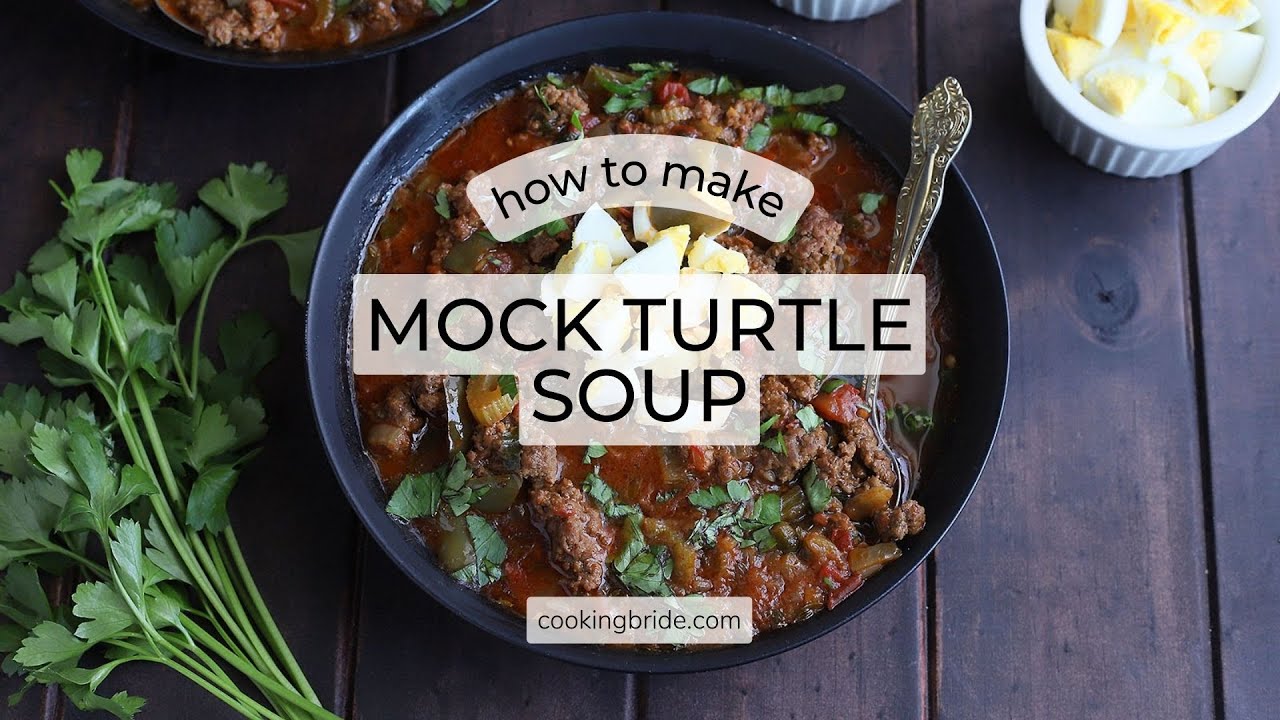
Interestingly, mock turtle soup also emerged when real turtle meat became scarce or expensive. Calf’s head was used as a substitute to mimic texture and flavor. While that variation remains popular, authentic turtle soup retains a distinctive depth that enthusiasts appreciate.
Today, turtle soup is less common but still cherished. It’s often associated with heritage cooking—recipes passed down through generations. Cooking it feels almost ceremonial, connecting you to culinary traditions that span continents and centuries.
Why Turtle Soup Remains a Culinary Classic
So why does turtle soup still matter? In an age of fast food and instant meals, this dish stands as a reminder of slow cooking done right. It represents patience, craftsmanship, and respect for ingredients.
The flavor profile is uniquely layered. Turtle meat offers a combination of textures—some cuts are tender, others slightly firm—creating a dynamic eating experience. When simmered with aromatics, herbs, and a rich broth, it develops a savory complexity that’s hard to replicate.
Another reason for its lasting appeal is versatility. You can adjust spices, add a splash of sherry, incorporate regional influences, or keep it traditional. It adapts while maintaining its essence.
For culinary enthusiasts, turtle soup isn’t just a recipe—it’s a project. It challenges your skills, rewards your patience, and delivers a dish that feels earned. And honestly, there’s something deeply satisfying about serving a bowl of soup that carries centuries of history in every spoonful.
Now that you understand its legacy, let’s dive into the essential components that make this dish truly exceptional.
Ingredients You’ll Need for Authentic Turtle Soup
Let’s get practical. Here’s what you’ll need to create a traditional, professional-style turtle soup.
Main Ingredients
- 2–3 pounds turtle meat (cleaned and cut into chunks)
- 2 tablespoons vegetable oil or butter
- 1 large onion (finely chopped)
- 1 green bell pepper (chopped)
- 2 celery stalks (chopped)
- 3 garlic cloves (minced)
- 6 cups beef or chicken stock
- 1 cup crushed tomatoes
- 2 tablespoons flour
- 2 hard-boiled eggs (finely chopped, optional but traditional)
- 2 tablespoons Worcestershire sauce
- 1 tablespoon lemon juice
- ¼ cup dry sherry (optional but highly recommended)
Herbs and Spices for Depth of Flavor
- 2 bay leaves
- 1 teaspoon dried thyme
- 1 teaspoon paprika
- ½ teaspoon cayenne pepper
- Salt and black pepper to taste
- Fresh parsley for garnish
Optional Additions for Extra Richness
- A splash of hot sauce
- A small knob of butter at the end
- Fresh thyme sprigs
- Chopped green onions
These ingredients work together like instruments in an orchestra. Remove one, and the harmony shifts. Keep them balanced, and you get a rich, savory masterpiece.
Step-by-Step Guide to Cooking Turtle Soup
Now comes the exciting part—actually cooking the soup.
Step 1 – Preparing the Base
Start by heating oil or butter in a heavy-bottomed pot over medium heat. Add the chopped onions, bell pepper, and celery. This trio—often called the “holy trinity” in Southern cooking—is your flavor foundation.
Sauté until softened and aromatic, about 5–7 minutes. Add minced garlic and cook for another minute. Don’t rush this step. You’re building depth here.
Step 2 – Browning the Meat
Add the turtle meat to the pot and brown it on all sides. This step locks in flavor and creates those caramelized bits at the bottom of the pan. Those bits? Pure gold. They dissolve into the broth later, intensifying the taste.
Cook for about 8–10 minutes, stirring occasionally.
Step 3 – Building the Flavorful Broth
Sprinkle flour over the mixture and stir well. This creates a light roux that thickens the soup. Slowly pour in the stock while stirring continuously to avoid lumps.
Add crushed tomatoes, bay leaves, thyme, paprika, cayenne, Worcestershire sauce, salt, and pepper.
Bring to a gentle boil.
Step 4 – Slow Simmering for Tenderness
Reduce heat to low, cover, and let the soup simmer for 1.5 to 2 hours. This is where the magic happens. The meat becomes tender, and the flavors meld together beautifully.
Stir occasionally and adjust seasoning as needed.
Step 5 – Thickening the Soup
If the soup isn’t thick enough, allow it to simmer uncovered for an additional 15–20 minutes. Traditional turtle soup should be hearty, not watery.
Step 6 – Final Seasoning and Garnishing
Remove bay leaves. Stir in lemon juice and sherry. Add chopped hard-boiled eggs if using.
Garnish with fresh parsley and serve hot.
The aroma alone will tell you—you’ve created something special.
Essential Kitchen Tools for Preparing Turtle Soup
Before you even turn on the stove, let’s talk tools. Cooking turtle soup isn’t complicated, but it does demand the right equipment. Think of it like building a house—you wouldn’t start without a solid hammer and level, right? The same principle applies here. Having proper kitchen tools ensures better control over flavor, texture, and consistency.
First and most important is a heavy-bottomed stockpot or Dutch oven. Turtle soup requires long, slow simmering, and a thin pot can cause uneven heat distribution or scorching at the bottom. A thick, sturdy pot maintains steady heat and allows flavors to develop gradually without burning.
You’ll also need a sharp chef’s knife. Turtle meat can be firm, so precision cutting is essential. A dull knife makes preparation frustrating and unsafe. Pair that knife with a large, stable cutting board—preferably one that won’t slide around.
A wooden spoon is ideal for stirring. It’s gentle on cookware and helps scrape up those flavorful browned bits from the bottom of the pot. Additionally, keep a ladle nearby for tasting and serving.
Other helpful tools include:
- Measuring cups and spoons for accurate seasoning
- A fine mesh strainer (if you prefer a smoother broth)
- Tongs for turning meat while browning
- A small whisk for blending flour into the broth evenly
Professional kitchens rely on preparation efficiency, and so should you. Having everything within arm’s reach reduces stress and keeps the process enjoyable. When you’re cooking something as traditional and meaningful as turtle soup, the last thing you want is scrambling for equipment mid-recipe. Preparation builds confidence—and confidence builds better food.
Preparing the Turtle Meat Properly
Proper preparation is where many home cooks either succeed or struggle. Turtle meat isn’t like tossing chicken straight into a pan. It needs attention. Respect the ingredient, and it rewards you with incredible depth of flavor.
Fresh turtle meat should be cleaned thoroughly and trimmed of excess fat or connective tissue. Rinse it under cold water and pat dry with paper towels. Dry meat browns better—this is crucial. Moisture creates steam, and steam prevents that beautiful caramelization you’re aiming for.
Cut the meat into evenly sized chunks. Uniform pieces cook evenly, ensuring you don’t end up with some bites tender and others tough. Remember, consistency is everything in a professional dish.
Marinating isn’t mandatory, but some chefs lightly season the meat with salt, pepper, and a touch of Worcestershire sauce about 30 minutes before cooking. This helps build flavor from the inside out.
If the meat is particularly firm, a brief parboiling step—about 10–15 minutes—can help tenderize it before adding it to the soup base. Drain and rinse before proceeding with browning.
Handling turtle meat properly sets the stage for a refined, restaurant-quality soup. It’s not about complexity—it’s about intention. Small preparation steps make a massive difference in the final result.
Professional Chef Tips for Perfect Turtle Soup
Want your turtle soup to taste like it came straight from a fine dining kitchen? It’s all about technique and layering.
First tip: build flavor in stages. Don’t dump everything into the pot at once. Sauté aromatics fully. Brown the meat thoroughly. Toast the flour slightly before adding liquid. Each step intensifies the overall profile.
Second: low and slow wins the race. High heat might seem faster, but it toughens meat and flattens flavor. Gentle simmering allows connective tissues to break down gradually, resulting in tender texture and a silky broth.
Third: balance acidity carefully. Lemon juice and sherry brighten the soup, but they should enhance—not overpower. Add them toward the end and taste as you go.
Fourth: skim excess fat during simmering if needed. A light sheen is good. Greasy isn’t. A spoon works perfectly for this.
Another insider tip? Let the soup rest. Turtle soup often tastes even better the next day. Flavors deepen overnight, creating a richer experience when reheated.
Finally, taste constantly. Professional chefs don’t rely solely on measurements—they rely on their palate. Adjust salt, spice, and acidity gradually until everything feels balanced.
Cooking turtle soup isn’t about rushing to the finish line. It’s about enjoying the craft. When you treat it like an art form instead of just another recipe, the results show in every spoonful.
Common Mistakes to Avoid
Even experienced cooks can slip up. Turtle soup has a few pitfalls worth noting.
One common mistake is overcooking at high heat. Boiling aggressively may seem efficient, but it toughens meat and clouds the broth. Keep it at a gentle simmer.
Another issue is under-seasoning. Because turtle soup has a rich base, it needs proper seasoning to shine. Taste repeatedly and adjust gradually.
Skipping the browning step is another big error. Browning creates those deep, savory notes that define the dish. Without it, the soup can taste flat.
Some cooks also add thickening agents too quickly. Flour needs time to cook out its raw flavor. Stir it thoroughly into the base before adding stock.
Lastly, rushing the process. Turtle soup isn’t fast food. It’s a slow-building symphony. Cutting cooking time short often results in chewy meat and shallow flavor.
Avoid these mistakes, and you’re already ahead of the curve.
Serving Suggestions and Pairings
Presentation matters. Turtle soup deserves thoughtful serving.
Traditionally, it’s served hot in deep bowls with a sprinkle of fresh parsley and sometimes a slice of lemon on the side. A drizzle of sherry just before serving adds a refined touch.
Pair it with:
- Crusty French bread
- Buttery dinner rolls
- Steamed white rice (Southern style)
- A light green salad with vinaigrette
For beverages, dry white wine or a light red complements the richness beautifully.
Serve it as a starter for a formal dinner or as the main attraction for a cozy gathering. Either way, turtle soup commands attention.
Storage and Reheating Tips
One of the best things about turtle soup? It stores beautifully.
Allow it to cool completely before transferring to airtight containers. Refrigerate for up to 3 days. For longer storage, freeze for up to 3 months.
When reheating, use low heat on the stovetop. Avoid microwaving if possible, as uneven heating can affect texture. Add a splash of stock or water if the soup has thickened too much.
Like many slow-cooked dishes, turtle soup often tastes even better the next day.
Nutritional Benefits of Turtle Soup
Turtle meat is protein-rich and contains essential minerals like iron and zinc. The soup itself, filled with vegetables and herbs, offers additional nutrients.
Because it’s broth-based, it can be surprisingly balanced when prepared properly. However, portion control matters, especially if butter and flour are used generously.
When enjoyed occasionally as part of a varied diet, turtle soup can be both flavorful and nourishing.
Regional Variations of Turtle Soup
Different regions add their own twist.
In Louisiana, Creole-style turtle soup includes tomatoes, sherry, and sometimes chopped eggs. Caribbean versions may incorporate spicier peppers and local herbs.
Some traditional European versions lean toward darker, thicker broths with stronger wine notes.
Each variation reflects cultural identity. The base remains similar, but spices and techniques create unique personalities.
FAQs about Turtle Soup Recipe
1. Can I substitute turtle meat with something else?
Yes. Many cooks prepare a “mock turtle soup” using beef or veal as a substitute. While the texture and flavor won’t be identical to authentic turtle meat, these alternatives still produce a rich, hearty soup.
2. How long should turtle soup simmer?
Turtle soup should simmer gently for about 1½ to 2 hours. This slow cooking time allows the meat to become tender and helps the flavors fully develop without becoming harsh or muddy.
3. Is sherry necessary in turtle soup?
Sherry is a traditional ingredient and adds depth and warmth to the soup. However, it’s optional. If you prefer not to use alcohol, you can leave it out or substitute with a small splash of broth or apple juice for balance.
4. Can turtle soup be frozen?
Yes, turtle soup freezes very well. Allow it to cool completely, then store it in airtight containers. Properly frozen, it can last up to three months without significant loss of flavor or texture.
5. What does turtle meat taste like?
Turtle meat is often described as a blend of chicken, pork, and fish. It has a rich, savory flavor and a firm yet tender texture, making it unique compared to more common proteins.
Conclusion
Turtle soup isn’t just a recipe—it’s a culinary journey. From careful preparation and slow simmering to thoughtful seasoning and presentation, every step matters. When done correctly, the result is rich, complex, and deeply satisfying. It connects tradition with technique and patience with reward. Take your time, trust the process, and you’ll create a bowl of soup that feels both historic and unforgettable.