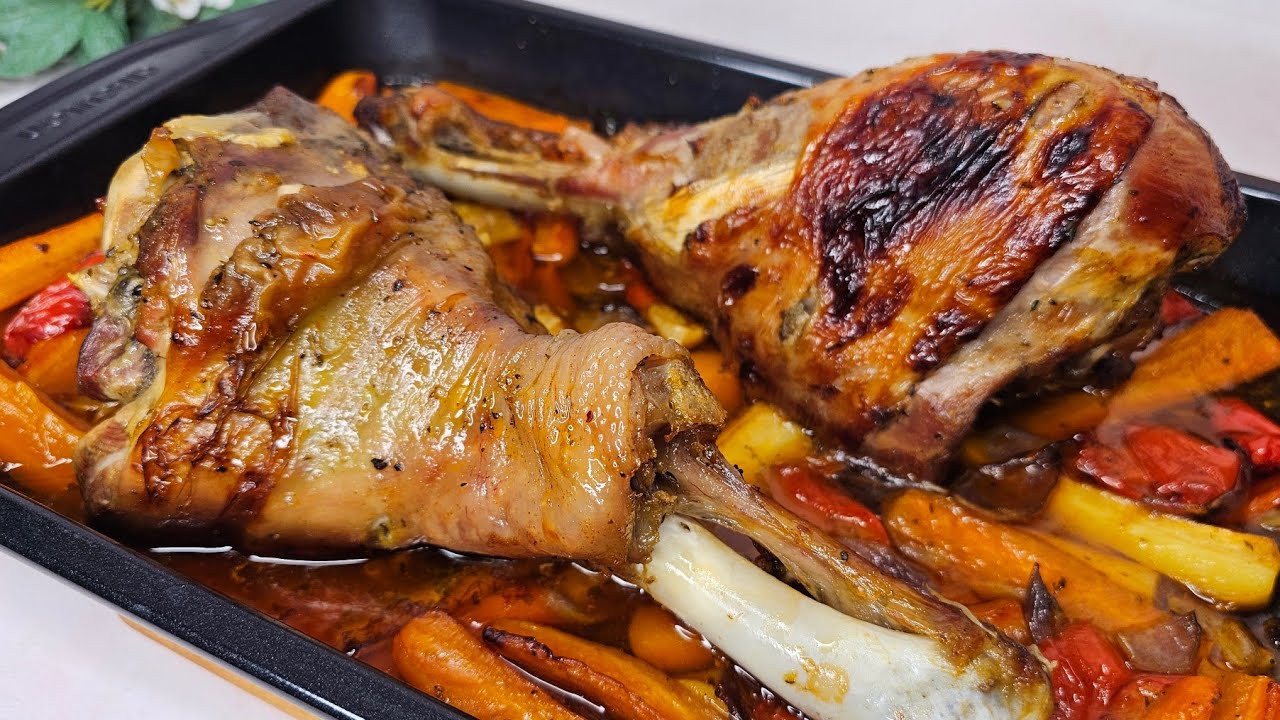
Turkey Legs Recipe: Turkey legs aren’t just for theme parks and Thanksgiving anymore. These juicy, flavorful cuts of meat are perfect for anyone who wants to enjoy the rich taste of turkey without cooking an entire bird. The dark meat in turkey legs is naturally more moist and flavorful than breast meat, which makes it ideal for baking, grilling, or smoking. Plus, there’s just something primal and satisfying about holding a giant turkey leg in your hand—it’s like stepping into a medieval feast or your favorite Renaissance fair.
If you’ve only had turkey legs at amusement parks or fairs, you’re in for a treat. Cooking them at home opens up a world of flavor and texture that store-bought versions just can’t beat. Whether you’re prepping a hearty weeknight dinner, planning a backyard BBQ, or looking to impress guests at a holiday gathering, this turkey legs recipe will hit the spot.
When to Make This Recipe
You might think turkey is just for Thanksgiving—but turkey legs are great all year round. They make a fantastic protein option for BBQs, potlucks, Sunday dinners, or even a special weekend meal. You can flavor them sweet, spicy, smoky, or savory, depending on your mood and menu.
Need a fun twist for your next cookout? Grilled turkey legs will blow burgers out of the water. Want something comforting in winter? Oven-roasted turkey legs with crispy skin are cozy and crave-worthy. Basically, if you’re looking for a filling, satisfying meal—turkey legs are it.
Benefits of Cooking Turkey Legs at Home
Making turkey legs at home has so many advantages that you might never go back to the fair again. First off, it’s way healthier—you get to control the ingredients, skip the preservatives, and adjust the seasoning to your dietary needs. No more mystery meat with overly salty sauces.
It’s also easier on the wallet. Buying a pack of turkey legs from the store costs a fraction of what you’d pay at an amusement park. And they go a long way—you can feed a family on a budget and still have leftovers for days.
Flavor is another major win. You can infuse the turkey legs with whatever profile you like—garlic-herb, BBQ-spiced, Cajun-style, honey mustard—the options are endless. And since dark meat is forgiving, it stays juicy even if you cook it a little longer than intended.
Ingredients You’ll Need
Let’s get down to what really matters: the ingredients. Here’s your must-have list:
Main Ingredients:
- 4 large turkey legs (drumsticks)
- 2 tablespoons olive oil or melted butter
Seasoning Mix (Basic Rub):
- 2 teaspoons smoked paprika
- 1 teaspoon garlic powder
- 1 teaspoon onion powder
- 1 teaspoon dried thyme or rosemary
- 1 teaspoon salt
- ½ teaspoon black pepper
- ½ teaspoon cayenne pepper (optional for spice)
Optional Marinade Ingredients:
- ¼ cup soy sauce
- 2 tablespoons Worcestershire sauce
- 2 tablespoons honey or brown sugar
- Juice of 1 lemon
- 3 cloves garlic, minced
Optional Add-ins:
- Fresh herbs like parsley or cilantro for garnish
- BBQ sauce or glaze for finishing
- Wood chips (for smoking)
Choosing the Best Turkey Legs
Not all turkey legs are created equal, and choosing the right ones can make a big difference in taste and texture. If possible, go for fresh turkey legs from a local butcher or farm—they’ll typically be more tender and flavorful. If you can only find frozen, that’s totally fine too—just be sure to thaw them properly in the fridge overnight before cooking.
Look for turkey legs that are plump, firm, and moist (if fresh), and free of any weird discoloration or off smells. Bigger isn’t always better—overly large legs can be tougher or take longer to cook evenly. Aim for medium-sized drumsticks, especially if you’re feeding a group or planning for even cooking times.
Avoid pre-seasoned or brined turkey legs unless you’re short on time. Those often come loaded with sodium and artificial flavorings. Doing it yourself gives you complete control over the final flavor.
Kitchen Equipment You’ll Need
To make this turkey legs recipe easy and stress-free, gather these tools ahead of time:
- Baking dish or roasting pan
- Aluminum foil
- Tongs
- Meat thermometer
- Mixing bowl (for the rub or marinade)
- Basting brush (optional)
- Grill or smoker (optional if not baking)
- Wire rack (for even roasting)
- Knife and cutting board
These aren’t fancy gadgets—just everyday tools you likely already have in your kitchen. Having everything ready will make the cooking process smooth and fun.
Step-by-Step Turkey Legs Recipe
Here’s the moment you’ve been waiting for—the full breakdown of how to make juicy, tender turkey legs from scratch.
Step 1: Prep the Turkey Legs
Rinse the turkey legs under cold water and pat them dry with paper towels. Trim off any excess skin or fat if needed. Drying the legs well helps the seasoning stick and promotes better browning during cooking.
Step 2: Make the Marinade or Seasoning Rub
In a small bowl, mix olive oil with salt, black pepper, paprika, garlic powder, onion powder, and dried herbs such as thyme or rosemary. For a marinade option, add lemon juice or vinegar for acidity and a touch of honey for balance.
Step 3: Marinate for Maximum Flavor
Rub the seasoning or marinade generously all over the turkey legs, making sure to coat them evenly. Cover and refrigerate for at least 2 hours, or overnight for deeper flavor. If short on time, let them rest at room temperature for 30 minutes.
Step 4: Preheat Oven or Grill
Preheat the oven to 375°F (190°C) or prepare your grill for medium indirect heat. Proper preheating ensures even cooking and helps seal in juices.
Step 5: Cook the Turkey Legs
Place the turkey legs on a baking tray or grill rack. Cook for 45–60 minutes, turning occasionally if grilling, until the skin is golden and crisp. If baking, loosely cover with foil for the first half, then uncover to brown.
Step 6: Check Doneness & Rest the Meat
The turkey legs are done when the internal temperature reaches 165°F (74°C) and juices run clear. Let them rest for 10 minutes before serving to keep the meat juicy and tender.
Oven-Baked Turkey Legs
Oven-baking is one of the most convenient ways to cook turkey legs, especially if you don’t have a grill or smoker on hand. It’s also easier to control the cooking environment indoors.
Temperature & Timing Guide:
- 375°F (190°C) – Bake for about 90 minutes.
- If your legs are larger, extend the cook time by 15–20 minutes.
- Always check internal temp as mentioned above.
Pro Tips for Juicy Results:
- Use a roasting rack or even a bed of chopped veggies under the legs to prevent them from sitting in their own juices (which can make the skin soggy).
- Brush with butter in the last 15 minutes of baking for a golden, crispy finish.
- Want a quick crisp? Broil on high for the final 3–5 minutes—but watch closely to prevent burning.
Grilled Turkey Legs
Grilling turkey legs gives you a bold, smoky flavor that’s hard to beat. It’s a great method for summer cookouts or tailgate parties.
Direct vs Indirect Heat:
- Start on indirect heat so the legs cook through slowly without burning.
- Finish on direct heat to get those mouth-watering grill marks and crispy skin.
How to Get Smoky BBQ Flavor:
- Use a wood chip box or packet of soaked wood chips (like hickory, applewood, or mesquite) placed on the coals or burner.
- Baste with BBQ sauce during the last 10 minutes of grilling—sugary sauces can burn if added too early.
Grilled turkey legs tend to cook a bit faster than oven-roasted ones due to direct heat exposure. Expect about 50–70 minutes total depending on the size of the legs and heat level.
Smoked Turkey Legs (Optional)
If you have a smoker or want to go all-in on flavor, smoked turkey legs are where it’s at. They turn out rich, deeply flavored, and tender.
Using a Smoker for Ultimate Flavor:
- Preheat your smoker to 250°F (121°C).
- Add wood chips of your choice. Applewood is mellow and sweet, while hickory delivers a strong smoky punch.
Smoking Time:
- Smoke for about 3 to 4 hours, or until the internal temperature reaches 175°F (80°C).
Pro Tip: Brine the legs overnight before smoking to prevent dryness and add extra moisture. Use a basic saltwater brine with sugar and aromatics like bay leaves and peppercorns.
How to Make Crispy Turkey Skin
Nobody wants soggy skin on their turkey legs. Here’s how to make sure yours comes out perfectly crisp:
- Dry the skin completely before cooking. Pat it with paper towels after marinating.
- Use high heat at the end—broil or sear the legs for a few minutes until the skin bubbles and crisps.
- Don’t overcrowd the baking pan or grill. Airflow is essential for crispy skin.
- Avoid covering with foil at the end—this traps steam and softens the skin.
Want extra crunch? Dust the skin lightly with baking powder before baking. It raises the pH level and helps the skin blister more evenly (just like with chicken wings!).
Best Side Dishes for Turkey Legs
Pairing turkey legs with the right sides makes for an unforgettable meal. Here are some crowd-pleasing options:
Classic Comfort Sides:
- Mashed potatoes with gravy
- Roasted root vegetables (carrots, parsnips, sweet potatoes)
- Creamy mac and cheese
- Cornbread or dinner rolls
Healthy & Low-Carb Options:
- Garlic sautéed green beans
- Roasted Brussels sprouts with balsamic
- Cauliflower mash
- Garden salad with vinaigrette
BBQ-Themed Pairings:
- Coleslaw
- Baked beans
- Grilled corn on the cob
- Potato salad
Whether you’re going for comfort food vibes or a summer barbecue feast, the turkey legs can be the hearty centerpiece of your table.
Storing Leftovers
Turkey legs store really well, so don’t worry if you have extras—you’ve got some delicious meals ahead of you.
Refrigeration Tips:
- Let the turkey legs cool completely before storing.
- Wrap each leg in foil or plastic wrap, or place them in an airtight container.
- Store in the fridge for up to 4 days.
Freezing Instructions:
- For longer storage, turkey legs can be frozen.
- Wrap tightly in plastic wrap and then in foil, or use a freezer-safe bag with the air squeezed out.
- Label the date and freeze for up to 3 months.
- Thaw overnight in the fridge before reheating.
How to Reheat Without Drying Out:
- Oven method: Place the legs in a baking dish with a splash of broth or water. Cover with foil and heat at 325°F (163°C) for 20–25 minutes.
- Microwave: Use a microwave-safe plate and cover the turkey with a damp paper towel. Heat in 30-second intervals to avoid overcooking.
- Air fryer: A great way to re-crisp the skin—air fry at 375°F (190°C) for 5–8 minutes, checking frequently.
Reheated turkey legs are great for quick lunches, taco fillings, soups, or even shredded for wraps and salads.
Common Mistakes to Avoid
Even a simple recipe like turkey legs can go wrong without a little attention to detail. Here are some mistakes to avoid:
1. Overcooking the Meat
- Dark meat can handle more heat than white meat, but you still don’t want it bone-dry.
- Always use a meat thermometer to monitor internal temp.
- Remember to rest the meat after cooking.
2. Not Seasoning Enough
- Turkey can be bland without bold seasoning.
- Don’t skimp on your rub or marinade.
- Salt is your friend—it enhances flavor and helps draw moisture into the meat.
3. Forgetting to Pat the Skin Dry
- Wet skin = soggy skin.
- Always pat the turkey dry before seasoning or cooking, especially if you’re after that crispy finish.
4. Skipping the Marination or Rest Time
- A quick seasoning is okay in a pinch, but marinating adds depth and tenderness.
- After cooking, let the meat rest so juices don’t run out when slicing.
5. Using Too High Heat Throughout
- High heat can burn the skin before the inside cooks.
- Start low and slow, then finish on high for that perfect crisp.
Avoid these slip-ups, and you’ll be biting into turkey legs that are moist, flavorful, and seriously satisfying.
Nutrition Information
Here’s a rough estimate of the nutrition per serving (1 medium turkey leg, skin-on):
| Nutrient | Amount (Approx.) |
|---|---|
| Calories | 450–500 kcal |
| Protein | 45–50g |
| Fat | 25–30g |
| Saturated Fat | 7g |
| Carbohydrates | 2–5g (if marinated) |
| Sodium | Varies by seasoning |
Health Tips:
- You can remove the skin after cooking to reduce fat content.
- Opt for a sugar-free marinade if you’re on a keto or low-carb diet.
- Turkey legs are a great source of protein, iron, and zinc.
Remember, the numbers will vary depending on the size of the leg and ingredients used, but overall, turkey legs offer a high-protein, nutrient-rich option for hearty meals.
Final Tips for Success
By now, you’re basically a turkey leg expert—but here are a few final pro tips to make your recipe even better:
- Brine your legs for 12–24 hours before cooking if you want ultra-juicy, seasoned meat all the way through.
- Experiment with different flavor profiles. Go Cajun, sweet and spicy, or Mediterranean by changing up herbs and spices.
- Add veggies to the pan while roasting to create a built-in side dish.
- Use leftovers creatively: shred the meat and make turkey tacos, nachos, wraps, or soup.
Most of all—have fun with it! Cooking should be flavorful and enjoyable, not stressful.
FAQs about Turkey Legs Recipe
1. Can I make this recipe with turkey thighs instead of legs?
Yes! Turkey thighs work just as well. They’re also dark meat, so they stay moist and flavorful. Just adjust the cooking time slightly based on size.
2. How do I keep turkey legs from drying out?
Marinate or brine them beforehand, and don’t overcook. Always check the internal temp and let them rest after cooking to retain juices.
3. Are turkey legs better in the oven or on the grill?
It depends on your preference. Oven-roasted legs are tender and easier to cook evenly, while grilled legs offer a smoky, charred flavor. Both are delicious!
4. How long should I marinate turkey legs?
Ideally 4–12 hours. Overnight is best for deep flavor, but even 30 minutes helps. Just don’t go past 24 hours, or the texture might get mushy.
5. Can I make this recipe ahead of time?
Absolutely! You can cook the turkey legs a day ahead and reheat in the oven or air fryer. Great for meal prep or parties.
Conclusion
Turkey legs are one of the most underrated proteins you can cook at home. They’re meaty, flavorful, budget-friendly, and incredibly versatile—whether you’re baking, grilling, or smoking them. With the right seasoning, a little prep, and a solid cooking method, you can turn a simple drumstick into a mouthwatering meal that everyone will love.
This step-by-step guide gives you everything you need to make turkey legs like a pro. Whether you’re feeding your family on a weeknight or trying to impress at your next barbecue, these turkey legs will leave a lasting impression—and probably zero leftovers!