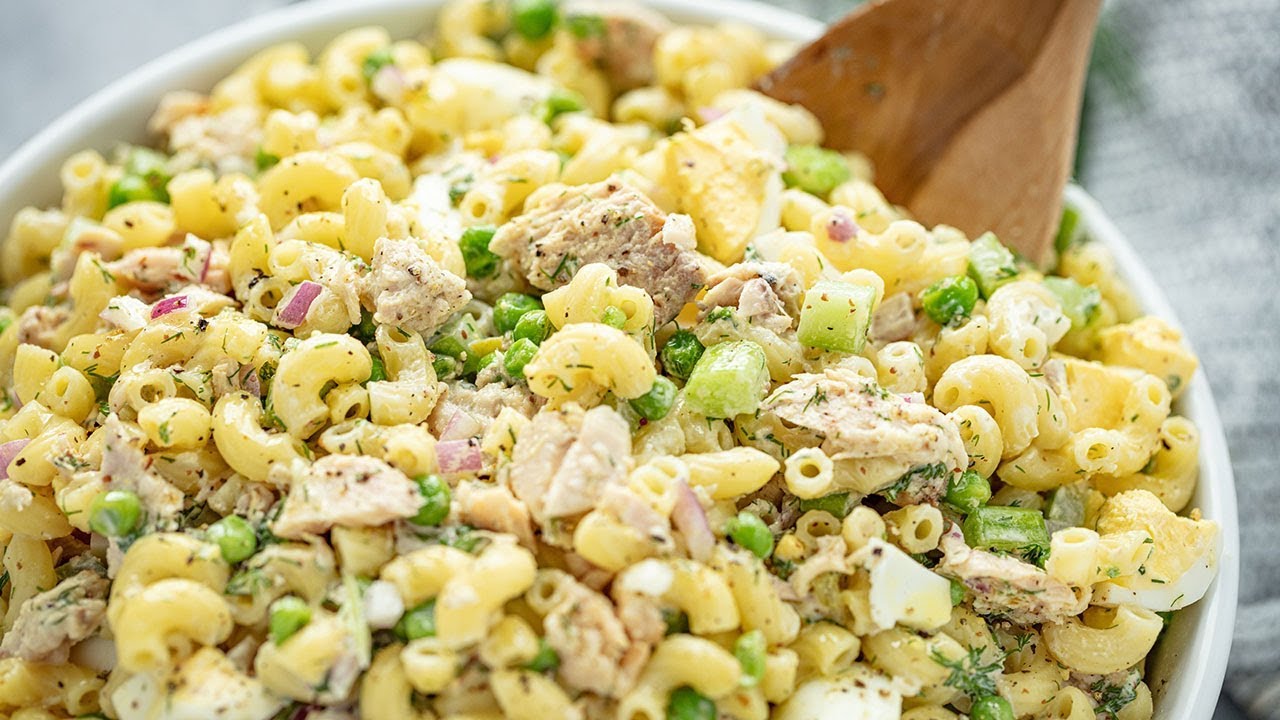
Tuna Noodle Salad Recipe: Tuna noodle salad is one of those timeless dishes that feels like home in every bite. It’s simple, satisfying, and surprisingly versatile. Whether you’re preparing a quick lunch, packing a picnic basket, or bringing a dish to a potluck, this recipe checks all the boxes. It’s creamy yet refreshing, filling yet light, and packed with flavors that blend beautifully together.
What makes tuna noodle salad truly special is its balance. You’ve got tender pasta, flaky tuna, crunchy vegetables, and a creamy dressing that ties everything together like a well-rehearsed orchestra. It’s the kind of meal that doesn’t try too hard—but still impresses every time.
Another reason this recipe stands out is how adaptable it is. Want it healthier? Swap in whole wheat pasta. Craving a little spice? Add jalapeños. Looking for something extra creamy? Adjust the dressing. It’s a flexible base recipe that welcomes creativity without losing its classic charm.
In this professional step-by-step guide, you’ll learn everything from selecting the right ingredients to assembling the perfect bowl. No guesswork. No complicated techniques. Just a clear, detailed roadmap to making the best tuna noodle salad you’ve ever tasted.
Let’s dive in.
Why Tuna Noodle Salad Is a Classic Favorite
Have you ever wondered why tuna noodle salad never goes out of style? Trends in food come and go—avocado toast, quinoa bowls, air-fried everything—but tuna noodle salad remains a steady favorite. And there’s a good reason for that.
First, it’s incredibly convenient. Most of the ingredients are pantry staples. A can of tuna? Check. Pasta? Almost always available. A few veggies from the fridge? Done. You don’t need exotic spices or expensive cuts of meat to create something delicious.
Second, it’s budget-friendly. Tuna is an affordable protein source, making this dish perfect for families, students, or anyone trying to save money without sacrificing flavor. With just a few dollars, you can prepare a meal that feeds multiple people generously.
Then there’s the comfort factor. Tuna noodle salad has a nostalgic feel to it. Many of us grew up seeing it at family gatherings, summer barbecues, or school lunches. That creamy texture mixed with tender noodles creates a satisfying bite that feels both familiar and comforting.
Finally, it’s adaptable for all seasons. In summer, it’s served chilled and refreshing. In cooler months, it still feels hearty and filling. It’s like the little black dress of recipes—always appropriate, always reliable.
Simply put, tuna noodle salad is popular because it works. It’s easy, affordable, satisfying, and endlessly customizable. What more could you ask for?
Health Benefits of Tuna Noodle Salad
At first glance, tuna noodle salad might look like pure comfort food. But when made thoughtfully, it can actually be a nutritious and balanced meal. Let’s break down why.
Nutritional Value of Tuna
Tuna is a powerhouse of protein. Just one serving provides a substantial amount of lean protein, which helps build muscle, repair tissues, and keep you feeling full longer. If you’re trying to maintain a healthy diet, protein is your best friend—and tuna delivers it without excessive calories.
It’s also rich in omega-3 fatty acids. These healthy fats are known to support heart health, reduce inflammation, and even improve brain function. Think of omega-3s as the oil that keeps your body’s engine running smoothly.
Tuna also contains essential vitamins and minerals such as:
- Vitamin D
- Vitamin B12
- Selenium
- Iron
These nutrients play crucial roles in maintaining energy levels, supporting immune health, and strengthening bones.
Benefits of Adding Vegetables
The vegetables in tuna noodle salad aren’t just for color—they add serious nutritional value. Ingredients like celery, peas, carrots, and bell peppers provide fiber, antioxidants, and vitamins.
Fiber supports digestion and keeps you satisfied longer. Antioxidants help protect your cells from damage. And vitamins like Vitamin C boost immunity.
When you combine protein-rich tuna, energizing pasta, and fresh vegetables, you create a well-rounded dish that fuels your body without weighing you down.
Healthy doesn’t have to mean boring. Tuna noodle salad proves that balance and flavor can go hand in hand.
List of Ingredients You’ll Need
Before diving into the cooking process, let’s gather everything you’ll need. Having your ingredients ready makes the entire process smooth and stress-free.
Main Ingredients
- 2 cups uncooked pasta (elbow macaroni, rotini, or egg noodles)
- 2 cans (5 oz each) tuna, drained
- 1 cup frozen peas (thawed)
- 1 cup celery, finely chopped
- ½ cup red onion, finely diced
Fresh Vegetables
- ½ cup shredded carrots
- ½ cup diced bell peppers (any color)
- 2 tablespoons fresh parsley, chopped
These vegetables add crunch, color, and freshness to your salad.
Dressing Ingredients
- 1 cup mayonnaise
- 2 tablespoons sour cream or Greek yogurt
- 1 tablespoon Dijon mustard
- 1 tablespoon lemon juice
- Salt and black pepper to taste
The dressing is what brings everything together. It should be creamy but not overpowering.
Optional Add-Ins
Want to elevate your tuna noodle salad? Try adding:
- Chopped pickles or relish
- Hard-boiled eggs
- Sweet corn
- Cherry tomatoes
- Shredded cheddar cheese
Think of these as bonus features—you can customize based on your taste preferences.
Having all your ingredients prepared and measured before you begin makes cooking feel less like chaos and more like choreography. Now that everything is ready, it’s time to move on to preparation.
Kitchen Tools Required
Cooking doesn’t require a professional kitchen setup, but having the right tools can make the process easier and more efficient. For tuna noodle salad, you don’t need anything fancy—just a few basics.
First, you’ll need a large pot to cook your pasta. Make sure it’s big enough to allow the noodles to move freely in boiling water. Crowded pasta sticks together, and nobody wants clumpy salad.
A colander is essential for draining the pasta once it’s cooked. Proper draining prevents excess water from diluting your dressing later.
You’ll also need:
- A large mixing bowl
- A sharp knife
- A cutting board
- Measuring cups and spoons
- A mixing spoon or spatula
If you’re making the dressing separately (which is highly recommended), a small whisk or fork works perfectly for blending it smoothly.
Using proper tools isn’t just about convenience—it ensures consistency. Evenly chopped vegetables cook and mix better. Accurate measurements create balanced flavor.
Think of your tools as silent helpers. They don’t steal the spotlight, but they make sure everything runs smoothly behind the scenes.
How to Choose the Best Tuna for Your Salad
When it comes to making the perfect tuna noodle salad, the tuna you choose can make or break the dish. It might seem like all canned tuna is the same, but trust me—it’s not. The type, texture, and even the packing liquid matter more than you think.
First, you’ll need to decide between tuna packed in water or oil. Water-packed tuna is lighter and lower in calories. It allows the creamy dressing to shine without adding extra heaviness. On the other hand, oil-packed tuna delivers richer flavor and a softer texture. If you want a more indulgent salad, oil-packed might be your best bet—but be sure to drain it well.
Next, consider the type of tuna:
- Chunk Light Tuna – Softer texture, milder flavor, and budget-friendly.
- Solid White Albacore – Firmer texture, cleaner taste, and slightly higher price.
- Yellowfin Tuna – Mild and firm, often considered premium quality.
For tuna noodle salad, chunk light tuna works beautifully because it blends easily with pasta and dressing. However, if you prefer bigger flakes and a meatier bite, albacore is an excellent upgrade.
Always drain your tuna thoroughly. Excess liquid can make your salad watery and dilute the dressing. After draining, gently flake the tuna with a fork. Don’t mash it into paste—you want visible, tender chunks throughout the salad.
Quality matters. Fresh-tasting tuna with a clean aroma ensures your salad tastes vibrant instead of fishy. A good rule of thumb? If it smells overly strong when you open the can, skip it.
Choosing the right tuna is like choosing the foundation of a house. Get it right, and everything else falls perfectly into place.
Selecting the Right Pasta for Tuna Noodle Salad
Pasta is more than just a filler in tuna noodle salad—it’s the backbone of the entire dish. The shape, texture, and cooking method all influence the final result.
Short pasta shapes work best because they hold dressing well and mix evenly with tuna and vegetables. Some excellent options include:
- Elbow macaroni – Classic and nostalgic.
- Rotini – Twists that trap dressing in every bite.
- Shells – Little cups that scoop up flavor.
- Egg noodles – Soft and slightly richer texture.
Rotini is often the top choice because its spiral shape clings to creamy dressing like it was designed for it. Every twist becomes a pocket of flavor.
Now let’s talk about texture. Cook your pasta al dente, which means firm to the bite. Overcooked pasta becomes mushy once mixed with dressing and refrigerated. Remember, the noodles will continue to soften slightly as they absorb moisture.
After cooking, rinse the pasta briefly under cold water. This stops the cooking process and cools it down quickly, which is important for a cold salad. However, don’t over-rinse—too much water can wash away starch that helps the dressing stick.
If you’re looking for healthier options, whole wheat pasta adds fiber and a nutty flavor. Gluten-free pasta also works, but be sure to cook it carefully since some varieties can become soft quickly.
Choosing the right pasta is like picking the right canvas for a painting. The better the base, the more beautiful the final dish becomes.
Preparing the Ingredients Properly
Preparation is where good cooking turns into great cooking. Taking a few extra minutes to prep your ingredients properly makes a noticeable difference in flavor, texture, and presentation.
Cooking the Pasta Perfectly
Bring a large pot of salted water to a rolling boil. The water should taste slightly salty—like the sea. This is your chance to season the pasta itself. Add your noodles and cook according to package instructions, aiming for al dente.
Stir occasionally to prevent sticking. Once done, drain immediately and rinse briefly under cold water to cool. Let the pasta drain thoroughly before adding it to your mixing bowl. Excess water is the enemy of creamy dressing.
Draining and Flaking the Tuna
Open the cans and drain them completely. Press gently with the lid to remove extra liquid. Then, place the tuna in a bowl and use a fork to gently separate it into chunks. Avoid over-mixing—you want texture, not paste.
Chopping Vegetables Evenly
Uniform chopping is key. Small, evenly sized pieces ensure that every bite has balanced flavor. Finely dice onions to prevent overpowering bites. Slice celery thinly for crunch without bulk. Shred carrots for subtle sweetness.
Think of preparation as setting the stage before a performance. When everything is cut, cooked, and ready, assembling the salad becomes effortless.
Step-by-Step Guide to Making Tuna Noodle Salad
Now comes the exciting part—bringing everything together.
Step 1: Cook and Cool the Pasta
Cook your pasta as described earlier. Drain and cool completely. Spread it on a baking sheet for faster cooling if needed.
Step 2: Prepare the Creamy Dressing
In a medium bowl, whisk together:
- 1 cup mayonnaise
- 2 tablespoons sour cream or Greek yogurt
- 1 tablespoon Dijon mustard
- 1 tablespoon lemon juice
- Salt and pepper to taste
Whisk until smooth and creamy. Taste and adjust seasoning. Want more tang? Add a splash of lemon. Prefer extra creaminess? Add a spoonful of mayo.
Step 3: Combine All Ingredients
In a large mixing bowl, add:
- Cooled pasta
- Flaked tuna
- Chopped celery
- Diced onions
- Peas
- Carrots
- Bell peppers
Pour the dressing over the top. Gently fold everything together using a spatula. Be patient and mix lightly to avoid breaking the pasta.
Step 4: Chill Before Serving
Cover the bowl with plastic wrap and refrigerate for at least 1 hour. This allows flavors to meld together beautifully. The salad tastes even better after a few hours.
Before serving, stir gently and adjust seasoning if necessary.
That’s it. Simple steps. Big flavor.
Pro Tips for the Perfect Texture and Flavor
If you want your tuna noodle salad to taste like it came from a professional kitchen, small details matter.
- Always season in layers. Salt the pasta water, season the dressing, and taste at the end.
- Let it chill. Flavor develops over time.
- Add crunchy ingredients right before serving to maintain texture.
- Balance creaminess with acidity. Lemon juice prevents the salad from feeling heavy.
- Don’t overdress. You can always add more dressing, but you can’t remove it.
Texture is just as important as flavor. The contrast between creamy dressing and crisp vegetables creates a satisfying bite.
Common Mistakes to Avoid
Even simple recipes have pitfalls. Here’s what to watch out for:
- Overcooking the pasta – Leads to mushy salad.
- Not draining tuna properly – Causes watery texture.
- Overmixing – Breaks down ingredients.
- Skipping chilling time – Flavors won’t fully develop.
- Overloading with mayo – Makes it too heavy.
Avoid these mistakes, and your salad will shine every time.
Variations of Tuna Noodle Salad
One of the best things about tuna noodle salad is its versatility.
Creamy Classic Version
Stick with mayo-based dressing, peas, celery, and eggs. Comfort food at its finest.
Healthy Greek-Style Version
Swap mayo for Greek yogurt. Add olives, cucumbers, cherry tomatoes, and feta cheese. Use lemon and olive oil for brightness.
Spicy Kick Version
Add diced jalapeños, a dash of hot sauce, and smoked paprika. Spice lovers will appreciate the bold flavor.
How to Store and Keep It Fresh
Store tuna noodle salad in an airtight container in the refrigerator. It stays fresh for 3–4 days. Stir before serving, and add a splash of lemon juice if needed.
Never leave it at room temperature for more than two hours.
Serving Suggestions and Pairings
Tuna noodle salad pairs beautifully with:
- Grilled chicken
- Fresh fruit salad
- Garlic bread
- Iced tea or lemonade
It also works as a sandwich filling inside croissants or wraps.
Meal Prep and Make-Ahead Tips
This dish is perfect for meal prep. Prepare it the night before for best flavor. Keep dressing slightly separate if storing long-term to maintain texture.
Divide into portion containers for easy grab-and-go lunches.
FAQs about Tuna Noodle Salad Recipe
1. Can I make tuna noodle salad ahead of time?
Yes. Tuna noodle salad actually improves in flavor after chilling for a few hours. This resting time allows the dressing to soak into the pasta and tuna, creating a more balanced and delicious taste. For best results, refrigerate for at least 2–4 hours before serving.
2. Can I use fresh tuna instead of canned?
Absolutely. Fresh tuna is a great option. Simply cook it by baking, grilling, or pan-searing, then flake it into bite-size pieces. Make sure the tuna is fully cooled before mixing it into the salad to prevent wilting the other ingredients.
3. How do I keep it from getting dry?
Pasta tends to absorb dressing as it sits. If the salad looks dry, stir in a small amount of extra dressing or a splash of milk just before serving to restore creaminess without overpowering the flavor.
4. Is tuna noodle salad healthy?
It can be. Tuna provides lean protein, and you can lighten the dish by using Greek yogurt or a yogurt-mayonnaise blend instead of full mayonnaise. Adding vegetables like peas or celery also boosts nutrition.
5. Can I freeze tuna noodle salad?
Freezing is not recommended. The pasta can become mushy, and creamy dressings often separate once thawed, affecting texture and overall quality.
Conclusion
Tuna noodle salad is proof that simple ingredients can create something truly satisfying. It’s affordable, nutritious, easy to make, and endlessly customizable. With the right pasta, quality tuna, balanced dressing, and proper preparation, you can transform basic pantry staples into a dish that tastes fresh, creamy, and delicious every time.
Whether you’re making it for a family gathering, weekly meal prep, or a quick weekday lunch, this step-by-step guide ensures consistent, professional results. Once you master this classic recipe, it will become a reliable favorite in your kitchen.