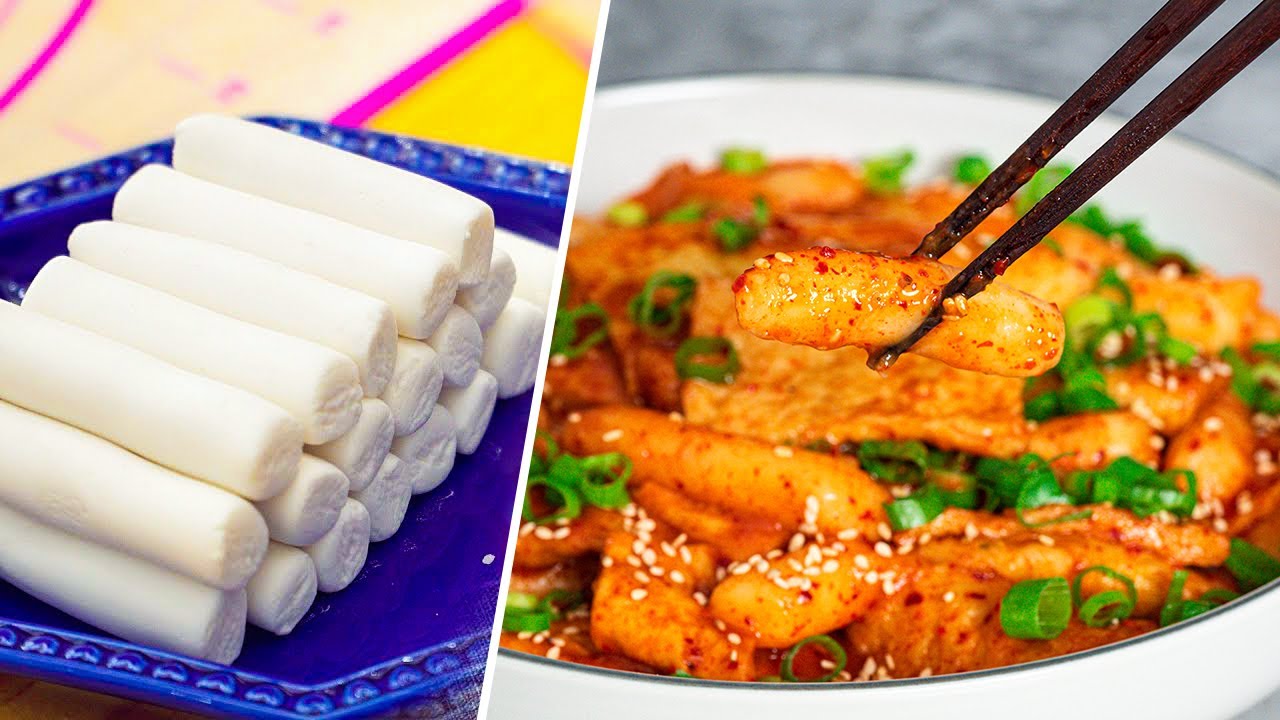
Tteokbokki Recipe: If you’ve ever wandered through the colorful alleys of Seoul, chances are you’ve caught a whiff of something sweet, spicy, and deeply savory in the air. That, my friend, is Tteokbokki—a beloved Korean comfort food that packs a punch of flavor in every bite. Made from chewy rice cakes drenched in a spicy gochujang (Korean chili paste) sauce, this dish is a go-to street food and an essential part of Korean cuisine.
But you don’t need to fly to Korea to experience it. Making Tteokbokki at home is not only easy but also super rewarding. Whether you’re new to Korean cooking or a foodie looking for your next challenge, this step-by-step guide will walk you through everything—from the ingredients to tips for mastering the perfect sauce consistency.
Ready to bring the flavors of Korea into your kitchen? Let’s do it.
Health Benefits of Tteokbokki
You might think of Tteokbokki as just indulgent street food, but it actually holds some nutritional value depending on how you make it. Traditional versions are rich in carbohydrates (from the rice cakes) and protein (when you add fish cakes or eggs). You can boost its health factor by tossing in veggies like carrots, cabbage, or mushrooms.
Tteokbokki can also be customized for a lighter version. For example, reduce the sugar content, use low-sodium soy sauce, or swap out processed fish cakes for tofu slices or plant-based meat. Want to go even further? Use brown rice cakes or sweet potato noodles instead of the classic white rice cakes for added fiber and nutrients.
This dish can be as light or hearty as you like—making it flexible enough to fit your health goals while still satisfying your cravings.
Types of Tteokbokki
There’s no one way to enjoy Tteokbokki. In fact, this dish has evolved over the years to include several varieties, each with its own twist. Here’s a breakdown:
- Spicy Tteokbokki: The classic! Made with gochujang and gochugaru (Korean chili flakes), it’s sweet, spicy, and savory.
- Non-Spicy Tteokbokki (Ganjang Tteokbokki): Perfect for kids or those who can’t handle heat. Uses soy sauce as the base.
- Cheese Tteokbokki: A trendy favorite. Melted mozzarella over spicy rice cakes = heaven.
- Rosé Tteokbokki: Creamy, pink sauce made with milk or cream and chili paste.
- Street-Style Tteokbokki: Usually includes fish cakes, green onions, and boiled eggs, simmered to perfection in a large pot.
No matter your taste, there’s a Tteokbokki recipe out there that’s perfect for you.
List of Ingredients You’ll Need
Let’s start with the essentials. You don’t need fancy ingredients, but quality matters. Here’s what you’ll need for the classic spicy Tteokbokki:
Main Ingredients:
- 1 lb (450g) Korean rice cakes (tteok)
- 3–4 pieces of Korean fish cake (eomuk), sliced
- 3 cups water or anchovy stock
- 1 boiled egg (optional but recommended)
- 2–3 stalks green onion, chopped
Sauce Ingredients:
- 2 tbsp gochujang (Korean chili paste)
- 1 tbsp gochugaru (Korean chili flakes)
- 1 tbsp soy sauce
- 1 tbsp sugar (adjust to taste)
- 1 tsp minced garlic
Optional Add-ons:
- Mozzarella cheese
- Cabbage slices
- Ramen noodles (Rabokki)
- Tofu or mushrooms
Substitutes:
- Use tamari for gluten-free soy sauce
- Coconut sugar or honey as a sugar substitute
- Vegan fish cakes or tofu for a plant-based version
Gather these ingredients, and you’re already halfway there.
Tools and Equipment Required
Good news: You don’t need a fancy kitchen to make Tteokbokki. But a few basic tools can make things easier:
- Medium to large non-stick pan or wok: For even heating and simmering.
- Wooden spoon or spatula: Helps mix without breaking the rice cakes.
- Measuring spoons and cups: For sauce precision.
- Ladle: To pour and stir the stock or broth.
- Serving bowl: Deep bowls keep the sauce contained for that ultimate dipping experience.
That’s it. Simple tools for a delicious result.
How to Choose the Right Rice Cakes (Tteok)
All rice cakes are not created equal. When making Tteokbokki, you’ll want the cylindrical tteok, which are chewy and thick. These can be found in Korean grocery stores—either fresh, refrigerated, or frozen.
- Fresh tteok: Best for immediate use. They’re soft, bouncy, and absorb sauce well.
- Frozen tteok: More widely available and last longer. Soak in warm water for 10–15 minutes before cooking.
Avoid thin, sliced tteok made for soups—they won’t hold up in the thick sauce. Go for the chewy ones if you want the real Tteokbokki texture.
Step-by-Step Guide to Making Tteokbokki
Alright, time to get cooking. Follow these steps carefully, and you’ll nail it on your first try.
Step 1: Prepping the Ingredients
If using refrigerated or frozen rice cakes, soak them in warm water for 10–15 minutes to soften. Slice fish cakes into bite-sized pieces, chop green onions, and set aside optional add-ins like boiled eggs, cabbage, or ramen noodles.
Step 2: Making the Sauce
In a bowl, mix gochujang (Korean chili paste), gochugaru (chili flakes), soy sauce, sugar, and minced garlic. Add a little water or anchovy stock to loosen the mixture. The sauce should be thick, spicy, and slightly sweet.
Step 3: Cooking the Rice Cakes
In a wide pan or pot, bring anchovy stock or water to a gentle boil. Add the soaked rice cakes and cook for 2–3 minutes until they begin to soften and float.
Step 4: Combining and Simmering
Stir in the prepared sauce and add fish cakes and other vegetables. Reduce heat to medium and simmer for 8–10 minutes, stirring frequently to prevent sticking. The sauce will thicken and coat the rice cakes evenly.
Step 5: Adjusting Texture and Flavor
Taste and adjust—add more sugar for sweetness, gochujang for heat, or water for a thinner sauce. Finish with green onions and a drizzle of sesame oil. Serve hot and enjoy this chewy, spicy comfort dish straight from the pan.
Tips for Perfect Tteokbokki Every Time
Making Tteokbokki isn’t just about following the steps—it’s about getting the feel right. That chewy texture, rich flavor, and thick sauce don’t just happen by chance. Here are some pro tips to make your Tteokbokki unforgettable:
- Don’t Overcook the Rice Cakes: Cook them until they’re chewy, not mushy. Overcooked rice cakes lose their bounce and turn gummy. Keep an eye on them and stir often.
- Simmer, Don’t Boil Vigorously: You want the sauce to thicken slowly while the flavors develop. A low simmer is perfect for infusing the rice cakes with the sauce.
- Add Ingredients in Layers: Don’t toss everything in at once. Add rice cakes first, then fish cakes, then green onions and eggs last. This ensures even cooking.
- Adjust Sauce Consistency: If the sauce feels too thick, add a splash of water or broth. Too runny? Simmer a bit longer uncovered.
- Balance the Sweetness and Spice: Everyone’s taste buds are different. Feel free to adjust the sugar or gochujang levels to suit your palate.
Want to take it to the next level? Add a little sesame oil at the end for a nutty aroma that enhances everything.
Tteokbokki Add-Ons to Elevate the Dish
Tteokbokki is amazing on its own, but with a few clever additions, you can turn it into a full-on meal. Here are some classic and creative toppings to experiment with:
Boiled Eggs
One of the most traditional and satisfying add-ons. The egg soaks up the spicy sauce and adds protein to your plate.
Fish Cakes (Eomuk)
A staple in most Korean Tteokbokki recipes. Fish cakes are savory, slightly sweet, and add an extra chewy texture that pairs perfectly with the rice cakes.
Green Onions
They bring a fresh bite and brighten up the dish with color and a subtle zing. Toss them in right before serving.
Mozzarella Cheese
Melt it over the top, and suddenly, your Tteokbokki goes from street snack to cheesy, gooey indulgence. A favorite among younger generations.
Ramen Noodles (Rabokki)
Want more carbs? Of course you do! Adding a bundle of instant ramen noodles creates Rabokki—a mash-up that’s wildly popular in Korea.
Vegetables
Add sliced cabbage, carrots, or mushrooms for crunch and nutrition. Stir-fried lightly or simmered in the sauce, they add great variety to the texture.
Mix and match these extras to suit your mood or impress your guests. Tteokbokki is your canvas!
Serving Suggestions
Wondering how to serve Tteokbokki for the full Korean experience? Let’s dive into a few ideas:
As a Snack
Tteokbokki is the ultimate comfort snack. Serve it in a small bowl with toothpicks or chopsticks. It’s perfect for sharing with friends during a Netflix binge or weekend hangout.
As a Full Meal
Add boiled eggs, veggies, and maybe some noodles—and you’ve got a complete, satisfying meal. Don’t forget a side of kimchi for that crunchy, tangy balance.
With Korean Side Dishes (Banchan)
Level up your Tteokbokki by serving it with banchan like:
- Kimchi
- Pickled radish (danmuji)
- Stir-fried anchovies
- Korean spinach salad (sigeumchi namul)
The variety of textures and flavors makes every bite exciting.
Street-Style Presentation
Want to recreate the Korean street food experience? Serve Tteokbokki in a foil-lined basket or paper tray with skewers or chopsticks. It’s messy in the best way.
Storage and Reheating Tips
Made a big batch? No worries! Tteokbokki stores surprisingly well if you follow the right method.
How to Store
- Refrigerator: Place leftovers in an airtight container and store for up to 2-3 days.
- Freezer: Not recommended. Rice cakes can turn hard and lose their texture after freezing.
Reheating Tips
- Stovetop: The best way! Add a splash of water or broth and heat over medium-low, stirring gently to bring back that soft, chewy texture.
- Microwave: Can work in a pinch, but it may dry out. Cover with a damp paper towel and microwave in 30-second intervals.
Avoid overheating—it can cause the rice cakes to toughen or the sauce to burn.
How to Make Tteokbokki Vegetarian/Vegan
Love the idea of Tteokbokki but follow a plant-based diet? No problem. With a few simple swaps, you can enjoy all the flavor without any animal products.
Plant-Based Ingredient Swaps:
- Fish Cakes → Tofu or Vegan Fish Cake: Slice up firm tofu or look for vegan-friendly fish cake alternatives.
- Broth → Vegetable Broth: Skip the anchovy stock and use a rich veggie broth for depth of flavor.
- No Egg or Cheese: These are optional, so leave them out or use vegan cheese for that melt factor.
Make sure your gochujang and soy sauce are vegan (some brands may use anchovy or fish extract). With the right ingredients, Tteokbokki becomes a delicious and satisfying vegan-friendly dish.
How to Make It Less Spicy or More Spicy
One of the best things about homemade Tteokbokki? You control the heat.
To Make It Less Spicy:
- Reduce gochugaru (or skip it entirely).
- Use only 1 tbsp of gochujang and add more sugar to balance.
- Add a splash of milk or cream to mellow the spice—this also creates a creamy version (Rosé Tteokbokki).
To Make It More Spicy:
- Add extra gochugaru or Korean red pepper flakes.
- Toss in sliced chili peppers or a bit of chili oil.
- Use spicy gochujang (some brands have different levels of heat).
Taste as you go—everyone’s spice tolerance is different, and you want it just right.
Pairing Drinks with Tteokbokki
Pairing the right drink can elevate your Tteokbokki experience. Here are a few Korean and non-Korean beverages to try:
- Milk: Yep, milk! It’s soothing, especially if you went heavy on the spice.
- Sikhye (Sweet Rice Drink): A traditional Korean sweet drink that cools your palate.
- Soda or Sparkling Water: The fizziness helps cut through the thick, spicy sauce.
- Iced Green Tea: Light and refreshing to balance the richness.
- Soju or Makgeolli (for adults only): If you’re of legal age, these Korean alcohols pair great with Tteokbokki during gatherings.
These drink pairings help make your meal feel complete and even more enjoyable.
FAQs about Tteokbokki Recipe
1. Can I Make Tteokbokki in Advance?
Yes, but it’s best eaten fresh. If you do make it ahead, store it in an airtight container and reheat gently on the stove with a splash of water.
2. What Does Tteokbokki Taste Like?
It’s sweet, spicy, savory, and totally comforting. The chewy rice cakes absorb the rich sauce, making every bite burst with flavor.
3. Is Tteokbokki Gluten-Free?
Not always. Gochujang and soy sauce often contain wheat, so use gluten-free versions of both if needed.
4. Can I Use Other Types of Noodles?
Yes! Adding ramen noodles (Rabokki) is popular. You can also experiment with udon or glass noodles for variety.
5. How Long Does Homemade Tteokbokki Last?
Stored properly in the fridge, it can last up to 2-3 days. Just make sure to reheat gently to keep the rice cakes soft.
Conclusion
There you have it—a full, step-by-step guide to making Tteokbokki, Korea’s beloved rice cake dish. Whether you like it spicy, cheesy, creamy, or mild, Tteokbokki is versatile, comforting, and seriously addictive. With just a handful of ingredients and a little bit of patience, you can recreate this iconic dish right in your own kitchen.
So what are you waiting for? Grab your gochujang and get cooking. And remember: Tteokbokki isn’t just food—it’s a flavor-packed experience.