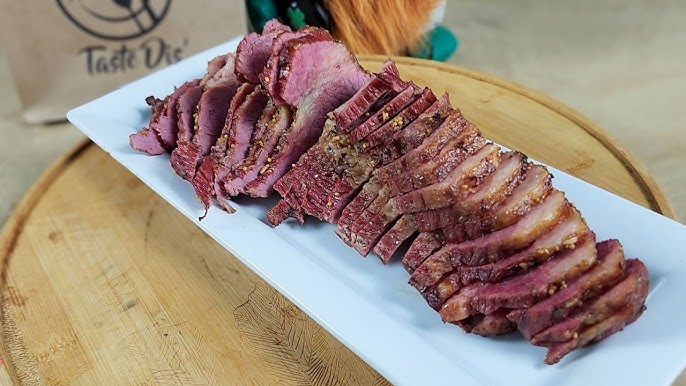
Traeger Tri Tip Recipe: If you’ve ever tasted a perfectly smoked tri tip fresh off a Traeger grill, you know it’s something special. It’s smoky, juicy, packed with bold flavor, and has that irresistible crust that makes you pause after the first bite. But here’s the truth — getting it just right isn’t about luck. It’s about understanding the process and respecting the meat.
What makes cooking tri tip on a Traeger so powerful is precision. Pellet grills maintain consistent heat, which means you’re not constantly babysitting the fire. You can focus on seasoning, timing, and technique instead of worrying about flare-ups.
In this guide, you’ll learn exactly how to prepare, smoke, reverse sear, and slice tri tip like a pro. Whether you’re cooking for a backyard BBQ or just craving steakhouse-quality beef at home, this step-by-step guide will walk you through every detail.
Let’s dive in.
Why Cook Tri Tip on a Traeger Grill?
You might be wondering — why a Traeger? Can’t you just grill tri tip on charcoal or gas? Sure, you can. But here’s the difference: flavor depth and temperature control.
Traeger grills use wood pellets, which means your tri tip isn’t just cooking — it’s absorbing natural hardwood smoke. That subtle smoky infusion enhances the beef’s natural richness instead of overpowering it. It’s like adding a background harmony to a great song — you don’t always notice it directly, but without it, something feels missing.
Another major advantage is consistency. Traditional grills fluctuate in heat, which can easily overcook or dry out tri tip. Since this cut is leaner than brisket, precision matters. A Traeger maintains steady temperatures, allowing you to cook low and slow before finishing with a high-heat sear.
Here’s what makes Traeger ideal for tri tip:
- Even heat distribution
- Real wood-fired flavor
- Easy temperature adjustments
- Perfect setup for reverse searing
Reverse searing is where the magic happens. You slowly bring the internal temperature up, then crank up the heat for a caramelized crust. This technique locks in juices while creating that steakhouse-style exterior.
If you want restaurant-quality tri tip without the stress, a Traeger grill makes it not just possible — but repeatable.
What Makes Tri Tip Unique?
Tri tip comes from the bottom sirloin section of the cow. It’s triangular in shape (hence the name) and typically weighs between 2 to 3 pounds. What makes it unique is its balance — it’s lean but still tender when cooked correctly.
Unlike brisket, tri tip cooks relatively fast. Unlike ribeye, it doesn’t have heavy marbling. That means technique is everything. Overcook it, and it turns chewy. Cook it right, and it’s buttery with a satisfying bite.
Another key detail? The grain runs in two different directions. This is crucial when slicing — and we’ll cover that later. If you slice it incorrectly, even perfectly cooked tri tip can feel tough.
Tri tip is especially popular in Santa Maria-style BBQ, where it’s traditionally seasoned simply with salt, pepper, and garlic. That simplicity highlights the natural beef flavor rather than masking it.
When smoked on a Traeger, tri tip develops:
- A rich smoke ring
- A flavorful bark
- Juicy pink center
- Balanced beef-forward taste
It’s versatile enough for slicing into steaks, chopping into sandwiches, or serving as the star of a plated dinner.
Understanding the cut is the first step to mastering it.
Ingredients You’ll Need
Let’s keep things professional yet simple. High-quality ingredients make all the difference.
For the Tri Tip
- 1 (2–3 lb) tri tip roast
- 1 tablespoon olive oil
For the Dry Rub
- 1 tablespoon kosher salt
- 1 tablespoon coarse black pepper
- 1 teaspoon garlic powder
- 1 teaspoon onion powder
- 1 teaspoon smoked paprika
- ½ teaspoon dried rosemary
- ½ teaspoon chili powder (optional for heat)
Optional Marinade Ingredients
If you prefer marinating instead of dry rubbing:
- ¼ cup soy sauce
- 2 tablespoons Worcestershire sauce
- 2 tablespoons olive oil
- 3 cloves minced garlic
- 1 tablespoon brown sugar
- Juice of 1 lemon
The dry rub approach creates a stronger crust, while a marinade adds deeper interior flavor. Both methods work beautifully on a Traeger — it just depends on your flavor preference.
Remember, tri tip doesn’t need heavy seasoning. It’s like a good steak — enhance it, don’t overpower it.
Step-by-Step Guide to Cooking Traeger Tri Tip
Step 1: Preheating the Traeger
Preheat your Traeger grill to 225°F (107°C). Allow it to fully heat so the temperature stays consistent. This low-and-slow start helps the meat absorb smoky flavor evenly.
Step 2: Smoking the Tri Tip Low and Slow
Place the tri tip directly on the grill grates. Insert a meat probe into the thickest part and close the lid. Smoke until the internal temperature reaches 120–125°F for medium-rare. This usually takes about 45–60 minutes, depending on size.
Step 3: Reverse Searing for a Perfect Crust
Remove the tri tip and increase the grill temperature to 450–500°F. Once hot, return the meat to the grill and sear for 2–3 minutes per side. This creates a flavorful crust while keeping the inside juicy.
Step 4: Resting the Meat
Transfer the tri tip to a cutting board and let it rest for 10–15 minutes. Resting allows the juices to redistribute, preventing them from spilling out when sliced.
Step 5: Slicing Against the Grain
Tri tip has two grain directions. Identify them and slice thinly against the grain for maximum tenderness. Serve immediately and enjoy a perfectly smoked and seared Traeger tri tip.
Internal Temperature Guide
Temperature control is everything when cooking tri tip on a Traeger. Because it’s leaner than ribeye, even 5–10 degrees can make a noticeable difference.
Here’s a professional temperature guide:
| Doneness Level | Remove at | Final Temp After Rest |
|---|---|---|
| Rare | 120°F | 125°F |
| Medium-Rare | 130°F | 135°F |
| Medium | 135°F | 140°F |
| Medium-Well | 145°F | 150°F |
For the best texture and flavor, medium-rare is highly recommended. This cut shines when it retains a pink, juicy center.
Using a digital meat thermometer or Traeger meat probe ensures accuracy. Guesswork leads to overcooking — and overcooked tri tip can become dry quickly.
Remember: you can always cook it longer, but you can’t undo overcooking.
Tips for Juicy and Tender Tri Tip
If you want consistently perfect results, keep these professional tips in mind:
1. Choose Quality Meat
Look for good marbling and deep red color. Prime or Choice grade works best.
2. Don’t Skip the Reverse Sear
Low-and-slow builds flavor. High heat builds crust. You need both.
3. Use the Right Pellets
Oak is traditional for tri tip. Hickory adds boldness. Cherry adds subtle sweetness.
4. Avoid Over-Seasoning
Tri tip has a rich beef flavor. Enhance it — don’t bury it.
5. Monitor Temperature Closely
Pull the meat early enough to allow for carryover cooking.
6. Let It Rest
Yes, it’s worth repeating.
Cooking tri tip is like tuning an instrument. Small adjustments make big differences.
Common Mistakes to Avoid
Even experienced grillers make mistakes. Here’s what to watch out for:
Overcooking
Tri tip doesn’t have heavy fat like brisket. Once it passes medium, it begins to dry out quickly.
Skipping the Sear
If you only smoke it without finishing at high heat, you’ll miss out on that beautiful crust and texture contrast.
Cutting With the Grain
This is the number one error. Always slice against the grain.
Constantly Opening the Lid
Every time you lift the lid, heat escapes. Let the Traeger do its job.
Not Letting It Come to Room Temperature
Starting with ice-cold meat can cause uneven cooking.
Avoiding these simple mistakes can dramatically improve your results.
Serving Suggestions and Side Dishes
Traeger tri tip is incredibly versatile. You can serve it elegantly plated or casually sliced on a sandwich.
Here are some excellent pairings:
Classic BBQ Style
- Garlic mashed potatoes
- Grilled corn on the cob
- Baked beans
- Coleslaw
Lighter Option
- Arugula salad with balsamic glaze
- Roasted asparagus
- Quinoa salad
Sandwich Style
- Toasted ciabatta rolls
- Caramelized onions
- Horseradish cream sauce
- Provolone cheese
You can also dice leftover tri tip for:
- Tacos
- Steak salads
- Breakfast hash
- Philly-style sandwiches
Its smoky flavor adapts beautifully to multiple cuisines.
Storing and Reheating Leftovers
If you’re lucky enough to have leftovers, store them properly.
Storage:
- Wrap tightly in foil or plastic wrap.
- Store in an airtight container.
- Refrigerate up to 4 days.
Reheating:
The goal is to warm it without drying it out.
Best method:
- Wrap slices in foil with a splash of beef broth.
- Heat in oven at 250°F until warm.
Avoid microwaving if possible — it can make the meat tough.
You can also enjoy leftover tri tip cold in sandwiches or salads. The smoky flavor holds up beautifully.
FAQs about Traeger Tri Tip Recipe
1. How long does it take to cook tri tip on a Traeger?
Typically 60–90 minutes total, depending on thickness and desired doneness. Always rely on internal temperature rather than time alone.
2. What are the best pellets for tri tip?
Oak is traditional and highly recommended. Hickory provides a stronger smoky flavor, while cherry adds mild sweetness.
3. Should I marinate or dry rub tri tip?
Both work well. Dry rub creates a better crust. Marinade penetrates deeper into the meat. It depends on your flavor preference.
4. Can I cook tri tip without reverse searing?
Yes, but you’ll miss out on the flavorful crust and texture contrast that makes this method superior.
5. Why is my tri tip tough?
Most likely causes include overcooking or slicing with the grain. Keep it medium-rare and always slice against the grain.
Conclusion
Cooking tri tip on a Traeger grill isn’t complicated — but it does require attention to detail. From selecting a quality cut to seasoning properly, smoking low and slow, reverse searing for a perfect crust, resting patiently, and slicing against the grain — each step matters.
When done correctly, Traeger tri tip delivers everything you want in barbecue: bold smoky flavor, tender texture, and a juicy bite that keeps you coming back for more.
It’s the kind of meal that turns an ordinary weekend into something memorable. Whether you’re cooking for family, friends, or just yourself, mastering this technique puts restaurant-quality beef right in your backyard.
Now fire up that Traeger and make it happen.