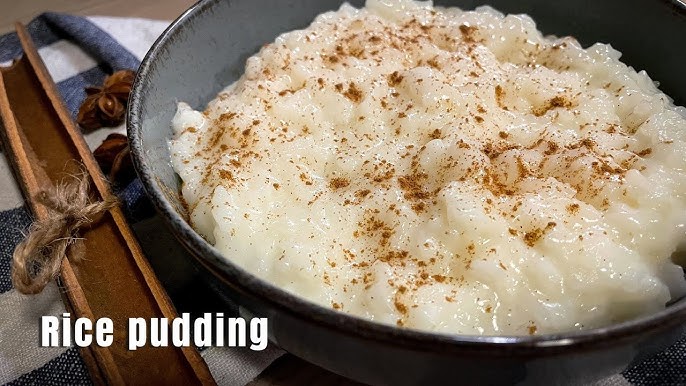
Traditional Rice Pudding Recipe: Rice pudding is one of those timeless, heartwarming desserts that feels like a cozy hug in a bowl. This traditional dish has been loved for generations and combines just a few simple ingredients—rice, milk, sugar, and flavorings—to create something magical. Think of it as the culinary equivalent of your favorite childhood memory: creamy, comforting, and always satisfying.
It’s a dessert that appeals to both young and old and can be enjoyed warm or chilled. Its texture is rich and silky, with tender grains of rice suspended in a sweet, milky base. Whether you prefer yours with cinnamon, nutmeg, or raisins, there’s something inherently nostalgic about every spoonful.
What makes traditional rice pudding stand out is its ability to transform humble kitchen staples into a luxurious dessert. It’s budget-friendly, doesn’t require fancy techniques, and is extremely forgiving—even if you’ve never made a dessert before, you can still nail this one.
Origins and Cultural Significance
Rice pudding has roots in many cultures across the world. From “Kheer” in India to “Arroz con Leche” in Latin America, and “Rizogalo” in Greece, almost every culture has a version of this creamy treat. The earliest known recipes date back to the 14th century, with versions appearing in English cookbooks under names like “white pot.”
Each culture brings its own spin—whether it’s spicing it with cardamom in South Asia or topping it with a dollop of jam in Scandinavia. But at its heart, rice pudding remains a dish that unites rather than divides. Its global presence only proves how universal the love for this dish truly is.
Ingredients Needed for Traditional Rice Pudding
Basic Pantry Ingredients
To whip up a batch of traditional rice pudding, you’ll need a few pantry staples that you likely already have on hand. Here’s what you’ll need:
- White rice (preferably short or medium grain for a creamier texture)
- Milk (whole milk gives the best richness)
- Sugar (granulated white sugar)
- Salt (just a pinch to balance the sweetness)
This combination creates a simple but deeply flavorful dessert that doesn’t rely on any exotic ingredients. These basics provide the foundation of the pudding’s creamy consistency and mild sweetness.
Optional Flavor Enhancers
While the basic ingredients are more than enough, you can elevate your rice pudding by adding:
- Vanilla extract – Adds warmth and depth
- Ground cinnamon or nutmeg – Traditional spices that add aroma and a touch of spice
- Raisins – Controversial, but loved by many for added texture and sweetness
- Butter – Just a dab for that extra silky finish
- Lemon or orange zest – For a refreshing citrusy note
- Condensed milk or cream – For added richness if you want to go all out
The beauty of rice pudding lies in its flexibility. You can keep it simple or dress it up—it’s entirely up to you.
Tools and Equipment You’ll Need
Kitchen Essentials for Preparation
No need to raid your local culinary store for gadgets. Rice pudding is low-maintenance in terms of equipment. You’ll need:
- A heavy-bottomed saucepan – Prevents burning and ensures even heat distribution
- A wooden spoon or silicone spatula – For stirring without scratching your pot
- Measuring cups and spoons – Accuracy matters in desserts
- A bowl – For soaking or rinsing the rice
- A ladle or spoon – For serving, obviously!
This list proves just how approachable this dessert is—even a minimalist kitchen is likely to be well-equipped to handle it.
Tips for Choosing the Right Cookware
Choose a pot that has a thick base and tall sides. Milk can be a bit of a diva when it heats—it bubbles, scalds, and even boils over if not watched. A heavy pot helps distribute heat evenly, reducing the chances of scorching the bottom or bubbling over.
Also, use a non-stick or stainless steel pot if you can. Aluminum can sometimes react with milk and affect the flavor, and enamel-coated cast iron, while great for slow cooking, might be a bit overkill for this recipe.
Step-by-Step Cooking Instructions
Step 1 – Rinsing and Prepping the Rice
Before you even think about turning on the stove, you need to prep the rice. Start by rinsing ½ cup of short-grain white rice under cold water. This helps remove excess starch that can cause clumping.
Some people like to soak the rice for about 15-20 minutes to speed up cooking time. This is optional but can be helpful, especially if you’re short on time.
Once rinsed, drain the rice thoroughly. You’re now ready to start cooking.
Step 2 – Simmering the Rice in Milk
In your heavy-bottomed saucepan, combine the rinsed rice with 4 cups of whole milk. Bring the mixture to a gentle simmer over medium-low heat, stirring occasionally. You don’t want a rapid boil—just a soft simmer. This is a slow-cooked dessert, and patience here makes all the difference.
Keep the heat low and let it cook uncovered. Stir frequently to prevent the milk from sticking or burning at the bottom. It takes about 30-40 minutes for the rice to fully cook and absorb the milk.
Step 3 – Adding Sugar and Flavors
Once your rice is tender and the milk has reduced to a creamy consistency, it’s time to sweeten things up. Add about 1/3 to 1/2 cup of granulated sugar, depending on how sweet you like it. Stir it in thoroughly and let it dissolve completely.
This is also the perfect moment to add in your flavor enhancers. A teaspoon of vanilla extract goes a long way to make your pudding fragrant and flavorful. If you’re using cinnamon or nutmeg, sprinkle it in now. For an added touch, toss in a handful of raisins—they’ll plump up beautifully as they soak in the warm milk.
Keep cooking for another 10 minutes, stirring often. At this point, the pudding should look glossy and luxurious. Taste it—if it needs more sweetness or spice, adjust it to your liking.
Step 4 – Cooking to the Perfect Consistency
Consistency is everything in rice pudding. You want it creamy, not runny, and definitely not too thick. The pudding should coat the back of a spoon but still be pourable.
If it seems too thick, add a splash of milk and stir it in. If it’s too thin, let it simmer gently for a few more minutes, stirring until it thickens up.
Remember, rice pudding continues to thicken as it cools. So if it’s slightly looser than you want it, that’s actually perfect. Don’t overcook, or it might turn gloopy once cooled.
A good visual cue: drag your spoon across the bottom of the pot—if the spoon leaves a path and the pudding doesn’t immediately fill it in, it’s ready.
Step 5 – Cooling and Serving
Once your pudding hits that dreamy, creamy consistency, remove it from the heat. If you added any whole spices (like cinnamon sticks or lemon zest), fish them out now.
Spoon the pudding into individual bowls or one large serving dish. Let it cool slightly if you’re serving it warm—it’ll be smoother and more flavorful. If you prefer it cold, let it cool to room temperature, then refrigerate for a few hours.
Top it with a sprinkle of cinnamon or nutmeg, a dollop of whipped cream, or even some fresh fruit. It’s delicious any way you serve it.
Tips for the Perfect Rice Pudding
Avoiding Common Mistakes
Even though rice pudding is simple, a few missteps can take it from creamy to clumpy. Here’s how to avoid those pitfalls:
- Don’t skip rinsing the rice. Extra starch can make the pudding gluey.
- Stir often. Milk scalds and sticks easily—constant stirring keeps it smooth.
- Avoid high heat. Slow cooking allows the rice to absorb flavor and softens without breaking apart.
- Be mindful of sugar. Add it after the rice cooks. Adding it too early can interfere with rice softening.
- Watch your milk. Milk expands as it heats—keep an eye on it to prevent boil-overs.
By steering clear of these mistakes, you’re already halfway to mastering the perfect bowl of rice pudding.
Adjusting for Creaminess and Sweetness
One of the best parts about making rice pudding at home is how customizable it is:
- Want it extra creamy? Use a mix of milk and cream, or stir in a bit of butter at the end.
- Prefer it less sweet? Reduce the sugar and let the natural flavor of the milk and rice shine.
- Need it dairy-free? Almond milk, coconut milk, or oat milk can all work beautifully—just be sure to choose an unsweetened variety so you control the flavor.
You can even swap in brown rice or basmati for a nuttier flavor and chewier texture—just adjust the cooking time accordingly.
FAQs about Rice Pudding Recipe
Can I make rice pudding with leftover rice?
Yes, you can! Just reduce the cooking time since the rice is already cooked. Combine your leftover rice with milk and sugar, then simmer until it thickens.
How do I store leftover rice pudding?
Store it in an airtight container in the fridge for up to 4 days. Reheat gently with a splash of milk to loosen the consistency.
Can I use plant-based milk?
Absolutely. Almond, oat, coconut, and soy milk all work. Coconut milk adds a unique tropical flavor, which pairs well with cinnamon or cardamom.
What kind of rice is best?
Short or medium grain rice like Arborio, pudding rice, or even sushi rice works best. These varieties release more starch, making the pudding naturally creamy.
Can I freeze rice pudding?
Technically, yes, but the texture can suffer. The rice may become mushy upon thawing. If you do freeze it, thaw in the fridge and reheat with added milk.
Conclusion
Rice pudding is proof that comfort food doesn’t have to be complicated. With just a few ingredients and a bit of patience, you can create a dessert that feels like a warm embrace. It’s a dish steeped in tradition, yet endlessly adaptable—perfect for a cozy night in, a family gathering, or just a little sweet indulgence after dinner.
Whether you enjoy it warm with a sprinkle of cinnamon or chilled with a touch of fruit, this traditional rice pudding recipe will never go out of style. Once you try making it from scratch, you might just say goodbye to store-bought versions forever.
So grab that saucepan, stir slowly, and let the aroma of vanilla and milk fill your kitchen. You’re about to rediscover a classic that never fails to delight.