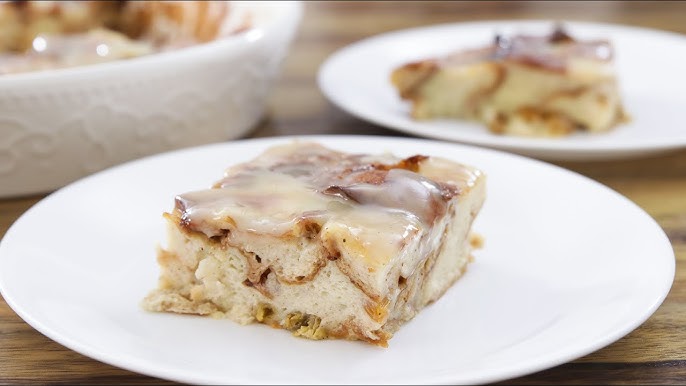
Traditional Bread Pudding Recipe: Bread pudding is one of those nostalgic desserts that just wraps you in comfort. It’s rich, creamy, packed with flavor, and uses simple ingredients you likely already have at home.
This guide will walk you through everything you need to know to make a traditional bread pudding that tastes like it came straight from Grandma’s kitchen. Whether you’re craving a cozy winter treat or a crowd-pleaser for brunch, this recipe has you covered.
What is Bread Pudding?
Bread pudding is a classic dessert made by soaking stale bread in a rich custard mixture and baking it until golden brown. At its core, it’s a humble way to transform leftovers into something truly special. The texture is soft and creamy on the inside with a golden, slightly crisp top layer. Think of it as a cross between French toast and a custard pie.
While there are many variations of this dish worldwide—ranging from fruity to chocolatey—the traditional bread pudding keeps it simple with vanilla, cinnamon, and sometimes raisins. It’s typically served warm, often with a drizzle of vanilla sauce or whipped cream.
History and Origins of Bread Pudding
Bread pudding has roots that stretch back centuries. Originally created as a frugal way to use stale bread, it became popular in the Middle Ages when nothing went to waste in the kitchen. The recipe evolved across cultures—from British and French kitchens to Caribbean and American tables.
In England, it was often known as “poor man’s pudding,” while in New Orleans, it took on a richer life with bourbon and caramel sauces. What started as a way to avoid food waste has turned into a beloved dessert that’s now found on upscale restaurant menus and at home gatherings alike.
Why You’ll Love This Recipe
This recipe is everything you want in a traditional bread pudding—rich, flavorful, and incredibly easy to make. It’s a one-bowl, one-pan wonder that requires no fancy equipment or ingredients. You’ll love how the custard melts into the bread, creating a soft and creamy center with just the right amount of crust on top.
Whether you’re making it for a family dessert night or prepping it ahead for a weekend brunch, it’s foolproof and endlessly customizable. Add in raisins, chopped nuts, or even chocolate chips if you want to jazz it up. Or stick to the classic—it never disappoints.
Ingredients Needed for Traditional Bread Pudding
Basic Ingredients List
Here’s what you’ll need for a classic traditional bread pudding:
- 6 cups of day-old bread, cubed (French bread, brioche, or white bread works great)
- 2 cups of whole milk
- 1 cup of heavy cream
- 4 large eggs
- 1 cup of granulated sugar
- 1 teaspoon of vanilla extract
- 1 teaspoon of ground cinnamon
- ½ teaspoon of ground nutmeg
- ½ cup of raisins (optional)
- 2 tablespoons of unsalted butter (melted)
- A pinch of salt
These are pantry staples, making this a perfect recipe to whip up without a grocery store run. The key is using bread that’s a bit dry—fresh bread won’t soak up the custard as well.
Ingredient Notes and Substitutions
- Bread: Stale bread is crucial for the texture. If your bread is fresh, cube it and toast it in the oven for 10 minutes at 350°F.
- Milk/Cream: You can substitute with all milk for a lighter version or all cream for a richer one. Non-dairy options like almond or oat milk also work.
- Sugar: Brown sugar can be used for a deeper molasses flavor.
- Eggs: These create the custard base and help the pudding set. Avoid skipping or substituting.
- Raisins: Totally optional. You can soak them in rum or bourbon for a boozy twist.
- Spices: Add cloves, allspice, or even pumpkin spice if you’re feeling festive.
Now that your ingredients are ready, it’s time to talk tools.
Tools and Equipment You’ll Need
Kitchen Essentials for the Recipe
You don’t need a commercial kitchen to pull off this dish. In fact, you probably already have everything you need:
- Large mixing bowl
- Whisk
- Measuring cups and spoons
- 9×13-inch baking dish
- Oven mitts
- Spatula or spoon
Everything gets mixed in one bowl and poured into one dish, making cleanup a breeze.
Optional Tools for Easier Cooking
- Electric Mixer: Great if you’re doubling the recipe and need to mix quickly.
- Aluminum Foil: Helps prevent over-browning while baking.
- Strainer or sieve: If you want a super-smooth custard, you can strain the egg mixture before pouring it over the bread.
That’s it—nothing fancy required. Now let’s move on to prepping the ingredients the right way.
Preparing Your Ingredients
Choosing the Right Bread
The bread you use makes a big difference in the final texture. Soft white bread works, but if you want a firmer pudding, go with French bread, brioche, or even challah. These bread types hold their shape better and soak up custard without turning to mush.
Cube the bread into bite-sized pieces—about 1 to 1.5 inches. If it’s not already stale, toast the cubes lightly in the oven to dry them out. This helps them absorb more of the custard mixture, giving you that perfect soft-on-the-inside, crisp-on-the-outside texture.
Prepping the Custard Mixture
The custard is what brings everything together. In a large bowl, whisk the eggs, milk, cream, sugar, vanilla, cinnamon, nutmeg, and a pinch of salt until smooth. This mixture should be well blended but not frothy.
If you’re using raisins, toss them with a little flour before adding them in—this prevents them from sinking to the bottom. You can also stir them into the custard at this point so they plump up while baking.
Once your custard is ready, it’s time to move on to the fun part—assembling and baking the pudding.
Step-by-Step Instructions to Make Traditional Bread Pudding
Step 1: Preheat the Oven and Prepare the Baking Dish
The first thing you need to do is get your oven ready. Preheat it to 350°F (175°C). This temperature is ideal—it allows the pudding to bake evenly without drying out the edges or undercooking the center.
While the oven is warming up, prepare your baking dish. A 9×13-inch dish works best for this recipe. Lightly grease it with unsalted butter or non-stick spray. This helps the pudding release easily once baked and adds a slight buttery flavor to the crust.
If you want a softer texture all around, use a glass or ceramic baking dish. For a crisper crust, opt for metal. Want to make individual servings? You can also use ramekins—just be sure to reduce the baking time by about 10–15 minutes.
Now, place your cubed bread into the prepared dish. You can arrange the bread evenly or let it look a bit rustic—either way, it’ll taste amazing. If you’re using raisins or other mix-ins, scatter them throughout the bread to distribute the flavor.
Step 2: Combine Bread and Custard
Here’s where the magic starts. Slowly pour your prepared custard mixture over the bread. Make sure to coat all the cubes evenly. Use a spatula or the back of a spoon to gently press the bread down so it soaks up every drop of that luscious custard.
Let the mixture sit for 15–20 minutes. This rest period is essential—it allows the bread to fully absorb the liquid, which gives you that moist, pudding-like texture. Skipping this step might leave you with dry spots, and no one wants that.
During this soaking time, you can loosely cover the dish with foil if you’re concerned about over-browning. Some bakers like to sprinkle a little brown sugar or cinnamon on top for a caramelized finish. You could also add a few dots of butter to help form a golden crust while baking.
Optional Tip: Want to add even more depth of flavor? Try adding a tablespoon of bourbon, rum, or brandy to the custard. It enhances the warmth and richness of the pudding without overwhelming it.
Step 3: Bake Until Golden and Set
Now that everything is in place, it’s time to bake your bread pudding. Place the dish in the center rack of your preheated oven. Bake for 45 to 55 minutes, or until the top is golden brown and the center is set but still slightly jiggly.
If you inserted a knife or toothpick in the middle, it should come out clean or with just a bit of moist crumb. If the top starts to brown too quickly before the center is cooked, tent it with foil to prevent burning.
After removing it from the oven, let it cool for at least 10–15 minutes. This cooling period helps it firm up and makes it easier to slice. It’s also the perfect time to prepare a sauce or topping if you’d like.
Serve it warm for the best flavor. A scoop of vanilla ice cream, a drizzle of caramel sauce, or a dusting of powdered sugar can take it to the next level. Leftovers? No problem. It tastes just as good reheated the next day—or even cold from the fridge.
Serving Suggestions and Topping Ideas
Classic Toppings to Elevate the Flavor
You can enjoy traditional bread pudding as-is, but adding toppings takes it from delicious to unforgettable. Here are some popular choices:
- Vanilla Sauce: A silky, sweet sauce made from butter, sugar, milk, and vanilla.
- Caramel Drizzle: Perfect for those who love a richer, sweeter bite.
- Whipped Cream: Light and fluffy, it adds a nice contrast to the dense pudding.
- Bourbon Sauce: A Southern favorite, perfect for adult gatherings.
- Powdered Sugar: Simple, elegant, and adds just the right amount of sweetness.
Don’t be afraid to get creative! You can top it with toasted nuts, fresh berries, or even a scoop of ice cream for a dessert that hits all the right notes.
Bread Pudding Variations You Can Try
Love the idea of bread pudding but want to mix things up? Here are some fun variations:
- Chocolate Chip Bread Pudding: Swap raisins for chocolate chips for a kid-friendly twist.
- Apple Cinnamon: Add chopped apples and extra cinnamon for a fall-inspired treat.
- Pumpkin Spice: Mix pumpkin puree into the custard for a holiday favorite.
- Coconut Rum: Use coconut milk and shredded coconut with a splash of dark rum for tropical vibes.
- Savory Bread Pudding: Omit the sugar and add cheese, herbs, and veggies for a savory breakfast casserole.
The beauty of this dessert is how versatile it is. Once you master the basic recipe, the sky’s the limit.
Storing and Reheating Bread Pudding
Best Practices for Storing Leftovers
Made too much? Don’t worry—bread pudding stores beautifully. Once completely cooled, cover your baking dish tightly with plastic wrap or aluminum foil. Alternatively, you can transfer individual portions into airtight containers. Store it in the refrigerator for up to 5 days.
If you’re planning to keep it longer, bread pudding freezes surprisingly well. Wrap slices in plastic wrap and then in foil to prevent freezer burn. Place them in a freezer-safe bag or container and store for up to 2 months. Just label the date so you don’t forget!
Before serving again, allow frozen bread pudding to thaw in the fridge overnight. This keeps the texture intact and prevents sogginess.
How to Reheat for Best Texture and Flavor
Reheating bread pudding the right way brings it back to life—moist, soft, and just as flavorful as when it was first baked.
Microwave: Place a portion on a microwave-safe plate and cover with a damp paper towel. Heat on medium power for 45–60 seconds. This method is quick and ideal for individual servings.
Oven: Preheat to 300°F (150°C). Place the bread pudding in an oven-safe dish, cover with foil, and heat for 15–20 minutes. This method is great for reheating multiple servings while keeping the crust crisp.
Pro tip: Add a splash of milk or cream over the top before reheating to restore moisture and prevent drying out.
Troubleshooting Common Issues
Why Is My Bread Pudding Too Dry or Too Wet?
Bread pudding can be finicky if the ratios are off. Here’s how to fix common problems:
- Too Dry: You likely didn’t soak the bread long enough or used bread that was too stale. Next time, let the custard absorb for 20–30 minutes before baking. Adding a bit more milk to the custard can also help.
- Too Wet: It may be underbaked or the bread wasn’t dry enough to absorb the custard. Use firmer or drier bread next time and ensure it’s baked until just set in the center.
Remember, your goal is a custard that’s firm but soft, not soupy or rubbery.
Fixes for Overcooked or Burned Bread Pudding
It happens. Maybe you lost track of time or had the oven too hot. If the top is too brown but the center is undercooked, next time try tenting the dish with foil midway through baking.
Burned edges? You can trim them before serving and add a sauce or whipped cream to mask any slight bitterness.
To prevent overcooking:
- Always use a timer
- Place your dish in the center of the oven
- Avoid baking at high temps—350°F is ideal
FAQs about Bread Pudding Recipe
Q1: Can I make bread pudding ahead of time?
Yes! You can assemble it the night before, cover it, and store it in the fridge. Just bake it fresh the next day. Let it sit at room temperature for 20 minutes before baking.
Q2: What type of bread works best for bread pudding?
French bread, brioche, challah, or any crusty loaf works well. Avoid soft sandwich bread unless it’s been dried out or toasted first.
Q3: Can I make it dairy-free?
Absolutely. Substitute the milk and cream with almond milk, coconut milk, or oat milk. Just ensure your custard still has a good ratio of liquid to eggs.
Q4: How do I know when bread pudding is done baking?
It’s done when the top is golden brown, and a knife inserted into the center comes out clean. The center should be slightly jiggly but not liquid.
Q5: What can I serve with bread pudding?
Vanilla ice cream, caramel sauce, whipped cream, or fresh fruit all pair beautifully with bread pudding.
Conclusion
Traditional bread pudding is the ultimate comfort dessert. It’s frugal, flavorful, and incredibly flexible. Whether you make it exactly as outlined or put your own spin on it, you’ll end up with a dish that feels like home.
With just a few everyday ingredients and some patience, you can transform stale bread into a masterpiece. Serve it warm with a drizzle of sauce or a scoop of ice cream, and it’s guaranteed to impress.
So next time you’ve got some day-old bread lying around, don’t toss it—make bread pudding instead. It’s not just dessert. It’s tradition, memory, and magic baked into one.