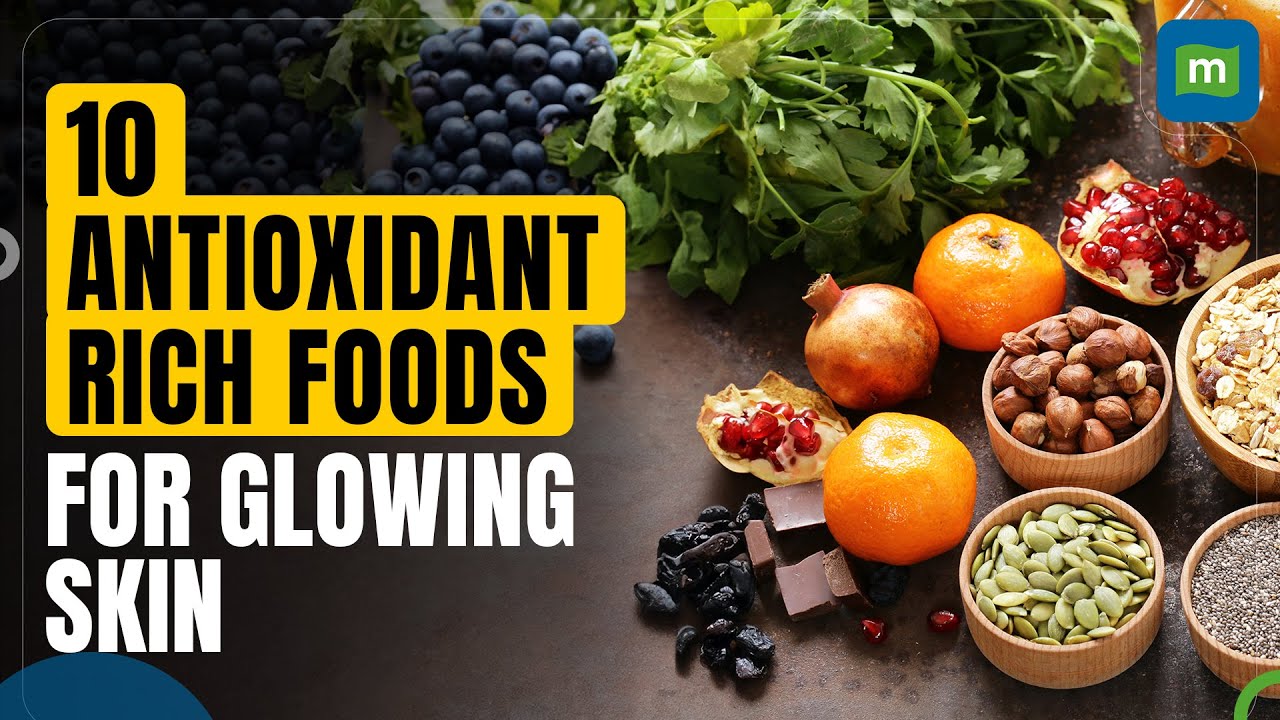
Foods High in Antioxidants: In today’s fast-paced world, we often overlook one of the most powerful weapons against disease and aging: antioxidants. These natural compounds are your body’s internal defense system, protecting your cells from damage caused by free radicals. Think of them as microscopic heroes silently working to keep you healthy, youthful, and energized.
From reducing inflammation to lowering your risk of chronic diseases like heart disease and cancer, antioxidants play a vital role in your overall well-being. And the best part? They’re readily available in everyday foods—many of which are not only incredibly nutritious but also delicious.
In this article, we’ll explore the top 10 foods high in antioxidants, breaking down what makes them so powerful, how they benefit your body, and the best ways to include them in your daily meals.
What Are Antioxidants?
Antioxidants are molecules that neutralize free radicals—unstable atoms that can cause damage to your cells. Free radicals are produced naturally in your body as a byproduct of metabolism, but external factors like pollution, UV exposure, smoking, and poor diet can accelerate their production.
When free radicals accumulate, they lead to oxidative stress, which can damage DNA, proteins, and cell membranes. This oxidative stress has been linked to a variety of health issues, including:
- Premature aging
- Cancer
- Heart disease
- Neurodegenerative diseases like Alzheimer’s
Antioxidants come in many forms, including vitamins (like vitamin C and E), minerals (like selenium), and phytonutrients such as flavonoids and polyphenols.
But the best way to harness their benefits is through natural, whole foods. That’s because antioxidants in food work synergistically with other nutrients to give your body a complete defense system.
Why Antioxidants Matter for Your Health
You might be wondering—what’s the big deal with antioxidants? Well, they’re more than just a buzzword on health food labels. Here’s how they contribute to your long-term wellness:
1. Heart Health
Antioxidants, especially flavonoids and polyphenols, have been shown to lower blood pressure, reduce LDL cholesterol, and prevent plaque buildup in the arteries. This lowers your risk of heart attack and stroke.
2. Slowing Down Aging
Antioxidants like vitamin C and E protect your skin by reducing UV damage and boosting collagen production. They also combat cellular aging at the genetic level, keeping you vibrant longer.
3. Stronger Immune System
Certain antioxidants enhance the immune response by protecting immune cells from oxidative damage, making it easier for your body to fight infections and illnesses.
4. Reduced Inflammation
Chronic inflammation is the root cause of many diseases, and antioxidants like quercetin and curcumin are known to reduce inflammation markers in the body.
In short, antioxidants aren’t just optional—they’re essential for maintaining energy, resilience, and longevity.
Top 10 Foods High in Antioxidants
1. Blueberries: The Ultimate Antioxidant Powerhouse
When it comes to antioxidant-rich foods, blueberries are the gold standard. They may be small in size, but they pack a serious punch when it comes to health benefits.
Blueberries are especially high in anthocyanins, the pigments that give them their deep blue color. These compounds have been shown to:
- Protect against oxidative stress
- Improve brain function
- Reduce the risk of heart disease
Studies even show that regular blueberry consumption can boost memory and delay age-related cognitive decline.
How to Enjoy More Blueberries
- Add them to your morning oatmeal or yogurt
- Blend them into smoothies
- Eat them fresh as a snack
- Freeze them for a healthy dessert alternative
A single cup of blueberries contains up to 9,000 ORAC units (a measure of antioxidant activity), making them one of the most potent fruits on the planet.
2. Dark Chocolate: Sweet and Healthy
Yes, you read that right—dark chocolate is good for you (in moderation, of course). Rich in flavonoids, especially a subtype called flavanols, dark chocolate helps improve blood flow and lowers blood pressure.
But not all chocolate is created equal. The higher the cocoa content, the more antioxidants it contains. Aim for at least 70% cocoa to reap the benefits without too much added sugar.
Health Benefits of Dark Chocolate
- Enhances brain function
- Improves mood by boosting serotonin
- Reduces bad cholesterol (LDL)
One square of high-quality dark chocolate a day can give your body a healthy antioxidant boost. But be careful not to overdo it—it’s calorie-dense and can quickly add up.
3. Strawberries: Delicious and Nutritious
Strawberries aren’t just juicy and sweet—they’re also antioxidant superstars. Bursting with vitamin C, polyphenols, and anthocyanins, these vibrant red berries support your immune system, fight inflammation, and help protect your heart.
In fact, just one cup of strawberries provides over 100% of your daily vitamin C needs. That’s not just good for preventing colds—it’s crucial for repairing tissues and protecting skin from environmental damage.
Why Strawberries Are Worth Adding to Your Diet
- Cardiovascular health: Strawberries reduce oxidative damage to LDL cholesterol and lower blood pressure.
- Skin support: High vitamin C helps in collagen synthesis, giving your skin elasticity and glow.
- Blood sugar balance: Despite being sweet, strawberries have a low glycemic index and can even help control blood sugar spikes.
Tasty Ways to Eat More Strawberries
- Slice them into cereal or oatmeal
- Blend into a refreshing smoothie
- Dip in dark chocolate for a double antioxidant dessert
- Add to a summer salad with spinach and feta
Whether fresh or frozen, strawberries are a delicious way to boost your antioxidant intake—and they’re available year-round.
4. Artichokes: A Hidden Gem
Artichokes might not be the first food that comes to mind when you think of antioxidants, but they deserve a spot on your plate. Rich in chlorogenic acid, rutin, and quercetin, artichokes offer one of the highest antioxidant counts among vegetables.
In fact, when boiled or steamed, artichokes can provide over 9,400 ORAC units per serving, rivaling even the most antioxidant-packed berries.
How Artichokes Benefit Your Health
- Liver support: Artichokes promote bile production, helping detoxify your liver.
- Digestive health: They’re loaded with fiber, supporting gut health and digestion.
- Blood sugar control: Chlorogenic acid helps regulate glucose levels.
Simple Ways to Enjoy Artichokes
- Steam and dip the leaves in olive oil or lemon-garlic butter
- Add hearts to salads, pasta, or grain bowls
- Roast them with herbs and garlic for a tasty side dish
Though they may seem tricky to prepare, mastering artichokes is worth the effort—they’re one of nature’s best-kept antioxidant secrets.
5. Goji Berries: The Ancient Superfood
Goji berries have been used in traditional Chinese medicine for centuries—and for good reason. These tiny red fruits are rich in zeaxanthin, beta-carotene, and polysaccharides, making them a potent antioxidant source.
Their unique antioxidant profile helps protect the eyes, boost immunity, and enhance energy levels. Studies suggest that goji berries may even support mental clarity and improve sleep quality.
What Makes Goji Berries Special?
- Eye health: Zeaxanthin helps filter blue light and protect the retina.
- Immune booster: Their polysaccharides strengthen the immune system.
- Anti-aging: Goji berries reduce oxidative stress and inflammation in the skin.
How to Add Goji Berries to Your Diet
- Sprinkle dried berries over granola or yogurt
- Steep in hot water to make goji berry tea
- Add to trail mix or bake into healthy bars
Because they’re often sold dried, goji berries are perfect for on-the-go snacks or tossing into smoothies. Just a handful a day can go a long way.
6. Raspberries: Small but Mighty
Raspberries may look delicate, but they pack a nutritional punch. They’re loaded with ellagic acid, quercetin, and vitamin C—a combination that helps fight oxidative stress and inflammation.
They also contain fiber—especially soluble fiber—which supports heart health, regulates blood sugar, and feeds your gut microbiome.
Why Raspberries Are a Top Antioxidant Food
- Cancer-fighting potential: Ellagic acid is known for its anti-carcinogenic properties.
- Gut-friendly: A single cup has 8 grams of fiber, aiding digestion.
- Brain health: Their flavonoids support memory and cognition.
Delicious Ways to Eat Raspberries
- Mix into oatmeal or cottage cheese
- Add to chia pudding or smoothies
- Bake into muffins or healthy desserts
And don’t worry about always buying fresh—frozen raspberries retain most of their antioxidants and are available all year.
7. Kale: The Green Antioxidant Giant
Kale is a leafy green that’s earned its spot in the spotlight—and not just because it’s trendy. Packed with vitamins A, C, and K, lutein, and beta-carotene, kale is a nutrient-dense food that supports virtually every system in your body.
A single cup of raw kale contains more than 200% of your daily vitamin A and C needs, along with fiber, calcium, and a powerful blend of antioxidants.
How Kale Supports Your Body
- Eye protection: Lutein and zeaxanthin protect your eyes from UV and blue light damage.
- Skin and immunity: Vitamin C helps produce collagen and support immune cells.
- Detox support: Kale’s compounds help your liver process toxins more efficiently.
Best Ways to Eat Kale
- Massage it with olive oil and lemon juice for a salad
- Blend into green smoothies
- Sauté with garlic or bake into crunchy kale chips
Kale’s antioxidant power is best preserved when eaten raw or lightly cooked, so try not to over-boil it.
8. Red Cabbage: Vibrant and Powerful
Red cabbage doesn’t just add a splash of color to your plate—it adds a major antioxidant boost too. This affordable veggie is incredibly rich in anthocyanins (the same antioxidant found in blueberries), along with vitamin C, sulforaphane, and other flavonoids.
Compared to green cabbage, red cabbage contains up to 10 times more antioxidants. It’s also packed with fiber, which supports gut health and helps regulate blood sugar.
Health Benefits of Red Cabbage
- Anti-inflammatory properties: Anthocyanins reduce oxidative stress and inflammation throughout the body.
- Boosts immunity: High vitamin C levels help fight infections and improve skin health.
- Supports detoxification: Cruciferous vegetables like red cabbage help your body process and eliminate toxins more effectively.
How to Include Red Cabbage in Your Diet
- Slice thin and toss into salads or slaws
- Ferment it into sauerkraut for gut-boosting probiotics
- Sauté or roast as a colorful veggie side
Tip: Red cabbage retains more antioxidants when eaten raw or lightly cooked, so avoid overboiling it. Plus, it’s budget-friendly, easy to find, and lasts a long time in the fridge—what’s not to love?
9. Beans: Plant-Based Protein with a Bonus
Beans—especially black beans, kidney beans, and pinto beans—are rich in polyphenols, which act as powerful antioxidants in your body. Besides being an excellent plant-based protein source, they also contain fiber, iron, and folate.
When it comes to antioxidant capacity, black beans top the list. They contain compounds like kaempferol and catechins, which are known for their anti-inflammatory and anti-cancer properties.
Why Beans Are Essential for Antioxidant Support
- Heart health: Help lower cholesterol and improve blood pressure.
- Blood sugar control: The fiber slows down digestion and sugar absorption.
- Supports weight management: High in protein and fiber, they keep you feeling full longer.
Tasty Ways to Eat More Beans
- Add to salads, soups, and stews
- Make bean-based dips like hummus or black bean spread
- Use them as a meat substitute in tacos or burritos
To get the most antioxidants, cook beans properly. Soaking them before cooking can improve nutrient absorption and digestion while reducing compounds that cause bloating.
10. Pecans: Crunchy and Rich in Antioxidants
Pecans are often seen as a holiday treat, but they’re also a nutritional powerhouse. These buttery, delicious nuts are loaded with flavonoids, vitamin E, and healthy fats, making them one of the highest-antioxidant nuts you can eat.
In fact, a small handful of pecans can provide over 5,000 ORAC units, which helps combat oxidative damage and supports overall health.
Benefits of Eating Pecans
- Brain health: Vitamin E protects brain cells from aging.
- Heart support: Healthy monounsaturated fats reduce inflammation and support good cholesterol.
- Weight management: Though high in calories, their combination of fat, protein, and fiber helps curb overeating.
How to Add Pecans to Your Diet
- Sprinkle on oatmeal or yogurt
- Mix into salads for a crunchy twist
- Use as a topping on roasted vegetables or grain bowls
Go easy on portion sizes—just a small handful (about 1 ounce) a day gives you a strong antioxidant dose without too many calories. Opt for raw or dry-roasted pecans without added sugar or salt.
Tips for Getting More Antioxidants Daily
Adding more antioxidants to your diet doesn’t have to be complicated or expensive. It’s all about making small, consistent choices that add up over time.
1. Eat the Rainbow
Aim to eat fruits and vegetables of every color. Different colors often mean different types of antioxidants, so variety is key.
- Red: Tomatoes, strawberries, red cabbage
- Blue/Purple: Blueberries, eggplant, grapes
- Green: Kale, spinach, broccoli
- Yellow/Orange: Carrots, oranges, sweet potatoes
2. Use Herbs and Spices
Spices like turmeric, cinnamon, oregano, and cloves are loaded with antioxidants. Add them to soups, stews, or smoothies.
3. Choose Whole Foods Over Processed
Whole foods contain natural antioxidants, while processed foods often strip them away. Opt for whole grains, fruits, and vegetables whenever possible.
4. Brew Smart Beverages
Switch out sugary drinks for antioxidant-rich ones like green tea, matcha, or lemon water with berries.
5. Cook Smart
Steaming and roasting preserve more antioxidants than boiling or overcooking. Try lightly sautéing veggies or eating some of them raw.
Antioxidants in Beverages
Antioxidants aren’t just in food—they’re in many of our favorite drinks, too. Some of the best beverages for antioxidants include:
Green Tea
Contains catechins like EGCG, known for boosting metabolism and fighting cancer-causing free radicals.
Coffee
Packed with polyphenols, coffee is a major antioxidant source for many people—just don’t overload it with sugar and cream.
Red Wine (In Moderation)
Contains resveratrol, which supports heart health and longevity. Limit to one glass per day.
Antioxidant Supplements vs. Whole Foods
While it may seem easier to pop a supplement, whole foods offer a better source of antioxidants due to synergy with other nutrients. Here’s a quick comparison:
| Aspect | Whole Foods | Supplements |
|---|---|---|
| Nutrient synergy | High | Low |
| Risk of overdose | Low | Higher (especially with fat-soluble vitamins) |
| Fiber content | Yes | No |
| Absorption efficiency | Higher | Can vary |
When Supplements Might Help
- If you have specific deficiencies
- During pregnancy or illness (under medical advice)
- If your diet lacks variety
But for most people, a colorful, whole food-based diet provides all the antioxidants needed to thrive.
FAQs about Foods High in Antioxidants
1. Can you eat too many antioxidants?
Yes, although rare through food alone. High doses from supplements can sometimes interfere with medication or cause imbalance. Stick to natural food sources for safety.
2. Are fresh or frozen fruits better for antioxidants?
Both are great! Frozen fruits are often picked and frozen at peak ripeness, preserving antioxidants. Choose whichever fits your budget and lifestyle.
3. What drinks are high in antioxidants?
Green tea, coffee, matcha, pomegranate juice, and red wine (in moderation) are all rich in antioxidants.
4. How do antioxidants help the skin?
They reduce free radical damage, support collagen production, and protect against sun damage—leading to healthier, more youthful skin.
5. What’s the best way to cook antioxidant-rich veggies?
Steaming and roasting retain more antioxidants than boiling. For some vegetables, eating them raw (like red cabbage or kale) is even better.
Conclusion
Antioxidants are like your body’s internal shield, protecting you from disease, aging, and daily wear and tear. From blueberries to pecans, the top 10 antioxidant-rich foods we’ve covered offer a delicious, natural way to fuel your body with what it needs most.
By making simple changes—like swapping out snacks, adding berries to breakfast, or tossing extra greens in your meals—you’ll be giving your body the tools to fight back against oxidative stress.
It’s not about being perfect. It’s about eating more of the good stuff, more often. So why not start today? Your future self will thank you.