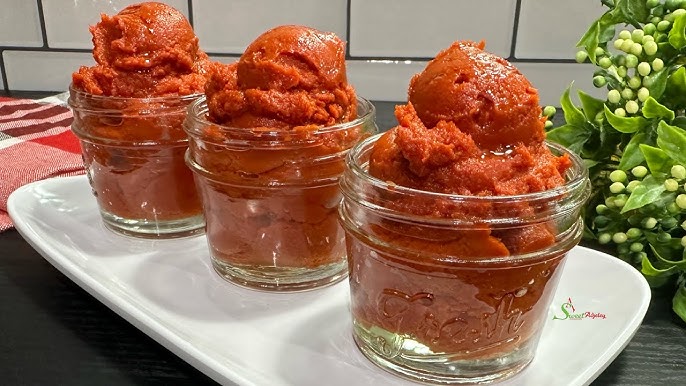
Tomato Paste Recipe: Tomato paste is a thick, rich concentrate made from tomatoes that have been cooked down for hours, strained, and then further reduced to remove most of their moisture. What’s left is a dense, bold essence of tomato flavor that adds depth and intensity to soups, sauces, stews, and a wide variety of other dishes. Think of it as the superhero version of a tomato—it’s everything great about this fruit, compressed into a spoonful.
It’s a staple in kitchens around the world. Whether you’re cooking Italian marinara, Indian curries, or Middle Eastern stews, tomato paste often plays a behind-the-scenes role in bringing dishes to life. But what makes it really special is its ability to transform meals with just a small amount.
Store-bought tomato paste might be convenient, but it rarely compares to the flavor of a homemade version. And let’s be honest—homemade anything just hits differently, doesn’t it?
Why Make Tomato Paste at Home?
The real question is: why not? Making tomato paste at home isn’t just a fun weekend project; it’s also a way to ensure you know exactly what’s going into your food. No preservatives, no weird aftertaste, just pure, sun-ripened tomato flavor.
You can control the texture, the intensity, and even add your own personal flair—maybe a hint of garlic, a splash of olive oil, or some smoky roasted peppers. Plus, it’s a great way to use up a bumper crop of tomatoes if you’ve got a garden or scored a deal at the farmer’s market.
Economically, making your own tomato paste can also be more cost-effective in the long run, especially during tomato season. And if you’ve ever tasted fresh tomato paste from scratch, you’ll understand just how rewarding it is.
Ingredients Needed
Fresh Tomatoes: The Star of the Show
The most important ingredient in tomato paste is, obviously, the tomatoes. But not just any tomatoes—look for varieties that are meaty with low moisture content and fewer seeds. Roma, San Marzano, Amish Paste, and Plum tomatoes are all excellent choices.
Here’s a basic guideline for quantity:
- 10 pounds of fresh tomatoes yields about 1 pint of tomato paste.
This might sound like a lot, but remember, the water content cooks off and what you’re left with is incredibly concentrated.
When choosing your tomatoes:
- Look for deep red fruits with a firm texture.
- Avoid overripe or watery tomatoes (like slicing tomatoes), as they won’t reduce as well.
- Organic and vine-ripened are ideal if you’re after the best flavor.
Optional Add-ins for Flavor
Tomato paste is often made with just tomatoes and a touch of salt, but if you’re feeling a little creative, consider the following optional ingredients:
- Olive Oil: Adds a smooth texture and richness.
- Garlic: Infuses the paste with bold aroma and depth.
- Onions: Adds a subtle sweetness.
- Bay Leaves or Basil: For herbal undertones.
- A touch of sugar: Balances acidity if your tomatoes are too tangy.
- Salt: Enhances and preserves the flavor.
These extras are completely optional, but they can elevate the flavor profile depending on what you’ll be using the paste for.
Equipment You’ll Need
Essential Kitchen Tools for Making Tomato Paste
Making tomato paste does require a bit of equipment, but you don’t need anything too fancy. Most of the tools are probably already in your kitchen.
Here’s what you’ll need:
- Large stockpot or Dutch oven – To cook down the tomatoes initially.
- Sharp knife & cutting board – For prepping the tomatoes.
- Blender, food processor, or food mill – To puree the tomatoes.
- Fine mesh strainer or sieve – To remove seeds and skins if not using a food mill.
- Baking sheet – For slow baking the tomato puree into a paste.
- Parchment paper – Prevents sticking during baking.
- Wooden spoon or silicone spatula – For stirring and spreading.
- Glass jars or ice cube trays – For storing your finished product.
Optional but useful:
- Oven thermometer – To keep your oven at a consistent low temperature.
- Scale – If you want to measure your tomatoes precisely.
- Rubber gloves – If you’re working with a large batch to protect your hands.
The goal here is to reduce the tomato puree slowly and evenly, so the tools help with efficient prep and consistent results.
Step-by-Step Instructions
Step 1 – Selecting and Preparing Tomatoes
First things first—pick your tomatoes. You’ll want about 10 pounds to make one pint of tomato paste. Wash them thoroughly under cold water to remove dirt and pesticides. Trim off any bruises, blemishes, or bad spots.
Next, core the tomatoes to remove the stem and white core. If you want a smoother paste, you can also peel them by blanching in boiling water for 30 seconds and then plunging into ice water—the skins will slip right off.
Then, chop the tomatoes roughly. Don’t worry about making them uniform; they’ll be blended later. The goal here is just to make them easier to cook down.
Now it’s time to load them into a large stockpot and start cooking.
Step 2 – Cooking Down the Tomatoes
With your chopped tomatoes ready in the pot, turn the heat to medium-high. Stir occasionally to prevent sticking as the tomatoes start to break down. As they cook, they’ll release their juices and begin to bubble. This stage typically takes about 30 to 45 minutes.
During this time:
- Stir frequently to avoid scorching.
- If you’re using onions or garlic for added flavor, now’s the time to toss them in.
- Don’t cover the pot—you want the moisture to escape and the mixture to reduce naturally.
Once the tomatoes are soft and falling apart, remove them from the heat and allow the mixture to cool slightly before the next step.
Step 3 – Straining and Reducing
Now it’s time to create that smooth, luxurious texture we associate with good tomato paste. If you’re using a food mill, you can strain the mixture directly into another pot, removing skins and seeds in one go. Alternatively, you can blend the tomatoes in a blender or food processor, then push the puree through a fine-mesh sieve or strainer.
What you want is a thick, uniform tomato puree with all the solids removed.
Return the strained puree to the pot and simmer over low heat. Stir regularly and let it reduce for another 30 to 60 minutes, depending on the water content. The color will deepen and the flavor will intensify. You’re looking for a thick, spreadable consistency—think tomato paste, not sauce.
Pro tip: Add a pinch of salt at this stage to enhance flavor and help preserve the paste.
Step 4 – Baking and Thickening
Once your tomato puree has reduced considerably on the stovetop, transfer it onto a baking sheet lined with parchment paper for the final thickening step. This oven phase helps concentrate the paste even more and remove the last bit of moisture.
Preheat your oven to 200°F (93°C). Spread the tomato puree evenly over the parchment paper to a thickness of about ¼ inch. Bake for about 1½ to 2½ hours, stirring and respreading every 30 minutes to ensure even drying and prevent burning.
You’ll know it’s done when:
- The paste is thick and deep red.
- It holds its shape when scooped.
- There’s minimal liquid when pressed with a spoon.
Storage Tips
So, you’ve made a batch of beautiful, homemade tomato paste—congrats! Now let’s make sure it keeps well.
Fridge: If you’ll be using it within a week or so, transfer the paste to a sterilized glass jar. Smooth the top and drizzle a thin layer of olive oil on top to seal out air. Store in the fridge for up to 10 days.
Freezer: For long-term storage, spoon the paste into ice cube trays. Once frozen, transfer the cubes to a zip-top freezer bag. These tomato bombs are perfect for dropping into sauces or soups. They’ll keep in the freezer for up to 6 months.
Canning: If you’re into home canning, you can pressure-can your tomato paste in small jars for shelf stability. Just be sure to follow USDA safety guidelines for tomato-based canning to prevent botulism.
How to Use Homemade Tomato Paste
Once you have this flavor-packed paste in your kitchen, the possibilities are endless.
- Soups & Stews: Stir a cube into lentil soup, chili, or beef stew to add body and depth.
- Pasta Sauces: Boost your marinara or Bolognese with a spoonful for that rich, slow-cooked flavor.
- Pizza Sauce: Mix with herbs and a splash of olive oil for a perfect pizza base.
- Curries: Add a tablespoon to Indian or Thai dishes for added umami.
- Marinades & Rubs: Combine with spices and vinegar for a savory meat marinade.
Tips and Tricks for the Best Tomato Paste
Making tomato paste at home might be simple in theory, but a few smart tricks can take your batch from good to incredible. After all, you’re investing time and effort—you want it to pay off in flavor and quality.
Use the Ripest Tomatoes Possible
Ripe tomatoes mean sweeter, richer paste. Try to use tomatoes that are in season and perfectly matured. Overripe tomatoes may be mushy and waterlogged, while underripe ones lack the bold flavor that makes tomato paste special.
Cook Slowly and Stir Often
The key to a rich, thick tomato paste is patience. Let it simmer and bake low and slow. Stir frequently—especially in the oven—to prevent the edges from burning and ensure an even consistency throughout.
Don’t Skip the Straining
Whether you’re using a food mill or sieve, straining is crucial. Removing skins and seeds creates a silky texture and ensures the paste won’t taste bitter or gritty. It’s a little extra work but totally worth it.
Experiment with Flavor Additions
If you plan to use your paste in specific cuisines, add flavorings during the cooking stage. Garlic and basil for Italian dishes, smoked paprika for barbecue sauces, or chili for Mexican stews—it’s your paste, make it personal.
Common Mistakes to Avoid
Even the most enthusiastic home cooks can run into trouble when making tomato paste. Here are some common pitfalls to avoid:
Using the Wrong Tomato Variety
Not all tomatoes are created equal. Juicy salad tomatoes like beefsteak or cherry varieties may seem tempting, but they contain too much water and take forever to reduce. Always opt for paste tomatoes like Roma or San Marzano.
Rushing the Process
Impatience can ruin the paste. If you crank up the heat to speed things up, you risk burning the tomatoes or ending up with a watery paste. Low and slow wins the race—always.
Improper Storage
Don’t leave your tomato paste sitting in the fridge uncovered or unsealed. It will spoil quickly. Always top it with a thin layer of olive oil or freeze it in small batches to preserve freshness.
Skipping the Final Oven Step
You might be tempted to stop after the stovetop reduction—but don’t. The final oven bake removes excess moisture and deepens the flavor. It’s the secret to getting that rich, paste-like consistency.
FAQs about Tomato Paste Recipe
Can I use canned tomatoes instead of fresh?
Yes, you can, especially in the off-season. Choose whole peeled tomatoes with no added flavors. Just keep in mind that the final taste may be slightly less vibrant than using fresh, ripe tomatoes.
How long does homemade tomato paste last?
In the refrigerator, it lasts about 7–10 days if stored in an airtight jar topped with olive oil. In the freezer, it can last up to 6 months when portioned into ice cube trays or small containers.
Can I make tomato paste without an oven?
Absolutely. You can simmer the puree on the stovetop until it thickens. It takes longer and requires more stirring, but it works. Just be extra careful to prevent scorching.
Is it cheaper to make tomato paste at home?
If you have access to inexpensive or homegrown tomatoes, yes. Especially during peak season, making your own paste is more affordable—and tastier—than buying store-bought versions.
What kind of tomatoes are best for tomato paste?
Paste tomatoes like Roma, San Marzano, and Amish Paste are ideal. They have more flesh, fewer seeds, and less water, which makes them perfect for reducing into a rich, thick paste.
Conclusion
Homemade tomato paste is a labor of love, but the payoff is a versatile kitchen staple that packs a punch in every bite. With just tomatoes, salt, and a bit of time, you can create a paste that elevates any dish with deep, concentrated flavor. Whether you’re a seasoned cook or a curious beginner, this step-by-step guide equips you with everything you need to transform fresh tomatoes into a delicious, long-lasting ingredient.
Make it once, and you’ll never go back to the canned stuff. So the next time you see a deal on Roma tomatoes or your garden overflows, you know exactly what to do. Happy cooking!