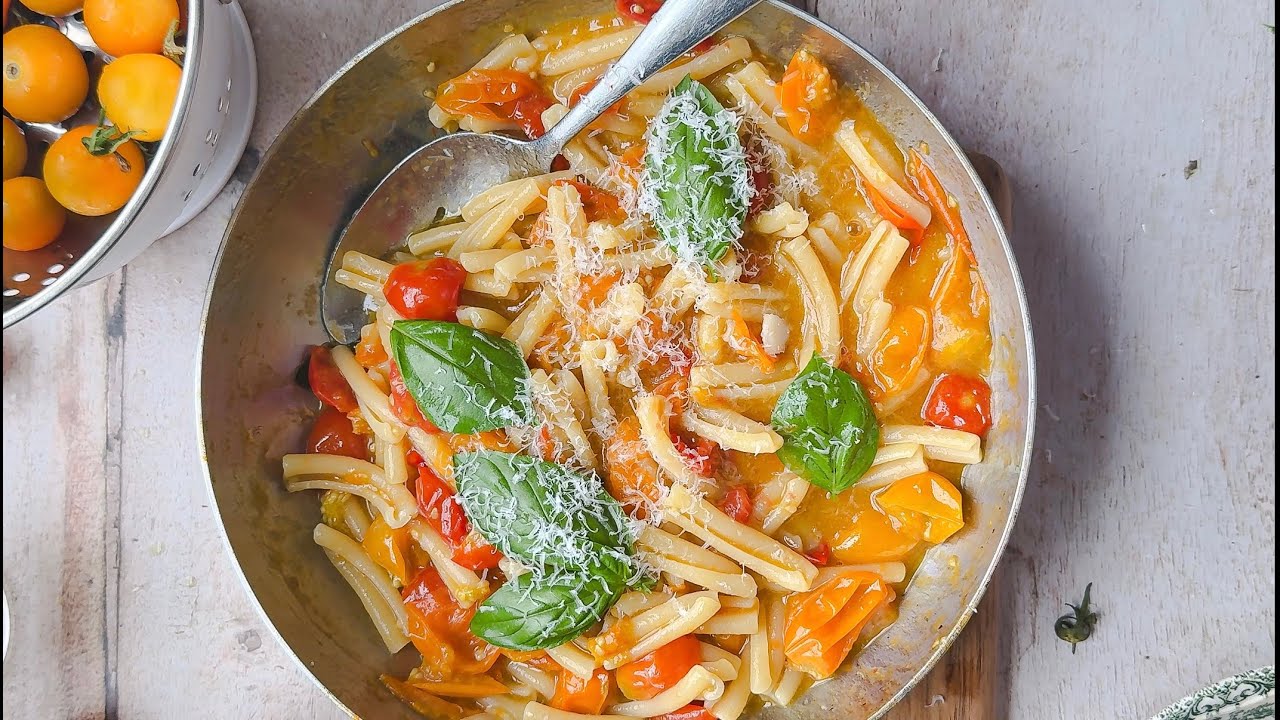
Tomato Pasta Sauce Recipe: There’s nothing like a rich, comforting tomato pasta sauce made from scratch. Whether you’re tossing it with spaghetti, layering it in lasagna, or using it as a base for a pizza, homemade tomato sauce is always a game-changer. It’s fresher, healthier, and way more flavorful than anything you’ll find in a jar.
This step-by-step guide walks you through everything you need to create a delicious, well-balanced tomato pasta sauce from scratch. No culinary degree required—just a few simple ingredients, a bit of patience, and a love for good food. If you’ve ever felt overwhelmed by recipes or unsure where to start, don’t worry. We’ve broken it down into clear steps anyone can follow.
Let’s get cooking!
List of Ingredients You’ll Need
Making a good tomato pasta sauce starts with the right ingredients. You don’t need anything fancy—just quality, fresh items that come together in perfect harmony.
Basic Ingredients:
- Olive oil – 2 to 3 tablespoons
- Garlic – 4 to 5 cloves, minced
- Yellow onion – 1 medium, finely chopped
- Tomatoes – 6 to 8 ripe plum tomatoes (or 2 cans of whole peeled tomatoes)
- Salt – 1 teaspoon (adjust to taste)
- Black pepper – ½ teaspoon
- Sugar – ½ teaspoon (to balance acidity)
- Fresh basil leaves – A handful, torn or chopped
- Oregano (dried or fresh) – 1 teaspoon
- Red chili flakes (optional) – For a kick
Optional Add-Ons:
- Butter – Adds richness if you want a creamier texture
- Carrot (grated) – Helps naturally sweeten and balance the acidity
- Bay leaf – For deeper flavor during simmering
- Parmesan rind – Add during simmering for an umami boost
- Red wine – Just a splash for complexity
These ingredients form the heart of the sauce. What’s great is how adaptable this recipe is—vegan, gluten-free, or low-sodium diets? No problem. You can adjust this base to suit almost any preference.
Kitchen Tools You’ll Need
Even a basic kitchen setup is enough for this recipe. Still, having the right tools will make the process smoother and faster.
Essential Tools:
- Large saucepan or skillet
- Wooden spoon or spatula for stirring
- Cutting board and sharp knife
- Blender or immersion blender (if you want a smooth sauce)
- Can opener (if using canned tomatoes)
Helpful Extras:
- Garlic press (for quickly mincing garlic)
- Fine mesh strainer or food mill (to remove seeds/skins if needed)
- Ladle (for easy pouring and serving)
That’s it! Nothing complicated here—just practical tools you probably already have in your kitchen.
Choosing the Right Tomatoes
Not all tomatoes are created equal when it comes to pasta sauce. The type you choose can completely change the flavor and consistency of your sauce.
Fresh Tomatoes vs. Canned Tomatoes
- Fresh Tomatoes: If it’s tomato season and you can find ripe, juicy tomatoes, use them. Plum tomatoes like Roma are best because they’re meaty and not too watery.
- Canned Tomatoes: Out of season? No problem. Go for San Marzano whole peeled tomatoes (from Italy, if possible). They’re sweet, low-acid, and ideal for sauce.
Best Varieties for Sauce:
- Roma (Plum)
- San Marzano
- Amish Paste
- Big Mama
- Heirloom tomatoes (if you want a sweet, earthy flavor)
Whatever you pick, make sure they’re ripe. Overripe tomatoes can make the sauce taste sour, while underripe ones will lack flavor.
Prepping the Ingredients
Before you heat anything up, get your ingredients ready. This step makes the whole process more enjoyable and less rushed.
Here’s What to Do:
- Wash and dry your fresh tomatoes if using. If you want to peel them (optional), blanch in boiling water for 30 seconds and plunge into ice water. Skins come right off.
- Mince the garlic and finely chop the onion.
- Wash and pat dry your fresh basil.
- Grate the carrot (if using) and set aside.
- Measure out all your spices and seasonings ahead of time.
This simple mise en place (prep) step saves you from burning the garlic while you’re still chopping onions—trust me, we’ve all been there!
Step-by-Step Guide to Making Tomato Pasta Sauce
Alright, now we get to the fun part—cooking the actual sauce. This process is super straightforward, and you’ll be amazed by how the ingredients transform into something magical.
Step 1: Heat the Olive Oil
Place a saucepan over medium heat and add olive oil. Allow it to warm gently until it shimmers. Properly heated oil helps release the flavors of the aromatics without burning them.
Step 2: Sauté the Garlic and Onions
Add finely chopped onions and cook for 3–5 minutes until soft and translucent. Stir in minced garlic and sauté for about 30 seconds, just until fragrant. Avoid browning the garlic, as it can turn bitter.
Step 3: Add the Tomatoes
Pour in crushed, canned, or freshly chopped tomatoes. Stir well to combine with the onion and garlic mixture. If using fresh tomatoes, lightly crush them with a spoon to help release their juices.
Step 4: Simmer and Stir
Reduce the heat to low and let the sauce simmer gently for 15–20 minutes. Stir occasionally to prevent sticking. This slow cooking allows the tomatoes to break down and the flavors to deepen.
Step 5: Add Herbs and Seasoning
Season the sauce with salt and black pepper. Add dried or fresh herbs such as basil, oregano, or thyme. A pinch of sugar can be added to balance acidity if needed. Stir to distribute the seasoning evenly.
Step 6: Blend for Smoothness (Optional)
For a smoother sauce, remove the pan from heat and carefully blend using an immersion blender or transfer to a blender. Blend until the desired consistency is reached. Skip this step for a rustic, chunky sauce.
Step 7: Simmer Again for Flavor Depth
Return the blended sauce to the pan and simmer for another 5–10 minutes. This final simmer helps meld the flavors and slightly thickens the sauce.
Step 8: Final Taste Test and Adjustments
Taste the sauce and adjust seasoning with more salt, pepper, or herbs as needed. Finish with a drizzle of olive oil for richness. Your tomato pasta sauce is now ready to serve or store.
How Long Should You Simmer the Sauce?
This depends on how deep you want the flavor to go.
- Quick version: 30–40 minutes total – good for weeknights.
- Flavor-packed version: 1 to 2 hours – perfect for Sunday dinner.
Remember, the longer you simmer, the more intense and rich the sauce becomes. Just make sure to stir occasionally and keep the heat low so it doesn’t scorch.
If you’re simmering for longer, partially cover the pan with a lid to avoid too much evaporation.
Storage Tips for Leftover Sauce
One of the best things about homemade tomato pasta sauce? It stores like a dream. You can easily double or triple the recipe and save a batch for later—perfect for busy weeknights or meal prepping.
Here’s how to store it properly:
Refrigeration:
- Let the sauce cool completely.
- Transfer it to an airtight container or jar.
- Store in the fridge for up to 5–7 days.
- To reheat, pour it into a saucepan and warm over low heat, stirring occasionally.
Freezing:
- Let the sauce cool to room temperature.
- Pour it into freezer-safe containers or ziplock bags. Leave a little space at the top for expansion.
- Label with the date and freeze for up to 3 months.
- When ready to use, thaw overnight in the fridge or reheat directly from frozen on the stovetop.
Pro tip: Freeze in individual or family-size portions so you can use just what you need. You can even freeze it in an ice cube tray for quick sauce portions!
Serving Suggestions
Sure, this tomato pasta sauce is made for spaghetti—but it can do so much more! Once you’ve got a delicious base like this, you can use it a dozen different ways.
Best Pasta Pairings:
- Spaghetti – A classic match.
- Penne or Rigatoni – Their ridges hold sauce beautifully.
- Fusilli – Twists trap the sauce perfectly.
- Fettuccine – Great for thicker sauces.
- Stuffed Pastas (like ravioli) – Makes a great base or topping.
Other Serving Ideas:
- Use it as a pizza sauce—just blend it smooth!
- Mix with rice or quinoa for an Italian grain bowl.
- Use as a base for shakshuka or baked eggs.
- Add meatballs and call it Italian night.
- Stir into soups or stews for extra flavor.
- Spread it on sandwiches or paninis for a saucy upgrade.
Get creative—this sauce is versatile, and the flavor just gets better with each use.
Tomato Sauce Variations
Want to mix it up a bit? Here are some fun and flavorful twists to try:
Spicy Arrabbiata:
- Add more red chili flakes or even a chopped fresh chili.
- Finish with a squeeze of lemon or a splash of red wine vinegar for brightness.
Creamy Tomato Sauce:
- Stir in heavy cream or coconut cream during the final simmer.
- Add Parmesan for an Alfredo-meets-marinara fusion.
Chunky Rustic Style:
- Don’t blend at all—just simmer until thick and spoon over pasta.
- Add chunky sautéed vegetables like zucchini, mushrooms, or bell peppers.
Protein Add-Ins:
- Brown some ground beef, sausage, or turkey and mix it into the sauce.
- Add grilled chicken or shrimp for a heartier meal.
You can even stir in cooked lentils or beans for a plant-based protein punch. The possibilities are endless.
Common Mistakes to Avoid
Even the simplest recipes have pitfalls. Here’s what to watch out for when making tomato pasta sauce:
1. Burning the Garlic
- It turns bitter fast. Add garlic after onions and sauté just until fragrant—30 seconds max.
2. Not Seasoning Enough
- Tomatoes need salt to bring out their flavor. Taste as you go and adjust at the end.
3. Rushing the Simmer
- Good sauce takes time. Letting it cook slowly deepens the flavor and thickens the texture.
4. Using Watery Tomatoes
- If using fresh tomatoes, make sure they’re meaty, not juicy. You can also scoop out seeds to avoid excess liquid.
5. Over-Blending
- If you blend too much, the sauce can become too smooth and lose its texture. Pulse lightly if you want balance.
Avoiding these simple mistakes ensures you get a rich, balanced, and flavorful sauce every time.
Nutrition Facts
Here’s a general breakdown of the nutritional content in one cup (approx. 240g) of homemade tomato pasta sauce:
| Nutrient | Amount |
|---|---|
| Calories | ~120 |
| Total Fat | ~6g |
| Saturated Fat | ~1g |
| Carbohydrates | ~15g |
| Sugar (natural) | ~8g |
| Fiber | ~3g |
| Protein | ~2g |
| Sodium | ~300mg (adjustable based on salt use) |
This sauce is naturally vegan, gluten-free, and low in fat—especially if you skip the butter and cheese. It’s a wholesome addition to just about any meal.
Benefits of Homemade Sauce Over Store-Bought
Still not convinced you should make your own sauce? Let’s break down the benefits.
1. No Preservatives or Additives
- Store-bought jars often have high fructose corn syrup, preservatives, and stabilizers. Homemade sauce = clean ingredients.
2. Customizable Flavor
- You decide how salty, spicy, sweet, or herby it is.
3. Budget-Friendly
- Making sauce from pantry staples is cheaper than buying specialty sauces.
4. Healthier
- Less sodium, no added sugar (unless you want to), and full control of the fat content.
5. Fresher Taste
- There’s no comparison—fresh tomato sauce has a brightness and depth that bottled sauces just can’t touch.
Once you try homemade, it’s hard to go back.
FAQs about Tomato Pasta Sauce Recipe
1. Can I use cherry tomatoes for this sauce?
Yes! Cherry tomatoes are sweeter and can make a delicious sauce. Just roast or sauté them first to enhance the flavor.
2. How do I thicken my tomato sauce?
Let it simmer longer uncovered. You can also mash or blend part of the sauce, or add a small spoon of tomato paste.
3. What if my sauce tastes too acidic?
Balance it with a pinch of sugar, a dab of butter, or a splash of cream. This helps smooth out sharp acidity.
4. Can I make this sauce in advance?
Absolutely. It stores well in the fridge for 5–7 days or in the freezer for up to 3 months. It also tastes better the next day!
5. Is this sauce vegan and gluten-free?
Yes! As written, it contains no animal products or gluten. Just skip dairy add-ins like butter or cheese for a fully vegan option.
Conclusion
There you have it—a complete, foolproof guide to making homemade tomato pasta sauce that’s bursting with flavor and totally customizable. Whether you’re cooking for your family, friends, or just yourself, this sauce will be your new kitchen staple.
With the right ingredients, a little patience, and the steps we’ve laid out, you’ll never need to buy store-bought again. Trust the simmer. The flavor payoff is 100% worth it.
So grab a pot, open those tomatoes, and let the aroma fill your kitchen. Happy cooking!