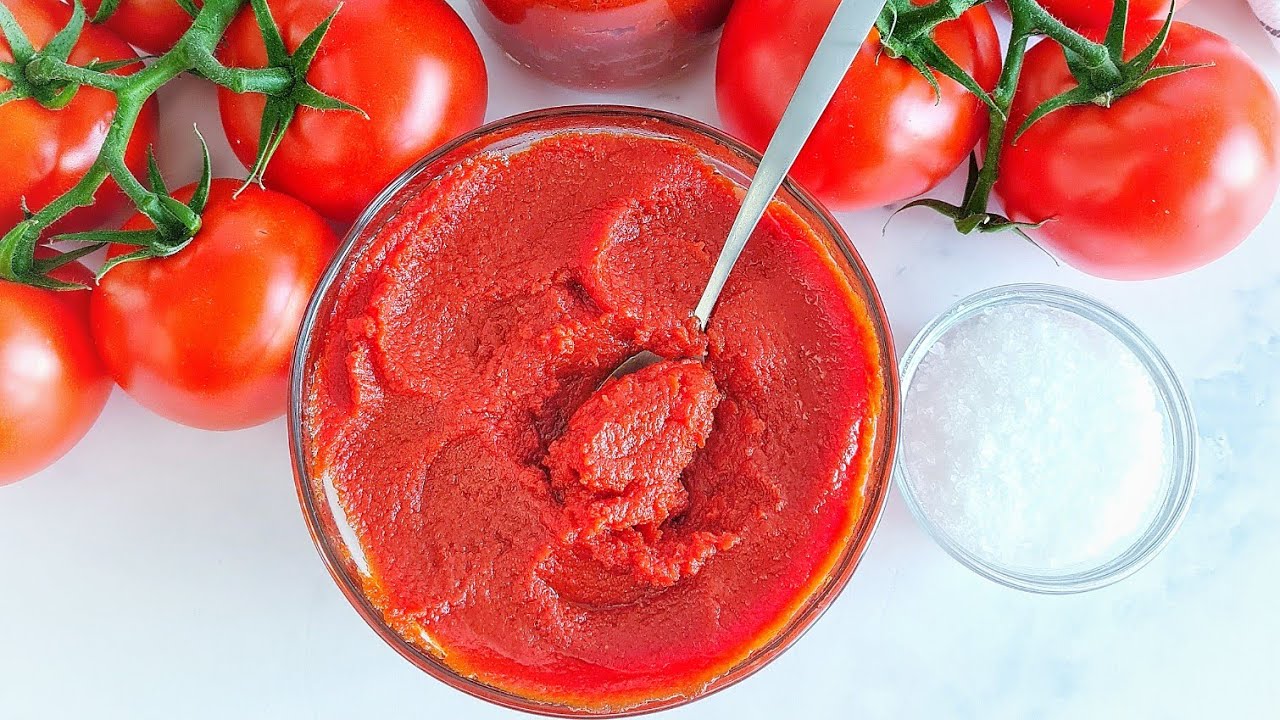
Tomato Jelly Recipe: Tomato jelly might sound unusual at first. After all, when you think of jelly, strawberries or grapes probably come to mind—not tomatoes. But here’s the surprise: tomato jelly is one of those hidden culinary gems that blends sweet, tangy, and savory flavors into something truly unforgettable.
This recipe is designed to walk you through everything—step by step—with professional precision. Whether you’re a home cook experimenting for the first time or someone looking to refine your preserving skills, this guide will help you master tomato jelly confidently.
We’ll cover ingredient selection, proper techniques, common pitfalls, and even expert-level tips to ensure your jelly sets beautifully every single time. No guesswork. No confusion. Just a clear, structured process.
Ready to turn fresh tomatoes into a sweet, glossy spread that will impress your family and guests alike? Let’s dive in.
What Is Tomato Jelly?
Tomato jelly is a sweet preserve made from tomato juice, sugar, pectin, and lemon juice. Unlike tomato jam, which often includes tomato pulp and has a thicker, chutney-like texture, tomato jelly is smooth and translucent. It has that classic jelly consistency—firm yet spreadable.
Think of it as the elegant cousin of tomato sauce. Instead of being savory and herb-heavy, it leans toward sweet and bright, making it perfect for toast, crackers, cheese boards, and even glazing meats.
The magic of tomato jelly lies in its balance. Tomatoes naturally contain both sweetness and acidity. When combined with sugar and lemon juice, those flavors intensify, creating a harmonious blend that feels both comforting and refined.
Here’s what makes tomato jelly unique:
- It has a vibrant red color that looks stunning in jars.
- It pairs beautifully with cheeses like brie, goat cheese, and cheddar.
- It can double as a glaze for roasted chicken or pork.
- It’s a fantastic homemade gift idea.
If you’ve never tried it before, you might be wondering—does it taste like ketchup? Not at all. The flavor is brighter, lighter, and far more delicate. It’s sweet with a subtle savory undertone, but it doesn’t carry the spiced profile of ketchup.
Tomato jelly is proof that simple ingredients can create something surprisingly sophisticated.
Why You’ll Love This Tomato Jelly Recipe
Let’s be honest—there are plenty of jelly recipes online. So why this one?
Because this guide is structured for clarity, reliability, and professional-quality results. No vague instructions. No skipping crucial steps. Everything is explained in detail so you know exactly what you’re doing and why it matters.
Here’s why this tomato jelly recipe stands out:
✔ Perfect Texture Every Time
We’ll cover proper pectin use and consistency testing so your jelly sets just right—not too runny, not overly stiff.
✔ Clear, Detailed Instructions
Every step is broken down thoroughly, from choosing tomatoes to sealing jars properly.
✔ Balanced Flavor
The ratio of sugar to acidity is carefully measured to enhance the tomato flavor without overpowering it.
✔ Beginner-Friendly but Expert-Approved
Even if this is your first time making jelly, you’ll feel confident. And if you’re experienced, you’ll appreciate the precision.
Making tomato jelly is surprisingly satisfying. Watching the mixture transform from cloudy juice into a glossy, jewel-toned spread feels almost magical. And when you hear that satisfying “pop” of sealed jars cooling on your counter? That’s pure kitchen joy.
If you love preserving seasonal produce or simply enjoy making something unique from scratch, this recipe will quickly become a favorite.
Choosing the Right Tomatoes
Not all tomatoes are created equal. And when it comes to jelly, your choice makes a huge difference in flavor, color, and consistency.
You want tomatoes that are ripe, vibrant, and naturally sweet. Overripe tomatoes can work, but avoid those that are bruised or moldy. Quality in equals quality out—it’s that simple.
Fresh, in-season tomatoes will always give the best results. They provide natural sweetness and richer color. The brighter the tomato, the more stunning your jelly will look in the jar.
Fresh vs. Canned Tomatoes
Fresh tomatoes are ideal because they offer superior flavor and freshness. However, if fresh tomatoes aren’t in season, high-quality canned whole tomatoes can be a backup option.
If using canned:
- Choose whole peeled tomatoes.
- Avoid seasoned or salted varieties.
- Drain excess liquid before use.
Fresh tomatoes, however, will give you that garden-fresh brightness that truly elevates the final product.
Best Tomato Varieties for Jelly
Here are the top choices:
| Variety | Why It Works |
|---|---|
| Roma | Low moisture, rich flavor |
| Beefsteak | Juicy and sweet |
| Heirloom | Deep, complex taste |
| Cherry Tomatoes | Naturally sweet |
Roma tomatoes are often preferred because they contain less water, which means a more concentrated tomato flavor.
No matter which variety you choose, aim for about 3–4 pounds of ripe tomatoes for a standard batch.
Essential Ingredients You’ll Need
Now let’s talk about what actually goes into making tomato jelly. The beauty of this recipe is its simplicity. Just a handful of ingredients come together to create something extraordinary.
Here’s what you’ll need:
- 3–4 pounds ripe tomatoes
- 4 cups granulated sugar
- 1 package (1.75 oz) powdered pectin
- 2 tablespoons fresh lemon juice
- 1 cup water (if needed for juice extraction)
That’s it. No complicated additions. No artificial flavors.
Each ingredient plays an important role:
- Tomatoes provide the base flavor and natural color.
- Sugar balances acidity and helps with preservation.
- Pectin ensures proper gel formation.
- Lemon juice adds acidity, which is essential for both flavor and safe preservation.
The sugar-to-juice ratio is critical. Too little sugar and the jelly won’t set properly. Too much, and it becomes overly sweet.
This professional ratio ensures a smooth, glossy, perfectly balanced jelly every time.
Kitchen Tools Required
Before you begin making tomato jelly, let’s talk about tools. Having the right equipment doesn’t just make the process easier—it makes it safer and more professional. Think of this like preparing your workspace before painting a masterpiece. The smoother your setup, the better your results.
You don’t need a commercial kitchen, but you do need a few essential tools:
- Large heavy-bottomed pot
- Fine mesh strainer or cheesecloth
- Wooden spoon or heat-resistant spatula
- Measuring cups and spoons
- Candy thermometer (optional but helpful)
- Ladle
- Sterilized glass jars with lids and bands
- Large stockpot for water bath canning
- Jar lifter or tongs
A heavy-bottomed pot is especially important. Why? Because jelly contains sugar, and sugar burns quickly. A thin pot can cause scorching at the bottom, which ruins both flavor and texture. A sturdy pot distributes heat evenly and prevents hot spots.
A fine mesh strainer or cheesecloth ensures your jelly turns out clear and smooth. Remember, we’re making jelly—not jam—so pulp and seeds need to be removed.
Sterilized jars are critical for food safety. Clean jars prevent contamination and extend shelf life. Even if you plan to refrigerate the jelly, starting with sterile jars keeps everything fresh and professional.
Having everything prepared before you start cooking keeps the process stress-free. Jelly-making moves quickly once the mixture starts boiling, so preparation is your secret weapon.
Preparation Tips Before You Start
Ever tried cooking something new and felt rushed halfway through? That’s exactly what you want to avoid when making tomato jelly. Preparation is everything.
First, wash your tomatoes thoroughly under cool running water. Even if they look clean, dirt and residue can affect the flavor and clarity of your juice.
Next, inspect each tomato carefully. Remove stems, blemishes, or damaged areas. Quality ingredients equal quality results—it’s that simple.
Then, prep your jars. Wash them in hot, soapy water and rinse well. After that, sterilize them by placing them in boiling water for 10 minutes. Keep them warm until ready to use. Pouring hot jelly into cold jars can cause cracking, and nobody wants that.
Measure your sugar and pectin ahead of time. Once the jelly reaches a rolling boil, timing becomes critical. You won’t have time to search for ingredients.
Here are a few extra preparation tips:
- Keep a clean, damp cloth nearby to wipe jar rims.
- Avoid doubling the batch; large batches may not set properly.
- Stay focused once cooking begins—jelly can go from perfect to overcooked quickly.
Making jelly is a bit like chemistry. Temperature, timing, and measurements matter. But once you’re organized, the process becomes smooth and satisfying.
Step-by-Step Guide to Making Tomato Jelly
Now we move into the heart of the recipe. Follow these steps carefully for professional-quality results.
Step 1: Preparing the Tomatoes
Wash ripe tomatoes thoroughly and remove the stems. Chop them into quarters, keeping the skins and seeds intact, as they add flavor and natural pectin during cooking.
Step 2: Extracting Tomato Juice
Place the chopped tomatoes in a large pot and gently simmer until they soften and release their juices. Mash lightly, then strain through a fine sieve or cheesecloth to collect clear tomato juice.
Step 3: Cooking the Jelly Mixture
Pour the tomato juice back into the pot. Add sugar, lemon juice, and pectin according to your recipe. Bring the mixture to a rolling boil, stirring constantly to prevent scorching.
Step 4: Testing the Jelly Consistency
To test doneness, place a small spoonful of jelly on a chilled plate. Let it cool briefly, then push it with your finger. If it wrinkles slightly, the jelly is ready.
Step 5: Sterilizing the Jars
Wash jars and lids with hot, soapy water. Sterilize by boiling them in water for 10 minutes. Keep jars hot until ready to fill to prevent cracking.
Step 6: Filling and Sealing the Jars
Carefully pour hot jelly into the sterilized jars, leaving a small headspace. Wipe rims clean, seal with lids, and process in a boiling water bath if storing long-term. Let jars cool completely before storing.
Pro Tips for Perfect Tomato Jelly
Want your jelly to look and taste like it came from a gourmet kitchen? Keep these professional tips in mind:
- Don’t rush the straining process.
- Use fresh lemon juice for better acidity control.
- Measure sugar precisely.
- Avoid humid days if possible—humidity can affect setting.
- Label jars with date and batch.
Patience and precision turn good jelly into exceptional jelly.
Common Mistakes to Avoid
Even though tomato jelly seems simple on paper, a few small missteps can throw off the entire batch. And let’s be honest—nothing feels more frustrating than spending hours in the kitchen only to end up with syrup instead of jelly. The good news? Most mistakes are completely avoidable once you know what to watch for.
One of the biggest mistakes is not measuring ingredients precisely. Jelly-making is closer to science than casual cooking. If you eyeball the sugar or reduce it “just a little” to make it healthier, the jelly may not set properly. Pectin needs the correct ratio of sugar and acid to activate. Change the balance, and the structure collapses.
Another common issue is overcooking the mixture. When the jelly boils longer than instructed, it can become too thick or even develop a slightly caramelized flavor. While that might sound pleasant, it can overpower the fresh brightness of the tomatoes. Stick to the one-minute rolling boil rule after adding sugar.
Then there’s the mistake of pressing the tomato pulp too hard while straining. It’s tempting to squeeze out every last drop, but doing so pushes solids through the cloth. That leads to cloudy jelly instead of that beautiful translucent ruby glow. Let gravity do the work.
Skipping proper sterilization is another critical error. If jars aren’t sanitized, bacteria can grow, shortening shelf life and potentially spoiling the batch. Always process jars in a water bath for safe preservation.
Lastly, avoid doubling the recipe in one large pot. Larger volumes don’t always set evenly, and heat distribution becomes less reliable. If you want more jelly, make multiple batches instead.
Think of tomato jelly like a delicate balance—too much or too little of one element tips the scale. Precision and patience are your best friends here.
Flavor Variations You Can Try
Once you’ve mastered the classic tomato jelly recipe, the real fun begins—experimenting with flavors. The base recipe is beautifully balanced, but small additions can completely transform its personality.
Want a little heat? Add finely chopped jalapeño or a pinch of red pepper flakes during the cooking stage. The sweetness of the jelly combined with subtle spice creates an incredible contrast. It pairs especially well with cream cheese and crackers.
If you prefer something more aromatic, consider adding fresh herbs like basil or thyme while simmering the tomato juice. Just remember to strain them out before adding sugar and pectin. The result is a more savory, garden-fresh twist that feels gourmet.
Here are a few creative variations:
- Spicy Tomato Jelly: Add 1–2 chopped jalapeños (seeds removed for mild heat).
- Garlic-Infused Jelly: Simmer crushed garlic cloves in the juice, then strain.
- Smoky Tomato Jelly: Add a tiny dash of smoked paprika.
- Balsamic Tomato Jelly: Replace one tablespoon of lemon juice with balsamic vinegar for depth.
- Sweet & Citrus Blend: Add a teaspoon of orange zest for brightness.
The key is subtlety. Tomato jelly shines because of its natural balance. Enhancements should complement, not overpower.
Think of it like adding accessories to an outfit—you want enhancement, not distraction. A hint of spice or herb can elevate the flavor profile dramatically without losing the core tomato essence.
Experiment slowly, keep notes, and adjust in future batches. That’s how signature recipes are born.
How to Store Tomato Jelly Properly
Proper storage is just as important as proper cooking. You’ve put in the effort—now make sure it lasts.
If you’ve processed your jars in a boiling water bath and they sealed correctly, they can be stored in a cool, dark place for up to one year. A pantry shelf away from direct sunlight works perfectly.
After sealing, check each jar by pressing the center of the lid. If it doesn’t flex up and down, it’s sealed. If it pops, refrigerate that jar and use it within three weeks.
Once opened, always store tomato jelly in the refrigerator. Use a clean spoon each time to prevent contamination.
Here’s a quick storage guide:
| Storage Method | Shelf Life |
|---|---|
| Sealed & Unopened | Up to 12 months |
| Refrigerated After Opening | 2–3 weeks |
| Unsealed Jar (Refrigerated Immediately) | 2 weeks |
Temperature consistency matters. Avoid storing jars near heat sources like ovens or dishwashers. Fluctuating temperatures can weaken seals.
Label your jars with the date. It sounds simple, but it prevents guesswork later. If you make multiple batches with variations, label those too.
Tomato jelly stored correctly maintains its vibrant color, firm texture, and balanced flavor for months. It’s like having a little jar of summer ready whenever you need it.
Serving Suggestions and Pairings
Tomato jelly is incredibly versatile. It’s not just for toast—although warm toast with butter and a glossy spread is undeniably comforting.
Think bigger. Think creative.
One of the most popular ways to serve tomato jelly is on a cheese board. It pairs beautifully with:
- Creamy brie
- Sharp cheddar
- Goat cheese
- Aged gouda
The sweet-tangy flavor cuts through rich cheeses, creating balance in every bite.
It also works wonderfully as a glaze. Brush it over roasted chicken or pork during the final minutes of cooking. The sugar caramelizes slightly, forming a glossy coating that looks restaurant-worthy.
Hosting brunch? Add a spoonful to a breakfast sandwich for a sweet-savory twist. Or swirl it into plain yogurt for a unique flavor boost.
You can even use tomato jelly as a:
- Burger topping
- Spread for grilled cheese
- Glaze for meatballs
- Dip base mixed with mustard
It’s like a secret weapon in your fridge—unexpected but impressive.
And let’s not forget gifting. A neatly labeled jar tied with ribbon makes a thoughtful homemade present. Few people expect tomato jelly, and that surprise factor makes it even more memorable.
Nutritional Benefits of Tomato Jelly
While tomato jelly does contain sugar, it also carries some of the natural benefits of tomatoes. Tomatoes are rich in lycopene, a powerful antioxidant known for supporting heart health and reducing oxidative stress.
They also provide:
- Vitamin C
- Potassium
- Vitamin A
- Folate
During cooking, lycopene actually becomes more bioavailable, meaning your body can absorb it more easily. That’s one reason tomato-based products are often praised in nutrition discussions.
Of course, moderation matters. Tomato jelly is a sweet preserve, so it’s best enjoyed as a complement rather than a primary food source. Think of it as flavor enhancement with a nutritional bonus.
Compared to artificially flavored spreads, homemade tomato jelly avoids preservatives and additives. You control the ingredients, the sugar level, and the quality.
When enjoyed responsibly, tomato jelly offers both flavor and a small nutritional edge. It’s proof that indulgence and wholesome ingredients can coexist.
FAQs about Tomato Jelly Recipe
1. Can I reduce the sugar in tomato jelly?
Reducing sugar significantly may prevent the jelly from setting properly because pectin requires a specific sugar ratio. If you want less sugar, use low-sugar pectin specifically designed for that purpose.
2. Why didn’t my tomato jelly set?
The most common reasons are undercooking, incorrect sugar measurements, or expired pectin. Reboiling with additional pectin can sometimes fix it.
3. Can I freeze tomato jelly instead of canning it?
Yes. Store cooled jelly in freezer-safe containers, leaving space for expansion. It can last up to 6 months in the freezer.
4. How do I know if a jar has sealed properly?
Press the center of the lid. If it doesn’t pop up and down, it’s sealed correctly.
5. Can I use cherry tomatoes for this recipe?
Absolutely. Cherry tomatoes are naturally sweet and produce a vibrant, flavorful jelly.
Conclusion
From carefully selecting tomatoes to achieving the perfect gel consistency, each step plays an essential role. Precision ensures success, while patience guarantees clarity and flavor depth.
Whether you spread it on toast, pair it with cheese, or glaze roasted meats, tomato jelly proves that simple ingredients can create something extraordinary.
Now that you have the complete professional guide—ingredients, tools, techniques, and storage tips—you’re fully equipped to make tomato jelly with confidence.
It’s not just about preserving tomatoes. It’s about preserving flavor, creativity, and a bit of culinary craftsmanship in every jar.