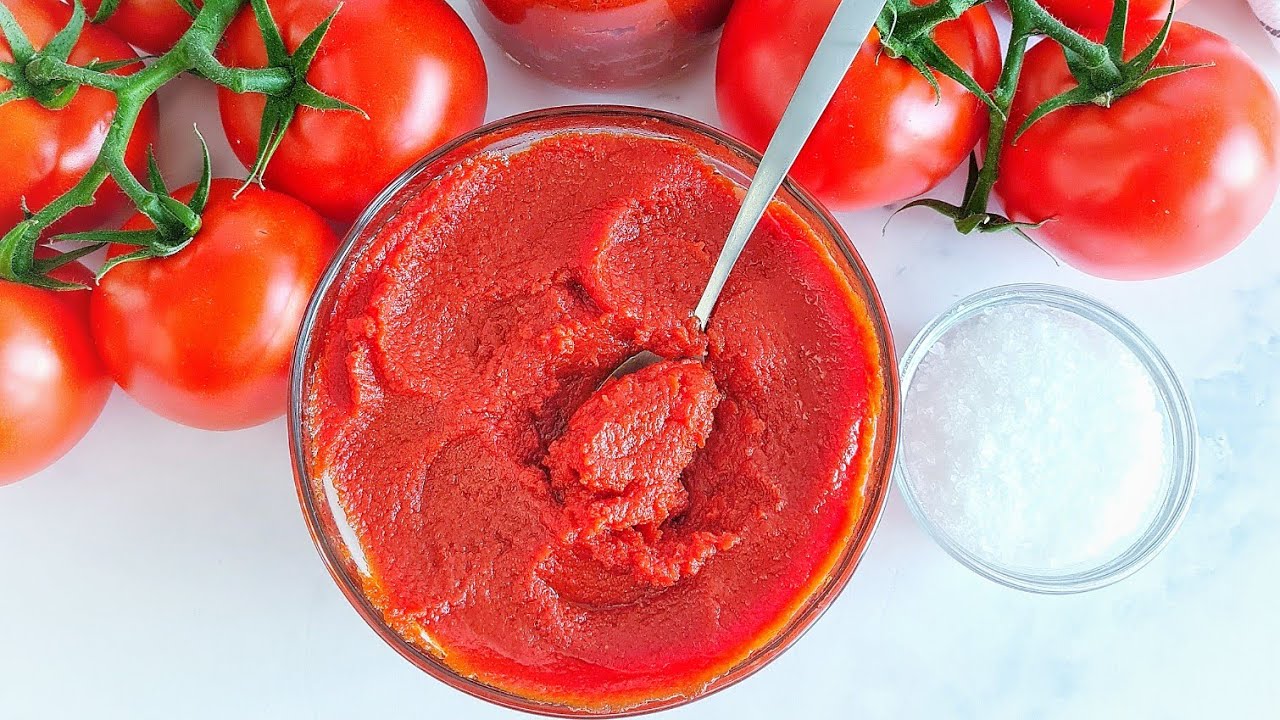
Tomato Concentrate Recipe: Making tomato concentrate at home isn’t just about saving money. It’s about control. You decide the quality of tomatoes. You control the salt. You skip preservatives. And most importantly, you create a flavor that’s fresher and brighter than anything sitting on a supermarket shelf. Homemade tomato concentrate has a natural sweetness balanced with acidity, giving dishes a vibrant kick.
Why does it matter? Because a single spoonful can transform a bland dish into something unforgettable. It’s like turning up the volume on flavor. Whether you’re making pasta sauce, chili, or even a marinade, tomato concentrate acts as the foundation that ties everything together.
And here’s the best part — it’s surprisingly simple to make. No fancy equipment. No complicated techniques. Just patience, fresh tomatoes, and a little stirring. Ready to turn ordinary tomatoes into liquid gold? Let’s dive in.
Understanding Tomato Concentrate vs. Tomato Paste
Many people use the terms “tomato concentrate” and “tomato paste” interchangeably, but there’s a subtle difference worth knowing. Tomato concentrate refers broadly to tomatoes that have been cooked down to remove excess water. Tomato paste is a more intensely reduced version, typically thicker and more compact.
Texture is the key distinction. Tomato concentrate may have a slightly softer, spreadable consistency, while tomato paste is dense and holds its shape firmly. Imagine concentrate as thick jam and paste as modeling clay. Both are rich, but paste is more concentrated.
Flavor-wise, both deliver depth, but homemade tomato concentrate often tastes fresher and slightly sweeter. Store-bought paste can sometimes carry a metallic or overly acidic note due to packaging and preservation methods. When you make it yourself, you preserve the natural balance of sugars and acids.
In cooking, both serve similar roles. They:
- Add richness to soups
- Deepen color in sauces
- Enhance stews and curries
- Boost umami in meat dishes
However, homemade concentrate blends more smoothly into dishes and doesn’t overpower them. It supports rather than dominates.
Understanding this difference helps you adjust recipes properly. If a dish calls for tomato paste and you’re using homemade concentrate, you may simply cook it a little longer to thicken further.
Either way, once you taste the homemade version, you may never go back to the canned alternative again.
Health Benefits of Tomato Concentrate
Tomato concentrate isn’t just about flavor — it’s a nutritional powerhouse. When tomatoes are reduced, their nutrients become more concentrated as well. That means every spoonful carries a dense dose of vitamins and antioxidants.
One of the standout compounds in tomatoes is lycopene. Lycopene is a powerful antioxidant responsible for the red color of tomatoes. Studies suggest it may support heart health and help combat oxidative stress in the body. Interestingly, cooked tomatoes contain more bioavailable lycopene than raw ones. So when you simmer tomatoes into concentrate, you’re actually enhancing this benefit.
Here’s a quick look at key nutrients found in tomato concentrate:
| Nutrient | Benefit |
|---|---|
| Vitamin C | Supports immune function |
| Vitamin A | Promotes healthy vision |
| Lycopene | Powerful antioxidant |
| Potassium | Helps regulate blood pressure |
Because concentrate is reduced, a small amount delivers significant nutritional value. However, moderation is key since commercial versions often contain added salt. Homemade concentrate gives you complete control over sodium levels.
Another benefit? No preservatives. No artificial additives. Just pure tomatoes. If you’re mindful about clean eating, this recipe aligns perfectly with that lifestyle.
In short, tomato concentrate doesn’t just make food taste better — it quietly supports your health too.
Choosing the Right Tomatoes
The foundation of perfect tomato concentrate starts with choosing the right tomatoes. Not all tomatoes are created equal, especially when it comes to reducing them down.
Roma tomatoes are often considered the gold standard. Why? They’re meatier and contain less water than other varieties, which means less cooking time and a thicker final product. San Marzano tomatoes are another excellent option, known for their natural sweetness and low acidity.
If Roma tomatoes aren’t available, look for:
- Plum tomatoes
- Vine-ripened tomatoes
- Heirloom varieties (for richer flavor)
Avoid overly watery tomatoes like beefsteak unless you’re prepared for a longer reduction process.
Ripeness matters too. Choose tomatoes that are deep red, slightly soft to the touch, and fragrant. Underripe tomatoes will produce a tart concentrate, while overripe ones may taste dull.
Seasonality also plays a role. Summer tomatoes are naturally sweeter and more flavorful, making them ideal for concentrate. If it’s off-season, high-quality canned whole tomatoes (without additives) can work as a substitute.
Remember, since you’re reducing everything down, the flavor intensifies. That means starting with high-quality tomatoes is non-negotiable. Think of it like making coffee — better beans, better brew.
Your concentrate will only ever be as good as the tomatoes you begin with.
Essential Kitchen Tools You’ll Need
Before you start simmering tomatoes into a thick, rich concentrate, let’s talk tools. The good news? You don’t need a professional kitchen or fancy gadgets. This recipe is beautifully simple. But having the right equipment will make the process smoother, faster, and far more enjoyable.
First, you’ll need a large heavy-bottomed pot. This is crucial. A thin pot can cause the tomatoes to burn at the bottom, especially during the final reduction stage when the mixture thickens. A heavy-bottomed pot distributes heat evenly and prevents scorching. Think of it as your safety net against burnt tomato flavor.
Next, grab a sharp knife and cutting board. Even though the tomatoes will cook down, starting with evenly chopped pieces helps them break down faster and more consistently.
A wooden spoon or silicone spatula is essential for stirring. During the final stages, you’ll need to stir more frequently to prevent sticking. Avoid metal utensils if possible—they can sometimes react slightly with acidic foods like tomatoes.
Optional but helpful tools include:
- Food mill (for removing skins and seeds easily)
- Immersion blender (for smoother texture)
- Fine mesh strainer
- Baking sheet (if using oven reduction method)
For storage, have clean glass jars with tight-fitting lids ready. Small jars are ideal because you’ll likely use concentrate in small portions.
The right tools don’t just make cooking easier—they protect the flavor and texture of your tomato concentrate. When heat is controlled and stirring is effortless, you’re free to focus on developing that deep, rich taste.
Ingredients You’ll Need
Simplicity is the beauty of tomato concentrate. You don’t need a long ingredient list—just quality components that allow the natural flavor of tomatoes to shine.
Here’s the core list:
- 4–5 pounds fresh Roma or plum tomatoes
- 1–2 tablespoons olive oil (optional)
- 1 teaspoon salt (optional, adjust to taste)
That’s it. Three simple ingredients.
The tomatoes are the star. Olive oil adds richness and helps carry flavor, while salt enhances the natural sweetness and balances acidity. However, if you prefer a no-salt version for dietary reasons, you can skip it entirely.
Optional flavor enhancers include:
- 2–3 cloves garlic (for depth)
- Fresh basil or oregano
- A pinch of sugar (if tomatoes are too acidic)
- A small splash of balsamic vinegar
If you’re aiming for a pure, versatile concentrate, keep it minimal. But if you want a ready-to-use base for pasta sauces, subtle seasoning can add complexity.
Here’s a quick ingredient overview:
| Ingredient | Purpose |
|---|---|
| Tomatoes | Main flavor base |
| Olive Oil | Enhances richness |
| Salt | Balances acidity |
| Garlic/Herbs | Optional depth |
The key is restraint. Remember, you’re concentrating flavors. Anything you add will intensify as water evaporates. A light hand now means balanced flavor later.
Fresh, simple, and powerful—that’s the philosophy behind a great tomato concentrate recipe.
Preparing the Tomatoes
Preparation is where transformation begins. Properly prepping your tomatoes ensures a smoother texture and more refined final product.
Start by washing the tomatoes thoroughly under cool running water. Even if they look clean, rinsing removes dirt and any residue from handling.
Next comes trimming. Remove the stems and any blemished spots. Then cut the tomatoes into quarters. Smaller pieces cook faster and break down more efficiently.
Now, here’s the optional but recommended step: peeling. While you can leave skins on and strain later, removing them beforehand gives you a smoother concentrate. To peel easily:
- Score a small “X” at the bottom of each tomato.
- Drop them into boiling water for 30–60 seconds.
- Transfer immediately to an ice bath.
- The skins will slide right off.
Seeds can also be removed if you prefer a smoother finish. Roma tomatoes don’t have many seeds, so this step is optional.
Why bother with these extra steps? Because texture matters. Tomato concentrate should feel silky and dense—not gritty or fibrous.
Once prepped, your tomatoes are ready to be transformed. It’s like preparing clay before shaping it. The better the prep, the smoother the process.
Step-by-Step Guide to Making Tomato Concentrate
Now we move to the heart of the recipe—the slow reduction that creates that bold, thick concentrate.
Step 1: Initial Cooking
Place the chopped tomatoes into your heavy-bottomed pot over medium heat. If using olive oil, add it now. As the tomatoes heat, they’ll release their juices. Stir occasionally.
Within 10–15 minutes, they’ll soften and begin breaking down. Use your spoon to gently crush them further.
Step 2: Simmer and Reduce
Lower the heat to medium-low and let the mixture simmer uncovered. This is where patience comes in. The goal is to slowly evaporate the water without burning the tomatoes.
Stir every 10–15 minutes at first. As it thickens, stir more frequently.
This stage can take 1.5 to 3 hours depending on tomato water content.
Step 3: Blend (Optional)
If you want a smoother texture, use an immersion blender. Blend directly in the pot until smooth.
Step 4: Final Reduction
Continue cooking until the mixture becomes thick and paste-like. It should mound slightly when spooned and hold its shape.
You’ll notice:
- Darker red color
- Deep, sweet aroma
- Thick consistency
This final stage requires close attention. Stir often to prevent sticking.
When finished, you’ll have reduced several pounds of tomatoes into a small amount of intensely flavored concentrate. It’s culinary alchemy—simple ingredients transformed through time and heat.
How to Know When It’s Ready
Timing alone isn’t enough—you need visual and sensory cues.
First, look at the texture. Proper tomato concentrate should be thick enough to:
- Hold a spoon mark
- Form soft peaks
- Spread like thick jam
If it still looks watery or slides quickly across the pan, it needs more time.
Next, observe the color. The red should deepen significantly—almost brick red. This darker hue signals caramelization of natural sugars.
Now smell it. The aroma should be rich, slightly sweet, and deeply savory. If it smells sharp or acidic, continue cooking gently.
Finally, taste it. A finished concentrate should taste:
- Sweet but balanced
- Rich and bold
- Not overly sour
Trust your senses. Cooking isn’t just about following instructions—it’s about observation.
When it feels dense, smells incredible, and tastes balanced, it’s done.
Storing Tomato Concentrate Properly
Once cooled, storage is key to preserving freshness and flavor.
For short-term use, transfer the concentrate into airtight glass jars and refrigerate. It will last up to 1 week.
For longer storage, freezing is ideal. Spoon small portions into:
- Ice cube trays
- Silicone molds
- Small freezer-safe containers
Once frozen, transfer cubes into a freezer bag. This allows you to use small portions as needed.
Shelf life in freezer: up to 6 months.
If refrigerating, drizzle a thin layer of olive oil on top to prevent air exposure.
Proper storage ensures your hard work doesn’t go to waste. After all, tomato concentrate is meant to be enjoyed—not forgotten in the back of the fridge.
Creative Ways to Use Tomato Concentrate
Tomato concentrate is incredibly versatile. A small spoonful can transform everyday dishes.
Here are powerful ways to use it:
- Stir into soups for richer flavor
- Add to pasta sauces for depth
- Mix into chili or stew
- Blend into marinades
- Spread thinly on pizza dough
It can even be whisked into salad dressings or mixed with mayonnaise for a savory spread.
Think of it as a flavor amplifier. Whenever a dish tastes flat, a spoon of concentrate can bring it back to life.
FAQs about Tomato Concentrate Recipe
1. Can I use canned tomatoes instead of fresh?
Yes. High-quality whole canned tomatoes without added preservatives or flavors work very well, especially when fresh tomatoes are out of season. Drain excess liquid before cooking for best results.
2. How long does homemade tomato concentrate last?
Homemade tomato concentrate can last up to 1 week in the refrigerator when stored in an airtight container. For longer storage, freeze it in small portions for up to 6 months.
3. Can I make tomato concentrate without salt?
Absolutely. Salt is optional and mainly used for flavor and preservation. You can omit it entirely or add it later when using the concentrate in recipes.
4. Why is my tomato concentrate too acidic?
This usually happens if the tomatoes were underripe or naturally high in acidity. Adding a small pinch of sugar while cooking can help balance the flavor without making it sweet.
5. Can I make tomato concentrate in the oven?
Yes. Slow-roasting tomatoes at a low temperature allows moisture to evaporate evenly and can enhance natural sweetness. It’s a great hands-off alternative to stovetop cooking.
Conclusion
Making tomato concentrate at home is simple, rewarding, and incredibly flavorful. With just fresh tomatoes, gentle heat, and patience, you can create a rich, versatile ingredient that elevates countless dishes.
It’s healthier than store-bought versions, customizable to your taste, and deeply satisfying to prepare. Once you experience the bold aroma and vibrant color of homemade tomato concentrate, it’s hard to go back.
From soups to sauces, this humble recipe proves that sometimes the simplest ingredients create the most powerful results.