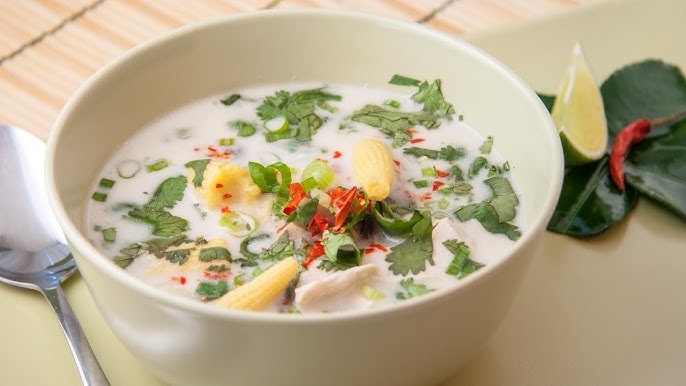
Tom Kha Gai Soup Recipe: If you’ve ever tasted Tom Kha Gai, you know it’s not just soup—it’s an experience in a bowl. Creamy yet light, spicy yet soothing, tangy yet subtly sweet, this classic Thai coconut chicken soup has a personality all its own. Imagine wrapping yourself in a warm blanket on a chilly evening—that’s the comfort Tom Kha Gai delivers with every spoonful.
In this comprehensive, professional step-by-step guide, you’ll learn exactly how to recreate authentic Tom Kha Gai at home. Whether you’re a beginner cook or a seasoned foodie looking to perfect your technique, this guide walks you through everything—from selecting ingredients to mastering flavor balance.
Ready to turn your kitchen into a Thai culinary haven? Let’s dive in.
The Origins and Cultural Significance of Tom Kha Gai
Tom Kha Gai isn’t just a popular dish—it’s deeply rooted in Thai culinary heritage. Its origins trace back to central Thailand, where coconut milk and galangal are staple ingredients in traditional cooking. Historically, galangal was prized not only for its flavor but also for its medicinal properties. Thai households believed it aided digestion and boosted immunity, making Tom Kha Gai both nourishing and therapeutic.
Unlike Tom Yum, which is fiery and sharp, Tom Kha Gai offers a softer, creamier profile. It evolved as a variation of Tom Yum, incorporating coconut milk to create a richer texture and more balanced flavor. Over time, this version gained popularity because it appealed to a broader audience, including those who preferred milder heat.
In Thai culture, meals are about balance—sweet, salty, sour, and spicy all working together. Tom Kha Gai embodies this philosophy perfectly. It’s often served as part of a shared family meal, accompanied by jasmine rice and other dishes. The communal aspect of Thai dining makes this soup more than just food—it becomes part of a social ritual.
Today, Tom Kha Gai has traveled far beyond Thailand’s borders. You’ll find it on menus worldwide, adapted slightly to local tastes but still maintaining its core identity. Despite globalization, authentic versions remain true to traditional ingredients and techniques.
Understanding its cultural background adds depth to your cooking. When you prepare Tom Kha Gai, you’re not just following a recipe—you’re participating in a centuries-old culinary tradition.
Why Tom Kha Gai Is So Popular Worldwide
So why has Tom Kha Gai captured hearts around the globe? The answer lies in its universal appeal. It strikes a rare balance—comforting yet exotic, rich yet refreshing. In a world where people crave bold flavors without overwhelming spice, this soup hits the sweet spot.
First, there’s the creamy coconut milk. It provides a luxurious mouthfeel that instantly satisfies. Then comes the bright acidity from fresh lime juice, cutting through the richness like a splash of sunshine. Add aromatic herbs and tender chicken, and you’ve got a dish that feels indulgent but surprisingly light.
Another reason for its global popularity is versatility. It can be:
- Made mild or spicy
- Adapted for vegetarians
- Prepared with seafood instead of chicken
- Served as an appetizer or main course
Plus, it’s naturally gluten-free (when prepared traditionally), making it accessible to people with dietary restrictions.
Restaurants love serving Tom Kha Gai because it showcases Thai flavors in an approachable way. For many diners, it becomes their gateway into Thai cuisine. Once they try it, they’re hooked.
Home cooks appreciate it too. Despite its complex flavor profile, it’s surprisingly simple to make. With the right ingredients and technique, you can create restaurant-quality soup in under an hour.
In short, Tom Kha Gai bridges cultures, preferences, and cooking skill levels. It’s a global favorite because it delivers comfort and adventure in one steaming bowl.
Understanding the Unique Flavor Profile of Tom Kha Gai
What makes Tom Kha Gai taste so unforgettable? It’s all about balance. Thai cuisine revolves around four main flavor pillars:
- Sweet
- Salty
- Sour
- Spicy
Tom Kha Gai masterfully combines all four, with creaminess acting as the fifth dimension.
Let’s break it down:
Sweetness comes naturally from coconut milk.
Saltiness is introduced through fish sauce.
Sourness arrives via fresh lime juice.
Spiciness comes from Thai bird’s eye chilies.
Aromatic depth is delivered by galangal, lemongrass, and kaffir lime leaves.
Think of it like a tightrope walk. Too much lime, and it becomes overly sour. Too much fish sauce, and it’s salty. The key is gradual seasoning and tasting as you go.
Texture also plays a role. The broth should be silky but not overly thick. The chicken must be tender, never rubbery. Mushrooms add earthiness and bite.
When done correctly, each spoonful evolves. First, you notice creaminess. Then citrus brightness. Then warmth from chilies. Finally, a lingering herbal fragrance.
That’s the magic of Tom Kha Gai—it’s layered, dynamic, and incredibly satisfying.
Ingredients You’ll Need
Essential Ingredients for Authentic Flavor
The secret to outstanding Tom Kha Gai lies in using authentic, fresh ingredients. While some substitutions are possible, certain components are non-negotiable if you want genuine Thai flavor.
Here are the core essentials:
- Boneless, skinless chicken breast or thighs
- Coconut milk (full-fat preferred)
- Galangal (sliced)
- Lemongrass (bruised and cut into pieces)
- Kaffir lime leaves
- Thai bird’s eye chilies
- Mushrooms (straw or button mushrooms)
- Fish sauce
- Fresh lime juice
- Fresh cilantro
Each ingredient contributes something specific. Galangal provides citrusy warmth distinct from ginger. Lemongrass adds lemony fragrance without acidity. Kaffir lime leaves bring floral citrus notes impossible to replicate with regular lime zest.
Using full-fat coconut milk ensures a creamy consistency. Light versions can make the broth thin and less satisfying.
Fresh lime juice is critical. Bottled juice lacks brightness and can dull the soup’s vibrancy.
When sourcing ingredients, Asian grocery stores often carry authentic items. Freshness matters—especially for herbs and aromatics. The more vibrant they look and smell, the better your soup will taste.
Optional Ingredients for Extra Depth
Once you’ve mastered the essential ingredients, you can elevate your Tom Kha Gai with a few optional additions. Think of these as the supporting actors that enhance the overall performance without stealing the spotlight. They’re not mandatory, but they can add complexity, texture, and personality to your soup.
One popular addition is Thai chili paste (Nam Prik Pao). Just a small spoonful can introduce a subtle smoky sweetness that deepens the broth’s character. It slightly tints the soup and adds a gentle richness that feels luxurious without overpowering the core flavors.
Another excellent enhancement is palm sugar. While traditional Tom Kha Gai isn’t overly sweet, a tiny pinch of palm sugar can help balance sharp lime acidity or excessive saltiness from fish sauce. It acts like a mediator, smoothing out rough edges and tying the flavors together seamlessly.
You might also consider adding:
- Cherry tomatoes for subtle sweetness and color
- Red bell peppers for crunch and visual appeal
- Shallots for added aromatic depth
- Coconut cream for a thicker, richer broth
Some chefs like incorporating a splash of chicken stock to strengthen the savory backbone of the soup. However, if you do this, reduce the fish sauce slightly to maintain balance.
If you enjoy more heat, you can increase the number of Thai chilies or add sliced red chilies for visual flair. Remember, spice levels are personal. The goal isn’t to make the soup fiery—it’s to create warmth that complements the creamy coconut base.
These optional ingredients allow you to tailor the soup to your taste while staying true to its Thai roots. It’s like adjusting the seasoning of a song—you keep the melody, but you add your own rhythm.
Substitutions and Alternatives
Can’t find galangal? No kaffir lime leaves at your local store? Don’t worry—Tom Kha Gai is adaptable. While authentic ingredients yield the best results, smart substitutions can still produce a delicious soup.
Here are practical alternatives:
| Authentic Ingredient | Best Substitute | Notes |
|---|---|---|
| Galangal | Fresh ginger + small splash of lime zest | Not identical, but close in warmth and brightness |
| Kaffir lime leaves | Lime zest + bay leaf | Mimics citrus aroma |
| Thai bird’s eye chilies | Serrano or red chili flakes | Adjust quantity for heat |
| Straw mushrooms | Button or cremini mushrooms | Widely available |
| Fish sauce | Soy sauce + splash of lime | For vegetarian version |
If you’re cooking for vegetarians, replace chicken with tofu or a mix of vegetables like zucchini and carrots. Swap fish sauce for light soy sauce or tamari.
For a vegan version, ensure your chili paste doesn’t contain shrimp and use vegetable broth instead of chicken stock.
While substitutions work, aim to use at least lemongrass and coconut milk authentically. These two ingredients form the soul of the dish.
Adaptation isn’t about compromising—it’s about making the recipe accessible. Cooking should be joyful, not stressful. If you can’t find one ingredient, work with what you have and focus on balance.
Ingredient Quantity Table for Easy Reference
Precision matters, especially when balancing flavors. Below is a professional measurement guide for serving approximately 4 people.
| Ingredient | Quantity |
|---|---|
| Boneless chicken (sliced) | 1 lb (450g) |
| Coconut milk | 2 cans (13.5 oz each) |
| Water or light stock | 2 cups |
| Galangal (sliced) | 6–8 thin slices |
| Lemongrass stalks | 2 stalks (cut & bruised) |
| Kaffir lime leaves | 4–5 leaves |
| Mushrooms | 1½ cups |
| Thai chilies | 2–3 (adjust to taste) |
| Fish sauce | 2–3 tablespoons |
| Fresh lime juice | 2 tablespoons |
| Palm sugar (optional) | 1 teaspoon |
| Fresh cilantro | ¼ cup (chopped) |
This table keeps your cooking organized and consistent. If doubling the recipe, scale ingredients proportionally—but adjust lime juice and fish sauce gradually. Always taste as you go.
Kitchen Tools and Equipment Required
You don’t need fancy gadgets to make Tom Kha Gai. In fact, simplicity is part of its charm. Still, having the right tools makes the process smoother and more efficient.
Here’s what you’ll need:
- Medium to large soup pot
- Sharp knife
- Cutting board
- Measuring spoons and cups
- Wooden spoon or ladle
- Citrus juicer (optional but helpful)
A heavy-bottomed pot works best because it distributes heat evenly and prevents coconut milk from scorching. Coconut milk can separate or curdle if overheated, so controlled simmering is key.
A sharp knife ensures clean slicing of chicken and aromatics. Thin slices cook faster and more evenly, resulting in tender meat rather than chewy chunks.
That’s it—no complicated equipment. Just basic kitchen essentials and fresh ingredients.
Step-by-Step Guide to Making Tom Kha Gai
Step 1: Preparing the Aromatics
Begin by slicing galangal, bruising lemongrass stalks, and tearing kaffir lime leaves by hand. These aromatics are the soul of Tom Kha Gai, releasing citrusy, earthy notes that define the soup’s signature aroma.
Step 2: Simmering the Coconut Broth
Pour coconut milk and a little water or chicken stock into a pot. Add the prepared aromatics and bring to a gentle simmer over medium heat. Do not boil aggressively—slow simmering preserves the creamy texture and delicate flavors.
Step 3: Adding Chicken and Vegetables
Add thinly sliced chicken breast and mushrooms to the simmering broth. Cook gently for 5–7 minutes until the chicken is tender and fully cooked. Avoid overcooking to keep the meat juicy.
Step 4: Balancing the Flavors
Season the soup with fish sauce for saltiness, lime juice for acidity, and a small amount of chili paste or fresh chilies for heat. Taste and adjust until you achieve the perfect balance of creamy, sour, salty, and spicy.
Step 5: Final Touches and Garnishing
Remove the soup from heat. Garnish with fresh cilantro and sliced chilies. Serve hot as a comforting starter or light main dish, ideally with steamed rice on the side for a complete Thai-inspired meal.
Common Mistakes to Avoid When Making Tom Kha Gai
Even though Tom Kha Gai is relatively simple, a few small mistakes can completely throw off the balance of flavors. And let’s be honest—this soup is all about balance. One heavy-handed move, and instead of harmony, you get chaos in a bowl.
The most common mistake? Boiling the coconut milk too aggressively. Coconut milk should gently simmer, not roll like ocean waves in a storm. High heat can cause it to separate, leaving you with an oily, grainy texture instead of a silky broth. Keep the flame moderate and patient.
Another frequent error is overcooking the chicken. Chicken breast cooks quickly. Leave it in too long, and it becomes rubbery and dry. The moment it turns opaque and firm, it’s done. Think of it as cooking seafood—it rewards careful timing.
Many people also add lime juice too early. Lime juice should always go in near the end, after turning the heat down. Boiling lime juice dulls its brightness and can introduce slight bitterness.
Over-seasoning is another trap. Fish sauce is powerful. Add it gradually and taste after each addition. You can always add more, but you can’t take it out.
Lastly, some cooks make the mistake of eating the galangal and lemongrass pieces. These are for infusion, not consumption. They’re woody and fibrous. Inform guests if needed.
Avoiding these simple mistakes ensures your soup stays authentic, smooth, and beautifully balanced—just like it’s meant to be.
Tips for Making Restaurant-Quality Tom Kha Gai at Home
Want your Tom Kha Gai to taste like it came straight from a Thai restaurant kitchen? The difference often lies in small, thoughtful techniques rather than secret ingredients.
First, use full-fat coconut milk. Restaurants rarely compromise here. Light coconut milk may save calories, but it sacrifices richness and texture.
Second, layer your flavors. Instead of dumping everything in at once, build the broth step by step. Let the aromatics fully infuse before adding protein. This slow layering creates depth.
Another professional tip: bruise your herbs properly. When you gently crush lemongrass and tear kaffir lime leaves, you release essential oils that intensify aroma. Skipping this step results in a flatter broth.
Balance flavors at the end, not the beginning. Chefs taste repeatedly before serving. You should too. Ask yourself:
- Does it need more brightness? (Add lime.)
- Does it taste flat? (Add fish sauce.)
- Too sharp? (Add a touch of coconut milk or palm sugar.)
Presentation matters as well. Garnish with fresh cilantro and thin red chili slices. A visually appealing bowl enhances the dining experience.
Finally, let the soup sit for 5 minutes after cooking. This brief rest allows flavors to settle and harmonize.
Restaurant-quality cooking isn’t about complexity—it’s about attention to detail. Focus on freshness, balance, and timing, and your homemade Tom Kha Gai will impress anyone at the table.
Variations of Tom Kha Gai (Vegetarian, Seafood, Vegan)
One of the most beautiful things about Tom Kha Gai is its flexibility. While chicken is traditional, the creamy coconut broth works wonderfully with other proteins and vegetables.
Vegetarian Tom Kha
Replace chicken with firm tofu or a mix of hearty vegetables like carrots, zucchini, and baby corn. Swap fish sauce for soy sauce or tamari. For extra umami, add a splash of mushroom sauce. The result is still rich, aromatic, and deeply satisfying.
Vegan Tom Kha
For a fully plant-based version:
- Use vegetable broth
- Replace fish sauce with soy sauce or coconut aminos
- Ensure chili paste contains no shrimp
You’ll still achieve that creamy, tangy balance without animal products.
Seafood Tom Kha
Shrimp is a popular alternative. Add peeled shrimp during the final 3–4 minutes of cooking. They cook quickly and turn pink when ready. You can also use scallops or thin slices of white fish.
Seafood adds a slightly sweet ocean flavor that pairs beautifully with coconut milk.
Mushroom-Heavy Version
For mushroom lovers, increase the quantity and variety—shiitake, oyster, and enoki mushrooms create a deep, earthy broth.
These variations prove Tom Kha isn’t limited—it’s a framework for creativity. Once you understand the flavor structure, you can adapt confidently.
Nutritional Benefits of Tom Kha Gai Soup
Beyond flavor, Tom Kha Gai offers impressive nutritional value. It’s comforting without being overly heavy, making it a smart choice for balanced eating.
Here’s why:
- Lean protein from chicken supports muscle health.
- Coconut milk provides healthy fats that promote satiety.
- Galangal and lemongrass contain antioxidants and anti-inflammatory compounds.
- Chilies may boost metabolism.
- Mushrooms offer fiber, vitamins, and minerals.
While coconut milk is calorie-dense, it’s also rich in medium-chain triglycerides (MCTs), which the body processes differently than other fats. Moderation is key.
Compared to cream-based Western soups, Tom Kha often feels lighter because its richness is balanced by acidity and herbs.
If you’re watching sodium intake, simply reduce fish sauce slightly and adjust lime accordingly.
Overall, this soup delivers nourishment along with comfort—a rare and welcome combination.
How to Store and Reheat Tom Kha Gai
Made too much? Good news—Tom Kha Gai stores well.
Allow the soup to cool completely before transferring it to an airtight container. Store in the refrigerator for up to 3 days.
When reheating, avoid high heat. Warm it gently over medium-low heat to prevent coconut milk from separating. Stir occasionally to maintain smooth texture.
If the soup thickens in the fridge, add a splash of water or coconut milk while reheating.
Freezing is possible, but coconut milk may slightly change texture upon thawing. If freezing, store without lime juice and add fresh lime after reheating.
Proper storage keeps your soup tasting fresh and vibrant, even the next day.
Best Side Dishes to Serve with Tom Kha Gai
While Tom Kha Gai can stand alone, pairing it with complementary sides elevates the meal.
Here are popular options:
- Steamed jasmine rice – absorbs the flavorful broth beautifully
- Thai spring rolls – crispy contrast to creamy soup
- Papaya salad (Som Tum) – adds refreshing crunch
- Thai basil fried rice – hearty and aromatic
The goal is contrast—creamy soup with something crisp or lightly sweet.
If serving as part of a larger Thai meal, keep portions moderate so flavors don’t compete.
FAQs about Tom Kha Gai Soup Recipe
1. Can I make Tom Kha Gai without galangal?
Yes, you can substitute fresh ginger with a small amount of lime zest, but the flavor won’t be exactly the same. Galangal provides a distinct citrusy sharpness that’s hard to replicate fully.
2. Is Tom Kha Gai spicy?
Traditionally, it has mild to moderate heat. You can easily adjust the spice level by increasing or decreasing the number of chilies.
3. Can I use light coconut milk?
You can, but full-fat coconut milk produces a richer and more authentic texture. Light versions may result in a thinner broth.
4. How do I keep coconut milk from curdling?
Avoid boiling it aggressively. Maintain a gentle simmer and stir occasionally.
5. What’s the difference between Tom Yum and Tom Kha?
Tom Yum is clear, sour, and spicy without coconut milk, while Tom Kha includes coconut milk, making it creamier and slightly milder.
Conclusion
By understanding its ingredients, respecting its technique, and carefully balancing flavors, you can recreate authentic restaurant-quality Tom Kha Gai right in your own kitchen. From selecting fresh galangal to adjusting lime juice at the final moment, every step contributes to the final masterpiece.
Whether you stick to tradition or explore variations, this soup remains comforting, nourishing, and endlessly satisfying. Once you master it, you’ll find yourself returning to it again and again—not just for its taste, but for the experience it brings.
Now it’s your turn. Gather your ingredients, simmer patiently, and create a bowl of warmth that feels like a culinary journey to Thailand.