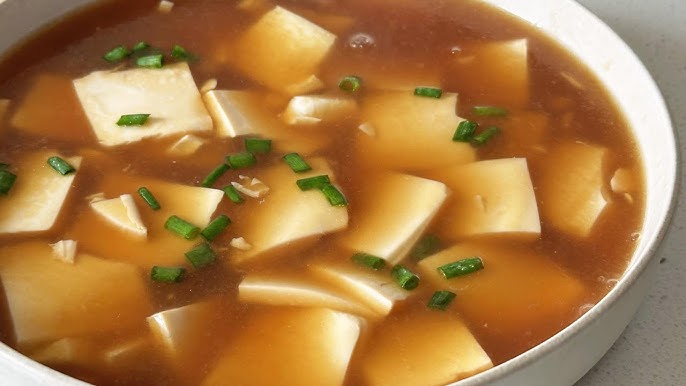
Tofu Soup Recipe: When you’re craving something warm, comforting, and nourishing, there’s nothing quite like a hearty bowl of tofu soup. It’s light yet filling, flavorful but not overpowering, and incredibly easy to customize based on what you have in your kitchen. Whether you’re a dedicated vegan, experimenting with meatless meals, or just love a good soup, tofu soup is a wholesome choice that hits all the right notes.
But tofu soup isn’t just a trend — it’s been a staple in Asian kitchens for generations. From Korea’s fiery sundubu jjigae to Japan’s delicate miso soup with tofu, this dish adapts beautifully to different flavors, regions, and dietary preferences. It’s also incredibly nutritious, packed with plant-based protein, vitamins, and minerals, making it a smart choice for your body and your taste buds.
What makes this guide different? We’re not just giving you a simple tofu soup recipe — we’re walking you through every step, every tip, and every variation you could possibly want. Plus, we’re doing it in a fun, informal tone that makes cooking feel less like a chore and more like an adventure. Let’s dive in.
List of Ingredients You’ll Need
You don’t need a pantry full of exotic items to make an amazing tofu soup. In fact, most ingredients can be found at your local grocery store or Asian market. Here’s what you’ll need to get started:
Basic Ingredients for Classic Tofu Soup
- Tofu (14 oz): Soft or silken tofu works best for that melt-in-your-mouth texture.
- Vegetable Broth (4 cups): You can use store-bought or homemade.
- Garlic (3–4 cloves): Minced for a punch of flavor.
- Ginger (1-inch piece): Freshly grated adds warmth and aroma.
- Soy Sauce (2 tbsp): For umami and saltiness.
- Sesame Oil (1 tsp): Adds that nutty, roasted flavor.
- Green Onions (2 stalks): Sliced thin, used as garnish and flavoring.
- Mushrooms (1 cup): Shiitake, oyster, or button mushrooms are all great.
- Salt and Pepper (to taste)
Optional Ingredients to Customize Your Soup
- Spinach or Bok Choy: For greens and added nutrition.
- Chili Paste or Red Pepper Flakes: If you like it spicy.
- Rice Noodles or Glass Noodles: For a heartier meal.
- Miso Paste (1 tbsp): For a Japanese twist.
- Kimchi (¼ cup): Adds spice and tang.
Ingredient Substitutes for Dietary Preferences
- Tamari or Coconut Aminos: Gluten-free alternatives to soy sauce.
- Low-Sodium Soy Sauce: For those watching their salt intake.
- Firm Tofu: If you want tofu chunks that hold their shape better.
- Chicken or Beef Broth: If you’re not vegetarian or vegan.
Having all your ingredients prepped and ready will make the cooking process so much smoother. Let’s talk about the tofu next—because yes, the type of tofu you choose really matters.
Types of Tofu to Use
Choosing the right tofu can make or break your soup — no exaggeration. Tofu comes in several textures, and each serves a different purpose in cooking. For tofu soup, the texture affects how it interacts with the broth, the other ingredients, and your taste buds. So, let’s break it down.
Silken vs. Soft vs. Firm Tofu: What’s Best for Soup?
- Silken Tofu: This is the softest kind. It has a creamy, custard-like consistency and easily absorbs surrounding flavors. It’s ideal for soups like Korean Sundubu Jjigae, where tofu becomes one with the broth, adding a silky texture to each spoonful. However, be gentle when handling it—it breaks apart easily.
- Soft Tofu: Slightly firmer than silken, soft tofu still has a delicate texture but holds its shape better. It works well if you want the tofu to stay visible in the bowl without turning into mush.
- Firm or Extra-Firm Tofu: These types are great for pan-frying or grilling, but not ideal for a soft soup texture. However, if you’re planning to add noodles or want more chewiness, you might prefer firm tofu.
For most traditional tofu soups, especially Asian-inspired recipes, silken or soft tofu is the way to go. It delivers that smooth, melt-in-your-mouth experience.
How to Prep Tofu for Soup
Tofu might seem ready right out of the package, but a little prep goes a long way:
- Drain the tofu: Carefully remove it from the container and let it drain in a fine mesh strainer or on a paper towel.
- Cut gently: Use a spoon or soft-edged knife to break it into large chunks if using silken tofu. For soft tofu, cube it into bite-sized pieces.
- No need to press: Unlike when you’re frying tofu, you don’t need to press it for soup. You want that moisture!
By now, your tofu’s ready. But let’s make sure your kitchen is, too.
Essential Kitchen Tools
You don’t need a fancy kitchen or chef-level gear to make tofu soup, but having the right tools will definitely make life easier. Here’s a simple checklist:
Must-Have Tools
- Medium or Large Soup Pot: A 4-quart pot works well for most recipes. Stainless steel or nonstick is fine.
- Sharp Knife: For chopping veggies, garlic, and herbs.
- Cutting Board: Preferably two—one for tofu and one for veggies.
- Soup Ladle: For easy serving.
- Wooden Spoon or Silicone Spatula: For gently stirring ingredients without breaking the tofu.
Nice-to-Have Extras
- Fine Mesh Strainer: Helpful for draining tofu or straining homemade broth.
- Garlic Press or Grater: To save time on prep.
- Measuring Cups and Spoons: Precision matters, especially with strong flavors like soy sauce or miso.
With your tofu, ingredients, and tools ready, it’s time to move to the fun part — cooking!
Step-by-Step Guide to Making Tofu Soup
This is where everything comes together. Follow each step closely, and you’ll have a warm, delicious bowl of tofu soup ready to impress.
Step 1: Preparing Your Ingredients
Start by gathering firm or soft tofu, depending on your preference. Cut the tofu into bite-sized cubes. Wash and chop vegetables such as mushrooms, carrots, green onions, spinach, or bok choy. Mince garlic and ginger to build a flavorful base. Having everything ready makes cooking smooth and quick.
Step 2: Making the Broth
In a pot, heat a small amount of oil over medium heat. Sauté the minced garlic and ginger for about 30 seconds until fragrant. Add vegetable or chicken broth and bring it to a gentle simmer. For extra depth, you can add a splash of soy sauce or a bit of miso paste.
Step 3: Adding Vegetables and Spices
Add the chopped vegetables to the simmering broth, starting with those that take longer to cook, such as carrots and mushrooms. Season lightly with salt, black pepper, or white pepper. Let the vegetables cook for 5–7 minutes until tender but not mushy.
Step 4: Cooking the Tofu Just Right
Gently add the tofu cubes to the pot, stirring carefully to avoid breaking them. Simmer for another 3–5 minutes so the tofu absorbs the flavors of the broth. Avoid boiling vigorously, as this can cause the tofu to fall apart.
Step 5: Final Simmer and Adjusting Flavors
Taste the soup and adjust seasoning with more soy sauce, salt, or a dash of sesame oil. Let the soup simmer gently for 1–2 more minutes. Garnish with chopped green onions and serve hot as a comforting, nourishing meal.
Tips for Making the Best Tofu Soup
Even though tofu soup is simple to make, the difference between good and amazing comes down to a few clever tips. Whether you’re a beginner or someone who’s already experimented in the kitchen, these tips will take your tofu soup to the next level.
1. Don’t Over-Stir the Tofu
Tofu, especially silken and soft varieties, is delicate. Once added to the broth, stir the soup gently. Let the tofu soak up the flavors without breaking it into tiny bits. If you want a chunky soup, use a wide ladle to scoop and serve instead of vigorously stirring.
2. Use Fresh Ingredients
Fresh garlic, fresh ginger, and fresh vegetables always outperform their dried or frozen versions in flavor. Your soup will taste cleaner, brighter, and more authentic. And remember — fresh tofu is best consumed within a few days after opening.
3. Balance Your Flavors
Tofu doesn’t have much taste on its own, so your broth is where the flavor magic happens. Make sure you’re balancing:
- Umami: From soy sauce, miso, mushrooms.
- Salt: From broth or sea salt.
- Heat (optional): From chili flakes or paste.
- Acidity: A dash of rice vinegar or lime juice can brighten up everything.
- Aromatic oil: Sesame oil adds a toasty note.
Taste often while cooking and adjust accordingly.
4. Add Garnishes Last
Garnishes add both beauty and flavor. Sprinkle chopped green onions, sesame seeds, or crushed nori (dried seaweed) on top just before serving. This keeps them vibrant and avoids overcooking.
5. Make It a Meal
Tofu soup can be a light appetizer or a full-on meal. Add rice, rice noodles, udon, or even dumplings to turn your bowl into something truly satisfying.
These tips may seem small, but they make a big difference in creating that restaurant-quality taste at home.
How to Store and Reheat Tofu Soup
Got leftovers? Awesome. Tofu soup stores beautifully, and with a few tricks, it tastes just as good — if not better — the next day.
Storing Tofu Soup
- Refrigerator: Store in an airtight container for up to 3–4 days. Let the soup cool before transferring to the fridge.
- Freezer: Yes, you can freeze tofu soup — but only if you used firm or medium-firm tofu. Silken tofu doesn’t hold up well in the freezer and turns mushy upon thawing. Freeze in portions for easy reheating.
Reheating Tofu Soup
- Stovetop: Reheat gently over medium heat. Avoid bringing it to a full boil, especially if you added miso paste or soft tofu — you want to preserve flavor and texture.
- Microwave: Use a microwave-safe bowl, cover it loosely, and heat in 1-minute increments, stirring gently in between.
Want to freshen it up? Add a splash of soy sauce, a few fresh greens, or a touch of sesame oil when reheating.
Serving Suggestions
Tofu soup is versatile, which means it pairs well with a variety of sides and accompaniments. Depending on how light or hearty you want your meal to be, here are some delicious ideas.
What Goes Well with Tofu Soup?
- Steamed Rice: A classic companion that makes it more filling.
- Pickled Vegetables: Adds crunch and acidity that complements the savory broth.
- Spring Rolls or Dumplings: Perfect for dipping in the soup or eating on the side.
- Seaweed Salad: Refreshing and light.
- Kimchi: If you’re doing a Korean-style tofu soup, kimchi is almost essential.
Garnishing Ideas
Don’t underestimate the power of toppings. Here are a few to sprinkle on right before serving:
- Chopped green onions or scallions
- Toasted sesame seeds
- Crushed red pepper flakes
- Nori strips (dried seaweed)
- Fresh cilantro or Thai basil
- A drizzle of chili oil
These little extras add texture, flavor, and visual appeal.
Variations of Tofu Soup
Tofu soup is like a blank canvas. You can paint it however you want, and different cultures have already done just that. Let’s take a tour of a few popular international versions you can try:
1. Korean Sundubu Jjigae
This spicy, bubbling hot stew is a Korean favorite. It uses silken tofu, gochujang (Korean chili paste), and often includes kimchi, seafood, or eggs. It’s fiery, comforting, and perfect on cold days. Serve it with steamed rice to soak up every drop of the broth.
2. Japanese Miso Tofu Soup
Light and earthy, this soup uses miso paste as the base instead of traditional broth. Add cubed tofu, wakame seaweed, and scallions, and you’ve got a soothing, umami-rich soup that feels like a hug in a bowl. It’s also great for digestion!
3. Spicy Thai Tofu Soup
For bold flavors, try a Thai-inspired version. Use coconut milk, red curry paste, and lemongrass to create a rich broth. Add tofu, mushrooms, and baby corn for texture. Finish with lime juice and Thai basil — spicy, sweet, tangy, and totally addictive.
4. Chinese Hot and Sour Tofu Soup
This one combines tofu with vinegar, soy sauce, white pepper, bamboo shoots, and wood ear mushrooms. It’s hearty and has a tangy-spicy kick. You can also whisk in a beaten egg for the classic “egg ribbon” effect.
Each version brings something unique to the table, so don’t be afraid to experiment with global flavors.
Tofu Soup for Special Diets
One of the best things about tofu soup is how easily it can fit into different dietary needs. Whether you’re avoiding gluten, watching your sodium, or cutting carbs, you can adapt this recipe without sacrificing taste or comfort. Here’s how to tweak it for various diets.
Gluten-Free Version
Soy sauce usually contains wheat — surprise! But that doesn’t mean tofu soup is off-limits. Here’s how to make it gluten-free:
- Swap regular soy sauce for:
- Tamari (a gluten-free soy sauce alternative)
- Coconut aminos (soy-free and gluten-free, slightly sweeter)
- Check your broth: Some packaged vegetable broths contain gluten-based preservatives or flavor enhancers. Look for certified gluten-free labels.
- Watch your add-ins: If you’re using noodles or dumplings, make sure they’re gluten-free.
With just a couple of smart substitutions, your soup can be 100% gluten-free and still taste amazing.
Low-Sodium Option
Worried about salt intake? Store-bought broths, soy sauce, and miso can sneak in a lot of sodium. Here’s how to cut back:
- Use low-sodium or homemade broth
- Choose low-sodium soy sauce or tamari
- Skip or reduce miso paste if it’s not crucial to your version
- Add herbs for flavor instead of salt – try fresh cilantro, parsley, or basil
Balancing flavor with lower sodium is totally doable — just let your taste buds guide you.
Keto and Low-Carb Tips
Tofu is a fantastic option for keto and low-carb eaters. But some traditional add-ins (like rice noodles or miso paste) aren’t exactly low-carb friendly. Here’s how to keep it lean:
- Stick with firm or extra-firm tofu – it’s lower in carbs than silken
- Avoid noodles or replace them with:
- Zucchini noodles (zoodles)
- Shirataki noodles (made from konjac yam, almost zero carbs)
- Skip high-carb veggies like carrots or corn and use bok choy, spinach, or mushrooms instead
- Use bone broth or homemade keto broth to get that rich flavor
This version is clean, filling, and keto-approved — perfect for anyone following a low-carb lifestyle.
Nutrition Facts
You’re probably wondering, “Is tofu soup really as healthy as it sounds?” The answer: yes — and here’s why.
Let’s break it down based on a standard serving (about 1.5 cups of classic tofu soup with veggies and broth):
| Nutrient | Approximate Amount per Serving |
|---|---|
| Calories | 150–200 |
| Protein | 12–15g |
| Total Fat | 7–9g |
| Carbohydrates | 8–10g |
| Fiber | 2–3g |
| Sodium | 500–800mg (depending on broth) |
| Calcium | 15–20% of Daily Value |
| Iron | 10–15% of Daily Value |
| Vitamin C | Varies (based on veggies used) |
Health Highlights:
- High in plant-based protein – great for muscle building and energy
- Low in calories – perfect for light meals or weight management
- Packed with nutrients – tofu is rich in iron, calcium, and magnesium
- Supports heart health – especially when made with low-sodium ingredients and healthy fats like sesame oil
Tofu soup isn’t just tasty — it’s food that fuels you.
FAQs about Tofu Soup Recipe
Let’s tackle some of the most common questions people have about this humble, hearty dish.
Q1: Can you make tofu soup in advance?
A: Absolutely. In fact, tofu soup often tastes even better the next day as the flavors continue to develop. Just make sure to store it properly in an airtight container in the fridge. Reheat gently on the stove to preserve the texture of the tofu.
Q2: Can kids eat tofu soup?
A: Yes! Tofu is a great source of protein for kids and very easy to digest. Just make sure to control the spice level and skip strong flavors like chili or too much ginger if your child is sensitive to them.
Q3: Can I use fried tofu instead of soft tofu?
A: You can — but keep in mind, fried tofu won’t absorb the soup flavors as well. It will hold its shape and add a bit of chewiness, so it’s a good choice if you want a heartier texture.
Q4: Is tofu soup good for weight loss?
A: Yes! It’s low in calories, high in protein, and very filling — all of which make it a great choice for anyone trying to lose or manage weight. Just go easy on salty ingredients like soy sauce and broth.
Q5: What can I do if my tofu soup tastes bland?
A: Boost the flavor by adding more umami-rich ingredients like soy sauce, miso paste, or mushrooms. A splash of rice vinegar or a drizzle of sesame oil can also add depth. Don’t forget a pinch of salt and pepper at the end!
Conclusion
Tofu soup is one of those recipes that proves food doesn’t have to be complicated to be comforting. With just a few pantry staples and fresh ingredients, you can make a nourishing, warm, and flavorful dish that’s perfect any day of the week. Whether you go traditional with a Korean or Japanese twist, or get creative with spicy Thai or veggie-packed versions, there’s a tofu soup for every mood and craving.
Plus, it’s customizable, healthy, budget-friendly, and perfect for all diets — what’s not to love?
So go ahead — try this step-by-step tofu soup recipe today, and enjoy the magic that comes from a humble bowl of broth and tofu. You might be surprised just how satisfying it is.