Thin Crust Pizza Recipe: Pizza night at home? There’s nothing quite like a crispy, golden thin crust pizza straight from your own oven.
Thin crust pizza is all about balance—just the right amount of dough, plenty of flavor, and a beautiful crisp that keeps you coming back for more.
Whether you’re a pizza pro or a total newbie in the kitchen, this guide will walk you through each step of the process in a way that’s easy, fun, and delicious.
Why Thin Crust Pizza Is So Popular
Let’s face it, not everyone loves thick, doughy crusts. That’s where thin crust pizza shines. It’s lighter, crispier, and really lets the toppings shine. The crust doesn’t overpower the rest of the pizza—instead, it becomes the perfect base that supports your sauce, cheese, and toppings without stealing the show.
Plus, thin crust pizzas bake faster and are often considered a “healthier” option because they contain less dough. They’re also incredibly versatile, easy to customize, and perfect for sharing (or not—we won’t judge).
What Makes a Great Thin Crust Pizza
It’s all in the texture and flavor. A great thin crust should be:
- Crispy around the edges
- Firm enough to hold the toppings
- Thin but not dry or cracker-like
- Flavorful from the inside out
You get this by using the right ingredients, nailing the dough technique, and baking it at a high temperature to get that perfect golden-brown finish. It’s part science, part art—and 100% worth it.
Essential Ingredients You’ll Need
Let’s get everything ready before we start.
For the Dough:
- 2 ½ cups all-purpose flour (plus more for dusting)
- 1 teaspoon salt
- 1 teaspoon sugar
- 1 teaspoon instant dry yeast
- ¾ cup warm water (around 110°F / 43°C)
- 1 tablespoon olive oil
For the Sauce:
- 1 cup crushed tomatoes (or tomato puree)
- 1 teaspoon garlic powder
- 1 teaspoon dried oregano
- ½ teaspoon sugar
- Salt and pepper to taste
- 1 tablespoon olive oil
For the Toppings:
- 1 ½ cups shredded mozzarella cheese
- Pepperoni slices (optional)
- Sliced bell peppers, mushrooms, or onions
- Fresh basil or arugula (for topping after baking)
- Grated parmesan (optional)
Tools & Equipment Needed
You don’t need a fancy setup to make amazing pizza. Here’s what helps:
- Mixing bowls
- Measuring cups and spoons
- Rolling pin (or wine bottle if you don’t have one!)
- Pizza stone or baking sheet
- Pizza cutter or sharp knife
- Parchment paper (makes life easier)
Step-by-Step Guide to Making Thin Crust Pizza
Time to roll up your sleeves and get cooking.
Step 1: Preparing the Dough
Start by activating the yeast. In a small bowl, mix warm water, sugar, and yeast. Let it sit for 5–10 minutes until it gets foamy—this means the yeast is alive and ready to go.
In a large bowl, combine the flour and salt. Add the yeast mixture and olive oil, then stir until a rough dough forms. Transfer it to a floured surface and knead for about 8–10 minutes until smooth and elastic.
Don’t rush this step—the better you knead, the better your crust will turn out.
Step 2: Letting the Dough Rest
Place your dough ball in a lightly oiled bowl, cover with a damp towel or plastic wrap, and let it rest in a warm spot for about 1 hour. It should double in size.
This step allows the gluten to relax and the dough to develop flavor. If you want even more flavor, you can refrigerate the dough overnight and let it come to room temp before using.
Step 3: Prepping the Pizza Sauce
While the dough rises, whip up your sauce. In a saucepan, combine crushed tomatoes, garlic powder, oregano, olive oil, sugar, salt, and pepper. Simmer on low for 15–20 minutes, stirring occasionally.
The goal is a thick, rich, and flavorful sauce that won’t soak through your thin crust. Let it cool before spreading on the dough.
Step 4: Shaping the Dough Thin
Once your dough has risen, punch it down and divide it into two equal parts (for two pizzas). On a floured surface, roll one ball into a thin circle, about 12 inches in diameter. Aim for about 1/8 inch thick.
If the dough springs back while rolling, let it rest for 5 minutes and try again. Don’t worry about getting a perfect circle—rustic is beautiful.
Step 5: Preheating the Oven
This is key. Preheat your oven to the highest setting—ideally 475°F to 500°F (245°C to 260°C). If using a pizza stone, place it in the oven while it preheats so it gets piping hot.
High heat is what gives thin crust pizza that irresistible crunch and chewy bite.
Step 6: Assembling Your Pizza
Place the rolled-out dough on parchment paper or a pizza peel if you’re using a stone.
- Spread a thin layer of sauce over the crust (less is more!).
- Sprinkle mozzarella cheese evenly.
- Add your favorite toppings.
Don’t overload it—thin crust pizza is all about balance. Too many toppings = soggy crust.
Step 7: Baking the Pizza
Carefully slide your pizza onto the preheated stone or baking sheet. Bake for 7–10 minutes until the crust is golden and the cheese is bubbly and slightly browned.
Every oven is different, so keep an eye on it. Rotate halfway through if needed for even baking.
Step 8: Letting It Cool Slightly
Remove the pizza and let it cool on a wire rack or cutting board for a few minutes. This prevents the crust from steaming and losing its crisp.
Top with fresh basil, a drizzle of olive oil, or grated parmesan if you like. Now it’s ready to slice and devour.
Pro Tips for the Perfect Thin Crust
Want your thin crust pizza to rival your favorite pizzeria’s? These pro tips will take your homemade pizza to the next level:
- Use high-protein flour: Bread flour or “00” flour creates a chewier texture and better structure for thin crusts.
- Let the dough rest overnight: A slow, cold ferment in the fridge deepens the flavor and improves the texture.
- Don’t over-sauce: A little goes a long way. Too much sauce makes the crust soggy.
- Use a pizza stone or steel: These tools hold intense heat and help crisp the bottom evenly.
- Par-bake if needed: For extra-crispy crusts, pre-bake your dough for 3–4 minutes before adding toppings.
- Brush the edges with oil: It adds flavor and helps them brown beautifully.
Small changes can make a big difference. Think of it like tuning a guitar—tiny adjustments help you hit the perfect note.
Best Toppings for Thin Crust Pizza
Toppings can make or break your pizza. For thin crust, you want flavors that complement rather than overload. Here are some go-to ideas.
Classic Options:
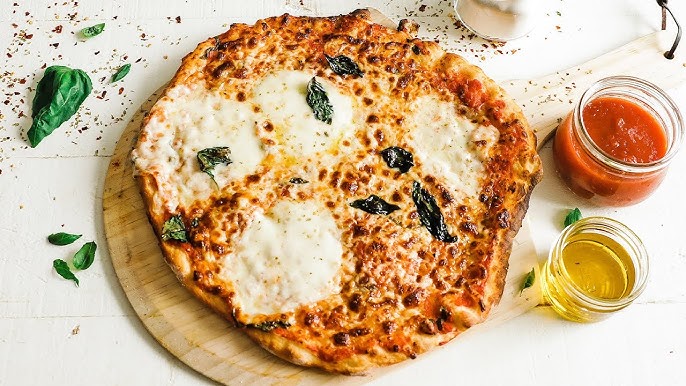
- Margherita: Fresh mozzarella, tomato sauce, basil leaves, olive oil
- Pepperoni: Mozzarella, tomato sauce, thinly sliced pepperoni
- Cheese Lovers: A blend of mozzarella, provolone, parmesan, and fontina
Vegetarian Choices:
- Veggie Supreme: Bell peppers, onions, mushrooms, olives, spinach
- White Pizza: Ricotta, mozzarella, garlic, spinach, no red sauce
- Pesto Veggie: Pesto base, cherry tomatoes, arugula, goat cheese
Meat-Lovers Favorites:
- Meat Feast: Pepperoni, sausage, bacon, ham
- BBQ Chicken: BBQ sauce base, chicken, red onions, cilantro
- Spicy Salami: Spicy salami, hot peppers, mozzarella
Remember, balance is key. Too many toppings can weigh down the crust and make it soggy.
Gluten-Free Thin Crust Alternative
If you’re gluten-intolerant or simply looking to switch it up, a gluten-free thin crust is totally doable. Here’s how:
Alternative Dough Recipe:
- 2 cups gluten-free flour blend
- 1 teaspoon xanthan gum (if not in the blend)
- 1 teaspoon baking powder
- 1 teaspoon salt
- ¾ cup warm water
- 1 tablespoon olive oil
Mix ingredients, let rest for 15 minutes, roll it out thin, and pre-bake for 5 minutes before topping. It won’t have the same chew as regular dough, but it can still be super crispy and flavorful with the right technique.
How to Store and Reheat Thin Crust Pizza
Made more than you can eat? Don’t worry—leftover pizza can be just as good.
To Store:
- Let it cool completely
- Stack slices with parchment in between
- Store in an airtight container in the fridge for up to 4 days
To Reheat:
- In the oven (best method): Preheat to 375°F and bake on a baking sheet for 5–7 minutes.
- On the stovetop: Heat a slice in a covered skillet over medium heat for 3–4 minutes.
- Avoid the microwave: It makes the crust rubbery instead of crispy.
Common Mistakes to Avoid
Even seasoned home cooks can trip up. Keep these mistakes in mind so your pizza turns out perfect:
- Using cold dough: Always let dough come to room temperature before rolling.
- Rolling too thick: Thin crust means thin. Aim for 1/8 inch or less.
- Skipping the preheat: A cold oven = limp crust.
- Too much sauce or cheese: Less really is more with thin crusts.
- Underbaking: Bake until you see browning and bubbling cheese, not before.
Think of it like baking cookies—you want that golden edge and soft middle balance.
Nutritional Breakdown of Thin Crust Pizza
Everyone loves pizza, but what’s the breakdown nutritionally?
| Component | Calories (Per Slice)* | Carbs | Protein | Fat |
|---|---|---|---|---|
| Crust (thin) | 120 | 20g | 3g | 2g |
| Tomato Sauce | 20 | 4g | 1g | 1g |
| Mozzarella | 80 | 1g | 6g | 6g |
| Pepperoni | 50 | 0g | 3g | 4g |
*Values are approximate and vary by recipe and slice size.
Thin crust is typically lower in calories and carbs than thick crust, especially if you control the toppings.
Pairing Suggestions: Drinks & Sides
To elevate your pizza night, pair your pie with these winning combos:
Drinks:
- Iced lemonade or soda for kids
- Sparkling water with lemon
- For adults: light beer or dry red wine (like Chianti)
Sides:
- Garlic knots or cheesy breadsticks
- Side salad with balsamic vinaigrette
- Roasted veggies or a light soup
These keep your meal balanced and satisfying without going overboard.
Serving Suggestions & Presentation Tips
Presentation may not affect taste, but it definitely adds to the experience. Here’s how to serve your pizza like a pro:
- Use a pizza wheel to cut clean slices
- Garnish with fresh herbs like basil, oregano, or arugula
- Serve on a wooden board or pizza tray
- Add dipping sauces on the side like garlic butter, ranch, or marinara
- Serve hot—the sooner, the better!
Turn your kitchen into a mini pizzeria, and your guests (or family) will be seriously impressed.
FAQs about Thin Crust Pizza Recipe
1. Can I freeze thin crust pizza dough?
Yes! Wrap it tightly in plastic wrap and store it in the freezer for up to 3 months. Thaw overnight in the fridge before using.
2. What’s the best cheese for thin crust pizza?
Low-moisture mozzarella is classic, but blends like provolone, fontina, or even cheddar can add unique flavor.
3. Can I cook thin crust pizza without a pizza stone?
Absolutely. Use an inverted baking sheet or cast-iron skillet preheated in the oven for great results.
4. Why is my thin crust not crispy?
It could be too thick, too much moisture from sauce/toppings, or not baking at a high enough temperature.
5. How can I make my thin crust more flavorful?
Try adding garlic powder, Italian herbs, or a touch of honey to the dough, or brush the edges with garlic butter before baking.
Conclusion
Making your own thin crust pizza at home isn’t just about feeding your hunger—it’s about enjoying the process, experimenting with flavors, and sharing something special with people you care about. Whether you’re cooking for a Friday night treat or hosting a pizza party, this step-by-step guide gives you everything you need to create a restaurant-worthy pie.
Crispy, customizable, and absolutely delicious—thin crust pizza is the perfect canvas for your creativity. Once you try it, you might never go back to delivery again.