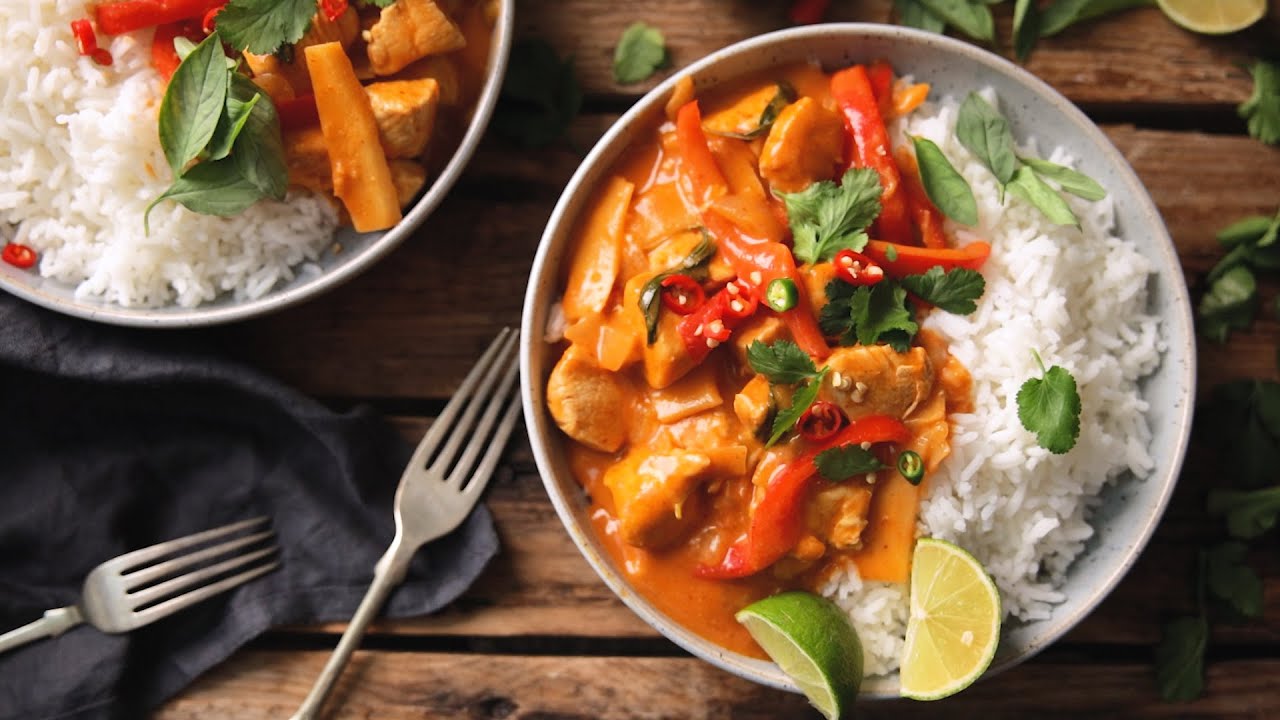
Thai Red Curry Paste Recipe: Let’s be real—store-bought curry paste just doesn’t hit the same as homemade. If you’ve ever had a rich, aromatic Thai curry and wondered why your version tastes kind of…flat, the secret is probably in the paste. Thai red curry paste is the soul of countless Thai dishes, and once you master this from-scratch recipe, your curries will never be the same again.
Making Thai red curry paste at home might sound intimidating, but with a little time and the right ingredients, it becomes a deeply satisfying process. The balance of flavors, the fragrance, and that beautiful red hue—every bit of it is better when it’s homemade. Let’s walk through everything from what goes into it to how to blend it like a pro.
What Is Thai Red Curry Paste?
Thai red curry paste, known as “Prik Gaeng Daeng” in Thai, is a fiery, aromatic blend of herbs, spices, and chilies. It’s the foundation of the popular Thai red curry dish and several other stir-fries, soups, and marinades. The signature red color comes from dried red chilies, while the unmistakable aroma comes from ingredients like lemongrass, galangal, and kaffir lime zest.
Unlike Indian curry pastes that may include dairy or tomato, Thai curry pastes are herb-based and punchy with umami from shrimp paste. This paste can be mild or super spicy depending on the type and quantity of chilies used. Traditional Thai cooking uses a mortar and pestle, and the paste is pounded by hand for maximum flavor, but we’ll cover both traditional and modern methods.
Why Make Thai Red Curry Paste at Home?
Making it at home means total control. Want it spicier? Use more chilies. Allergic to shrimp? Skip the shrimp paste. Looking for a vegan version? No problem. Plus, many commercial versions are loaded with preservatives, MSG, or sugar—not exactly ideal.
Homemade Thai red curry paste also has a fresher, bolder flavor. The oils from the fresh herbs, the aroma of roasted spices, and the natural sweetness from shallots can get lost in a jar that’s been sitting on a shelf for months. You’ll immediately notice the difference when you sauté your homemade paste—your kitchen will smell like a Thai street food stall in the best way.
The Flavor Profile of Thai Red Curry Paste
This paste is a beautiful harmony of:
- Spicy: From dried red chilies.
- Aromatic: Thanks to lemongrass, galangal, garlic, and kaffir lime.
- Earthy & Warm: With cumin, coriander, and white peppercorns.
- Umami-rich: Traditionally from shrimp paste.
- Zesty: Kaffir lime zest brightens everything up.
Each ingredient plays a role, and the magic happens when they’re ground together into a smooth, fiery red paste.
List of Ingredients You’ll Need
Let’s break this down into categories so it’s easier to shop and prep.
Fresh Ingredients
- Lemongrass stalks (2, finely sliced, white part only)
- Galangal (2-inch piece, peeled and chopped; sub with ginger if needed)
- Garlic cloves (6–8, peeled)
- Shallots (3 medium, peeled and chopped)
- Kaffir lime zest or lime zest (from 1 lime)
Dried Spices and Pantry Staples
- Dried red chilies (10–15, deseeded for less heat, soaked)
- Coriander seeds (1 tsp)
- Cumin seeds (1 tsp)
- White peppercorns (½ tsp)
- Salt (1 tsp)
- Shrimp paste (1 tsp; optional for vegan version)
- Oil (only if blending in a food processor)
Optional Ingredients for Variation
- Cilantro roots or stems (adds earthiness)
- Paprika (for added color, not traditional)
- Soy sauce or miso paste (for vegan umami)
Kitchen Tools and Equipment Needed
You don’t need a fancy setup, but here’s what helps:
- Mortar and pestle (authentic and traditional)
- OR Food processor or blender
- Spice grinder (optional but useful for whole seeds)
- Cutting board and sharp knife
- Small pan for toasting spices
- Glass jar or airtight container for storage
Step-by-Step Guide to Making Thai Red Curry Paste
Step 1: Soak the Dried Red Chilies
Start by soaking your dried red chilies in warm water for about 20–30 minutes. This softens them up, making them easier to blend and gentler on your blender blades. Once soaked, deseed them if you want less heat and roughly chop.
Pro Tip: Use kitchen gloves when handling chilies, especially if they’re spicy varieties like Thai Bird’s Eye.
Step 2: Prepare and Chop All Ingredients
Roughly chop all your fresh herbs—lemongrass, galangal, shallots, garlic—and zest your lime. Chop everything into small bits to make grinding easier. The smaller the pieces, the smoother your final paste will be.
Also, if you’re using cilantro roots or kaffir lime leaves, finely slice or tear them for even blending.
Step 3: Toast and Grind the Dry Spices
Place the coriander seeds, cumin seeds, and white peppercorns in a dry pan over medium heat. Toast for 2–3 minutes until fragrant. Let them cool, then grind them into a fine powder using a spice grinder or mortar and pestle.
This step is crucial—it intensifies the aroma and brings out those earthy tones.
Step 4: Start Grinding the Ingredients
Time to get to work. If you’re using a mortar and pestle, add ingredients in stages, starting with the hardest ones like chilies and lemongrass. Pound them down before adding softer ingredients like garlic and shallots. It takes time but rewards you with texture and aroma.
Using a blender or food processor? Add all ingredients with a tablespoon or two of oil or water to help it blend. Scrape down the sides and pulse until you get a fine, smooth paste.
Step 5: Achieve the Right Texture
The final paste should be thick, moist, and smooth—somewhere between a pesto and tomato paste. Taste a tiny amount and adjust salt or lime if needed.
Avoid a runny consistency; it should hold its shape when scooped with a spoon.
Storage Tips for Red Curry Paste
So, you’ve put in the effort and crafted this bold, aromatic Thai red curry paste—now what? Well, proper storage is key if you want to make the most of your homemade creation. When stored the right way, this paste can last for weeks (or even months) without losing its flavor or punch.
The best way to store it? Airtight glass jars. Glass doesn’t retain odors, and it protects the paste from moisture and air, which can cause spoilage. Before storing, let the paste cool to room temperature if you used any heat while blending. Transfer the paste to a sterilized jar and press it down with the back of a spoon to remove air pockets.
Here’s a handy tip: Pour a thin layer of oil over the top of the paste before sealing the jar. This forms a protective barrier that helps keep the paste fresh longer.
You can also portion it into small silicone molds or ice cube trays, freeze it, then pop the cubes into a freezer bag. This way, you can just grab a cube or two whenever you need a quick curry fix—no need to thaw the entire batch.
How Long Does Homemade Curry Paste Last?
The shelf life of your Thai red curry paste depends on how you store it:
- In the fridge: 2 to 3 weeks (with oil layer on top)
- In the freezer: Up to 3 to 4 months
Just be sure to use clean utensils every time you scoop some out. No double-dipping—it introduces bacteria, which can spoil your beautiful batch way faster.
If the paste smells sour, shows mold, or changes color significantly, it’s time to toss it. But properly stored, you’ll have a flavorful base ready for a whole range of Thai-inspired dishes any time.
Ways to Use Thai Red Curry Paste
Think this paste is just for red curry? Think again. This versatile ingredient is your new best friend in the kitchen. Once you have it, you can whip up:
- Thai Red Curry with chicken, tofu, shrimp, or beef
- Stir-fries with veggies and coconut milk
- Soup bases like Tom Yum with a red curry twist
- Marinades for grilled meats or seafood
- Noodle dishes like curry noodles or spicy ramen
- Dipping sauces when mixed with coconut milk and a touch of sugar
You can even swirl a spoonful into scrambled eggs or rice dishes to give them an unexpected, spicy twist. This paste adds depth, spice, and aroma to almost anything it touches. It’s seriously a kitchen powerhouse.
Adjusting the Spice Level
Worried about the heat? No stress—this paste is super easy to customize. The heat level depends almost entirely on the type and amount of chilies you use.
Here’s how to control the fire:
- Milder Version: Use fewer dried chilies or choose a mild variety like New Mexico or Kashmiri chilies.
- Medium Heat: Mix mild and hot chilies.
- Extra Spicy: Use Thai Bird’s Eye or similar super-hot chilies—and leave the seeds in!
Also, soaking the chilies longer and removing seeds helps reduce the heat without compromising color or flavor. The rest of the ingredients like shallots, garlic, and galangal balance the spice, so experiment until you find your perfect mix.
Vegan and Gluten-Free Alternatives
Traditional Thai red curry paste often includes shrimp paste, but that’s a no-go for vegans or those with shellfish allergies. The good news? It’s totally replaceable without losing the essence of the paste.
Here’s how to make your red curry paste 100% plant-based:
- Replace shrimp paste with miso paste – white or yellow miso adds that umami depth.
- Use tamari or gluten-free soy sauce if you’re avoiding gluten.
- Add a bit of dried mushroom powder or fermented bean paste for even more savory richness.
When you’re making it at home, you get to ditch the preservatives and keep things clean and allergen-friendly. Homemade > store-bought every single time.
Substitutes for Hard-to-Find Ingredients
Let’s be real—not everyone lives near an Asian grocery store. But don’t worry, there are plenty of smart swaps that still yield a killer paste.
- Galangal → Ginger: Not the same, but similar enough in small quantities.
- Kaffir lime zest → Lime zest + bay leaf: Mimics the citrusy notes.
- Thai red chilies → Dried chilies like Arbol, Guajillo, or Kashmiri: Adjust quantity for heat.
- Shrimp paste → Miso paste or soy sauce: For vegan umami.
If you’re serious about Thai cooking, though, it’s worth hunting down the real stuff online or in international markets. But don’t let that stop you from trying this recipe. Even with swaps, your curry game will level up.
Common Mistakes to Avoid
Even pros make mistakes, so here’s what to steer clear of:
- Using too many chilies without checking spice levels – Always test before you blend.
- Skipping the toasting step – Toasted spices = deeper, richer flavors.
- Overloading the blender – Add ingredients gradually, and scrape down the sides often.
- Forgetting to soak the chilies – Dry chilies will break your blender and won’t blend well.
- Storing in plastic containers – They absorb the smell and stain easily. Stick to glass.
Avoiding these common errors ensures your paste turns out flavorful, balanced, and super versatile.
FAQs about Thai Red Curry Paste Recipe
1. Can I freeze Thai red curry paste?
Yes! Freeze it in small portions (like ice cube trays) so you can use it as needed. It’ll last up to 4 months in the freezer.
2. How spicy is Thai red curry paste?
It depends on the chilies used. You can make it mild or fiery by adjusting the chili type and quantity.
3. Can I use red curry paste in non-Thai dishes?
Absolutely. Add it to soups, marinades, dips, or even pasta sauces for a spicy kick.
4. Is Thai red curry paste the same as Panang curry paste?
No. Panang curry paste includes peanuts and has a sweeter, milder flavor compared to red curry paste.
5. What’s the best substitute if I can’t find galangal?
Fresh ginger is the closest substitute. Use slightly less, as ginger is more pungent.
Conclusion
There’s something truly satisfying about making your own Thai red curry paste from scratch. The smells, the colors, the textures—it’s all part of the journey. And once you taste the difference in your curries, stir-fries, or soups, you’ll never want to go back to store-bought jars again.
Whether you’re a beginner or a home chef looking to elevate your Thai cooking, mastering this paste is a game-changer. It takes a bit of prep, sure—but the reward? Bold, aromatic, restaurant-quality Thai dishes at home.
So go ahead—gather your ingredients, roll up your sleeves, and create the flavor foundation that’s going to transform your meals.