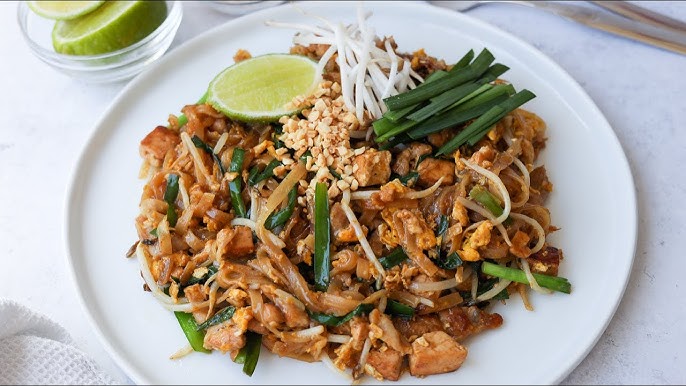
Thai Noodle Recipe: Thai noodles are more than just a meal—they’re an experience. From the sizzling sound of noodles hitting a hot wok to the rich aroma of garlic, lime, and soy sauce blending in the air, Thai noodles bring comfort and excitement in every bite. Whether you’ve tasted Pad Thai at a local restaurant or tried spicy drunken noodles on a late-night craving, you already know how addictive they can be.
The beauty of Thai noodles lies in their simplicity. You don’t need complicated techniques or fancy equipment. With fresh ingredients, a good sauce, and the right balance of flavors, you can recreate authentic Thai noodles right in your kitchen. And the best part? It’s quick. Most Thai noodle recipes come together in under 30 minutes.
In this guide, you’ll learn everything you need—from ingredients to step-by-step instructions—to make a simple and classic Thai noodle dish that tastes like it came straight from Bangkok.
Why Thai Noodles Are Loved Worldwide
Thai noodles have gained global popularity because they perfectly balance sweet, sour, salty, and spicy flavors. This balance makes every bite exciting. Unlike heavy pasta dishes, Thai noodles feel light yet satisfying.
Another reason people love them? Customization. You can make them vegetarian, add chicken or shrimp, or even go fully plant-based. Thai noodles are flexible and forgiving.
They’re also incredibly vibrant. Fresh herbs, crunchy peanuts, lime wedges, and colorful vegetables make the dish look as good as it tastes. It’s comfort food with personality.
Understanding Thai Cuisine Basics
Thai cuisine revolves around harmony. No single flavor dominates. Instead, each ingredient plays its role in creating a balanced taste.
Balance of Flavors in Thai Cooking
Thai cooking combines:
- Sweet (palm sugar or brown sugar)
- Sour (lime juice or tamarind)
- Salty (fish sauce or soy sauce)
- Spicy (chili flakes or fresh chilies)
When these flavors come together, they create a bold yet balanced profile. If something feels too salty, add lime. Too sour? Add a bit of sugar. It’s all about adjusting to your taste.
Choosing the Right Noodles
Rice Noodles vs Egg Noodles
Rice noodles are the most common choice for classic Thai dishes like Pad Thai. They’re light, gluten-free, and absorb sauce beautifully.
Egg noodles, on the other hand, are richer and slightly chewy. They work well for stir-fried variations like Thai drunken noodles.
For a simple and classic recipe, flat rice noodles are ideal.
List of Ingredients You’ll Need
Here’s everything required for a classic Thai noodle recipe:
Main Ingredients
- 200g flat rice noodles
- 2 tablespoons vegetable oil
- 2 cloves garlic (minced)
- 1 cup cooked chicken or shrimp (optional)
- 2 eggs
- 1 cup bean sprouts
- 2 green onions (chopped)
- 1/2 cup shredded carrots
For the Sauce
- 2 tablespoons soy sauce
- 1 tablespoon fish sauce
- 1 tablespoon brown sugar
- 1 tablespoon lime juice
- 1 teaspoon chili flakes (optional)
For Garnish
- Crushed peanuts
- Fresh cilantro
- Lime wedges
Kitchen Tools Required
You don’t need professional tools. Just:
- Large wok or frying pan
- Mixing bowl
- Tongs or spatula
- Knife and chopping board
A wok works best because it distributes heat evenly and gives that authentic stir-fry texture.
Step-by-Step Guide to Making Thai Noodles
Step 1 – Preparing the Ingredients
Start by chopping all vegetables. Mince garlic, slice green onions, and prepare your protein if using. Keep everything ready before you start cooking. Thai noodles cook quickly, so preparation is key.
Mix all sauce ingredients in a small bowl. Stir well until sugar dissolves completely. Set aside.
Step 2 – Soaking and Cooking the Noodles
Soak rice noodles in warm water for 10–15 minutes until soft but not mushy. Drain and set aside.
Do not overcook them at this stage. They’ll finish cooking in the wok with the sauce.
Step 3 – Stir-Frying the Base
Heat oil in a wok over medium-high heat. Add minced garlic and sauté for about 30 seconds until fragrant.
Add chicken or shrimp if using and cook until fully done. Push everything to one side of the wok.
Crack eggs into the empty side and scramble gently. Once cooked, mix everything together.
Step 4 – Adding the Noodles and Sauce
Add soaked noodles into the wok. Pour the prepared sauce over them.
Using tongs, gently toss everything together. Make sure the noodles are evenly coated with sauce. Stir-fry for 3–5 minutes until noodles are tender and glossy.
If they seem dry, add 1–2 tablespoons of water.
Step 5 – Adding Vegetables
Add bean sprouts, carrots, and green onions. Stir-fry for another 1–2 minutes. Keep vegetables slightly crisp for texture.
Turn off heat.
Step 6 – Garnishing and Serving
Transfer noodles to a serving plate.
Top with:
- Crushed peanuts
- Fresh cilantro
- Lime wedges
Squeeze fresh lime before eating for extra flavor.
Pro Tips for Perfect Thai Noodles
- Always cook on high heat.
- Prepare all ingredients before turning on the stove.
- Don’t over-soak noodles.
- Adjust sauce according to your taste.
- Add vegetables at the end to keep them crunchy.
Common Mistakes to Avoid
- Overcooking noodles
- Adding too much sauce
- Cooking on low heat
- Skipping fresh lime juice
Small details make a big difference.
Nutritional Value of Thai Noodles
Thai noodles provide carbohydrates for energy, protein from eggs or meat, and vitamins from vegetables. To make it healthier:
- Use less oil
- Add more vegetables
- Choose lean protein
Serving Suggestions and Pairings
Thai noodles pair beautifully with:
- Thai iced tea
- Fresh cucumber salad
- Spring rolls
- Clear vegetable soup
Serve hot for best flavor.
Storing and Reheating Thai Noodles
Store leftovers in an airtight container for up to 2 days in the refrigerator.
Reheat in a pan with a splash of water to prevent drying out. Avoid microwaving too long.
FAQs about Thai Noodle Recipe
1. Can I make Thai noodles vegetarian?
Yes. Simply replace fish sauce with soy sauce or tamari and skip the meat. You can add vegetables or tofu for extra texture and protein.
2. Can I use spaghetti instead of rice noodles?
Yes, spaghetti can be used as a substitute if rice noodles aren’t available. However, the texture and overall feel will be slightly different from traditional Thai noodles.
3. How spicy are Thai noodles?
The spice level depends entirely on how much chili you add. You can keep it mild or turn up the heat based on your preference.
4. Can I meal prep Thai noodles?
Yes, Thai noodles are great for meal prep. For best results, store the sauce separately and mix it in just before reheating to prevent sogginess.
5. What protein works best?
Chicken, shrimp, tofu, or beef all work well. Choose based on your taste and dietary preference.
Conclusion
Thai noodles are simple, flavorful, and incredibly satisfying. With the right ingredients and a balanced sauce, you can create a restaurant-quality dish at home in less than 30 minutes. The key lies in preparation, high heat, and fresh garnishes. Once you try this classic Thai noodle recipe, it may just become your go-to comfort meal.